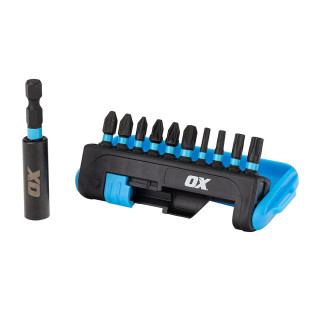
OX Tools Screwdriver Bits & Bit Holders
OX screwdriver bits are built for daily fixing work, from first fix timber to kitchen fit-out, with OX bit holders that stay put and take the knocks.
If you're chewing through cheap bits, rounding heads, or fishing dropped screws out of awkward corners, this is the gear to sort it. OX screwdriver bits and OX bit holders are made for impact drivers and combi drills that earn their keep all week, whether you're running hundreds of screws into stud, board, battens, cabinets or sheet materials. Look for the right drive type first, then match the bit length and holder style to the access you've actually got. If you need a tighter range, start with OX screwdriver bits, and if you're building out your wider kit, have a look through OX power tool accessories to keep the van properly stocked.
What Are OX Screwdriver Bits Used For?
- Driving long woodscrews into stud, battens and sheet timber is where OX impact bits earn their keep, especially when you're on an impact driver all day and need bits that do not twist out fast.
- Fixing plasterboard, cement board and flooring panels goes quicker when you have the right OX pozidriv bits, as they seat properly in common site screws and cut down on cam-out and damaged heads.
- Working inside cabinets, service voids and other tight spots is easier with an OX magnetic bit holder, because it keeps the screw started while you guide the drill one-handed.
- Snagging second fix joinery, ironmongery and kitchen fittings calls for the correct bit length and drive type, so you are not slipping off heads and marking finished surfaces.
- Keeping a proper OX screwdriver bit set in the van saves time on mixed jobs, where one room might need PZ2, the next wants Torx, and you do not want to keep walking back for the right bit.
Choosing the Right OX Screwdriver Bits
Sorting the right bits is simple: match the drive type and holder to the screws you actually use, not the bits you've got rolling round the van.
1. Match the Screw Head Properly
If the screw is Pozidriv, use a proper PZ bit, not an old Phillips you found in the case. That is how heads get rounded and fixings end up half buried. If you do a lot of traditional site screws, keep a few fresh PZ2s ready and back them up with OX Pozidriv screwdrivers for final hand tightening.
2. Standard Bit or Impact Bit
If you are using an impact driver for long screws or repetitive fixing, go straight to OX impact bits. Standard bits are fine for lighter drill-driver work, but on repeated impact they wear quicker and can snap when you lean on them.
3. Bit Holder Length Matters
If you are working in cupboards, corners or behind pipework, a magnetic bit holder gives you the reach and keeps the screw under control. For open work where space is not tight, a shorter holder keeps things stiffer and less wobbly.
4. Buy a Set if the Work Changes Day to Day
If your jobs vary between first fix, second fix and snagging, an OX screwdriver bit set makes more sense than buying singles blind. You will cover the common drive types in one go and spend less time borrowing bits off other lads on site.
Who Uses These on Site?
- Chippies use OX screwdriver bits for first fix carcassing, flooring and battens, where a worn bit will slip, split timber and slow the whole job down.
- Kitchen fitters and joiners rely on OX bit holders for cabinet screws and ironmongery, especially when working inside units where access is poor and dropped fixings waste time.
- Sparkies keep a set handy for back boxes, consumer unit trims and general fixings, and many still carry OX screwdrivers for the bits of work where power tools are overkill.
- Dryliners and general builders reach for OX impact bits when they are driving fixings all day into timber, metal stud or board and need bits that stand up to repeated use.
- Maintenance teams and fit-out crews like a mixed OX screwdriver bit set because one callout can mean furniture fixings, panel screws and hardware adjustments all in the same shift.
Accessories That Keep Your Fixings Moving
A couple of simple add-ons make these bits far more useful on real site work, especially when access is poor or the job keeps changing.
1. Magnetic Bit Holders
An OX magnetic bit holder saves you from trying to start screws one-handed while balanced on steps or reaching into a unit. It keeps the fixing where you need it and cuts down on dropped screws behind finished work.
2. Mixed Bit Sets
A proper mixed set stops the usual mess of half-worn loose bits in the bottom of the case. When the job swaps from PZ to Torx to slotted, you are not rooting about or making do with the wrong tip.
3. Hand Screwdrivers
Keep hand drivers nearby for trim plates, finished fittings and final nips where a drill can do more harm than good. If you still need flat head drivers for older fittings and panels, OX slotted screwdrivers are worth having in the bag.
Choose the Right OX Screwdriver Bits for the Job
Use this quick guide to sort the right bit or holder before you start chewing fixings.
| Your Job | Bit or Type | Key Features |
|---|---|---|
| Driving site screws into timber stud and battens | OX impact bits | Built for repeated impact driver use, better resistance to twisting and snapping under load |
| Plasterboard and general construction fixings | OX pozidriv bits | Fits common PZ screws properly, reduces cam-out and damaged heads |
| Working inside cabinets or awkward corners | OX magnetic bit holder | Improves reach, holds screws in place, easier one-handed starts |
| Mixed snagging and fit-out jobs | OX screwdriver bit set | Covers common drive types in one case, quicker changeover between tasks |
| Light duty drilling and driving from one case | OX drill bits set | Handy for small install jobs where you need to drill and fix without swapping kits |
Common Buying and Usage Mistakes
- Using the wrong drive type is the big one. A worn Phillips in a Pozidriv screw will slip and wreck the head, so check the screw properly and use the correct bit from the start.
- Buying standard bits for full-time impact driver work usually ends in snapped tips or rounded edges. If the tool is hammering all day, buy impact-rated bits and save yourself constant replacements.
- Ignoring bit length causes grief in tight spaces. A short bit may be stiffer, but if you cannot reach square onto the fixing you will slip off, mark the surface and waste screws.
- Running worn bits for too long damages fixings and slows the job down. Once a bit starts camming out or rocking in the head, swap it before it costs you more in stripped screws.
- Treating magnetic holders as permanent storage for dusty, swarf-covered bits leads to poor grip. Keep them clean so the magnet holds the screw properly when you are working overhead or in a recess.
Standard Bits vs Impact Bits vs Magnetic Bit Holders
Standard Bits
Best for lighter driving with a combi drill or drill driver, where you want a direct fit and are not hammering fixings in all day. Fine for occasional use, but they are not the one for repeated impact work.
Impact Bits
These are the better choice for regular site fixing with an impact driver. They cope better with torsion and repeated shock, so if you are sinking lots of screws into timber or board, this is where your money wants to go.
Magnetic Bit Holders
Not a replacement for the bit itself, but they make awkward fixing work far easier. Use one when you need extra reach, better screw retention or cleaner starts in cabinets, corners and overhead positions.
Maintenance and Care
Keep the Tips Clean
Wipe off plaster dust, metal filings and timber resin after use. A clogged tip does not seat properly in the screw and that is when heads start getting chewed.
Bin Worn Bits Early
Once the edges are rounded or the bit starts slipping, replace it. Hanging on to a dead bit usually costs more in ruined screws and slower fixing than the bit itself.
Store Sets Back in the Case
Do not leave loose bits rattling round the van. Keeping them in the case makes it easier to spot what is missing and stops good bits getting damaged by other kit.
Check Magnetic Holders for Swarf
Magnets pick up fine metal debris over time. Clean that off now and then or the bit will not sit cleanly and the holder can lose some of its grip on the screw.
Keep Them Dry
Like any steel accessory, bits last better when they are not left damp in the bottom of a case. Dry them off after wet site work and they will stay usable for longer.
Why Shop for OX Screwdriver Bits at ITS?
Whether you need single OX screwdriver bits, OX bit holders, a full OX screwdriver bit set or backup accessories for the fixing kit, we stock the range properly. It is all held in our own warehouse, ready for next day delivery, so you can get the right bits on site without waiting around.
OX Screwdriver Bits and Bit Holder FAQs
What screwdriver bits do I need?
Start with the screws you actually use, not a random mixed set. On most UK site work, PZ2 covers a lot of timber and board fixings, while Torx is common on modern construction screws and fittings. If you swap between trades and materials, get an OX screwdriver bit set so you have the common sizes ready instead of forcing the wrong bit into the screw.
What is an impact bit?
An impact bit is made to cope with the twisting shock from an impact driver. It is the right choice when you are driving long screws or doing repetitive fixing all day. A standard bit might do the odd job, but under regular impact use it will usually wear out or snap sooner.
Are OX screwdriver bits any good?
Yes, they are solid bits for trade use, especially if you buy the right type for the job. The main thing is using a fresh bit that matches the screw head properly. Used that way, OX bits hold up well for day to day site fixing, fit-out and general install work.
What is a magnetic bit holder for?
It holds the bit and helps keep the screw in place while you start the fixing. That matters when you are reaching into cupboards, working overhead or trying to get a screw going one-handed. It is a simple bit of kit, but it saves plenty of dropped screws and awkward starts.
What is the difference between a bit and an impact bit?
A standard bit is for general screwdriving and lighter tool use. An impact bit is built to handle the repeated shock loads from an impact driver, so it is usually the better buy for heavy fixing work. If your driver is hitting hard every day, do not skimp here.
Do I need Pozidriv or Phillips for most site screws?
For a lot of UK trade screws, especially general wood and board fixings, Pozidriv is still the common one. Do not guess by eye if you can help it, because a Phillips bit in a Pozidriv head will slip and mash the fixing far quicker than you think.
Will a magnetic holder replace a long bit?
Not always. A holder gives you extra reach and screw retention, which is useful in awkward spots, but sometimes a dedicated long bit is neater and stiffer. If access is really tight, choose the setup that lets you stay square on the screw without wobble.
When should I swap a screwdriver bit out?
As soon as it starts slipping, rocking in the head or polishing over on the edges. Plenty of lads wait too long, then blame the screws. A tired bit ruins fixings, slows the job down and puts more strain on your wrist and the tool.