Milwaukee Router Bits
Cutting hinge recesses or finishing worktop edges? Milwaukee router bits let you remove timber and form controlled profiles.
For joiners and kitchen fitters, shank fit and cutting geometry matter more than buying the biggest set. Match the cutter to your router's collet, material and required finish, then choose the profile for the job.
What Jobs Are Milwaukee Router Bits Best At?
- Cut hinge recesses and housing joints in doors, linings and shelving with a straight cutter sized for the required width and depth.
- Trim timber lippings or laminate overhangs flush with an edge using a suitable bearing-guided flush trim bit.
- Round over exposed shelf, counter and furniture edges to remove sharp corners and produce a consistent curved profile.
- Chamfer cabinet components and timber edges where you need a repeatable bevel rather than an uneven hand-sanded finish.
- Follow a securely fixed template with a compatible guided cutter when making matching components for fitted furniture.
Choosing the Right Milwaukee Router Bits
Start with the router's collet and permitted cutter size, then choose the cutting profile. A bit that fits the hole is not automatically suitable for the machine.
1. Match the Shank to the Collet
For Milwaukee 1/4 router bits, you need a matching 1/4-inch collet; Milwaukee 1/2 router bits require a router approved for a 1/2-inch shank. Check the individual cutter specification and your machine manual. Never substitute a near-sized metric collet or assume a compact trimmer accepts larger shanks.
2. Buy the Profile the Job Requires
Choose a Milwaukee straight router bit for grooves and recesses, a Milwaukee roundover bit for curved edges, or a Milwaukee chamfer bit for bevels. A Milwaukee flush trim bit serves a different purpose: its bearing follows a suitable edge or template to bring projecting material flush.
3. Check Cutting Length and Bearing Position
If you are trimming thick stock, check that the cutting length covers the work without exceeding the router's capacity. For template work, place the template first, then select the bearing position that can actually follow it. Browse Guided Trimmers when bearing location is the deciding factor.
4. Singles or a Cutter Set
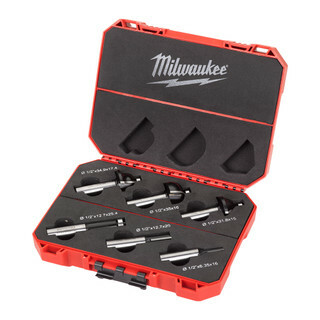
Replace a regularly used profile individually rather than buying duplicates you will not use. For mixed joinery work, compare the contents of Milwaukee Router Cutter Sets against your actual groove widths, edge profiles and collet size.
Who Uses Milwaukee Router Bits?
Joiners use these cutters for hinge recesses, grooves and edge detailing during bench work and second fix. Kitchen fitters reach for trimming cutters to finish lippings and laminate, while cabinetmakers use straight and profile cutters for repeatable joints and matching edges. Maintenance teams benefit from keeping the frequently used profiles separately protected, rather than loose in the router case.
The Basics: Understanding Router Bits
Separate the part held by the router from the part cutting the timber. That distinction prevents common fitting errors and helps you select the right guide.
1. Shank Size Is Not Cutting Diameter
The shank is the plain section gripped by the collet. Cutting diameter describes the working head, which may be considerably wider. Check both dimensions: the shank must fit correctly, and the cutter must remain within the router's permitted diameter and speed limits.
2. Bearings Guide; They Do Not Clamp
A bearing follows a sound edge or secured template to control the cut. It cannot correct a damaged template or stop loose material moving. Unguided straight cutters normally need a fence, guide bush or another suitable guiding arrangement for controlled work.
Router Accessories for Controlled Cuts
The right guidance and cleaning kit help prevent spoiled components and unnecessary cutter wear.
1. Router Fences and Guide Bushes
Use a compatible fence for straight grooves or a suitable guide bush with a template. Check the bush offset before cutting; overlooking it can leave a hinge recess or opening the wrong size.
2. Workholding Clamps
Secure the component and template before starting. Position clamps outside the router's travel so you do not have to stop halfway through an exposed edge or steer around an obstruction.
3. Router Bit Cleaner
A cleaner approved for carbide tooling removes resin that builds up behind the cutting edges. Keep it away from bearings unless the cleaner and cutter instructions specifically allow contact.
Choose the Right Milwaukee Router Bits for the Job
Match the cut first, then confirm shank size and machine compatibility.
| Your Job | Router Bit Type | Key Features |
|---|---|---|
| Cutting grooves and housing joints | Straight cutter | Correct cutting diameter, sufficient cutting length and suitable guidance. |
| Routing hinge recesses | Suitable plunge-capable straight cutter | End-cutting capability, controlled depth and compatible jig arrangement. |
| Finishing projecting lippings | Flush trim cutter | Bearing position that suits the reference edge and adequate cutting length. |
| Softening exposed timber edges | Roundover cutter | Required radius, suitable bearing guidance and clearance beneath the work. |
| Producing consistent bevelled edges | Chamfer cutter | Required angle, sufficient profile capacity and adjustable cutting depth. |
Common Buying and Usage Mistakes
- Confusing shank diameter with cutting diameter leads to incompatible purchases. Check both measurements against the collet and the router's permitted cutter capacity.
- Taking the full depth in one pass overloads the cutter and can cause burning or loss of control. Use staged cuts appropriate to the material, cutter and router.
- Plunging with a cutter that is not designed for it can damage the work and overload the tool. Confirm end-cutting capability before starting a recess within the material.
- Clamping too little shank or gripping the fluted section compromises retention. Isolate the router and follow the specified insertion depth without bottoming the shank in the collet.
- Following a chipped template transfers defects into the finished component. Check the reference surface and bearing before cutting the finished piece.
Straight Router Bits vs Flush Trim Bits vs Profile Bits
Straight Router Bits
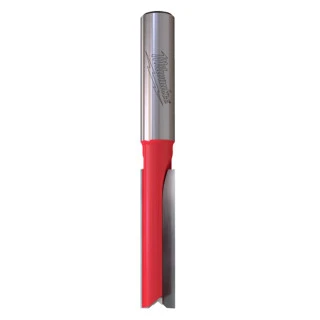
Choose these for grooves, housings and suitable recessing work. They remove material rather than form a decorative edge, and usually need separate guidance. Check plunge capability rather than assuming every straight cutter can enter vertically.
Flush Trim Bits
Choose these to copy a template or trim projecting material level with a reference edge. The bearing simplifies guidance, but a poor reference surface produces a poor result. They are not a substitute for a groove-cutting bit.
Roundover and Chamfer Bits
Choose a roundover for a curved edge or a chamfer for a flat bevel. Each produces a specific profile, so buy the required radius or angle. Compare the wider Router Bits range if your drawing calls for a different shape.
Maintenance and Care
Remove Resin Build-Up
Remove the cutter from the isolated router and clean it with a suitable product and soft brush. Avoid scraping carbide edges with steel tools, and dry the cutter before storage.
Keep Shanks and Collets Clean
Remove dust and deposits from the shank and collet so they grip properly. Keep gripping surfaces clean and dry; do not leave an oily film where the collet clamps.
Check Edges and Bearings
Inspect for chipped cutting edges, damaged shanks and bearings that drag or wobble. Stop using damaged cutters. Replace serviceable bearings only with the specified parts and fastening method.
Store Cutters Separately
Use individual holders or a fitted case to stop carbide edges knocking together in the van. Store dry, and have suitable dull cutters assessed by a tooling sharpener rather than grinding the profile freehand.
Shop Milwaukee Router Bits at ITS
ITS stocks the Milwaukee router bit range, covering individual cutters and sets for grooving, trimming and edge profiling, in our own warehouse ready for next-day delivery. Check individual listings for available sizes and current stock. If you also need a compatible machine, compare Milwaukee M18 Routers & Trimmers and confirm the supplied collet before ordering.
Milwaukee Router Bits FAQs
What shank size are Milwaukee router bits?
Shank size depends on the individual Milwaukee router bit, so check its specification rather than judging by the cutting head. A 1/4-inch shank needs a matching 1/4-inch collet, and a 1/2-inch shank needs an approved 1/2-inch collet and compatible router. Similar metric sizes are not interchangeable.
What is a roundover router bit used for?
It cuts a curved radius along an edge, commonly on shelves, counters and furniture components. Choose the radius to suit the drawing and material thickness. On bearing-guided versions, the bearing follows the reference edge while the cutting depth determines how the profile meets the adjoining faces.
Can 1/2 inch router bits be used in a trim router?
Not if you mean a 1/2-inch shank and the trimmer only accepts 1/4-inch shanks. Never force a fit or use an improvised adaptor. If 1/2 inch describes the cutting diameter instead, compatibility still depends on the shank, base clearance and machine's permitted cutter size.
How do you clean router bits?
Isolate the router, remove the bit and use a cleaner approved for its tooling materials. Loosen resin with a soft brush, then wipe and dry thoroughly. Do not immerse bearings unless expressly permitted, as cleaning fluid can remove their lubricant. Keep the shank clean and dry for secure clamping.
Are Milwaukee router bits carbide tipped?
Milwaukee offers carbide-tipped router cutters, but confirm the construction on the individual listing. Carbide-tipped and solid-carbide cutters are different constructions, and not every design should be treated as identical. Carbide resists wear, but its cutting edges can still chip if dropped or driven into hidden fixings.
Can router bits be sharpened?
Many can be professionally sharpened if enough usable cutting material remains and the cutter is undamaged. Clean off resin first, as build-up can mimic a blunt edge. Sharpening can alter cutting dimensions or the relationship with a guide bearing, so check suitability before using a reground cutter for precision fitting.
What speed should you run a router bit at?
Use the cutter maker's recommended operating range without exceeding its maximum rated speed or the router's limits. Larger cutting diameters generally require lower speeds. There is no single setting for every bit: material, profile, depth and feed rate all matter. Set up on matching scrap before cutting the finished component.
How long do router bits last?
There is no reliable fixed lifespan. Abrasive boards, deep passes, overheating and hidden fixings shorten service life. Persistent burning, increased feed resistance or a worsening finish after cleaning can indicate dullness, although setup faults can cause similar symptoms. Stop immediately if you find chipped edges, cracks or shank damage.