Milwaukee Tape Measures Milwaukee Tape Measures

Milwaukee Tape Measures

Milwaukee tape measure range is built for site marking, set-out, and rough daily use, with tough cases, clear blades, and stand-out that actually helps on the job.

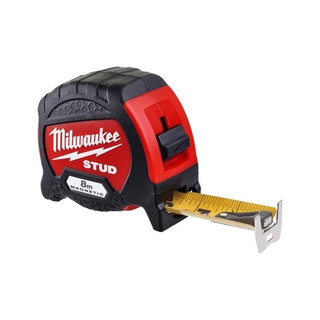
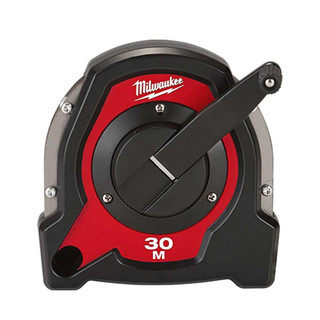
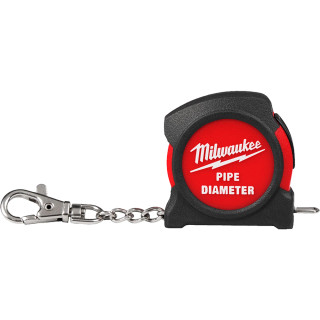
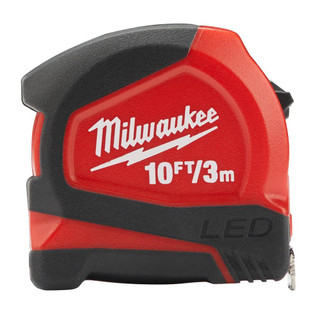
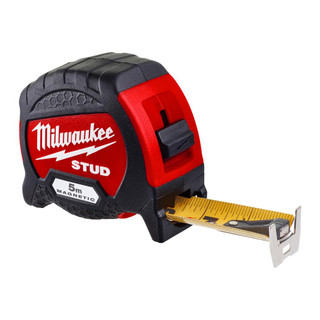
If you're measuring stud walls, checking openings, or marking out solo, a Milwaukee tape measure is the sort of kit that earns its spot on your belt. The STUD range is popular for good reason with wide blades, solid stand-out, and versions with magnets for steel work. If you want pocket-friendly options, look at Milwaukee Small Tape Measures, or step up to Milwaukee 5m & 16ft Tape Measures and Milwaukee 10m & 33ft Tape Measures for bigger runs. For longer external set-out, Milwaukee Long Tape Measures cover ground fast, while Milwaukee 3m & 10ft Tape Measures suit snagging, kitchens, and tight indoor work. Pick the length and blade width to match the job and get one that will put up with site abuse.

What Are Milwaukee Tape Measures Used For?

  • Setting out stud walls, door openings, and partition runs is where a Milwaukee stud tape measure comes into its own, especially when you are measuring one-handed and need blade stand-out that does not fold straight away.
  • Marking timber, sheet material, and carcassing on first fix is quicker with a Milwaukee measuring tape that has clear blade markings you can read without squinting across a dusty room.
  • Checking steel sections, trunking runs, and fix points on install jobs is easier with a Milwaukee magnetic tape measure, as the hook grabs onto metal instead of slipping off every other pull.
  • Measuring room widths, floor areas, and longer external runs for landscaping or fencing suits a Milwaukee tape measure 8m or Milwaukee tape measure 10m, where the extra reach saves constant repositioning.
  • Snagging kitchens, bathrooms, and second-fix trim jobs often only needs a compact Milwaukee tape measure 5m, which is easier to carry all day and less bulky on the belt.

Choosing the Right Milwaukee Tape Measure

Sorting the right one is simple: match the tape length and blade style to the work, not to what looks biggest on the shelf.

1. 5m, 8m or 10m

If you are mainly doing indoor fitting, second fix, kitchens, or general van work, a Milwaukee tape measure 5m is usually enough and easier to live with every day. If you are setting out partitions, timber, or wider rooms, an 8m gives you better reach. If you are regularly measuring bigger openings, steel, fencing, or external runs, go straight to a Milwaukee 10m tape measure.

2. STUD or Standard

If you work one-handed a lot and pull long measurements across timber or board, the Milwaukee stud tape measure is the better shout because the wider blade gives more stand-out before it kinks. For lighter daily checks and shorter pulls, a standard Milwaukee tape measure keeps bulk down.

3. Magnetic or Non Magnetic Hook

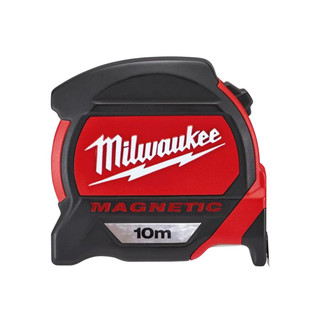
If you are on steel stud, cable tray, ductwork, or structural jobs, a Milwaukee magnetic tape measure saves time because it will hold to metal while you mark. If you are mostly on timber and sheet material, you do not always need the extra feature.

4. Blade Width Matters

Do not ignore blade width. A Milwaukee wide blade tape measure is worth it if you want better stand-out and easier reading across longer spans. If pocket space and weight matter more than reach, go smaller and keep it clipped on all day without it dragging your trousers down.

Who Uses These Tape Measures?

  • Chippies swear by a Milwaukee stud tape measure for first-fix timber, stud partitions, and roof work, where good stand-out means you can mark up sheets and lengths without always asking for a second pair of hands.
  • Sparkies keep a Milwaukee tape in the pouch for measuring tray runs, socket heights, and board spacing, especially on fast fit-outs where you are in and out of rooms all day.
  • Dryliners and ceiling fixers use wider blade tapes for setting track, checking centres, and pulling measurements across boards without the blade collapsing halfway through the run.
  • Plumbers and heating engineers reach for compact 5m and 8m tapes when measuring pipe centres, rad positions, and service voids in tight cupboards, risers, and boxed-in spaces.
  • Site managers, snagging teams, and kitchen fitters use them for quick checks on openings, finished sizes, and handover details where a tape needs to be readable, accurate, and still working after being knocked about in the van.

Choose the Right Milwaukee Tape Measure for the Job

Use this quick guide to avoid carrying more tape than the job needs.

Your Job Milwaukee Tape Measure Type Key Features
Snagging, kitchens, bathrooms, and everyday indoor checks 5m compact tape Easy belt carry, quick pull-outs, less bulk in tight rooms and cupboards
Stud walls, first fix timber, and sheet marking Milwaukee stud tape measure Wider blade, stronger stand-out, easier one-man measuring across open spans
Steel stud, tray, ducting, and metal framework Magnetic tape measure Magnetic hook holds on steel, frees up a hand, speeds up marking and set-out
Room widths, openings, and general site set-out 8m tape measure More reach than a 5m, still practical on the belt, suits most building work
External work, fencing, landscaping, and long internal runs 10m tape measure Longer pull for bigger measurements, fewer resets, better for open areas

Common Buying and Usage Mistakes

  • Buying a 10m tape for every job sounds sensible, but for indoor fitting and snagging it is often just heavier and more awkward than you need. A 5m or 8m usually rides better on the belt and gets used more.
  • Ignoring blade width catches people out on first fix. If you are pulling long measurements across studs or boards, a narrow blade will fold sooner, so go for a Milwaukee stud tape measure or wide blade model instead.
  • Using a non magnetic hook on steel work wastes time and patience. If most of your measuring is on track, tray, or structural sections, buy a Milwaukee magnetic tape measure and stop fighting the hook.
  • Letting the blade snap back full speed is a quick way to wreck the hook and markings. Feed it back under control and the tape will stay accurate for longer.
  • Leaving a wet or dusty tape shut in the case all weekend shortens its life. Wipe the blade down before retracting it fully, especially after outside work or cutting around abrasive dust.

STUD vs Magnetic vs Standard Tape Measures

Milwaukee STUD Tape Measure

Best for chippies, dryliners, and anyone pulling longer measurements solo. The wider blade gives stronger stand-out, so it is better for studwork, sheet marking, and first fix. It is bulkier than a compact standard tape, but easier to use on open runs.

Milwaukee Magnetic Tape Measure

Best for steel stud, HVAC, electrical containment, and metal fabrication jobs. The magnetic hook saves time on steel sections and tray. If you rarely work on metal, it is useful but not essential.

Standard Milwaukee Measuring Tape

Best for general building, maintenance, and everyday van carry. It covers most measuring jobs without extra size or weight. For short indoor work and snagging, this is often the most practical choice.

Maintenance and Care

Keep the Blade Clean

Brick dust, plaster, and grit wear the blade coating and make the return rough. Wipe the blade down at the end of the day, especially if it has been dragged across floors or blockwork.

Do Not Let It Slam Home

Fast retraction batters the end hook and can knock the accuracy out over time. Guide the blade back in by hand rather than letting it fly.

Dry It After Wet Work

If your Milwaukee tape has been out in the rain or on muddy external jobs, dry the blade before storing it. Shutting a wet blade into the case is asking for rust and sticky action.

Check the Hook Regularly

A bent or loose hook gives you bad readings from the start. If it has taken a knock, compare it against a known straight edge and replace the tape if the measurements are no longer trustworthy.

Retire It When Accuracy Is Gone

A battered tape that is out by a few mil can ruin a fit-out or waste material all day. If the blade is kinked, the print is worn off, or the hook is damaged, stop nursing it and swap it out.

Why Shop for Milwaukee Tape Measures at ITS?

Whether you need a compact Milwaukee tape measure 5m for second fix, a Milwaukee tape measure 8m for daily set-out, or a Milwaukee 8m tape measure or 10m option for longer runs, we stock the full range in one place. That means Milwaukee stud tape measure models, magnetic tapes, wide blade tapes, and the sizes trades actually use, all held in our own warehouse and ready for next day delivery.

Milwaukee Tape Measure FAQs

Are Milwaukee tape measures any good?

Yes. They are well regarded on site because the cases are tough, the blades are easy to read, and the stand-out on the STUD models is genuinely useful when you are measuring on your own. They are not magic, but they do put up with daily knocks better than a lot of cheap tapes.

What is special about the Milwaukee stud tape measure?

The main difference is the wider, stiffer blade. That gives better stand-out, so you can pull longer measurements across studs, boards, and openings without the blade folding over straight away. For first fix and framing work, that makes a real difference.

Are Milwaukee tape measures lifetime warranty?

Some Milwaukee hand tools carry strong warranty cover, but tape measure warranty terms can vary by model and region, so check the listing before you buy. Either way, warranty does not cover a tape that has been bent, abused, or worn out by being snapped back all day.

Should I buy a 5m, 8m or 10m Milwaukee tape measure?

For kitchens, bathrooms, maintenance, and general indoor work, 5m is usually plenty. An 8m is the best all-rounder for builders and first-fix trades. A 10m suits bigger openings, external jobs, and longer set-out where a shorter tape means constant repositioning.

Is a Milwaukee magnetic tape measure worth it?

If you work on steel stud, tray, ducting, or structural metal, yes, it is worth it because the hook grips where a standard tape slips off. If you are mostly measuring timber and board, it is handy but not always necessary.

Do wide blade tapes actually help, or is it just marketing?

They do help if your work involves longer one-man measurements. A Milwaukee wide blade tape measure stays rigid for longer, which means less blade collapse and fewer wasted pulls. If your jobs are mostly short measurements in tight spaces, you may prefer a smaller tape instead.
Read more

Milwaukee Tape Measures

Milwaukee tape measure range is built for site marking, set-out, and rough daily use, with tough cases, clear blades, and stand-out that actually helps on the job.

If you're measuring stud walls, checking openings, or marking out solo, a Milwaukee tape measure is the sort of kit that earns its spot on your belt. The STUD range is popular for good reason with wide blades, solid stand-out, and versions with magnets for steel work. If you want pocket-friendly options, look at Milwaukee Small Tape Measures, or step up to Milwaukee 5m & 16ft Tape Measures and Milwaukee 10m & 33ft Tape Measures for bigger runs. For longer external set-out, Milwaukee Long Tape Measures cover ground fast, while Milwaukee 3m & 10ft Tape Measures suit snagging, kitchens, and tight indoor work. Pick the length and blade width to match the job and get one that will put up with site abuse.

What Are Milwaukee Tape Measures Used For?

  • Setting out stud walls, door openings, and partition runs is where a Milwaukee stud tape measure comes into its own, especially when you are measuring one-handed and need blade stand-out that does not fold straight away.
  • Marking timber, sheet material, and carcassing on first fix is quicker with a Milwaukee measuring tape that has clear blade markings you can read without squinting across a dusty room.
  • Checking steel sections, trunking runs, and fix points on install jobs is easier with a Milwaukee magnetic tape measure, as the hook grabs onto metal instead of slipping off every other pull.
  • Measuring room widths, floor areas, and longer external runs for landscaping or fencing suits a Milwaukee tape measure 8m or Milwaukee tape measure 10m, where the extra reach saves constant repositioning.
  • Snagging kitchens, bathrooms, and second-fix trim jobs often only needs a compact Milwaukee tape measure 5m, which is easier to carry all day and less bulky on the belt.

Choosing the Right Milwaukee Tape Measure

Sorting the right one is simple: match the tape length and blade style to the work, not to what looks biggest on the shelf.

1. 5m, 8m or 10m

If you are mainly doing indoor fitting, second fix, kitchens, or general van work, a Milwaukee tape measure 5m is usually enough and easier to live with every day. If you are setting out partitions, timber, or wider rooms, an 8m gives you better reach. If you are regularly measuring bigger openings, steel, fencing, or external runs, go straight to a Milwaukee 10m tape measure.

2. STUD or Standard

If you work one-handed a lot and pull long measurements across timber or board, the Milwaukee stud tape measure is the better shout because the wider blade gives more stand-out before it kinks. For lighter daily checks and shorter pulls, a standard Milwaukee tape measure keeps bulk down.

3. Magnetic or Non Magnetic Hook

If you are on steel stud, cable tray, ductwork, or structural jobs, a Milwaukee magnetic tape measure saves time because it will hold to metal while you mark. If you are mostly on timber and sheet material, you do not always need the extra feature.

4. Blade Width Matters

Do not ignore blade width. A Milwaukee wide blade tape measure is worth it if you want better stand-out and easier reading across longer spans. If pocket space and weight matter more than reach, go smaller and keep it clipped on all day without it dragging your trousers down.

Who Uses These Tape Measures?

  • Chippies swear by a Milwaukee stud tape measure for first-fix timber, stud partitions, and roof work, where good stand-out means you can mark up sheets and lengths without always asking for a second pair of hands.
  • Sparkies keep a Milwaukee tape in the pouch for measuring tray runs, socket heights, and board spacing, especially on fast fit-outs where you are in and out of rooms all day.
  • Dryliners and ceiling fixers use wider blade tapes for setting track, checking centres, and pulling measurements across boards without the blade collapsing halfway through the run.
  • Plumbers and heating engineers reach for compact 5m and 8m tapes when measuring pipe centres, rad positions, and service voids in tight cupboards, risers, and boxed-in spaces.
  • Site managers, snagging teams, and kitchen fitters use them for quick checks on openings, finished sizes, and handover details where a tape needs to be readable, accurate, and still working after being knocked about in the van.

Choose the Right Milwaukee Tape Measure for the Job

Use this quick guide to avoid carrying more tape than the job needs.

Your Job Milwaukee Tape Measure Type Key Features
Snagging, kitchens, bathrooms, and everyday indoor checks 5m compact tape Easy belt carry, quick pull-outs, less bulk in tight rooms and cupboards
Stud walls, first fix timber, and sheet marking Milwaukee stud tape measure Wider blade, stronger stand-out, easier one-man measuring across open spans
Steel stud, tray, ducting, and metal framework Magnetic tape measure Magnetic hook holds on steel, frees up a hand, speeds up marking and set-out
Room widths, openings, and general site set-out 8m tape measure More reach than a 5m, still practical on the belt, suits most building work
External work, fencing, landscaping, and long internal runs 10m tape measure Longer pull for bigger measurements, fewer resets, better for open areas

Common Buying and Usage Mistakes

  • Buying a 10m tape for every job sounds sensible, but for indoor fitting and snagging it is often just heavier and more awkward than you need. A 5m or 8m usually rides better on the belt and gets used more.
  • Ignoring blade width catches people out on first fix. If you are pulling long measurements across studs or boards, a narrow blade will fold sooner, so go for a Milwaukee stud tape measure or wide blade model instead.
  • Using a non magnetic hook on steel work wastes time and patience. If most of your measuring is on track, tray, or structural sections, buy a Milwaukee magnetic tape measure and stop fighting the hook.
  • Letting the blade snap back full speed is a quick way to wreck the hook and markings. Feed it back under control and the tape will stay accurate for longer.
  • Leaving a wet or dusty tape shut in the case all weekend shortens its life. Wipe the blade down before retracting it fully, especially after outside work or cutting around abrasive dust.

STUD vs Magnetic vs Standard Tape Measures

Milwaukee STUD Tape Measure

Best for chippies, dryliners, and anyone pulling longer measurements solo. The wider blade gives stronger stand-out, so it is better for studwork, sheet marking, and first fix. It is bulkier than a compact standard tape, but easier to use on open runs.

Milwaukee Magnetic Tape Measure

Best for steel stud, HVAC, electrical containment, and metal fabrication jobs. The magnetic hook saves time on steel sections and tray. If you rarely work on metal, it is useful but not essential.

Standard Milwaukee Measuring Tape

Best for general building, maintenance, and everyday van carry. It covers most measuring jobs without extra size or weight. For short indoor work and snagging, this is often the most practical choice.

Maintenance and Care

Keep the Blade Clean

Brick dust, plaster, and grit wear the blade coating and make the return rough. Wipe the blade down at the end of the day, especially if it has been dragged across floors or blockwork.

Do Not Let It Slam Home

Fast retraction batters the end hook and can knock the accuracy out over time. Guide the blade back in by hand rather than letting it fly.

Dry It After Wet Work

If your Milwaukee tape has been out in the rain or on muddy external jobs, dry the blade before storing it. Shutting a wet blade into the case is asking for rust and sticky action.

Check the Hook Regularly

A bent or loose hook gives you bad readings from the start. If it has taken a knock, compare it against a known straight edge and replace the tape if the measurements are no longer trustworthy.

Retire It When Accuracy Is Gone

A battered tape that is out by a few mil can ruin a fit-out or waste material all day. If the blade is kinked, the print is worn off, or the hook is damaged, stop nursing it and swap it out.

Why Shop for Milwaukee Tape Measures at ITS?

Whether you need a compact Milwaukee tape measure 5m for second fix, a Milwaukee tape measure 8m for daily set-out, or a Milwaukee 8m tape measure or 10m option for longer runs, we stock the full range in one place. That means Milwaukee stud tape measure models, magnetic tapes, wide blade tapes, and the sizes trades actually use, all held in our own warehouse and ready for next day delivery.

Milwaukee Tape Measure FAQs

Are Milwaukee tape measures any good?

Yes. They are well regarded on site because the cases are tough, the blades are easy to read, and the stand-out on the STUD models is genuinely useful when you are measuring on your own. They are not magic, but they do put up with daily knocks better than a lot of cheap tapes.

What is special about the Milwaukee stud tape measure?

The main difference is the wider, stiffer blade. That gives better stand-out, so you can pull longer measurements across studs, boards, and openings without the blade folding over straight away. For first fix and framing work, that makes a real difference.

Are Milwaukee tape measures lifetime warranty?

Some Milwaukee hand tools carry strong warranty cover, but tape measure warranty terms can vary by model and region, so check the listing before you buy. Either way, warranty does not cover a tape that has been bent, abused, or worn out by being snapped back all day.

Should I buy a 5m, 8m or 10m Milwaukee tape measure?

For kitchens, bathrooms, maintenance, and general indoor work, 5m is usually plenty. An 8m is the best all-rounder for builders and first-fix trades. A 10m suits bigger openings, external jobs, and longer set-out where a shorter tape means constant repositioning.

Is a Milwaukee magnetic tape measure worth it?

If you work on steel stud, tray, ducting, or structural metal, yes, it is worth it because the hook grips where a standard tape slips off. If you are mostly measuring timber and board, it is handy but not always necessary.

Do wide blade tapes actually help, or is it just marketing?

They do help if your work involves longer one-man measurements. A Milwaukee wide blade tape measure stays rigid for longer, which means less blade collapse and fewer wasted pulls. If your jobs are mostly short measurements in tight spaces, you may prefer a smaller tape instead.
ITS Click and Collect Icon
What3Words:
Get Directions
Store Opening Hours
Opening times