Milwaukee Spanner Sets & Spanners
A Milwaukee spanner set gives you proper grip on fixings that are already tight, rounded or awkward to reach, whether you're under sinks, in plant rooms or on steel.
These are the Milwaukee spanners plenty of fitters and mechanics keep close because the jaws hold fast and the profiles suit cramped work better than cheap sets that slip and chew flats. If you want a Milwaukee ratchet spanner set for faster run-down or a Milwaukee adjustable spanner for van jobs, start with the sizes you actually use and buy once.
What Are Milwaukee Spanners Used For?
- Tightening and loosening nuts and bolts on pipe clips, brackets, cable tray and containment is where a Milwaukee spanner set earns its keep, especially when fixings have been painted over or nipped up too hard.
- Working under boilers, behind sanitaryware and inside plant rooms suits Milwaukee ratchet spanners because they keep turning fasteners moving where there is no room to fully remove and reset a standard spanner.
- Snagging machinery, site gates, handrails and workshop kit is easier with Milwaukee Max Bite spanners, as the jaw design helps grip worn flats instead of skating off and taking your knuckles with it.
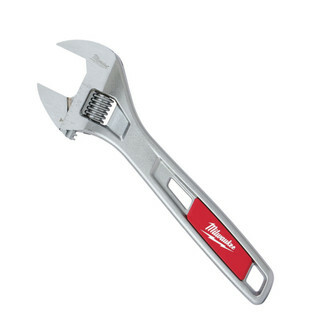
- Keeping a Milwaukee adjustable spanner in the van covers the odd-sized fixing, quick valve work and small maintenance jobs when you do not want to carry a full roll of separate spanners into a property.
Choosing the Right Milwaukee Spanner Set
Match the spanner to the fixing and access. If you buy just on price or piece count, you will end up carrying weight you never use and still be short on the job.
1. Standard Spanners or Ratchet Spanners
If you are cracking off stubborn fixings or need the strongest, simplest option, standard Milwaukee spanners are the safe bet. If you are doing repeated tightening on threaded rod, brackets or plant covers, a Milwaukee ratchet spanner set will save a lot of time and wrist movement.
2. Open End, Ring End and Combination Pattern
Combination patterns cover most site work because you get an open end for quick placement and a ring end for better contact once the load comes on. If the fixing is half-hidden or boxed in, check the head shape and offset before you buy, not after.
3. Full Set or Core Sizes Only
If you are on domestic plumbing or general install work, start with the sizes you actually touch every week. If you work across mechanical, automotive or plant, a fuller Milwaukee wrench set makes more sense because odd sizes always turn up when you are furthest from the van.
4. Adjustable or Fixed Size
A Milwaukee adjustable spanner is handy for service work and light carry, but it is not the first choice for high torque or stubborn nuts. If you know the fixing size, fixed spanners grip better, slip less and mark up fittings far less.
Who Uses These on Site?
- Plumbers and heating engineers reach for Milwaukee spanners when they are tightening compression fittings, valves and bracket fixings in tight cupboards where a socket will not fit.
- Sparkies use a Milwaukee ratchet spanner set for tray, trunking, channel support and plant fixings, especially on first fix where speed matters and access is never ideal.
- Mechanical fitters and maintenance teams swear by Milwaukee Max Bite spanner sets for seized or slightly rounded nuts on pumps, plant and workshop equipment because grip matters more than looks at that point.
- Fabricators, gate installers and steel erectors keep Milwaukee spanners on hand for bolted sections and site adjustments, where a slim profile and dependable bite save time at height or in awkward corners.
Useful Extras to Back Up Your Milwaukee Spanners
A few sensible extras stop rounded fixings, wasted trips to the van and awkward jobs dragging on longer than they should.
1. Socket Sets
When there is room to get straight onto the fixing, a socket is quicker and usually stronger than a spanner. Keep both in the van so you are not forcing a spanner into jobs where a ratchet and socket would do it cleaner.
2. Tool Rolls and Storage
A proper roll or organiser stops loose spanners rattling about, disappearing on site or coming back covered in swarf and mud. It also means you spot straight away when the 13mm has gone missing again.
3. Penetrating Oil
If the nut is rusted, painted in or has not moved for years, do not just lean harder on the spanner and hope. A bit of penetrating oil first can be the difference between freeing it off and rounding it clean out.
Choose the Right Milwaukee Spanner Set for the Job
Use this quick guide to sort the right type for the work in front of you.
| Your Job | Spanner Type | Key Features |
|---|---|---|
| General install, brackets, clips and everyday fixing work | Combination spanner set | Open and ring ends, broad size coverage, solid all-round van kit |
| Fast repeated tightening in tight plant rooms or service spaces | Milwaukee ratchet spanner set | Ratchet action, less repositioning, quicker on threaded fasteners |
| Rounded, stubborn or over-tight fixings | Milwaukee Max Bite spanner set | Improved grip on flats, less slip, better control under load |
| Light maintenance and odd-sized fixings | Milwaukee adjustable spanner | Flexible jaw opening, handy for service calls, saves carrying full sets |
| Workshop, plant and wider mechanical work | Milwaukee wrench set | More sizes, better coverage for mixed fastener types and older equipment |
Common Buying and Usage Mistakes
- Buying a big set for the sake of numbers is a common mistake. Most trades live on a handful of sizes, so check what you actually use before paying for spanners that never leave the box.
- Using an adjustable spanner for heavy torque work usually ends in slipped jaws and marked fixings. For stubborn nuts, use the correct fixed size spanner and save yourself chewed flats and sore hands.
- Going straight onto rusty or painted-over fixings without cleaning or oiling them first wastes time and rounds hardware. Knock the worst off, add penetrating oil and let the spanner do the job properly.
- Choosing ratchet spanners for every task is not always the answer. They are brilliant for speed, but for serious breakaway force a standard ring spanner is often the better tool.
- Leaving spanners loose in the van shortens their life and means key sizes go missing. Store them in order so you can spot gaps fast and keep the set complete.
Ratchet Spanners vs Combination Spanners vs Adjustable Spanners
Ratchet Spanners
Best when the fixing needs lots of turns and there is not enough swing for a normal spanner. Faster on bracketry, threaded rod and covers, but not always the first pick for cracking off seized nuts.
Combination Spanners
This is the standard all-rounder for most trades. You get better strength and simplicity, plus an open end for quick placement and a ring for proper contact once you start leaning on it.
Adjustable Spanners
Handy for service calls and odd sizes when you want to travel light. The trade-off is less grip and more chance of jaw movement, so they are best kept for lighter work or backup use.
Which One Should You Buy First
If you are building out a proper working kit, start with a Milwaukee spanner set in the sizes you use most. Add ratchet spanners once speed becomes the issue, and keep one adjustable in the van for odd jobs.
Maintenance and Care
Wipe Them Down After Dirty Jobs
Dust, grinding debris and oily muck all affect grip. A quick wipe after use keeps the jaws clean and stops the finish getting worn down for no reason.
Keep Ratchet Heads Clean
If you are using Milwaukee ratchet spanners, keep dirt out of the mechanism. Once site dust and metal filings get in there, the action gets rough and the tool stops feeling right.
Store Sets Together
Keep each Milwaukee spanner set in its tray, roll or organiser. It stops sizes getting lost and means you are not wasting ten minutes hunting one spanner at the bottom of a tote.
Check for Burred or Damaged Faces
If the contact faces are damaged from abuse, the spanner is more likely to slip and mark fixings. Replace badly worn pieces rather than forcing them back into service.
Do Not Leave Them Wet in the Van
Rain, condensation and spilled fluids soon make a mess of any hand tool if you ignore them. Dry them off before they go back in storage, especially after outside work or plant maintenance.
Why Shop for Milwaukee Spanners at ITS?
Whether you need a single Milwaukee spanner, a Milwaukee ratchet spanner set, a Milwaukee adjustable spanner or a full Milwaukee Max Bite spanner set, we stock the range in proper depth. You will also find related kit including Milwaukee VDE Fastening Tools, Milwaukee Spanner Sets & Wrench Sets, Milwaukee SHOCKWAVE Fastening Tools, Milwaukee Other Gardening Hand Tools and Milwaukee More Hand Tools. It is all held in our own warehouse, in stock and ready for next day delivery.
Milwaukee Spanner Set FAQs
Are Milwaukee spanners any good?
Yes. Milwaukee spanners are well thought out for trade use, with solid grip, clear sizing and jaw profiles that hold better than bargain-bin sets when the fixing is awkward or already a bit worn. They are proper working tools, not drawer fillers.
What is the best spanner set to buy?
The best spanner set to buy is the one that matches the fasteners you deal with every week. For general site and install work, a combination Milwaukee spanner set covers most jobs. If you are regularly working in tight spots or on repetitive fixings, a Milwaukee ratchet spanner set is worth the extra money.
Who makes Milwaukee wrenches?
Milwaukee hand tools, including wrenches and spanners, are made for the Milwaukee brand as part of its wider trade tool range. The key point for most buyers is that they are built and specified for site and workshop use, with design features aimed at grip, durability and access.
What is Milwaukee 4932464994?
Milwaukee 4932464994 is a Milwaukee product code. If you are checking against a set or individual spanner, always match the code to the size range and type before ordering, especially if you are replacing one piece in an existing kit.
Do Milwaukee ratchet spanners cope with seized fixings?
They cope well for normal fastening work, but be honest about the job. For seriously seized or rusted nuts, use a standard ring spanner or socket first to crack it loose, then switch to the ratchet spanner to run it off quicker.
Is a Milwaukee adjustable spanner enough on its own?
For light maintenance and call-out work, it covers a lot. For regular install or mechanical work, no. You will get better grip, less slip and faster work from fixed-size Milwaukee spanners in the sizes you use most.