Mafell Saws
Mafell saw kit is built for accurate cutting on serious joinery, fit-out, roofing and timber work where cheap saws wander, chip, or slow the job down.
When you're cutting expensive sheet, trimming doors, or ripping structural timber, a sloppy saw costs time and materials. A Mafell saw is the sort of kit joiners and installers buy when straight cuts, clean edges, and proper repeat accuracy matter every day. From a Mafell circular saw for fast site cutting to plunge saws for rail work, this range is built for trades who need control, power, and cuts they do not have to fix later. If you already know the pain of poor tracking and rough finishes, start with the right saw and get the job done properly.
What Are Mafell Saws Used For?
- Cutting kitchen worktops, sheet goods, and veneered boards cleanly on fit-out jobs is where a Mafell saw earns its keep, especially when you cannot afford breakout on visible edges.
- Ripping roof timbers, carcassing, and structural sections on site is easier with a Mafell circular saw that tracks true and keeps its depth and angle settings where you left them.
- Trimming doors, sizing flooring, and making repeat cuts in joinery workshops or second-fix areas suits these saws because they stay accurate and leave less fettling afterwards.
- Working off guide rails for long, dead-straight cuts through boards and panels saves a lot of marking out and rework when fitting bespoke interiors or shopfitting.
- Handling refurbishment work where access is tight and finish quality matters makes these saws a solid choice for chippies who need precision without dragging in a full bench setup.
Choosing the Right Mafell Saw
Sorting the right one is simple: match the saw to the cut, not just the badge. Do not buy a framing saw for finish work if the job is all clean panels and visible edges.
1. Circular Saw or Plunge Saw
If you are mainly ripping timber, trimming carcassing, or making quick through-cuts, go for a Mafell circular saw. If you are cutting sheet material, worktops, or fitted panels and need controlled drop-in cuts with cleaner starts and stops, a plunge saw makes more sense.
2. Rail Work or Freehand Work
If most of your day is long straight cuts in boards, buy for guide rail use from the start. If you are moving around roof work, timber frame, or general site carpentry, a saw that is happy working freehand will save you carrying extra kit everywhere.
3. Mains or Cordless
If you are workshop based or always near power, mains gives you steady output all day with no battery swaps. If you are up scaffold, on roofs, or cutting where leads are a pain, cordless is the one, but only if you have enough battery to last the shift.
4. Blade Size and Cut Depth
Do not get caught out on depth. If you are mostly on sheet and interior joinery, you do not need to carry more saw than necessary. If you are cutting thicker timber sections, check the cut depth properly so you are not finishing every pass by hand.
Who Uses These Mafell Saws?
- Joiners and cabinet installers swear by a Mafell saw for clean, controlled cuts in sheet material, worktops, and finished boards where one bad cut can ruin the piece.
- Carpenters and chippies use a Mafell circular saw for first-fix and structural timber work because it holds line well and makes repeat cutting less of a wrestling match.
- Roofers and timber frame crews reach for these saws when they need portable cutting power for rafters, boarding, and framing without losing accuracy across a long day.
- Shopfitters and interior fit-out teams use them with rails and fine blades when they need sharp finish cuts straight on site rather than dragging panels back to the workshop.
- Bench joiners, snag teams, and high-end installers often keep one in the van for jobs where speed matters, but not at the expense of finish.
The Basics: Understanding Mafell Saws
The main thing to understand is how each saw style changes the cut you can make on site. Pick the right format and the job gets quicker, cleaner, and far less frustrating.
1. Circular Saws for Fast Through-Cuts
A circular saw is your go-to when you need to cut straight through timber, sheet, or boards quickly. It is the better choice for general site work, ripping lengths down, and moving fast without setting up a bench saw.
2. Plunge Saws for Controlled Entry Cuts
A plunge saw lets the blade drop into the material in a controlled way, which is what you want for worktops, floor openings, and neat cuts starting away from an edge. It usually gives you cleaner starts and safer, more controlled cutting on finished material.
3. Guide Rails for Straight, Repeatable Results
Used with a rail, the saw follows a fixed straight line instead of relying on your eye and a pencil mark. That means cleaner panel cuts, less rework, and more confidence when the board is expensive and there is no second chance.
Mafell Saw Accessories That Save Time on Site
The right add-ons stop bad cuts, wasted boards, and trips back to the van halfway through a job.
1. Guide Rails and Rail Accessories
A rail setup is the difference between hoping a long cut stays true and knowing it will. If you are cutting kitchens, fitted furniture, or sheet stock, Mafell Guide Rails & Plunge Saw Accessories save a lot of measuring, clamping grief, and edge damage.
2. Spare Blades for Different Materials
Do not try forcing one tired blade through everything. Keep proper Mafell Saw Blades for clean sheet cuts, timber ripping, and finer finish work, otherwise you will burn material and leave yourself more snagging.
3. Clamps and Rail Joining Pieces
These stop rails creeping mid-cut and help when you need longer straight runs across big panels or site-made assemblies. It is a small extra cost compared with binning an expensive board because the rail shifted.
Choose the Right Mafell Saw for the Job
Use this quick guide to narrow down the saw type before you buy.
| Your Job | Mafell Saw Type | Key Features |
|---|---|---|
| Ripping carcassing and structural timber on site | Circular saw | Good cut depth, solid base, fast straight through-cuts, easier freehand use |
| Cutting sheet materials and worktops with a clean finish | Plunge saw | Controlled entry cuts, cleaner edges, strong rail compatibility, better for visible work |
| Long straight cuts in panels for fit-out and shopfitting | Rail-compatible saw | Guide rail tracking, repeat accuracy, less breakout, quicker setup on repeated cuts |
| Roof work, timber frame, and mobile jobs with no easy power | Cordless saw | No lead to drag about, better access, faster moves between cuts, battery dependent runtime |
| Workshop or bench work with all-day cutting | Mains saw | Steady power, no charging breaks, ideal for repeated heavy cutting through the day |
Common Buying and Usage Mistakes
- Buying purely on cut depth and ignoring finish quality is a common mistake. You end up with a saw that handles thick timber but makes a mess of sheet material, so match the saw to the work you do most.
- Running a blunt or wrong-tooth blade to save a few quid usually costs more in chipped edges, burn marks, and slower cutting. Keep the right blade fitted for the material and change it before it starts fighting you.
- Assuming every job can be done freehand is where boards get wasted. If accuracy matters, use a guide rail and clamp it properly rather than trusting a long pencil line.
- Choosing cordless without thinking about runtime catches lads out on bigger jobs. If you are cutting all day, make sure you have enough batteries and charging sorted before you leave the yard.
- Forcing a finish saw into rough framing work, or the other way round, just slows everything down. Keep the saw type aligned with the work so you are not asking one machine to do jobs it was not built for.
Plunge Saws vs Circular Saws vs Jigsaws
Plunge Saws
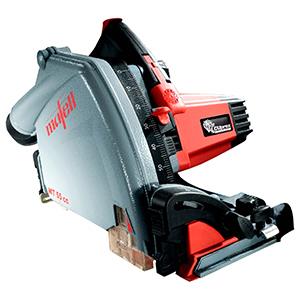
Best for sheet material, worktops, flooring cut-ins, and finish work where clean edges matter. They are slower to set up than a general circular saw, but far better when accuracy and controlled entry cuts are the priority. See Mafell Plunge Saws if that is your bread and butter.
Circular Saws
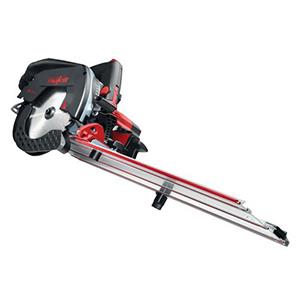
Best for fast, straight through-cuts in timber and general site carpentry. They are usually the better shout for first-fix, roof work, and ripping lengths down quickly, but they are not always the neatest option on finished panels. For that side of the range, look at Mafell Circular Saws.
Jigsaws
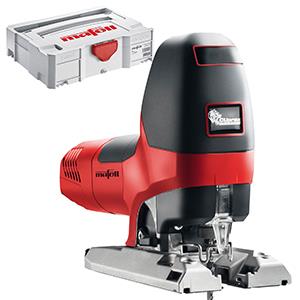
Best when the cut is curved, awkward, or too tight for a circular blade. They are not the first choice for long dead-straight cuts, but they are handy for cut-outs, shaped work, and trimming where manoeuvrability matters more than speed. If that is the job, check Mafell Jigsaws.
Maintenance and Care
Keep the Blade Clean and Sharp
Resin, glue, and fine dust build up fast and make even a good saw feel rough. Clean blades regularly and swap them out when the cut starts slowing, burning, or tearing the face of the board.
Check the Base and Settings
After a knock in the van or on site, check the base plate, bevel stops, and depth settings are still true. A tiny misalignment is enough to spoil a long rail cut or leave joints open.
Look After Rails and Edges
Guide rails need to stay straight, clean, and free from damage underneath. One bit of trapped debris or a battered splinter strip can throw your line off and mark the work.
Clear Dust from Guards and Vents
Packed dust around the guard, motor vents, and moving parts shortens tool life and can affect blade movement. Brush it out after use, especially after cutting MDF, ply, or dusty timber all day.
Store It Properly
Do not chuck an accurate saw loose in the back of the van under pipes and fixings. Keep it cased, keep the rail protected, and keep spare blades dry so the tool is ready to cut straight next time out.
Why Shop for Mafell Saws at ITS?
Whether you need one Mafell saw for clean install work or a full spread of site cutting kit, we stock the proper range in one place. That includes plunge saws, circular saws, blades, rails, and the extras that keep everything working together, all held in our own warehouse and ready for next day delivery.
Mafell Saw FAQs
Is Mafell a German brand?
Yes. Mafell is a German brand, and that shows in the way the saws are put together. The fit, accuracy, and engineering are what make trades buy them when the job needs cleaner cuts and dependable repeat performance rather than just a cheap saw that gets by.
What saws does Mafell make?
Mafell makes circular saws, plunge saws, jigsaws, and other specialist cutting kit aimed at serious timber, joinery, and fit-out work. The range covers everything from fast structural cutting to fine sheet work where finish quality and tracking really matter.
What's the difference between a Mafell plunge saw and a circular saw?
A plunge saw is built for controlled drop-in cuts and cleaner sheet material work, especially with a rail. A circular saw is more of a straight-through cutting tool for timber, carcassing, and quicker general site work. If you are fitting kitchens or cutting panels, plunge usually wins. If you are ripping timber all day, circular is normally the better fit.
Are Mafell saws used with guide rails?
Yes, many Mafell saws are designed to work with guide rails, particularly plunge saws and rail-compatible models. If your job is long straight cuts in sheet material, rails are worth having because they improve accuracy, speed up repeat work, and cut down on wasted boards.
Are Mafell saws available cordless?
Yes, there are cordless Mafell saw options available. They make most sense for roof work, mobile fitting, and jobs where leads get in the way. Just be realistic about runtime and keep enough charged batteries on hand if you are cutting steadily through a full shift.
Are Mafell saws worth it for site work, or are they more workshop kit?
They are absolutely used on site, especially by joiners, roofers, and fit-out teams who need workshop-level accuracy without being stuck in the workshop. They are not bargain tools, but if poor cuts cost you materials and time, the upgrade makes sense.
Do Mafell saws need specific blades, or can I use any blade that fits?
You are always better off using the right blade spec for the saw and material rather than whatever happens to fit the arbor. Tooth count, kerf, and blade quality all affect finish, feed speed, and motor strain, so matching the blade properly is not optional if you want the saw to perform as it should.