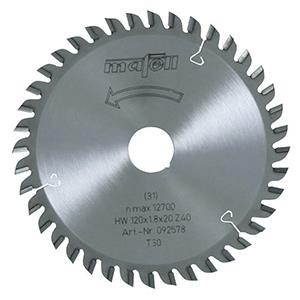
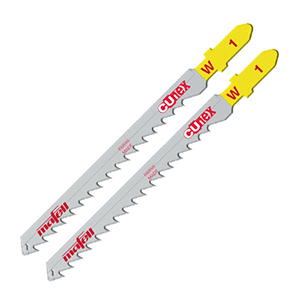
Mafell Saw Blades
Mafell plunge saw blade options are built for clean, accurate cuts in sheet material, solid timber, laminates and site joinery with less tear-out.
If your finish matters, the blade matters just as much as the saw. A proper Mafell plunge saw blade keeps cuts straight, clean and controlled in kitchens, fit-outs and workshop prep. Check diameter, bore and tooth count before you buy, and if you already run Mafell Saws, this is where you keep them cutting properly.
What Are Mafell Plunge Saw Blades Used For?
- Cutting kitchen worktops, veneered boards and finished sheet materials where a rough edge will cost you time in snagging and rework.
- Ripping solid timber and site carpentry stock when you need the saw to feed cleanly without burning or fighting the cut.
- Trimming doors, panels and fitted furniture parts on refurb jobs where clean plunge cuts matter more than brute force.
- Breaking down plywood, MDF and laminate boards in the workshop or on site before installation, with the right tooth pattern for the material.
- Replacing a tired Mafell blade when cut quality drops off, the motor starts labouring, or you are seeing more breakout on the top face.
Choosing the Right Mafell Plunge Saw Blade
Match the blade to the material and finish. Get that wrong and even a good saw will cut like a blunt one.
1. Tooth Count for Finish
If you are cutting veneered board, laminate or anything customer-facing, go for a higher tooth count for a cleaner edge. If you are mostly ripping timber or breaking down sheet fast, a lower tooth count clears waste better and keeps the cut moving.
2. Blade Size and Bore
Do not guess this. Check the saw spec for blade diameter, bore and maximum blade thickness. If the size is wrong, it will not fit properly or it will cut badly, and that is a daft mistake when the details are easy to check.
3. Material Being Cut
For clean timber and sheet goods, stick with blades meant for wood-based materials. If you are regularly on laminates, coated boards or tougher man-made panels, choose a blade built to hold its edge longer under abrasive cutting.
4. Fast Cutting or Fine Work
If the blade is for first breakdown cuts, speed matters and a more aggressive pattern makes sense. If it is for final fitting, trim work or visible edges, slow down and pick the finer blade instead of trying to make one blade do every job badly.
Who Uses These Blades?
- Joiners and kitchen fitters rely on these for clean sheet cuts, scribed panels and worktop trimming where the finish needs to be right first time.
- Chippies doing second fix keep a couple of tooth patterns handy so they can swap between fast timber cutting and finer finished board work.
- Shopfitters and installers use mafell saw blades for repeated accurate cuts in laminates, composites and furniture boards without chewing the face up.
- Workshop teams and bench joiners running Mafell Circular Saws and plunge saws use the correct blade spec to keep production cuts clean and consistent.
Blade Extras That Keep You Cutting Clean
A decent blade is only part of it. A few sensible extras save wasted boards, rough cuts and downtime.
1. Spare Blades
Keep a second blade in the van for when one gets dull or pitch-loaded halfway through a job. It saves you forcing the cut and wrecking an expensive panel just to squeeze one more cut out of a tired blade.
2. Blade Storage Cases
Loose blades thrown in a box get chipped teeth and damaged edges before they even reach site. A proper case keeps them flat, protected and ready to fit.
3. Blade Cleaning Fluid
A lot of blades cut badly because they are caked in resin, not because they are finished. Cleaning them properly can bring back cut quality and stop the saw working harder than it needs to.
4. Replacement Saw Blade Bolts or Flanges
If the fixing hardware is worn, damaged or full of packed dust, blade changes become a nuisance and clamping can suffer. Fresh parts keep blade fitting secure and straightforward.
Choose the Right Mafell Plunge Saw Blade for the Job
Use the material and finish you need as your starting point.
| Your Job | Blade Type | Key Features |
|---|---|---|
| Breaking down sheet timber quickly | Lower tooth count wood cutting blade | Faster feed, better chip clearance, suited to rougher sizing cuts |
| Cutting veneered boards and laminates | Fine finish plunge saw blade | Higher tooth count, cleaner top edge, less tear-out on finished faces |
| Trimming worktops and fitted panels | Precision finish blade | Smooth cut quality, controlled plunge action, better for visible edges |
| General second-fix joinery | All-round timber and board blade | Balanced tooth pattern for clean cuts without sacrificing too much speed |
| Repeated workshop cutting in abrasive boards | Durable carbide tipped blade | Longer edge life, steadier finish over multiple cuts, good for production work |
Common Buying and Usage Mistakes
- Buying on diameter alone and ignoring bore size or blade thickness. It might look close enough, but if it does not match the saw properly, fit and cut quality both suffer.
- Using a fast rip blade for finished laminate or veneered board. You save nothing in the end because breakout, chipping and edge clean-up will slow the whole job down.
- Running a dull blade too long. The saw starts to labour, cuts wander and burning becomes more likely, so swap it out or get it sharpened before it ruins material.
- Assuming all mafell saw blades suit every Mafell saw. Check the exact saw model and blade spec first, especially if you use more than one machine.
- Ignoring resin and pitch build-up. A dirty blade can feel blunt even when the teeth are still sound, so clean it before you bin it.
Fine Tooth vs General Purpose vs Rip Blades
Fine Tooth Blades
Best for laminates, veneered boards, worktops and visible finished cuts. They cut slower, but the cleaner edge is worth it when the panel is staying on show.
General Purpose Blades
A sensible middle ground for mixed site joinery, sheet material and regular timber work. If you only carry one blade, this is usually the least compromise.
Rip Blades
Better for pushing through solid timber quickly with less resistance. They are not the one for delicate laminates or clean decorative edges, where tear-out becomes a problem.
Maintenance and Care
Clean Off Resin Early
Wipe or soak off resin and pitch before it bakes on properly. A clean blade cuts cooler and straighter, and you will get a truer idea of whether it is actually dull.
Store Blades Properly
Do not chuck them loose in a toolbox with screws, fixings and old bits. One chipped tooth is enough to spoil a finish blade and leave marks in the cut.
Check Teeth and Plate Before Use
Look for chipped carbide, missing teeth or any sign the blade plate has warped. If it looks off, do not fit it and hope for the best.
Sharpen When It Makes Sense
A quality blade can often be resharpened if the teeth are sound and the plate is still true. If it has taken a knock, lost teeth or cuts out of line, replacement is usually the better call.
Fit and Clamp Correctly
Keep flanges and mounting faces clean when changing blades. Any dust or debris trapped behind the blade can throw it off and show up straight away in the cut.
Why Shop for Mafell Plunge Saw Blades at ITS?
Whether you need a fine-cut replacement for cabinet work or a tougher option for everyday timber and board cutting, we stock the proper range of Mafell Tools and accessories. That includes Mafell Circular Saw Blades, Mafell Jigsaw Blades and more, all in our own warehouse and ready for next day delivery.
Mafell Saw Blade FAQs
What size blade for mafell plunge saw?
Check the exact model first. Mafell plunge saws do not all take the same blade, so go by the saw handbook or the spec on the machine for diameter, bore and permitted blade thickness. Close enough is not good enough here.
What saw blades does Mafell make?
Mafell makes blades for plunge saws, circular saws and jigsaws, with options aimed at timber, sheet material and finer finish work. The main differences are usually size, tooth count and the type of cut they are meant to leave behind.
How many teeth should a Mafell blade have for a fine finish?
For a finer finish, you generally want a higher tooth count than you would for fast ripping. More teeth usually means a slower cut but a cleaner edge, which is what you want on laminates, veneered board and visible trim work.
Are Mafell blades compatible with other brands' saws?
Sometimes, but do not assume they are. The blade has to match the other saw's diameter, bore, thickness range and safe running spec. If one of those is out, walk away and buy the correct blade for the machine.
How often should a saw blade be replaced or resharpened?
It depends on what you cut and how often, but the signs are obvious enough. If cut quality drops, burning starts, feed pressure goes up or the saw sounds like it is working too hard, clean the blade first, then sharpen or replace it if the edge has gone.