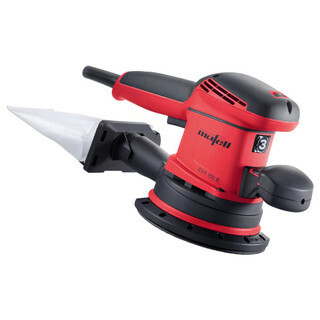
Mafell Sanders
Mafell sander kits are built for fine finishing, clean extraction, and dead-flat results on timber, boards, edges, and site-fitted joinery.
If you're sanding doors, worktops, panels or fitted joinery, a cheap machine soon leaves swirls, dust everywhere, and more rework than it's worth. A proper mafell sander is for chippies, fitters and workshop lads who need control, clean extraction and a finish that's ready for oil, paint or handover. From a mafell orbital sander for fine finishing to a mafell cordless sander for quick snagging without trailing leads, this is the sort of kit you buy once and use properly. If you're already running Mafell Tools, it makes sense to keep the standard right across the van.
What Are Mafell Sanders Used For?
- Finishing timber doors, frames, and site-built cabinets where you need a flat, even surface without leaving deep scratch marks for the decorator to fight later.
- Cleaning up solid wood worktops, stair parts, and edge-banded boards after fitting, especially where a mafell random orbit sander helps knock back joints and prep for oiling.
- Stripping back old coatings, tired varnish, and rough paint on refurb jobs when the surface needs bringing under control before filling, repainting, or resealing.
- Snagging fitted joinery on occupied jobs where a mafell cordless sander saves dragging leads through finished rooms and keeps the last bits tidy without making a mess.
- Working with extraction on MDF, hardwood, and sheet material cuts where dust control matters, especially when paired with Mafell Vacuums & Dust Extractors.
Choosing the Right Mafell Sander
Sorting the right one is simple: match the sanding action to the finish you need, not just whatever's in stock.
1. Random Orbit or Belt
If you're finishing doors, worktops, panels, and joinery, go for a mafell random orbit sander because it leaves a cleaner surface with less risk of gouging. If you're removing more material fast or flattening rough timber, a mafell belt sander is the one that gets through the hard work quicker.
2. Cordless or Corded
If you're moving room to room on snagging, second fix, or occupied properties, a mafell cordless sander saves a lot of faff. If you're bench working all day or sanding bigger runs of material, corded makes more sense for constant runtime and one less thing to think about.
3. Body Only or Full Kit
A mafell sander body only is worth buying if you're already on the battery platform and just need the bare machine. If this is your first step into the range, buy the full kit so you're not stuck waiting on batteries, chargers, or the right extraction setup.
4. Dust Control Matters More Than Most Lads Think
If you're working MDF, hardwood, or inside finished properties, do not ignore extraction. Good dust pickup keeps the abrasive cutting properly, saves cleanup time, and stops the finish being ruined by loose dust dragged back under the pad.
Who Uses These Sanders?
- Chippies use a mafell sander for hanging doors, fitting kitchens, and sorting joints on trim where a hand finish would take too long and still come out uneven.
- Joiners and cabinet makers swear by a mafell orbital sander when they need clean, controlled finishing on panels, hardwood edges, and pre-finished components that cannot be marked up.
- Shopfitters and fit-out teams reach for a mafell cordless sander on live jobs where access is tight, power is awkward, and you need to keep dust and trailing leads to a minimum.
- Decorators and refurb teams use these for flattening filler, keying painted timber, and stripping back problem areas before the final coats go on.
- Maintenance teams keep one in the van for quick repairs to counters, skirtings, window boards, and other timber surfaces that need tidying before handover.
The Basics: Understanding Mafell Sanders
Sanders do different jobs depending on how they move and how aggressively they cut. Here's the simple version so you do not end up with the wrong machine for the work in front of you.
1. Orbital and Random Orbit Sanders
A mafell orbital sander is built for controlled finishing and surface prep. A mafell random orbit sander adds a spinning motion as well, which helps remove material quicker while keeping swirl marks down, so it suits worktops, doors, panels, and finer joinery.
2. Belt Sanders
A mafell belt sander uses a moving abrasive belt to shift material fast. This is the one for flattening rough timber, knocking down high spots, and stripping tired surfaces before you move on to finer sanding.
3. Extraction Changes the Finish
Dust extraction is not just about keeping site tidy. When the dust is pulled away properly, the abrasive cuts cleaner, runs cooler, and lasts longer, which means a better finish and less time going back over the same patch.
Mafell Sanding Accessories That Save Time on Site
The right extras stop wasted abrasives, poor extraction, and too many walks back to the van.
1. Abrasive Sheets and Discs
Keep a proper spread of grits on hand so you're not trying to strip finish and do final prep with the same paper. That is how you clog discs, burn timber, and leave more sanding for yourself later.
2. Dust Bags
A spare set of Mafell Dust Bags is worth it for quick jobs, small rooms, or when dragging extraction in is more hassle than the task deserves. Better that than filling a finished room with fine dust.
3. Extraction Hoses and Vacuum Setup
Get the hose and extractor sorted properly and the machine works better straight away. You will notice cleaner abrasive cutting, less dust on painted surfaces, and far less cleanup at the end of the day.
4. Tool Bags and Storage
Keeping the sander, abrasives, and leads together in Mafell Tool Bags & Totes stops pads getting damaged and discs going missing under a pile of other kit in the van.
Choose the Right Mafell Sander for the Job
Use this quick guide to narrow it down before you buy.
| Your Job | Category or Type | Key Features |
|---|---|---|
| Finishing doors, frames, and fitted joinery | Mafell orbital sander | Controlled sanding action, good dust pickup, cleaner finish on visible timber |
| Preparing worktops and cabinet panels | Mafell random orbit sander | Fast stock removal with a finer finish, reduced swirl marks, suits hardwood and boards |
| Stripping coatings and flattening rough timber | Mafell belt sander | Higher removal rate, strong tracking, better for heavier prep work |
| Snagging in finished rooms or occupied properties | Mafell cordless sander | No trailing lead, quicker room-to-room work, easier on small adjustment jobs |
| Adding to an existing battery setup | Mafell sander body only | Lower upfront cost, ideal if you already own compatible batteries and charger |
Common Buying and Usage Mistakes
- Buying a belt sander for finish work is a common one. It removes material fast, but on doors, worktops, and visible joinery it can leave you with more cleanup and levelling work than you started with.
- Using the wrong grit to save changing paper wastes time. Starting too fine clogs the abrasive and gets nowhere, while finishing too coarse leaves scratches that show straight through oil, stain, or paint.
- Ignoring dust extraction is false economy. Poor dust control shortens abrasive life, fills finished rooms with mess, and can spoil the surface by trapping debris under the pad.
- Leaning too hard on the machine does not make it cut better. It slows the sanding action, heats the abrasive, and can leave uneven patches that need going over again.
- Buying body only without checking your battery setup catches plenty of lads out. Make sure your batteries, charger, and runtime actually suit the job before you head to site with half a kit.
Random Orbit vs Orbital vs Belt Sanders
Random Orbit Sander
This is the all-rounder for most joinery and finishing jobs. It removes stock quicker than a standard orbital and leaves a better surface than a belt sander, which is why it is often the safe choice for worktops, doors, and visible timber.
Orbital Sander
An orbital sander suits lighter prep, finish sanding, and controlled work on flatter surfaces. It is less aggressive, so it gives you more feel, but it will take longer if you're trying to remove coatings or flatten rough stock.
Belt Sander
A belt sander is the brute of the group. It is the right pick for stripping paint, flattening timber, and taking down high spots fast, but it needs a careful hand if the final finish matters.
Cordless vs Corded
Cordless suits snagging, quick adjustments, and jobs in finished areas where leads just get in the way. Corded still earns its keep for longer bench work and bigger sanding runs where constant power matters more than mobility.
Maintenance and Care
Keep the Pad Clean
Brush off packed dust and check the hook and loop face after each job. If the pad gets clogged or damaged, discs stop sitting flat and the finish goes off quickly.
Empty Dust Collection Regularly
Do not wait until the bag is rammed full. A packed bag chokes airflow, hurts extraction, and leaves more dust under the abrasive where it does the damage.
Change Abrasives Before They Are Dead
Worn paper just polishes and burns rather than cuts. If you are pressing harder to get anything done, the abrasive is finished and needs replacing.
Store It Properly
Keep the machine dry, the pad protected, and the discs flat in storage. Throwing it loose in the van is how you end up with damaged backing pads and creased abrasives before the day starts.
Check Hoses, Leads, and Battery Contacts
A split hose kills extraction, a damaged lead is asking for trouble, and dirty battery contacts can cause stop-start performance. A quick check before site saves hassle once the job is underway.
Why Shop for Mafell Sanders at ITS?
Whether you need a compact mafell cordless sander for snagging, a mafell orbital sander for fine finishing, or you are comparing the range of Mafell Random Orbit Sanders, we stock the lot in one place. That includes machines, body only options, and the mafell sanding accessories that keep them working properly. It is all held in our own warehouse and ready for next day delivery, so you can get the right kit on site without hanging about.
Mafell Sander FAQs
What is the best sander on the market?
There is no single best sander for every job. If you are finishing joinery and fitted timber, a quality Mafell random orbit or orbital model is hard to fault for control, dust pickup, and surface finish. If you are stripping heavy paint or flattening rough stock, a belt sander will do the job faster. Match the machine to the work, otherwise you just make extra effort for yourself.
What do you use a palm sander for?
A palm sander is mainly for lighter prep and finish sanding on flat timber, filler, painted surfaces, and smaller trim pieces. It is handy for keying surfaces between coats and tidying edges, but it is not the tool for ripping off thick coatings or flattening badly uneven boards.
What is the best sander for wood worktops?
For wood worktops, a random orbit sander is usually the right shout. It gives you decent stock removal without leaving obvious straight-line scratches, so it is far easier to get a clean finish ready for oil or sealer. Start with the grit the surface needs, then work up properly rather than trying to do the whole lot with one disc.
What kind of sander is best for removing paint?
If the paint is thick, flaky, or covering a rough old surface, a belt sander is usually quicker and more effective. For lighter paint removal where you still care about the surface underneath, a random orbit sander gives you more control. Either way, use extraction where you can and do not stay on one spot too long or you will dig in.
Does the Mafell sander have dust extraction?
Yes, dust extraction is a key part of the setup on Mafell sanders, and it makes a real difference in use. With proper extraction connected, you get a cleaner finish, less clogging, and far less mess in finished rooms. For the best result, pair it with suitable extraction rather than relying on half-full bags and hope.
Is a Mafell sander body only worth buying?
Yes, if you already own compatible batteries and charger and you know the runtime suits your workload. If you do not, body only can be a false saving because you will still need power sorted before the tool earns its keep.