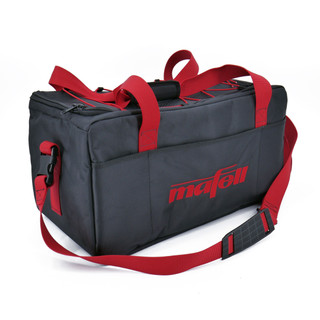
Mafell Tool Bags & Totes
A Mafell tool bag keeps your core kit together when you are in and out of the van all day, carrying the bits you actually reach for on first fix and fitting work.
If hard cases are overkill for the job, a Mafell tool tote or holdall makes more sense for hand tools, fixings, leads and day-to-day gear. This is Mafell Tool Bags and carriers built for proper site use, with tough fabrics, practical layouts and bases that put up with being dragged in and out of workshops, vans and refurbs.
What Are Mafell Tool Bags Used For?
- Carrying your everyday hand tools, fixings and small power tool accessories from the van into flats, refurbs and second-fix jobs without lugging a full stack of cases.
- Keeping Mafell tool storage organised in the workshop or on site, so blades, chargers, leads and layout gear are not loose in the back of the van by lunchtime.
- Moving lighter kit between rooms when you are fitting kitchens, trimming doors or doing snagging, where a soft Mafell tool tote is quicker than dragging a box everywhere.
- Storing job-specific gear together, so your rail accessories, measuring kit or install bits stay in one Mafell tool bag ready for the next call-out.
Choosing the Right Mafell Tool Bag
Sorting the right one is simple: buy for what you carry every day, not what looks tidy empty in the van.
1. Tote or Holdall
If you want fast access to hand tools and bits while you work, go for an open Mafell tool tote. If you need to keep kit covered in the van or moving between jobs in poor weather, a zipped Mafell tool holdall is the better shout.
2. Soft Storage or Hard Case
If the kit is delicate, expensive or needs stacking with the rest of your loadout, stick with the case system. If it is everyday gear like tapes, blades, leads and hand tools, a soft Mafell tool bag is quicker to carry and easier to pack.
3. Base and Structure
Do not ignore the base. If the bag is going on rough floors, wet slabs or in and out of the van all week, a rigid or reinforced base matters because it stops the bottom sagging and keeps the bag standing up while you work out of it.
4. Match It to the Rest of Your Kit
If you already run Mafell Tools, it makes sense to keep your storage in the same setup. That way your accessories, daily carry items and machine-specific extras stay together instead of ending up split across three different bags.
Who Uses These on Site?
- Chippies and joiners use a Mafell tool bag for keeping hand tools, squares, blades and fixings close when they are moving room to room on first-fix and finish work.
- Kitchen fitters swear by this sort of storage because it keeps the small gear together, so they are not forever walking back to the van for drivers, packers and fittings.
- Site carpenters using Mafell Power Tools often keep a separate carrier for rails, accessories and daily-use bits that do not need a full hard case.
- Workshop teams and installers reach for a Mafell tool tote when they need quick access to core kit on benches, in vans and on short-duration fitting jobs.
Useful Extras for Mafell Tool Storage
A decent bag does the carrying, but these extras stop your gear getting mixed up, damaged or left behind.
1. Guide Rail Bags
If you are carrying rails loose, you are asking for dents, dirt and awkward loading. Mafell Guide Rail Bags keep long gear protected and separate from the rest of your daily kit.
2. Hard Cases and Storage Boxes
Use the bag for the gear you grab all day, then keep your machine and precision kit in proper cases. It is the easiest way to stop blades, chargers and accessories bouncing around together.
3. Coolboxes
Not every bit of Mafell storage is for tools. Mafell Coolboxes make sense for van crews and fitters doing long days away from the workshop, keeping food and drinks separate from dusty gear.
Choose the Right Mafell Tool Bag for the Job
Use this quick guide to sort the right storage for how you actually work.
| Your Job | Mafell Tool Bag or Type | Key Features |
|---|---|---|
| Daily first-fix and second-fix carrying | Open tool tote | Quick access, easy loading, good for hand tools, fixings and bits you need all day |
| Van to site moves in poor weather | Zipped tool holdall | Better cover from dust and light rain, tidier transport, keeps loose gear contained |
| Keeping accessories with a specific machine setup | Dedicated tool carrier | Separates blades, guides, leads and fittings so one job kit stays together |
| Heavy or awkward gear on rough floors | Bag with rigid base | Stands upright, takes abuse better, less sagging when loaded up |
Common Buying and Usage Mistakes
- Buying a soft bag when the kit really needs a hard case is a common one. Precision tools and expensive machines get knocked about fast if they are loose in a holdall, so keep soft bags for daily carry gear and accessories.
- Overloading the bag with everything you own just wrecks the shape and your shoulders. Split heavy kit across cases and carriers so the bag stays useful instead of becoming dead weight.
- Ignoring the base is where a lot of cheaper bags let you down. A weak bottom sags, tips over and wears through quickly on concrete, so look for a rigid or reinforced base if it is seeing proper site use.
- Using one bag for mixed fixings, blades, leads and hand tools wastes time on the job. Keep bags task-based so you are not tipping everything out on a finished floor looking for one adaptor.
Tool Tote vs Holdall vs Hard Case
Open Tool Tote
Best when you need quick access and you are constantly in and out of the bag. Ideal for hand tools and install gear, but it gives less protection from dirt and weather in the van.
Zipped Holdall
Better for carrying loose kit between jobs and keeping everything together in transit. It is the sensible middle ground if you want soft storage with a bit more protection.
Hard Case
The one for expensive machines, stacking and better impact protection. Less convenient for rummaging through day-to-day hand tools, but far better for storing kit that cannot afford knocks.
Maintenance and Care
Empty Out the Dust and Swarf
Do not leave sawdust, screws and sharp offcuts sitting in the bottom for weeks. Shake the bag out regularly so the lining and stitching are not getting chewed up every time you lift it.
Dry It Properly
If the bag gets wet in the van or on site, empty it and let it dry before loading it again. That stops damp getting into tools and keeps the fabric from ending up musty.
Check Handles and Zips
Handles, zip pulls and base stitching take the punishment first. Give them a quick look before a heavy lift, because a torn handle halfway across a car park is a stupid problem to create for yourself.
Store by Job, Not by Overflow
Use the bag for the kit it was meant to carry. If it has become a dumping ground for spare fixings, old blades and dead batteries, clear it out and reset it before the next job.
Why Shop for Mafell Tool Bags at ITS?
Whether you need a Mafell tool bag for everyday carry, a Mafell tool tote for quick access on fitting jobs, or wider Mafell tool storage to sort the van out properly, we stock the proper range. It is all held in our own warehouse and ready for next day delivery, so you can get the right storage on site without hanging about.
Mafell Tool Bag FAQs
What tool bags does Mafell make?
Mafell makes practical soft storage such as tool bags, totes and carriers for transporting everyday kit, accessories and job-specific gear. The range is aimed at keeping tools organised between the van, workshop and site rather than replacing every hard case in your setup.
Are Mafell tool bags water resistant?
They are built for trade use and will cope with normal site conditions, splashes and damp van floors, but treat them as water resistant rather than fully waterproof unless the individual spec says otherwise. Fine for everyday graft, not something to leave out in heavy rain all day.
Do Mafell tool bags work with the Mafell case system?
Yes, they work alongside it well, but they are not a straight replacement for rigid cases. Use the bag for quick-grab tools, leads and accessories, then keep your machine kit and more delicate gear in the proper Mafell case system where it is protected and stackable.
Are Mafell tool bags sold empty or with tools?
Most Mafell tool bags are sold as storage only unless the listing clearly says otherwise. Always check the product detail before ordering, because the photos often show how the bag can be used, not necessarily everything included.
Does the Mafell tool bag have a rigid base?
Some do, some use a reinforced structure, so it depends on the exact model. If the bag is going on concrete floors, in and out of the van or carrying heavier kit, it is worth choosing one with a rigid base because it stands better and wears slower.
Will a Mafell tool tote hold a full machine kit?
For most full machine kits, no, and it is not really the point. A tote is better for hand tools, accessories and the bits you need at arm's reach. If you are carrying a plunge saw, rail and all the extras, split that load properly between bags and cases.