









VDE Tools
VDE screwdriver sets are crucial for electrical work, offering safety and precision. These insulated tools protect against electric shocks, making them essential for electricians.
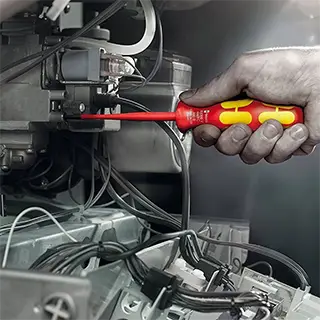
When you're working around live circuits, having the right VDE screwdriver set isn't just about getting the job done-it's about doing it safely. These sets are designed to keep you protected, with insulation that guards against electrical currents. Whether you're installing a new socket, fixing a fuse box, or doing any kind of electrical maintenance, these tools are your first line of defence. With options ranging from compact sets for on-the-go fixes to comprehensive kits for full installations, there's a VDE set for every job. Get yours and ensure you're prepared for any electrical task.
What Jobs Are VDE Screwdriver Sets Best At?
- Safely installing sockets and switches in domestic or commercial settings where live wires are present.
- Maintaining fuse boxes and circuit breakers, ensuring connections are secure without the risk of electric shock.
- Performing electrical inspections and repairs, offering peace of mind with insulated protection against live currents.
- Working on lighting installations or adjustments, where precision and safety are paramount.
- Providing reliable service for any task involving electrical systems, from DIY home projects to professional site work.
Choosing the Right VDE Screwdriver Set
Here's the deal for picking the right VDE screwdriver set: match it to the job, not the other way around. Don't compromise on safety or quality.
1. Set Size and Variety
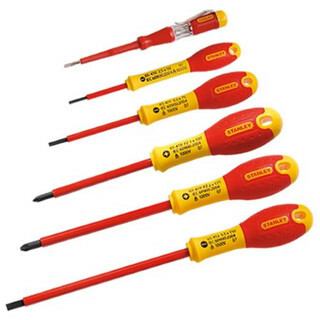
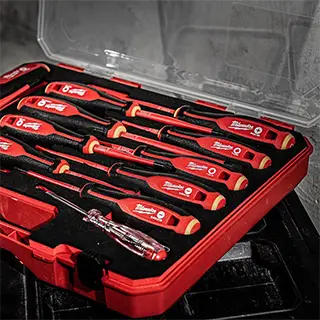
If you're doing varied electrical work, opt for a comprehensive set with different sizes and heads. For occasional use, a basic set covers most tasks.
2. Insulation Quality
Ensure the set is fully VDE certified for 1000V protection. This is non-negotiable for professional electricians handling live circuits.
3. Ergonomic Design
Choose handles that offer comfort and grip, especially if you're working long hours. A good grip reduces fatigue and enhances precision.
VDE Screwdriver Set FAQs
When to use a VDE screwdriver?
Use a VDE screwdriver whenever you're working on or near live electrical circuits. They're designed to prevent electric shocks and ensure safe handling of electrical components.
Are VDE screwdrivers only for electricians?
No, while they are essential for electricians, VDE screwdrivers are also useful for anyone working with electrical systems, including DIYers and maintenance staff, due to their safety features.
What makes VDE screwdrivers different from regular ones?
VDE screwdrivers are insulated to protect against electric shocks, unlike regular screwdrivers. They're tested and certified to handle up to 1000 volts, making them essential for electrical work.
Can I use a VDE screwdriver set for non-electrical tasks?
Yes, you can use them for non-electrical tasks, but their main advantage is insulation for electrical work. For general tasks, regular screwdrivers are sufficient unless safety is a concern.
Who Uses VDE Screwdriver Sets?
- Electricians who need reliable, insulated tools for safe electrical installations and repairs.
- Maintenance teams ensuring electrical systems are safely and efficiently serviced.
- DIY enthusiasts handling home electrical projects where safety cannot be compromised.
- Site managers requiring tools that comply with safety regulations for electrical work.
The Basics: Understanding VDE Screwdrivers
VDE screwdrivers are specially designed tools that provide electrical insulation for safety. Here's how they keep you protected on the job.
1. Insulation Standards
VDE certification means each tool is tested to withstand up to 1000 volts, ensuring you're shielded from electrical currents during work.
2. Precision and Safety
These screwdrivers offer not only electrical protection but also high precision for fastening screws in electrical components safely.
Essential Accessories for Your VDE Screwdriver Set
Maximise your VDE screwdriver set's effectiveness with these must-have accessories:
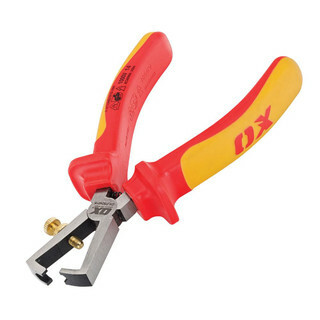
1. Insulated Pliers
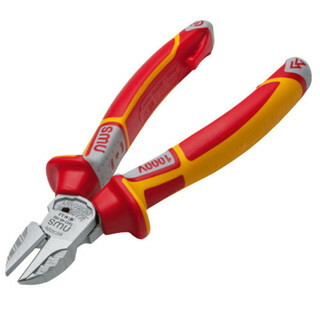
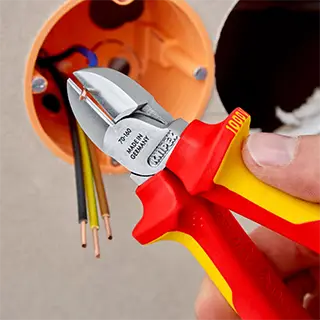
Pair your screwdrivers with insulated pliers for safe wire cutting and manipulation, reducing risk during electrical work.
2. Tool Roll or Case
Keep your VDE tools organised and protected with a sturdy tool roll or case, ensuring they're easy to transport and access on site.
Shop VDE Screwdriver Sets at ITS
We offer a comprehensive range of VDE screwdriver sets, covering everything from basic kits to professional-grade options. All are stocked in our warehouse for next-day delivery, ensuring you have the right tools when you need them.