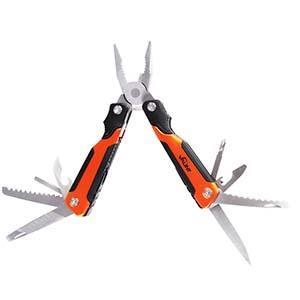
Cutting Tools
Cutter tool range for clean, controlled cuts on site, from trimming sheet and flooring to opening boxes and scoring materials without tearing or slipping.
When you're cutting all day, the wrong cutter is what nicks fingers, chews edges, and wastes time swapping blades. A proper cutter tool gives you a solid grip, positive blade lock, and predictable control, whether you're scoring plasterboard, trimming vinyl, or slicing insulation. Pick the right handle and blade type for the material and you'll cut faster, straighter, and safer.
What Jobs Are Cutter Tools Used For?
- Cutting plasterboard, insulation and membrane on first fix where a clean score and snap saves dust and keeps edges tidy for boarding.
- Trimming flooring, vinyl, carpet backing and underlay during fit-out, where a sharp blade and stable handle stops you tearing the finish.
- Opening banded deliveries, boxes and pallet wrap in the yard or on site without stabbing what's inside or snapping cheap blades.
- Cutting roofing felt, DPM and tape lines on refurbs, where controlled pressure and a proper blade lock stops the blade creeping back in use.
- Shaping plastics, foam and packaging around installed kit, where a fresh blade gives you a neat edge instead of ragging it and leaving snags.
Choosing the Right Cutter Tool
Sorting the right cutter tool is simple: match the handle and blade style to what you cut most, not what's cheapest on the shelf.
1. Blade type and availability
If you're cutting rough, abrasive stuff like insulation and board all week, go for a cutter that takes common, easy-to-find blades so you can swap fast and keep it sharp. If you're doing finer trimming, pick the blade style that gives you control rather than forcing a thick blade through delicate finishes.
2. Blade lock and change system
If you're pushing hard or cutting overhead, you need a positive lock that does not creep under pressure. If you're constantly snapping tips or swapping blades, a quick-change design saves time, but it still needs to clamp the blade properly or it will chatter and wander.
3. Handle shape and grip
If you're cutting for hours, pick a handle that fills the hand and stays grippy when dusty or wet, because skinny, slippery bodies are what cause slips and sore wrists. If it lives in a pocket, choose a slimmer profile, but do not sacrifice control for compactness.
4. Fixed blade, folding, or retractable
If you want the safest pocket carry, retractable is the sensible choice, especially around other tools and fixings. If you need maximum strength for heavier cuts, a fixed blade style is more rigid, but it needs a proper sheath and a bit more care on site.
Who Are These For on Site?
- Chippies and dryliners scoring board, trimming shims and cutting insulation, because a stable cutter tool keeps lines straight without fighting the material.
- Floorlayers and decorators doing finish work, where a sharp blade and comfortable grip stops you dragging edges and marking surfaces.
- Roofers and general builders cutting felt, membranes and tape, because a dependable blade lock matters when you're working one-handed up a ladder.
- Maintenance teams and site managers for day-to-day opening, trimming and snagging, because a decent cutter lives in the pocket and gets used constantly.
How Cutter Tools Work for You
A cutter looks simple, but the way the blade is held and guided is what decides whether you get clean cuts or constant slips and snapped tips.
1. Scoring versus slicing
For sheet materials like plasterboard and some plastics, you want a firm score line you can snap cleanly, so control matters more than brute force. For softer materials like wrap, foam and felt, a smooth slicing action with a sharp edge stops tearing and leaves a tidy finish.
2. Blade extension and stability
The more blade you hang out, the more it flexes, so keep it short unless you genuinely need reach. A stable blade held tight in the body tracks straighter and is less likely to snap when you hit a staple, grit, or a hidden screw head.
3. Locking and safe carry
A proper lock keeps the blade where you set it, which is what stops sudden retraction mid-cut. For pocket carry, retractable or folding designs keep the edge covered so you are not shredding pockets or catching yourself when you kneel down.
Cutter Tool Accessories That Keep You Moving
The cutter is only as good as the blade and how you carry it, so these add-ons stop downtime and stop damaged kit.
1. Spare blades and blade dispensers
A fresh blade is the difference between a clean cut and a torn edge, so keep spares on you and change early instead of forcing it and slipping. A dispenser keeps blades tidy and stops loose blades floating around the van.
2. Holsters and belt clips
A holster or clip keeps the cutter tool in the same place every time, which matters when you are up steps or moving materials and cannot be digging through pockets. It also protects the tool and stops the blade catching on clothing.
3. Safety knife lanyards
If you are working at height, a lanyard stops the cutter getting dropped onto someone below and saves you climbing down to fetch it. It is a simple add-on that pays for itself the first time it prevents a fall or a lost tool.
Shop Cutter Tools at ITS
Whether you need a single cutter tool for the pocket or you're stocking up on a proper professional cutter tool setup with spare blades, we've got the range to suit site work and finishing work. It's all stocked in our own warehouse and ready for next day delivery, so you can order what you need and crack on tomorrow.
Cutter Tool FAQs
What is the best cutter tool for professional use?
The best professional cutter tool is the one with a solid, no-play blade lock, a comfortable grip you can hold all day, and blades you can buy anywhere in a hurry. If it flexes, creeps, or feels slippery with dusty hands, it will cost you time and it will bite you eventually.
How do I choose the right cutter tool?
Start with what you cut most. For board and sheet, you want control for scoring and a lock that holds firm. For wrap, felt and insulation, you want a sharp blade and a handle that will not twist in the hand. If it's living in your pocket, go retractable or folding so you are not carrying an exposed edge.
What are the key features to look for in a cutter tool?
Look for a positive blade lock, easy blade changes without fiddling, and a grip that stays secure when wet or dusty. A rigid body that does not flex under pressure is what keeps cuts straight, and it is also what stops blades snapping when you hit grit or hidden fixings.
Do I really need to change blades that often, or can I just keep using it?
Change them early. A dull blade makes you push harder, and that is when cutters slip and finishes tear. If you are forcing it through material, the blade is already past it, and you are better off swapping than risking a nasty slice.
Are retractable cutter tools strong enough for site work?
Yes, for most day-to-day cutting, as long as the lock is decent and you keep the blade extension sensible. Where retractables struggle is when people hang the blade right out and start levering or twisting, which will flex and snap tips on any knife.