Chemical Fixings
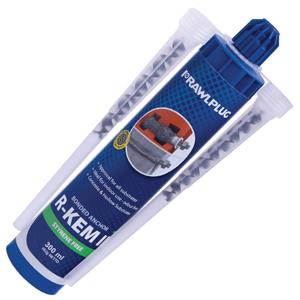
These are chemical fixings, essential for securing heavy loads and structures where traditional anchors fall short. Ideal for installations in concrete, brick, or stone, they ensure robust stability in structural work, curtain walling, or installing support beams. After prepping your hole, the resin sets fast, bonding with the substrate to provide a hold that mechanical fixings can't match.
What Are Chemical Fixings Used For?
- Anchor large steel beams or heavy machinery to concrete floors where precision and strength are critical.
- Secure curtain walls or façade systems to building exteriors, ensuring they withstand wind and weather loads.
- Install safety barriers and railings on high-impact areas like car parks or public spaces, where traditional fixings may fail.
- Fix signage and lighting installations securely to masonry walls, preventing loosening over time.
Who Uses Chemical Fixings?
- Structural engineers and builders needing reliable anchoring for load-bearing elements.
- Facade installers securing panels and systems to external walls.
- Maintenance teams reinforcing existing structures or installing new safety features.
- Electricians and plumbers for heavy-duty installations like large conduit brackets or heavy fixtures.
Choosing the Right Chemical Fixings
Selecting the right chemical fixing involves considering load requirements, substrate type, and environmental conditions.
1. Load Capacity
For high load-bearing applications, opt for a fixing with a high tensile strength and shear capacity. This is crucial for structural applications or heavy machinery installation.
2. Substrate Compatibility
Choose a resin that bonds effectively with your substrate, whether it's concrete, stone, or brick. Different materials can affect the curing time and bond strength.
3. Environmental Resistance
For outdoor or high-moisture environments, select a chemical fixing that offers resistance to weather and corrosion, ensuring longevity and safety.
Essential Accessories for Chemical Fixings
Ensure your chemical fixings are installed correctly and perform optimally with these must-have accessories:
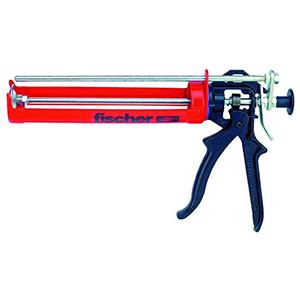
1. Dispensing Gun
A heavy-duty dispensing gun is crucial for applying resin evenly and accurately into drilled holes, ensuring a strong bond.
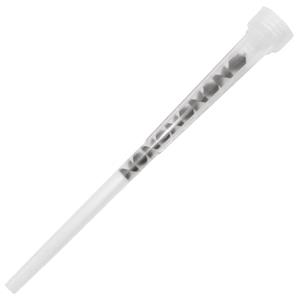
2. Static Mixer Nozzles
These nozzles mix the resin components thoroughly as you dispense, ensuring consistent curing and maximum strength.
Chemical Fixings FAQs
How long does it take for chemical fixings to cure?
Curing times vary, but most chemical fixings set within 20 to 45 minutes, reaching full strength in 24 hours. Check manufacturer guidelines for specifics.
Can chemical fixings be used in wet conditions?
Yes, but you need a resin designed for damp or submerged environments to ensure proper bonding and curing.
Are chemical fixings reusable?
No, once a chemical fixing has set, it cannot be removed and reused. Each application requires fresh resin and preparation.