Dewalt Hammers & Mallets
DeWalt hammer range for day-in, day-out site bashing, from a DeWalt claw hammer for nails to brick and framing hammers for rough work.
When you're pulling fixings, knocking studs into line, or dressing blockwork, a cheap hammer soon loosens up and starts hurting your wrist. DeWalt hammers are built for proper site abuse with balanced heads, solid handles, and faces that don't mushroom after a week. Pick the right pattern for the job and you'll hit cleaner, pull straighter, and waste less time fighting your tools.
What Jobs Are DeWalt Hammers Best At?
- Driving nails and pulling them back out cleanly during first-fix timberwork, where a DeWalt claw hammer saves you reaching for a pry bar every five minutes.
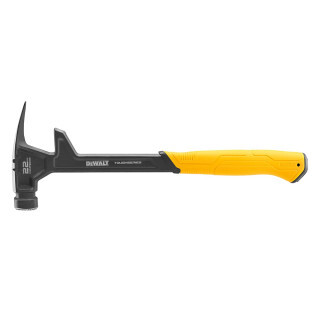
- Setting out and knocking stud walls, door linings, and packers into position, where a well-balanced DeWalt framing hammer lands square without glancing off.
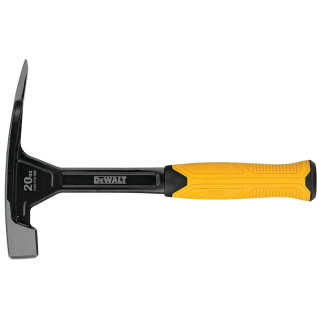
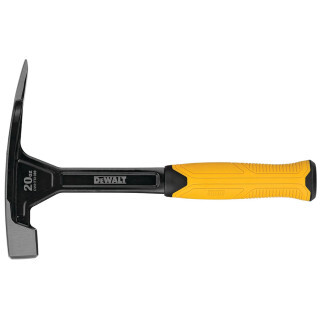
- Dressing brick and block on small alterations, chasing out corners, or trimming down cuts, where a DeWalt brick hammer gives you controlled strikes without shattering faces.
- General demolition and strip-out work like lifting floorboards, breaking fixings, and persuading stubborn materials apart, where a tougher DeWalt hammer takes repeated impacts without loosening up.
Choosing the Right DeWalt Hammer
Match the hammer pattern to what you're actually hitting and pulling, because the wrong one just wrecks materials and your elbow.
1. Claw hammer vs framing hammer
If you're on second-fix, general carpentry, and snagging, a DeWalt claw hammer is the sensible daily driver for nailing and pulling. If you're doing repetitive first-fix or bigger timber, go DeWalt framing hammer for the heavier strike and faster driving.
2. Brick hammer vs general striking
If you're trimming brick and block or tapping cuts into place, pick a DeWalt brick hammer so you're not chewing up a claw face or cracking units. If you're mainly pulling fixings and knocking timber about, stick with a DeWalt claw hammer and keep brickwork tools for brickwork.
3. Weight and handle feel
If you're swinging it all day, don't just grab the heaviest head on the shelf, because it will wear you down and your accuracy goes. Choose a weight you can control one-handed on a ladder, and a handle that doesn't twist in your grip when you're striking off-centre.
Who Uses DeWalt Hammers on Site?
- Chippies and joiners doing first-fix, because a DeWalt claw hammer pulls nails straight and sits right in the hand when you're swinging all day.
- Brickies and general builders on refurbs, because a DeWalt brick hammer is handy for trimming and tapping blocks without dragging a bolster out for every small tweak.
- Roofers and framing crews, because a DeWalt framing hammer gives you the reach and strike for bigger nails and repetitive fixing without feeling sloppy.
- Maintenance teams and site labourers, because a tough DeWalt hammer is the grab-and-go tool for quick strip-out, lifting, and on-the-spot adjustments.
Hammer Accessories That Save Time on Site
A couple of small add-ons stop lost tools, missed strikes, and unnecessary trips back to the van.
1. Hammer holster
A holster keeps your DeWalt hammer where it should be when you're up steps or moving materials, instead of balancing it on a joist and watching it bounce down a stairwell.
2. Wrist lanyard
A lanyard is worth having for ladder work and awkward reaches, because it stops a dropped hammer becoming a near miss and saves you climbing down to fetch it every time.
3. Nail puller bar
When you're stripping out or lifting boards, a proper nail puller takes the strain off your DeWalt claw hammer and gives you cleaner leverage without bending nails into the timber.
Shop DeWalt Hammers at ITS
Whether you need a single DeWalt hammer for the tool bag or you're sorting a few lads out with DeWalt hammers for first-fix and general building work, we've got the range. It's all stocked in our own warehouse and ready for next day delivery, so you're not waiting around when the job's already started.
DeWalt Hammer FAQs
Which DeWalt hammer should I buy for general site carpentry?
If you're doing a mix of fixing, snagging, and the odd bit of first-fix, start with a DeWalt claw hammer. It covers driving nails and pulling them back out without carrying extra bars for every small job.
Is a DeWalt framing hammer worth it, or is it just heavier?
It's worth it if you're driving bigger nails repeatedly in timber framing or first-fix, because the extra mass and longer handle give you faster driving with fewer swings. If you mainly do second-fix and light work, the extra weight is just fatigue you don't need.
Can I use a DeWalt claw hammer on brick and block?
You can tap the odd thing into place, but don't use it as a brick hammer day-to-day. You'll damage the striking face and you're more likely to chip units, so for regular masonry tweaks a DeWalt brick hammer is the right tool.
What's the real difference between a cheap hammer and a DeWalt hammer on site?
The difference shows up after a few weeks of abuse. A better DeWalt hammer stays tight, feels balanced, and keeps a usable face, whereas cheap ones tend to loosen, twist in the hand, and start marking work or sending shocks up your arm.
How do I stop my hammer going missing or getting dropped off ladders?
Use a holster on your belt or tool rig so it has a home, and add a wrist lanyard for ladder and scaffold work. It sounds basic, but it stops the constant "where's my hammer" and reduces the risk of dropping it onto someone below.