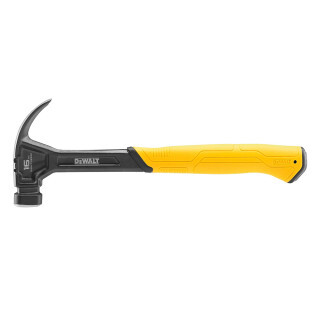
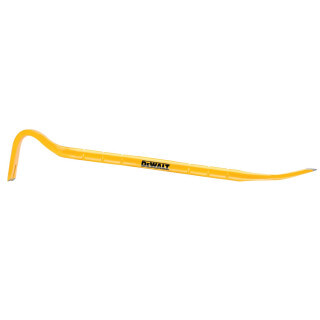
Dewalt Demolition and Construction Tools
DeWalt demolition tools are built for stripping out, breaking back and prising apart tough site materials without bending or letting go mid-job.
When you're pulling apart stud, lifting floorboards, knocking out block or cleaning up brickwork, this is the sort of kit that earns its place in the van. DeWalt construction tools and DeWalt demolition hand tools are made for real site abuse, with solid striking faces, bars that get under stubborn fixings, and grips that stay useful when your hands are dusty. If you're sorting first fix rip-out, refurb prep or general site clearances, buy the bits that take the punishment and get on with it.
What Are DeWalt Demolition Tools Used For?
- Stripping out old timber, sheet material and fixings on refurb jobs is where DeWalt demolition tools come into their own, especially when you need bars and striking tools that will not twist under load.
- Breaking back block, brick edges and stubborn site materials is easier with DeWalt construction tools built for repeated hammering rather than light DIY use.
- Lifting floorboards, removing skirting and opening up nailed sections for inspection or replacement is quicker with DeWalt demolition hand tools that give proper leverage without chewing everything to bits.
- Working through snagging, repair and small construction tasks on busy sites suits this range well, because you can move from prising to striking without dragging out powered kit for every little job.
- Clearing up after first fix or preparing an area for fresh install is exactly the sort of work these DeWalt site demolition tools are made for, whether you are in a house bash-up, unit fit-out or general maintenance job.
Choosing the Right DeWalt Demolition Tools
Sorting the right one is simple: match the tool to the abuse it is going to take, not just the task written on the packet.
1. Bars for Pulling and Prying
If the job is strip-out, nail pulling or opening up timber and boards, start with DeWalt demolition bars. Go longer if you need leverage on stubborn sections. Go shorter if you are working in tight rooms, cupboards or between joists.
2. Hammers for General Site Abuse
If you need one of the main all-round striking tools, look at DeWalt hammers and mallets. For repeated daily use, pick the shape and weight that suits your trade, because too light wastes effort and too heavy soon does your arm in.
3. Brick and Masonry Work
If you are dressing brick, trimming mortar lines or doing masonry clean-up, go straight to DeWalt brick hammers. A standard claw hammer is the wrong answer here and usually ends in slower work and a battered tool.
4. Trade-Specific Striking Jobs
If your work is more specialised, such as controlled striking, setting or material-specific tasks, check DeWalt specialist hammers. They make more sense than trying to force a general-purpose hammer to do a job it was never meant for.
Who Uses These on Site?
- Builders and labourers reach for DeWalt demolition tools when they are stripping rooms back, pulling fixings, lifting boards and dealing with the rough work before the tidy trades come in.
- Brickies and groundworkers use the striking side of the range for breaking back edges, cleaning up masonry and handling stubborn materials that need a proper hit rather than a gentle tap.
- Chippies keep DeWalt demolition hand tools close for refurbs, especially when easing off skirting, opening studwork and pulling apart nailed timber without wasting time on awkward pry points.
- Maintenance teams and fitters use DeWalt construction tools for day-to-day rip-out, repair and access work, because they need hand tools that stay reliable when the powered kit is overkill.
Site Extras That Make DeWalt Demolition Tools Safer to Use
A couple of simple add-ons save sore hands, flying debris issues and wasted walks back to the van.
1. PPE
Get the right eye, hand and head protection before you start swinging or prising. A look through DeWalt PPE makes sense when you are dealing with splinters, dust, sharp fixings and bits breaking loose at face height.
2. Spare Pry Bar Sizes
One bar never covers every strip-out job. A shorter bar gets into cramped spots without wrecking the surrounding finish, while a longer one gives you the leverage for heavier pulls without fighting the material.
3. A Dedicated Masonry Hammer
If you are swapping between timber rip-out and brick clean-up, keep a proper masonry or brick hammer alongside your general demo kit. It stops you ruining a standard hammer on jobs it is not built for.
Choose the Right DeWalt Demolition Tools for the Job
Pick the tool by material, access and how much force the job really needs.
| Your Job | Category or Type | Key Features |
|---|---|---|
| Lifting floorboards and pulling nailed timber apart | Demolition bar | Long leverage, slim entry point, solid nail pulling shape |
| General site striking and rough construction work | Club hammer or general hammer | Balanced weight, durable handle, face built for repeated blows |
| Cleaning up brick and light masonry work | Brick hammer | Proper head shape for trimming, controlled striking, tougher on masonry |
| Controlled striking for specific trade tasks | Specialist hammer | Task-led head design, better accuracy, less risk of damaging nearby material |
| Working in tight service areas or cupboards | Short pry bar or compact hammer | Better access, easier control, less damage in confined spots |
Common Buying and Usage Mistakes
- Buying a pry bar that is too short for heavy strip-out work usually means more effort, less control and a bigger chance of slipping. If you are pulling stubborn timber or fixings, get enough length to do the work properly.
- Using a general hammer on brick and masonry soon batters the tool and slows the job down. Match the hammer to the material, especially if you are regularly cleaning up brick or block.
- Picking the heaviest striking tool in the range is not always the clever move. Too much weight for the task tires you out faster and often gives rougher, less controlled results.
- Trying to save surrounding finishes with brute force usually goes badly. Use the right bar profile and work the material gradually if you need access without wrecking everything around it.
- Ignoring gloves and eye protection on demo work is asking for trouble. Splinters, dust and flying fixings are part of the job, so sort your PPE before you start.
Demolition Bars vs Brick Hammers vs Specialist Hammers
Demolition Bars
Best for pulling, levering and opening materials up without powered kit. Buy these if most of your work is strip-out, board lifting or stubborn fixings. They are not your answer for repeated striking.
Brick Hammers
These suit masonry-related work, trimming and clean-up better than general hammers. If you touch brick and block regularly, this is the right tool. For timber pulling and leverage, they are the wrong choice.
Specialist Hammers
These are for more specific striking tasks where head shape and control matter. Buy one when your trade needs accuracy or a material-specific tool. Do not default to one unless the job genuinely calls for it.
General Construction Hammers
A solid middle ground for everyday site abuse and rough work. They cover a lot of jobs well, but they will never replace a proper pry bar for leverage or a brick hammer for masonry duties.
Maintenance and Care
Clean Off Dust and Grit
Wipe tools down after use, especially after masonry work. Built-up grit on striking faces and grips makes them less pleasant to use and can hide damage you need to spot early.
Check for Mushrooming and Chips
Look over striking faces and working ends regularly. If edges are deforming, chipping or starting to throw fragments, stop using the tool and replace it before it becomes a safety issue.
Keep Bars Straight
Pry bars should stay true. If one is bent from being abused beyond its job, retire it. A bent bar is harder to control and far more likely to slip when you lean on it.
Store Them Dry
Do not leave hand tools sitting wet in the back of the van. Dry storage keeps corrosion down and stops grips and handles getting slick or degraded over time.
Replace Worn Tools Before They Cost You Time
Once a striking tool or bar is too battered to work cleanly, it starts slowing the job and increasing risk. Replacement is cheaper than damaged materials, wasted effort or a hand injury.
Why Shop for DeWalt Demolition Tools at ITS?
Whether you need DeWalt demolition bars, striking tools for brick and block, or general DeWalt construction hand tools for strip-out and site work, we stock the full range in one place. It is all held in our own warehouse, ready for fast dispatch and next day delivery, so you can get the right tool sorted before the next job starts.
DeWalt Demolition Tools FAQs
What demolition tools does DeWalt make?
DeWalt makes a practical spread of demolition and construction hand tools, including pry bars, demolition bars, brick hammers, club hammers, mallets and other striking tools for strip-out, masonry clean-up and general site abuse. It is the sort of range you buy when the job needs hand tools that can take proper leverage and repeated blows.
Are DeWalt demolition tools suitable for professional site use?
Yes. That is really what they are aimed at. DeWalt demolition tools are built for trade use on refurbs, construction work and day-to-day site strip-out where tools get knocked about, used hard and expected to keep working. They are not indestructible, but they are a proper site step up from light home-use gear.
What's included in the DeWalt construction tools range?
The DeWalt construction tools range usually covers the core hand tools for striking, prising and rough material work. That means demolition bars, hammers, mallets and masonry-focused options used for pulling apart timber, breaking back brickwork, lifting boards and general site prep.
Are DeWalt demolition bars any good for lifting floorboards and pulling nails?
Yes, that is one of the main jobs for them. A proper DeWalt demolition bar gives you better leverage under boards and around fixings than trying to make do with a claw hammer. Pick the bar length to suit the space and how stubborn the material is.
Can I use one hammer for timber rip-out and brickwork?
You can, but it is rarely the best move if you do both jobs often. A general hammer will cover basic site work, but masonry and brick clean-up are better handled with the right brick hammer. You get cleaner results and you will not wreck the wrong tool doing it.
Do these tools need much maintenance?
No, but do not neglect them. Keep them dry, brush off grit, and check striking faces and bar ends for damage. If a bar bends or a hammer face starts chipping, replace it. That is basic site common sense and it keeps the kit safe to use.