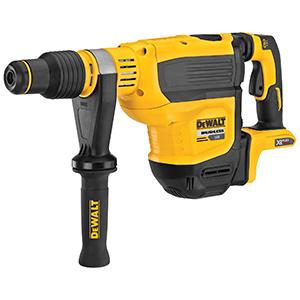
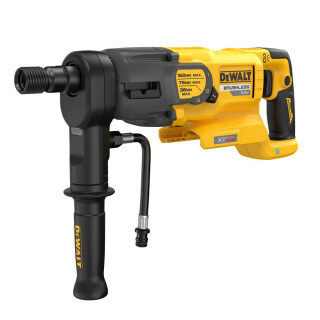
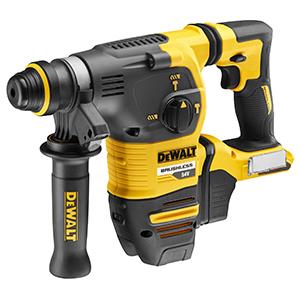
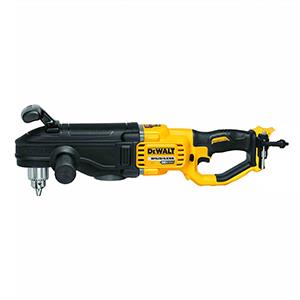
Dewalt FLEXVOLT Drills and Drivers
When a standard drill starts labouring in dense timber or masonry, a DeWalt FlexVolt drill gives you the torque and runtime to keep moving.
This is the kit lads reach for when they're boring big holes, driving long fixings, or drilling into block all day and don't want the tool getting hot and bothered by lunchtime. A DeWalt 54V drill or DeWalt FlexVolt combi drill makes sense for first fix, site installs, and heavy repeat work where a lighter drill driver can start to feel undergunned. If you already run the platform, pair it with Dewalt FLEXVOLT Batteries Chargers and Mounts and match it with the right DeWalt Drill Bits so you're not wasting good power on poor consumables.
What Jobs Are DeWalt FlexVolt Drills Best At?
- Drilling repeated holes through dense timber, joists, and stud packs is where a DeWalt FlexVolt drill earns its keep, especially when self feed bits or larger augers would slow a smaller machine right down.
- Chasing fixings into masonry and block on first fix work is easier with a DeWalt FlexVolt combi drill because the extra punch helps when you're fitting battens, brackets, and framework all day.
- Driving long coach screws, ledger fixings, and structural timber screws on roofing, timber framing, and external works suits a DeWalt 54V drill when you need steady torque without constantly swapping tools.
- Working through snag heavy installs and site maintenance jobs where one tool has to drill, hammer drill, and drive fixings makes a DeWalt FlexVolt drill driver a solid van choice.
- Keeping pace on larger sites with less downtime suits the brushless setup, especially when you're already running other Dewalt FLEXVOLT More Power Tools on the same battery platform.
Choosing the Right DeWalt FlexVolt Drill
Match the drill to the work you actually do most, not the badge on the side or the biggest number on the box.
1. Combi Drill or Drill Driver
If you're regularly drilling masonry, go straight for a DeWalt FlexVolt combi drill. If most of your day is timber, metal, and fixings, a drill driver can be the cleaner choice and saves carrying hammer mode you barely use.
2. Size of Holes and Fixings
If you're mainly on smaller screws and light drilling, a standard XR may do the job. If you're boring bigger holes, using hole saws, or driving structural screws day in day out, the extra torque of a DeWalt 54V drill is worth paying for.
3. Bare Unit or Full Kit
If you're already on the platform, buying the body only keeps costs sensible. If this is your first step into FlexVolt, a DeWalt FlexVolt kit with batteries and charger is the safer buy because these tools are built to work hard and need the right batteries behind them.
4. Drill or Impact Driver Alongside It
Do not force one drill to do every fastening job. If you're driving hundreds of screws, pair your drill with DeWalt Impact Drivers and keep the chuck, gearbox, and your wrist out of unnecessary grief.
Who Uses These on Site?
- Chippies and first fix joiners use a DeWalt FlexVolt drill for boring joists, running long screws, and building stud and roof work where a weak drill just wastes time.
- Sparkies and plumbers reach for a DeWalt 54V drill when they are drilling repeated service holes through timber and need something that keeps pulling without cooking itself.
- Builders and general site teams use a DeWalt FlexVolt combi drill for drilling block, fixing timbers, and handling the mixed jobs that come up across refurbs and new build work.
- Fitters and maintenance teams keep one in the van because a proper brushless drill driver covers drilling, fastening, and light hammer work without carrying three different tools.
How DeWalt FlexVolt Drills Work for You
The main thing to understand is not just voltage. It is how the FlexVolt battery system and brushless motor give you more sustained power when the job gets heavy.
1. FlexVolt Battery System
A DeWalt FlexVolt drill uses battery packs designed for higher demand tools, so when you're drilling bigger holes or leaning on the tool hard, it holds its performance better than lighter duty setups.
2. Brushless Power Delivery
Brushless means less wasted energy as heat and more of the battery going into the job. On site that translates to better runtime, less drop off under load, and fewer pauses when you're doing repetitive heavy drilling.
3. Combi Action for Mixed Site Work
On a DeWalt FlexVolt combi drill, the hammer function adds the impact you need for brick and block. It will not replace a proper SDS for serious concrete work, but it is ideal for common fixing holes and mixed first and second fix jobs.
Accessories That Keep Your DeWalt FlexVolt Drill Working
The drill matters, but the bits, batteries, and add ons are what stop the job grinding to a halt halfway through.
1. Drill Bits
Do not choke a strong drill with cheap or blunt bits. Proper masonry, timber, and metal bits from Dewalt Power Tool Accessories cut cleaner, run cooler, and stop you leaning too hard on the tool.
2. Spare FlexVolt Batteries
A spare pack is the difference between staying on the ladder and climbing down to wait on charge. Heavy drilling and repeated fixing work will always go better when a fresh battery is ready in the van.
3. Fast Charger
If the drill is earning money every day, a decent charger is not optional. It keeps turnaround tight between tasks and stops one flat battery slowing the whole team down.
Choose the Right DeWalt FlexVolt Drill for the Job
Use this as a quick gut check before you pick one.
| Your Job | Drill or Type | Key Features |
|---|---|---|
| General first fix, timber drilling, and daily fixing work | DeWalt FlexVolt drill driver | High torque, brushless motor, strong runtime, cleaner drilling and driving in wood and metal |
| Mixed site work with regular brick and block fixings | DeWalt FlexVolt combi drill | Hammer mode, solid torque, one tool for drilling, driving, and light masonry work |
| Large holes, hole saws, and long structural fixings | DeWalt 54V drill | More sustained power under load, better for demanding repetitive tasks, less bogging down |
| Existing FlexVolt users expanding their kit | Body only drill | Saves money if you already own batteries and charger, easy platform expansion |
| Starting fresh with heavy duty cordless drilling | DeWalt FlexVolt kit | Batteries, charger, and case included so you can get straight on with the job |
Common Buying and Usage Mistakes
- Buying a DeWalt FlexVolt drill for light occasional work only and then never using its extra capability properly just ties up money. If you're mostly hanging hinges and drilling pilot holes, a smaller drill may suit you better.
- Using poor quality or worn bits makes even a strong brushless drill feel weak. Fit the right bit for timber, masonry, or metal or you will waste battery, slow the job, and heat the chuck up for no good reason.
- Treating a combi drill like an SDS is a fast way to frustrate yourself. A DeWalt FlexVolt combi drill is fine for common fixing holes in brick and block, but for repeated deep concrete drilling you need the proper tool.
- Running with one battery on heavy site work is asking for downtime. If the drill is being used hard, keep a second pack charged so the work keeps moving instead of stopping for a battery break.
- Leaving the drill covered in dust and swarf after use shortens its life. Blow it off, wipe the vents clear, and check the chuck regularly so it stays tight and runs true.
DeWalt FlexVolt Combi Drill vs 18V XR Drill vs Impact Driver
DeWalt FlexVolt Combi Drill
Best when the work is mixed and heavy. You get proper drilling power, driving ability, and hammer action for block and brick. It is the one to buy if your day jumps between timber, metal, and masonry.
18V XR Drill
A better fit for lighter daily drilling and general snagging where lower weight matters more than outright shove. It is easier on the arm overhead, but it will feel out of breath sooner on big holes and long fixings.
Impact Driver
This wins on repetitive screwdriving, long fixings, and awkward positions where a drill can start twisting your wrist. It is not your choice for neat drilled holes, but it is the faster partner tool for heavy fastening.
Maintenance and Care
Keep the Chuck Clean
Dust, brick powder, and swarf build up fast around the jaws. Open the chuck out, brush it through, and make sure bits still clamp square and tight.
Clear the Vents
A brushless DeWalt FlexVolt drill still needs airflow. Wipe or blow out the vents after dirty work so heat can get out and the motor is not cooking in site dust.
Look After the Batteries
Do not leave packs flat in the van for weeks or baking on the dashboard. Charge them properly, store them dry, and rotate them if the drill is used every day.
Check for Gearbox and Clutch Wear
If the drill starts slipping oddly, clicking under load, or struggling to hold settings, get it looked at early. Catching wear early is cheaper than waiting for a full failure on site.
Store It Properly
Use the case or keep it protected in the van so the chuck, trigger, and battery rails are not getting battered by loose gear every day.
Why Shop for DeWalt FlexVolt Drills at ITS?
Whether you need a DeWalt FlexVolt drill driver, a DeWalt FlexVolt combi drill, or a full DeWalt FlexVolt kit, we stock the proper range for real site work. It is all in our own warehouse and ready for next day delivery, so you can get the right drill on the van without waiting around.
DeWalt FlexVolt Drill FAQs
What FlexVolt drills does DeWalt make?
DeWalt has made FlexVolt drills and combi drills aimed at heavier cordless site work, with models such as the DeWalt DCD996 often searched alongside the range. In simple terms, you are looking at high output drill drivers and combi drills built for bigger holes, tougher fixings, and longer working days than lighter duty kit.
Is the DeWalt FlexVolt drill brushless?
Yes, the DeWalt FlexVolt drill range is built around brushless motor technology. That matters on site because you get better runtime, less wasted heat, and stronger performance when the bit starts biting into dense material.
How does a FlexVolt drill compare to an 18V XR drill?
A FlexVolt drill is the one to choose when the work is heavier and more repetitive. An 18V XR drill is often lighter and handier for general day to day use, but a DeWalt 54V drill will usually hold its power better on larger holes, tougher fixings, and longer drilling sessions.
What batteries are compatible with DeWalt FlexVolt drills?
DeWalt FlexVolt drills are designed to run on FlexVolt battery packs, so always check the listing for the exact battery fit before you buy. If you are building out the platform, start with batteries and chargers that match the tool properly rather than trying to mix and guess.
Is a DeWalt FlexVolt combi drill enough for concrete?
For standard fixing holes in brick and block, yes, it is more than capable. For repeated deep holes in hard concrete, it is still no substitute for a proper SDS, so buy it for mixed drilling and fastening rather than full on demolition or heavy concrete boring.
Is the extra size and weight worth it?
If your work is mostly pilot holes, cabinet fitting, or light second fix, probably not. If you spend your week drilling joists, using large hole saws, or driving long structural screws, the extra shove and runtime make the added bulk worthwhile.