Safety Boots & Trainers
Safety boots keep your feet intact when the site turns nasty, with toe protection, grip, and support that cheap work boots just don't give you.
On a busy job you're stepping on offcuts, screws, wet concrete and oily floors all day, so your safety footwear needs to earn its keep. From steel toe boots to lightweight safety trainers, pick the right rating and sole so you stay upright, protected, and comfortable till knock-off.
What Jobs Are Safety Boots Best At?
- Working on construction sites where dropped blocks, kerbs, tools, and materials are a daily risk, so reinforced toe footwear and proper ankle support work boots matter.
- Walking wet slabs, dusty timber floors, and oily workshop bays where SRC slip resistant footwear and oil resistant soles stop you skating about.
- Refurbs and first fix where you're forever stepping on screws, nails, and sharp offcuts, so puncture resistant midsoles on S1P safety shoes or S3 safety boots save your soles.
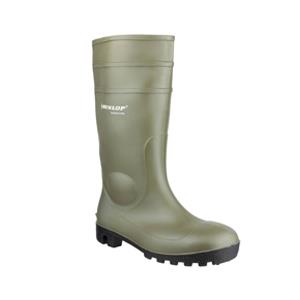
- Outdoor groundworks and winter jobs where waterproof safety boots keep you working instead of wringing your socks out at break.
- Warehouse, fit-out, and maintenance work where lightweight safety trainers and breathable work trainers reduce fatigue without dropping the toe and sole protection.
Choosing the Right Safety Boots
Sort your safety boots like a pro: match the rating and sole to your site conditions first, then worry about comfort and weight.
1. S1P vs S3 (The Big Decision)
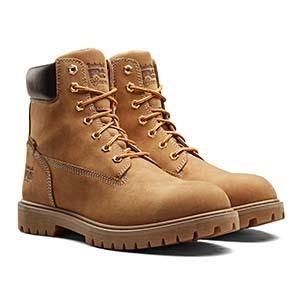
If you're mainly indoors and dry, S1P safety shoes are usually enough, with toe protection and puncture resistance for fixings underfoot. If you're outside, in mud, wet grass, or on unfinished builds, go S3 safety boots for the added water resistance and tougher all-round protection.
2. Steel Toe Boots vs Composite Toe Boots
If you want the traditional, hard-wearing feel and don't mind a bit of weight, steel toe cap boots do the job day in, day out. If you're up and down ladders, doing big step counts, or just hate heavy footwear, composite toe boots are the better shout for keeping fatigue down.
3. Grip Ratings and Sole Type
If you're on smooth concrete, wet tiles, or workshop floors with oil about, don't gamble, pick SRC slip resistant footwear with oil resistant soles. If you're outdoors on hardcore and scaff boards, look for a deeper tread that clears muck instead of packing up.
4. Boots vs Safety Trainers for All-Day Wear
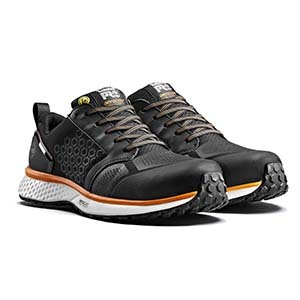
If you need ankle support work boots for rough ground, kerbs, and carrying loads, stick with a proper boot. If you're mostly on flat surfaces and want something lighter, lightweight safety trainers give you the protection without the clunky feel, but make sure you're still covered for midsole and slip resistance.
Understanding Safety Boot Ratings
Not sure what S1P, S3, SRC or the newer EN ISO 20345:2022 ratings actually mean on site. Our in depth guide breaks down safety boot ratings in plain terms, explaining what each code covers, when you need it, and how to avoid buying boots that are under or over spec for your job. Read our Safety Boot Ratings and Codes Guide before choosing your next pair.
Safety Boots and Safety Trainers FAQs
Do I actually need S3 safety boots, or will S1P safety shoes do?
If you're mostly indoors and dry, S1P safety shoes usually cover you with toe protection and puncture resistance. If you're outdoors, on wet ground, or working around mud and standing water, S3 safety boots are the safer choice because they're built for harsher site conditions.
Are safety trainers proper protective footwear, or just trainers with a toe cap?
Good safety trainers are certified safety footwear, not fashion trainers, but you still need to check the rating for the hazards on your job. If you need puncture resistant midsoles, slip resistance, or water protection, make sure the pair is rated for it rather than assuming.
Steel toe boots or composite toe boots, what's better on site?
Both protect your toes when they're correctly rated. Steel toe boots feel more traditional and can be a bit more rigid, while composite toe boots are often lighter for long days and ladder work. The best one is the one you'll actually wear all shift without your feet screaming.
What does SRC slip resistant footwear mean in real terms?
It's a tested slip rating aimed at slick surfaces, the kind that catch you out on smooth concrete, wet tiles, or workshop floors with oil about. It helps, but it's not magic, so you still need to keep soles clean and replace boots once the tread is worn flat.
Do puncture resistant midsoles stop nails going through every time?
They massively reduce the risk from fixings and sharp debris underfoot, which is why they're worth having on active sites. They're tough, but nothing is indestructible, so don't keep wearing boots once the sole is split or the midsole has been compromised.
Are waterproof safety boots breathable, or will my feet cook?
Waterproofing nearly always reduces airflow compared to breathable work trainers, so expect them to run warmer. If you're indoors or dry most days, you might be better in breathable safety trainers, and keep waterproof safety boots for the proper wet jobs.
Who Uses Safety Boots and Safety Trainers?
- Groundworkers, brickies, and general site teams who need heavy duty safety footwear with grip and ankle support for uneven ground and shifting loads.
- Sparks, plumbers, and HVAC engineers who want protective footwear that's lighter for ladders and long walks, often choosing composite toe safety shoes or comfortable safety trainers.
- Joiners, kitchen fitters, and decorators who spend all day on hard floors and want shock absorbing heels and a trainer-style fit without losing toe protection.
- Warehouse and industrial crews who need industrial safety shoes with anti slip work shoes performance for smooth concrete, ramps, and spill-prone areas.
Safety Boot Accessories That Make a Real Difference
A good pair of work boots lasts longer and feels better when you sort the comfort and upkeep from day one.
1. Supportive Insoles
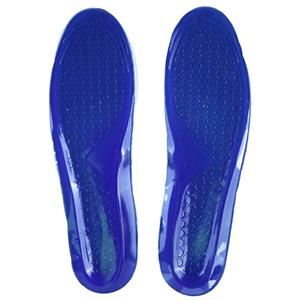
If you're doing big hours on concrete, insoles with proper arch support and shock absorbing heels stop your feet and knees taking a battering, especially in safety trainers.
2. Waterproofing and Leather Care
Treating uppers keeps waterproof safety boots working as intended and stops leather cracking after weeks of wet cement dust and winter mud.
3. Spare Laces
Sounds basic, but when a lace snaps on a cold morning you either bodge it or lose time, so keep a spare set in the van.
Shop Safety Boots and Safety Trainers at ITS
Whether you need S3 safety boots for rough, wet builds or lightweight safety trainers for indoor work, we stock the full range of safety footwear in loads of sizes and specs. It's all held in our own warehouse, in stock and ready for next day delivery so you're not turning up on site in the wrong boots.
Safety boots keep your feet intact when the site turns nasty, with toe protection, grip, and support that cheap work boots just don't give you.
On a busy job you're stepping on offcuts, screws, wet concrete and oily floors all day, so your safety footwear needs to earn its keep. From steel toe boots to lightweight safety trainers, pick the right rating and sole so you stay upright, protected, and comfortable till knock-off.
What Jobs Are Safety Boots Best At?
- Working on construction sites where dropped blocks, kerbs, tools, and materials are a daily risk, so reinforced toe footwear and proper ankle support work boots matter.
- Walking wet slabs, dusty timber floors, and oily workshop bays where SRC slip resistant footwear and oil resistant soles stop you skating about.
- Refurbs and first fix where you're forever stepping on screws, nails, and sharp offcuts, so puncture resistant midsoles on S1P safety shoes or S3 safety boots save your soles.
- Outdoor groundworks and winter jobs where waterproof safety boots keep you working instead of wringing your socks out at break.
- Warehouse, fit-out, and maintenance work where lightweight safety trainers and breathable work trainers reduce fatigue without dropping the toe and sole protection.
Choosing the Right Safety Boots
Sort your safety boots like a pro: match the rating and sole to your site conditions first, then worry about comfort and weight.
1. S1P vs S3 (The Big Decision)
If you're mainly indoors and dry, S1P safety shoes are usually enough, with toe protection and puncture resistance for fixings underfoot. If you're outside, in mud, wet grass, or on unfinished builds, go S3 safety boots for the added water resistance and tougher all-round protection.
2. Steel Toe Boots vs Composite Toe Boots
If you want the traditional, hard-wearing feel and don't mind a bit of weight, steel toe cap boots do the job day in, day out. If you're up and down ladders, doing big step counts, or just hate heavy footwear, composite toe boots are the better shout for keeping fatigue down.
3. Grip Ratings and Sole Type
If you're on smooth concrete, wet tiles, or workshop floors with oil about, don't gamble, pick SRC slip resistant footwear with oil resistant soles. If you're outdoors on hardcore and scaff boards, look for a deeper tread that clears muck instead of packing up.
4. Boots vs Safety Trainers for All-Day Wear
If you need ankle support work boots for rough ground, kerbs, and carrying loads, stick with a proper boot. If you're mostly on flat surfaces and want something lighter, lightweight safety trainers give you the protection without the clunky feel, but make sure you're still covered for midsole and slip resistance.
Understanding Safety Boot Ratings
Not sure what S1P, S3, SRC or the newer EN ISO 20345:2022 ratings actually mean on site. Our in depth guide breaks down safety boot ratings in plain terms, explaining what each code covers, when you need it, and how to avoid buying boots that are under or over spec for your job. Read our Safety Boot Ratings and Codes Guide before choosing your next pair.
Safety Boots and Safety Trainers FAQs
Do I actually need S3 safety boots, or will S1P safety shoes do?
If you're mostly indoors and dry, S1P safety shoes usually cover you with toe protection and puncture resistance. If you're outdoors, on wet ground, or working around mud and standing water, S3 safety boots are the safer choice because they're built for harsher site conditions.
Are safety trainers proper protective footwear, or just trainers with a toe cap?
Good safety trainers are certified safety footwear, not fashion trainers, but you still need to check the rating for the hazards on your job. If you need puncture resistant midsoles, slip resistance, or water protection, make sure the pair is rated for it rather than assuming.
Steel toe boots or composite toe boots, what's better on site?
Both protect your toes when they're correctly rated. Steel toe boots feel more traditional and can be a bit more rigid, while composite toe boots are often lighter for long days and ladder work. The best one is the one you'll actually wear all shift without your feet screaming.
What does SRC slip resistant footwear mean in real terms?
It's a tested slip rating aimed at slick surfaces, the kind that catch you out on smooth concrete, wet tiles, or workshop floors with oil about. It helps, but it's not magic, so you still need to keep soles clean and replace boots once the tread is worn flat.
Do puncture resistant midsoles stop nails going through every time?
They massively reduce the risk from fixings and sharp debris underfoot, which is why they're worth having on active sites. They're tough, but nothing is indestructible, so don't keep wearing boots once the sole is split or the midsole has been compromised.
Are waterproof safety boots breathable, or will my feet cook?
Waterproofing nearly always reduces airflow compared to breathable work trainers, so expect them to run warmer. If you're indoors or dry most days, you might be better in breathable safety trainers, and keep waterproof safety boots for the proper wet jobs.
Who Uses Safety Boots and Safety Trainers?
- Groundworkers, brickies, and general site teams who need heavy duty safety footwear with grip and ankle support for uneven ground and shifting loads.
- Sparks, plumbers, and HVAC engineers who want protective footwear that's lighter for ladders and long walks, often choosing composite toe safety shoes or comfortable safety trainers.
- Joiners, kitchen fitters, and decorators who spend all day on hard floors and want shock absorbing heels and a trainer-style fit without losing toe protection.
- Warehouse and industrial crews who need industrial safety shoes with anti slip work shoes performance for smooth concrete, ramps, and spill-prone areas.
Safety Boot Accessories That Make a Real Difference
A good pair of work boots lasts longer and feels better when you sort the comfort and upkeep from day one.
1. Supportive Insoles
If you're doing big hours on concrete, insoles with proper arch support and shock absorbing heels stop your feet and knees taking a battering, especially in safety trainers.
2. Waterproofing and Leather Care
Treating uppers keeps waterproof safety boots working as intended and stops leather cracking after weeks of wet cement dust and winter mud.
3. Spare Laces
Sounds basic, but when a lace snaps on a cold morning you either bodge it or lose time, so keep a spare set in the van.
Shop Safety Boots and Safety Trainers at ITS
Whether you need S3 safety boots for rough, wet builds or lightweight safety trainers for indoor work, we stock the full range of safety footwear in loads of sizes and specs. It's all held in our own warehouse, in stock and ready for next day delivery so you're not turning up on site in the wrong boots.