Masks, Face Shields & Respirators

Masks and respirators are what you reach for when the job kicks up dust, fumes, or fine airborne muck that your lungs do not need taking in.

Whether you are cutting slabs, chasing walls, sanding filler, spraying coatings, or working around fibres and fumes, proper respiratory protection matters. This range covers dust masks, FFP3 masks, half face masks, full face masks, face shields, and respirator filters for real site and workshop use. Match the mask to the hazard, get the fit right, and buy the one that suits the work in front of you.

What Are Masks and Respirators Used For?

  • Cutting concrete, block, or paving throws fine dust into the air, so FFP3 masks and proper respiratory protection are what you need when the grinder comes out.
  • Sanding plaster, filler, timber, or paint in enclosed rooms is where dust masks and half face masks earn their keep by stopping you breathing in the stuff hanging around long after the tool stops.
  • Spraying paints, adhesives, coatings, or solvents calls for the right respirator and filters, especially in workshops, plant rooms, and refit work where fumes build up fast.
  • Working with chemicals, resins, or stronger cleaning products often needs more than a basic safety mask, with full face masks giving added protection where splash and vapour are both a risk.
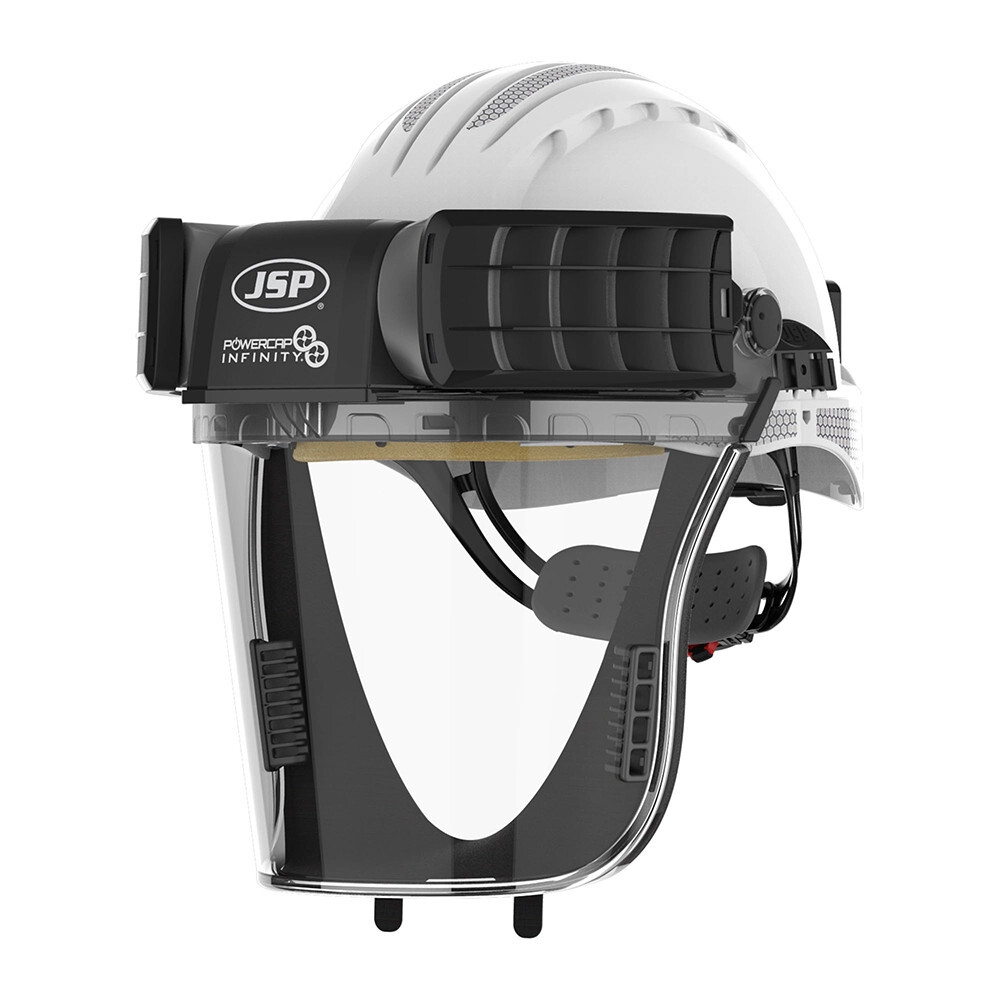
  • Using face shields on top of other PPE helps protect your face from flying debris, grinding sparks, and splashes, but they are not a substitute for proper respirators where airborne hazards are the problem.

Who Uses These on Site?

  • Sparkies and plumbers use masks and respirators when chasing walls, drilling fixings, and cutting into dusty old fabric where fine airborne dust hangs about.
  • Brickies, groundworkers, and landscapers swear by FFP3 masks for cutting slabs, raking out joints, and drilling masonry because silica dust is not something you take lightly.
  • Decorators and dryliners reach for dust masks and half face masks when sanding back filler, rubbing down paint, or working overhead in rooms with poor airflow.
  • Fabricators, sprayers, and workshop fitters use half face and full face masks with the right respirator filters when fumes, vapours, and overspray are part of the day.
  • Maintenance teams and site managers keep face shields and safety masks handy for snagging, plant checks, and short-notice jobs where hazards change from one room to the next.

Choosing the Right Masks and Respirators

Sorting the right one is simple. Match it to the hazard first, then the length of the job, then how much coverage you actually need.

1. Dust, Fumes, or Vapour

If you are dealing with plaster, masonry, or timber dust, look at dust masks or FFP3 masks. If the job involves fumes, solvents, paints, or chemicals, do not rely on a basic disposable mask. You need a respirator with the correct filters for that hazard.

2. Disposable or Reusable

If it is quick, dirty work now and again, disposable face masks can be enough provided the rating suits the dust. If you are doing this week in, week out, a reusable half face mask is usually the better shout for fit, comfort, and long-term cost.

3. Half Face or Full Face

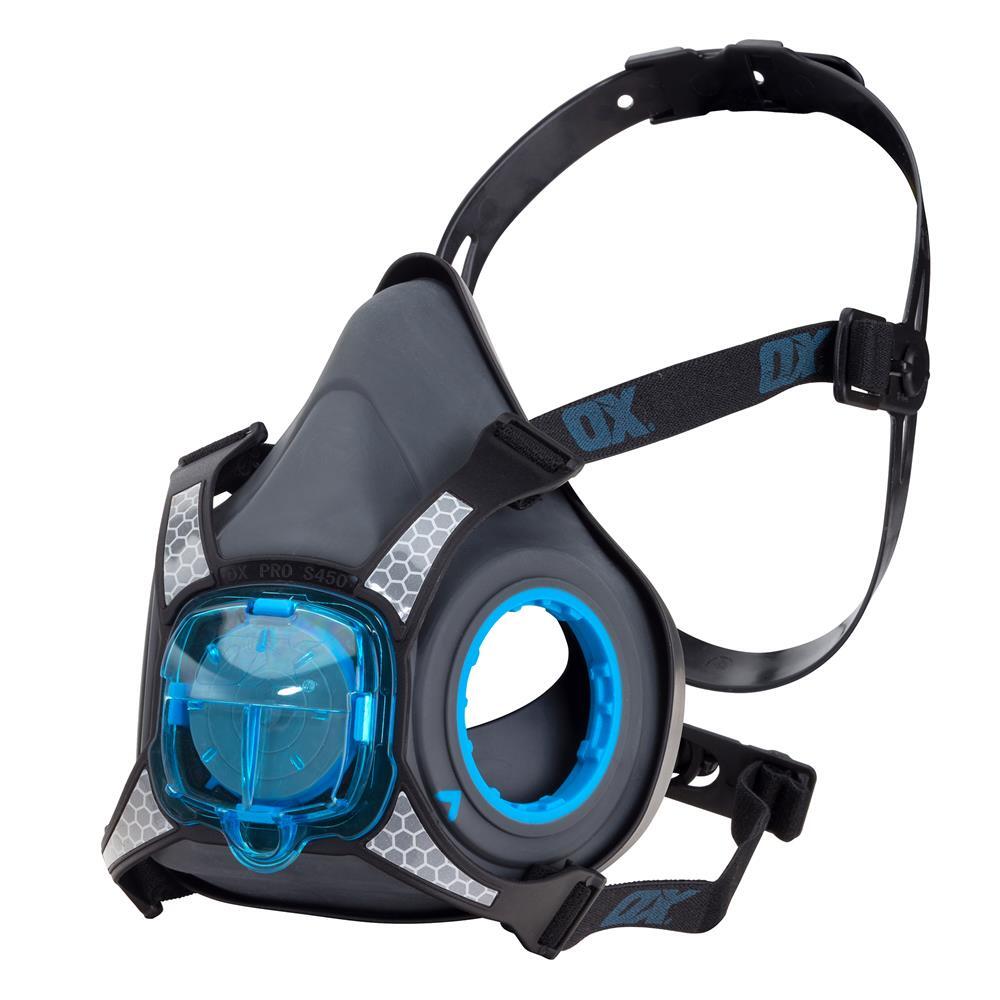
Half face masks cover your nose and mouth and suit a lot of site work. If the job brings splash risk, irritating vapours, or airborne particles around the eyes as well, go for a full face mask instead of trying to patch the problem with separate bits of PPE.

4. Fit Matters More Than Guesswork

A high-rated respirator is no good if it leaks round the edges. If you are constantly adjusting it, or it will not seal properly around the face, move on and get one that fits right. The right mask worn properly beats the wrong one every time.

The Basics: Understanding Masks and Respirators

The main thing to understand is that not all masks do the same job. Some filter dust and particles, while others are built for fumes, vapours, or splash protection. Here is the simple version.

1. Disposable Dust Masks and FFP Ratings

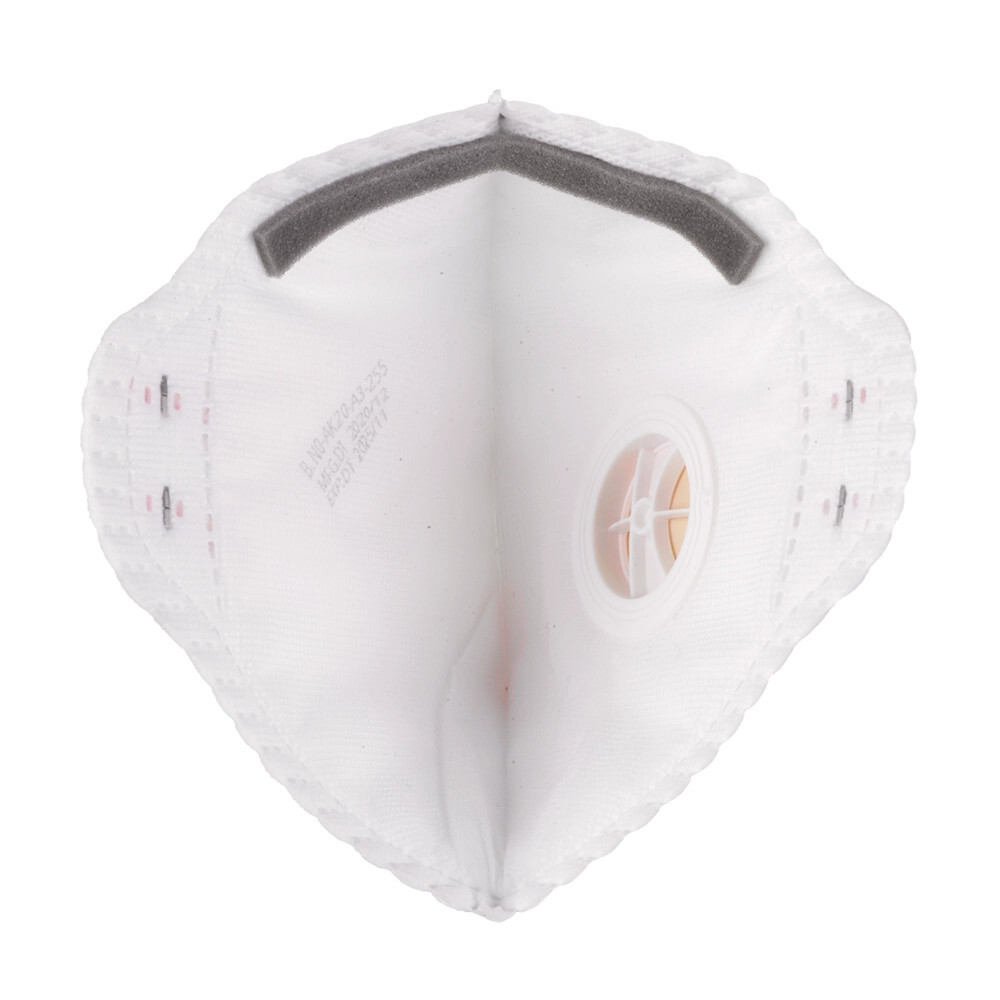
These are mainly for airborne particles. For tougher site dust, especially fine dust from cutting and grinding, FFP3 masks are the level many trades look for because they are suited to finer, more hazardous particles than basic dust masks.

2. Half Face and Full Face Respirators

These use replaceable respirator filters so you can match the mask to the work. Half face masks protect your breathing, while full face masks also protect your eyes and face where fumes, mist, or splash are part of the risk.

3. Face Shields Are Not Respiratory Protection

A face shield helps stop debris, sparks, and splashes hitting your face, but it does not seal or filter the air you breathe. If dust, fumes, or chemicals are the hazard, you still need proper respiratory protection underneath or instead.

Respirator Accessories That Keep You Working

The right add-ons stop downtime, poor fit, and the usual hassle of finding your mask is no use halfway through the job.

1. Respirator Filters

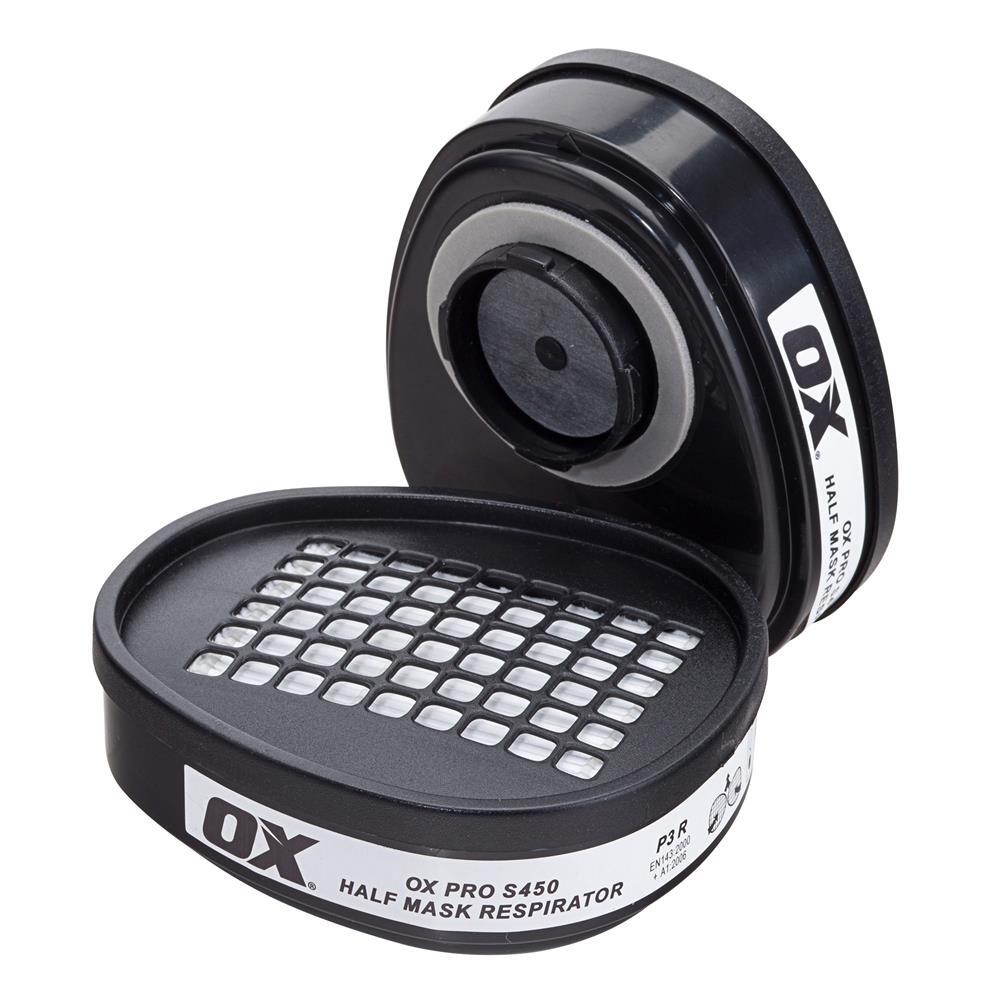
Keep spare respirator filters in the van. When airflow drops off or the mask is no longer coping with the job, you do not want to be stuck finishing dusty or fume-heavy work with worn-out filters.

2. Replacement Face Seals and Valves

These sort the small wear points that ruin comfort and fit. A tired seal or damaged valve means leaks, steaming up, and a mask that becomes more nuisance than protection.

3. Storage Cases

A proper case keeps reusable masks clean between jobs instead of getting buried under rubble bags and fixings in the van. It also helps stop filters getting contaminated before you even put the thing on.

Choose the Right Masks and Respirators for the Job

Use this as a quick guide before you load up the basket.

Your Job Category or Type Key Features
Cutting concrete, chasing walls, drilling masonry FFP3 masks Fine dust filtration, close fit, suited to silica and heavy airborne particles
Sanding timber, filler, plaster, and general workshop dust Dust masks or half face masks Comfort for longer wear, decent seal, reusable options for regular use
Spraying paints, adhesives, or solvent based coatings Half face respirators with correct filters Replaceable filters, better seal than disposable masks, suited to fumes and vapours
Chemical handling or splash risk around the face and eyes Full face masks Breathing protection plus eye and face coverage, better for harsher environments
Grinding, cutting, or splash protection where breathing risk is separate Face shields Face coverage against debris and splashes, used with other PPE not instead of it

Common Buying and Usage Mistakes

  • Buying a basic dust mask for fumes or chemicals is a common mistake. It might look the part, but if the job involves vapours or solvents, you need a proper respirator and the right filters.
  • Assuming a face shield does the same job as a respirator catches plenty of people out. It protects your face from impact and splash, but it does not filter what you breathe in.
  • Ignoring fit and seal ruins the protection straight away. If the mask shifts, gaps, or never sits right on your face, sort a different size or style before you trust it on a dusty job.
  • Running filters too long saves nothing in the end. Once breathing gets harder or odours start getting through, the filter is past its best and needs changing.
  • Using disposable face masks for repeated heavy site work often ends in poor comfort and wasted money. If the work is regular, a reusable half face mask usually makes more sense.

Disposable Masks vs Half Face Masks vs Full Face Masks

Disposable Masks

Best for shorter jobs, occasional dusty tasks, and simple grab-and-go use. They are easy to keep in the van, but they are not the right answer for regular exposure, stronger fumes, or jobs where comfort over a full shift matters.

Half Face Masks

These are the middle ground most trades end up with for regular work. Better seal, reusable body, and replaceable respirator filters make them a solid choice for dust, fumes, and workshop jobs where a disposable mask is not enough.

Full Face Masks

Go here when the work also puts your eyes and face at risk from vapour, mist, or splash. They cost more and feel like more kit because they are, but for harsher tasks they save having to bodge separate protection together.

Maintenance and Care

Clean It After Dusty Work

Wipe down reusable masks after use so fine dust does not build up around the seal, straps, and valves. Leaving it filthy just shortens the life of the kit and makes the next wear uncomfortable.

Store It Properly

Keep masks and respirators in a clean bag or case, not loose in the van. Dirt, moisture, and knocks can damage seals and contaminate filters before the next job starts.

Check Straps and Seals

If the straps have stretched or the face seal is cracking, replace the worn parts or the mask itself. A loose fit is not a small issue on respiratory protection. It is the whole point of the thing gone wrong.

Change Filters Before They Are Finished

Do not wait until the mask is clearly struggling. If breathing resistance goes up, dust gets through, or smells start coming in, fit fresh respirator filters and carry on properly.

Replace Disposable Masks Promptly

Disposable face masks are not meant to be run into the ground. Once they are clogged, damaged, damp, or no longer fitting right, bin them and start with a fresh one.

Why Shop for Masks and Respirators at ITS?

Whether you need disposable dust masks for short site work, FFP3 masks for heavier airborne dust, or full face and half face respirators with the right filters, we stock the lot. Our masks and respirators range is in our own warehouse, ready for next day delivery, so you can get the right respiratory protection on site without hanging about.

Masks and Respirators FAQs

How often should I replace my mask filters?

There is no one fixed answer because it depends on what you are filtering and how often you wear the mask. The straight rule is this. Change them when breathing gets harder, when smells or tastes start getting through, or when the maker says they are due. If the job is heavy dust or regular fumes, keep spares on hand and do not try to squeeze extra life out of tired filters.

What type of mask or respirator do I need for dust, fumes, or chemicals?

For general airborne dust, a rated dust mask may do the job, and for fine hazardous dust many trades move straight to FFP3 masks. For fumes, vapours, paints, solvents, or chemicals, you need a proper respirator with filters matched to that hazard. A simple disposable face mask is not enough for chemical or fume work, so always match the mask to what is actually in the air.

When should I choose an FFP3 mask over other mask types?

Choose an FFP3 mask when the job creates very fine dust and you need a higher level of particulate filtration. That makes sense for tasks like cutting concrete, chasing brick, drilling masonry, and other work where fine airborne dust is the real issue. It is not the answer for solvent fumes or chemical vapours though, because that needs a respirator with the correct filters.

What is the difference between a face shield and a respirator?

A face shield protects the face from sparks, flying debris, and splashes. A respirator protects what you breathe in by filtering the air through a proper seal and filter system. So yes, they are completely different bits of kit. If the hazard is dust, fumes, or airborne particles, a face shield on its own is not enough.

Are disposable face masks suitable for construction and workshop use?

Yes, for the right task. They are fine for short-duration dusty jobs if the mask rating matches the hazard, but they are not a catch-all answer for every site or workshop job. For regular exposure, longer shifts, or anything involving fumes and vapours, a reusable respirator is usually the better and safer choice.

Do I need a full face mask or a half face mask for my job?

If you only need to protect your nose and mouth, a half face mask is often enough and is what a lot of trades use day to day. If the work also risks getting mist, vapour, or chemical splash into your eyes, step up to a full face mask. It is bulkier, but on the right job it is the proper bit of kit rather than a compromise.

How do I know when respirator filters need changing?

You will usually notice it before the filter is completely finished. Breathing gets harder, dust starts sneaking through, or odours and fumes become noticeable again. That is your sign to stop guessing and fit new filters. Also change them straight away if they are damaged, wet, contaminated, or have been stored badly in the van.

Which masks are best for silica dust and fine airborne particles?

For silica dust and other very fine airborne particles, FFP3 masks are the usual place to start, provided they fit properly and are suitable for the task. On repeated or longer-duration work, plenty of trades step up to reusable respirators with particulate filters for better fit and comfort. The key is not just the rating but the seal on your face, because gaps make the whole thing pointless.

Read more

Masks, Face Shields & Respirators

Masks and respirators are what you reach for when the job kicks up dust, fumes, or fine airborne muck that your lungs do not need taking in.

Whether you are cutting slabs, chasing walls, sanding filler, spraying coatings, or working around fibres and fumes, proper respiratory protection matters. This range covers dust masks, FFP3 masks, half face masks, full face masks, face shields, and respirator filters for real site and workshop use. Match the mask to the hazard, get the fit right, and buy the one that suits the work in front of you.

What Are Masks and Respirators Used For?

  • Cutting concrete, block, or paving throws fine dust into the air, so FFP3 masks and proper respiratory protection are what you need when the grinder comes out.
  • Sanding plaster, filler, timber, or paint in enclosed rooms is where dust masks and half face masks earn their keep by stopping you breathing in the stuff hanging around long after the tool stops.
  • Spraying paints, adhesives, coatings, or solvents calls for the right respirator and filters, especially in workshops, plant rooms, and refit work where fumes build up fast.
  • Working with chemicals, resins, or stronger cleaning products often needs more than a basic safety mask, with full face masks giving added protection where splash and vapour are both a risk.
  • Using face shields on top of other PPE helps protect your face from flying debris, grinding sparks, and splashes, but they are not a substitute for proper respirators where airborne hazards are the problem.

Who Uses These on Site?

  • Sparkies and plumbers use masks and respirators when chasing walls, drilling fixings, and cutting into dusty old fabric where fine airborne dust hangs about.
  • Brickies, groundworkers, and landscapers swear by FFP3 masks for cutting slabs, raking out joints, and drilling masonry because silica dust is not something you take lightly.
  • Decorators and dryliners reach for dust masks and half face masks when sanding back filler, rubbing down paint, or working overhead in rooms with poor airflow.
  • Fabricators, sprayers, and workshop fitters use half face and full face masks with the right respirator filters when fumes, vapours, and overspray are part of the day.
  • Maintenance teams and site managers keep face shields and safety masks handy for snagging, plant checks, and short-notice jobs where hazards change from one room to the next.

Choosing the Right Masks and Respirators

Sorting the right one is simple. Match it to the hazard first, then the length of the job, then how much coverage you actually need.

1. Dust, Fumes, or Vapour

If you are dealing with plaster, masonry, or timber dust, look at dust masks or FFP3 masks. If the job involves fumes, solvents, paints, or chemicals, do not rely on a basic disposable mask. You need a respirator with the correct filters for that hazard.

2. Disposable or Reusable

If it is quick, dirty work now and again, disposable face masks can be enough provided the rating suits the dust. If you are doing this week in, week out, a reusable half face mask is usually the better shout for fit, comfort, and long-term cost.

3. Half Face or Full Face

Half face masks cover your nose and mouth and suit a lot of site work. If the job brings splash risk, irritating vapours, or airborne particles around the eyes as well, go for a full face mask instead of trying to patch the problem with separate bits of PPE.

4. Fit Matters More Than Guesswork

A high-rated respirator is no good if it leaks round the edges. If you are constantly adjusting it, or it will not seal properly around the face, move on and get one that fits right. The right mask worn properly beats the wrong one every time.

The Basics: Understanding Masks and Respirators

The main thing to understand is that not all masks do the same job. Some filter dust and particles, while others are built for fumes, vapours, or splash protection. Here is the simple version.

1. Disposable Dust Masks and FFP Ratings

These are mainly for airborne particles. For tougher site dust, especially fine dust from cutting and grinding, FFP3 masks are the level many trades look for because they are suited to finer, more hazardous particles than basic dust masks.

2. Half Face and Full Face Respirators

These use replaceable respirator filters so you can match the mask to the work. Half face masks protect your breathing, while full face masks also protect your eyes and face where fumes, mist, or splash are part of the risk.

3. Face Shields Are Not Respiratory Protection

A face shield helps stop debris, sparks, and splashes hitting your face, but it does not seal or filter the air you breathe. If dust, fumes, or chemicals are the hazard, you still need proper respiratory protection underneath or instead.

Respirator Accessories That Keep You Working

The right add-ons stop downtime, poor fit, and the usual hassle of finding your mask is no use halfway through the job.

1. Respirator Filters

Keep spare respirator filters in the van. When airflow drops off or the mask is no longer coping with the job, you do not want to be stuck finishing dusty or fume-heavy work with worn-out filters.

2. Replacement Face Seals and Valves

These sort the small wear points that ruin comfort and fit. A tired seal or damaged valve means leaks, steaming up, and a mask that becomes more nuisance than protection.

3. Storage Cases

A proper case keeps reusable masks clean between jobs instead of getting buried under rubble bags and fixings in the van. It also helps stop filters getting contaminated before you even put the thing on.

Choose the Right Masks and Respirators for the Job

Use this as a quick guide before you load up the basket.

Your Job Category or Type Key Features
Cutting concrete, chasing walls, drilling masonry FFP3 masks Fine dust filtration, close fit, suited to silica and heavy airborne particles
Sanding timber, filler, plaster, and general workshop dust Dust masks or half face masks Comfort for longer wear, decent seal, reusable options for regular use
Spraying paints, adhesives, or solvent based coatings Half face respirators with correct filters Replaceable filters, better seal than disposable masks, suited to fumes and vapours
Chemical handling or splash risk around the face and eyes Full face masks Breathing protection plus eye and face coverage, better for harsher environments
Grinding, cutting, or splash protection where breathing risk is separate Face shields Face coverage against debris and splashes, used with other PPE not instead of it

Common Buying and Usage Mistakes

  • Buying a basic dust mask for fumes or chemicals is a common mistake. It might look the part, but if the job involves vapours or solvents, you need a proper respirator and the right filters.
  • Assuming a face shield does the same job as a respirator catches plenty of people out. It protects your face from impact and splash, but it does not filter what you breathe in.
  • Ignoring fit and seal ruins the protection straight away. If the mask shifts, gaps, or never sits right on your face, sort a different size or style before you trust it on a dusty job.
  • Running filters too long saves nothing in the end. Once breathing gets harder or odours start getting through, the filter is past its best and needs changing.
  • Using disposable face masks for repeated heavy site work often ends in poor comfort and wasted money. If the work is regular, a reusable half face mask usually makes more sense.

Disposable Masks vs Half Face Masks vs Full Face Masks

Disposable Masks

Best for shorter jobs, occasional dusty tasks, and simple grab-and-go use. They are easy to keep in the van, but they are not the right answer for regular exposure, stronger fumes, or jobs where comfort over a full shift matters.

Half Face Masks

These are the middle ground most trades end up with for regular work. Better seal, reusable body, and replaceable respirator filters make them a solid choice for dust, fumes, and workshop jobs where a disposable mask is not enough.

Full Face Masks

Go here when the work also puts your eyes and face at risk from vapour, mist, or splash. They cost more and feel like more kit because they are, but for harsher tasks they save having to bodge separate protection together.

Maintenance and Care

Clean It After Dusty Work

Wipe down reusable masks after use so fine dust does not build up around the seal, straps, and valves. Leaving it filthy just shortens the life of the kit and makes the next wear uncomfortable.

Store It Properly

Keep masks and respirators in a clean bag or case, not loose in the van. Dirt, moisture, and knocks can damage seals and contaminate filters before the next job starts.

Check Straps and Seals

If the straps have stretched or the face seal is cracking, replace the worn parts or the mask itself. A loose fit is not a small issue on respiratory protection. It is the whole point of the thing gone wrong.

Change Filters Before They Are Finished

Do not wait until the mask is clearly struggling. If breathing resistance goes up, dust gets through, or smells start coming in, fit fresh respirator filters and carry on properly.

Replace Disposable Masks Promptly

Disposable face masks are not meant to be run into the ground. Once they are clogged, damaged, damp, or no longer fitting right, bin them and start with a fresh one.

Why Shop for Masks and Respirators at ITS?

Whether you need disposable dust masks for short site work, FFP3 masks for heavier airborne dust, or full face and half face respirators with the right filters, we stock the lot. Our masks and respirators range is in our own warehouse, ready for next day delivery, so you can get the right respiratory protection on site without hanging about.

Masks and Respirators FAQs

How often should I replace my mask filters?

There is no one fixed answer because it depends on what you are filtering and how often you wear the mask. The straight rule is this. Change them when breathing gets harder, when smells or tastes start getting through, or when the maker says they are due. If the job is heavy dust or regular fumes, keep spares on hand and do not try to squeeze extra life out of tired filters.

What type of mask or respirator do I need for dust, fumes, or chemicals?

For general airborne dust, a rated dust mask may do the job, and for fine hazardous dust many trades move straight to FFP3 masks. For fumes, vapours, paints, solvents, or chemicals, you need a proper respirator with filters matched to that hazard. A simple disposable face mask is not enough for chemical or fume work, so always match the mask to what is actually in the air.

When should I choose an FFP3 mask over other mask types?

Choose an FFP3 mask when the job creates very fine dust and you need a higher level of particulate filtration. That makes sense for tasks like cutting concrete, chasing brick, drilling masonry, and other work where fine airborne dust is the real issue. It is not the answer for solvent fumes or chemical vapours though, because that needs a respirator with the correct filters.

What is the difference between a face shield and a respirator?

A face shield protects the face from sparks, flying debris, and splashes. A respirator protects what you breathe in by filtering the air through a proper seal and filter system. So yes, they are completely different bits of kit. If the hazard is dust, fumes, or airborne particles, a face shield on its own is not enough.

Are disposable face masks suitable for construction and workshop use?

Yes, for the right task. They are fine for short-duration dusty jobs if the mask rating matches the hazard, but they are not a catch-all answer for every site or workshop job. For regular exposure, longer shifts, or anything involving fumes and vapours, a reusable respirator is usually the better and safer choice.

Do I need a full face mask or a half face mask for my job?

If you only need to protect your nose and mouth, a half face mask is often enough and is what a lot of trades use day to day. If the work also risks getting mist, vapour, or chemical splash into your eyes, step up to a full face mask. It is bulkier, but on the right job it is the proper bit of kit rather than a compromise.

How do I know when respirator filters need changing?

You will usually notice it before the filter is completely finished. Breathing gets harder, dust starts sneaking through, or odours and fumes become noticeable again. That is your sign to stop guessing and fit new filters. Also change them straight away if they are damaged, wet, contaminated, or have been stored badly in the van.

Which masks are best for silica dust and fine airborne particles?

For silica dust and other very fine airborne particles, FFP3 masks are the usual place to start, provided they fit properly and are suitable for the task. On repeated or longer-duration work, plenty of trades step up to reusable respirators with particulate filters for better fit and comfort. The key is not just the rating but the seal on your face, because gaps make the whole thing pointless.

ITS Click and Collect Icon
What3Words:
Get Directions
Store Opening Hours
Opening times