Hard Hats
Hard hats are essential on any construction site, providing critical protection against head injuries. From vented to full brim, these helmets ensure site safety.
Whether you're up on the scaffolding or down in the trenches, a reliable hard hat is non-negotiable. Designed to absorb impact and meet EN397 standards, these helmets are built tough for the demands of UK construction work. With adjustable fits and options for venting, they keep you safe without compromising comfort. Choose the right one to suit your trade tasks and keep your head protected on site.
What Jobs Are Hard Hats Best At?
- Protecting against falling debris and low-hanging obstacles on active construction sites.
- Ensuring compliance with site safety regulations during building and demolition work.
- Providing essential head protection for engineers working around heavy machinery.
- Offering peace of mind for tradesmen on scaffolding or elevated platforms.
- Maintaining safety in industrial environments with potential head impact risks.
Choosing the Right Hard Hat
Sorting the right hard hat is simple: match it to the job. Consider the environment and specific site risks.
1. Vented vs Non-Vented
If you're working in hot conditions, go for a vented hard hat to keep cool. For electrical work, choose non-vented for added safety.
2. Adjustable Fit
Look for a hard hat with an adjustable suspension system. It ensures a snug fit and comfort during long shifts.
3. Material Choice
ABS hard hats are lightweight and durable, ideal for daily use. HDPE options offer robust impact resistance for heavy-duty tasks.
Hard Hat FAQs
Are hard hats comfortable for all-day wear?
Yes, many hard hats feature adjustable suspension systems and padded sweatbands, making them comfortable for extended use on site.
Do vented hard hats compromise safety?
No, vented hard hats are designed to meet safety standards while providing additional airflow for comfort in hot environments.
Can I use a hard hat in electrical environments?
Yes, but ensure you select a non-vented model if working around electrical hazards to prevent any risk of electrical shock.
How often should hard hats be replaced?
It's recommended to replace hard hats every 2-5 years, or immediately if they show signs of damage or have been impacted.
Who Uses These Hard Hats?
- Construction workers and builders needing robust head protection on site.
- Engineers and site managers ensuring safety standards are met while overseeing projects.
- Scaffolders and roofers protecting against falls and flying debris.
- Warehouse and industrial workers in environments with overhead risks.
The Basics: Understanding Hard Hat Standards
Hard hats are designed to protect against impact and electrical hazards. Here's what you need to know about their standards.
1. EN397 Standard
This standard ensures that hard hats provide protection against falling objects and penetration. It's a must for construction and industrial sites.
2. CE Marking
A CE-marked hard hat complies with EU safety regulations, giving you assurance of its protective capabilities.
Essential Hard Hat Accessories
Enhance your hard hat with these accessories to improve safety and comfort on site.
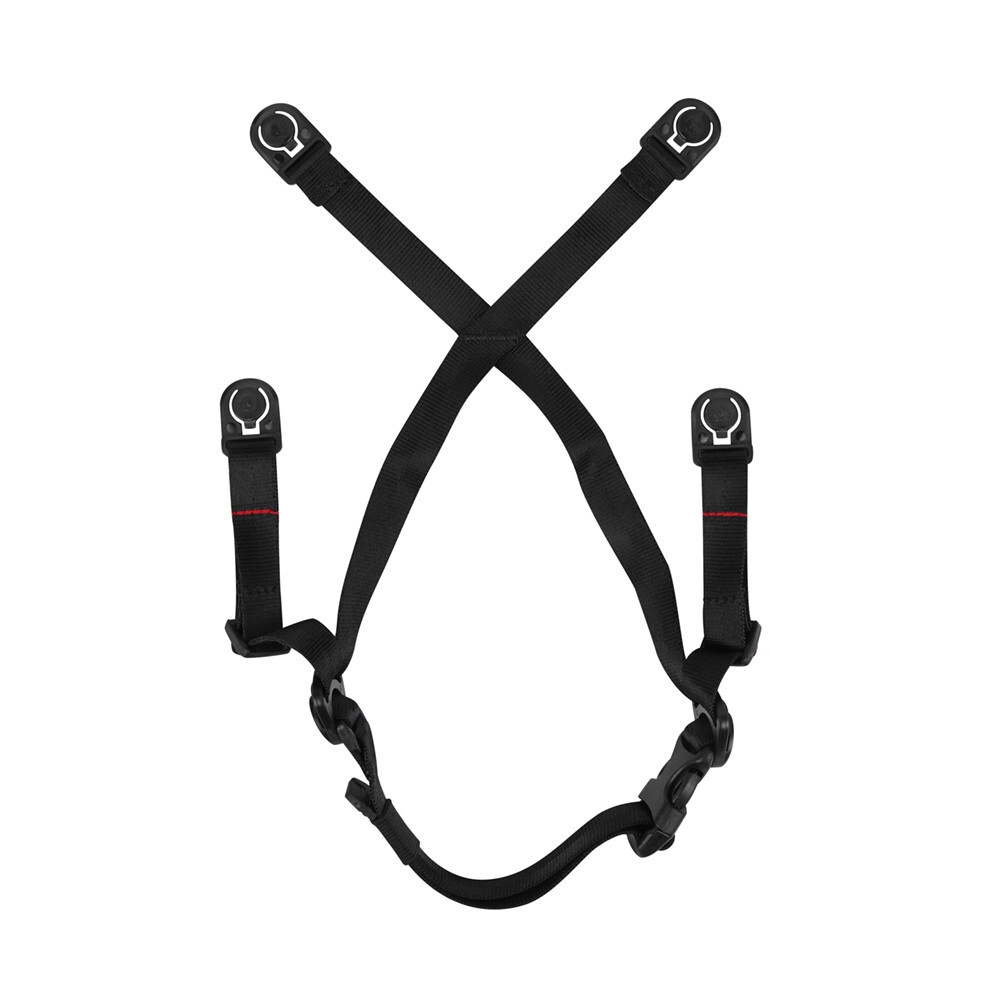
1. Hard Hat Chin Straps
Keep your hard hat secure during windy conditions or when working at heights. A chin strap ensures it stays in place.
2. Sweatbands
Absorbent sweatbands fit inside your hard hat to keep sweat out of your eyes, making long days more comfortable.
Your Hard Hat Range, Ready to Go
Our selection of hard hats includes every style and fit, from lightweight to full brim designs. All stocked in our warehouse for next-day delivery, ensuring you have the protection you need when you need it.