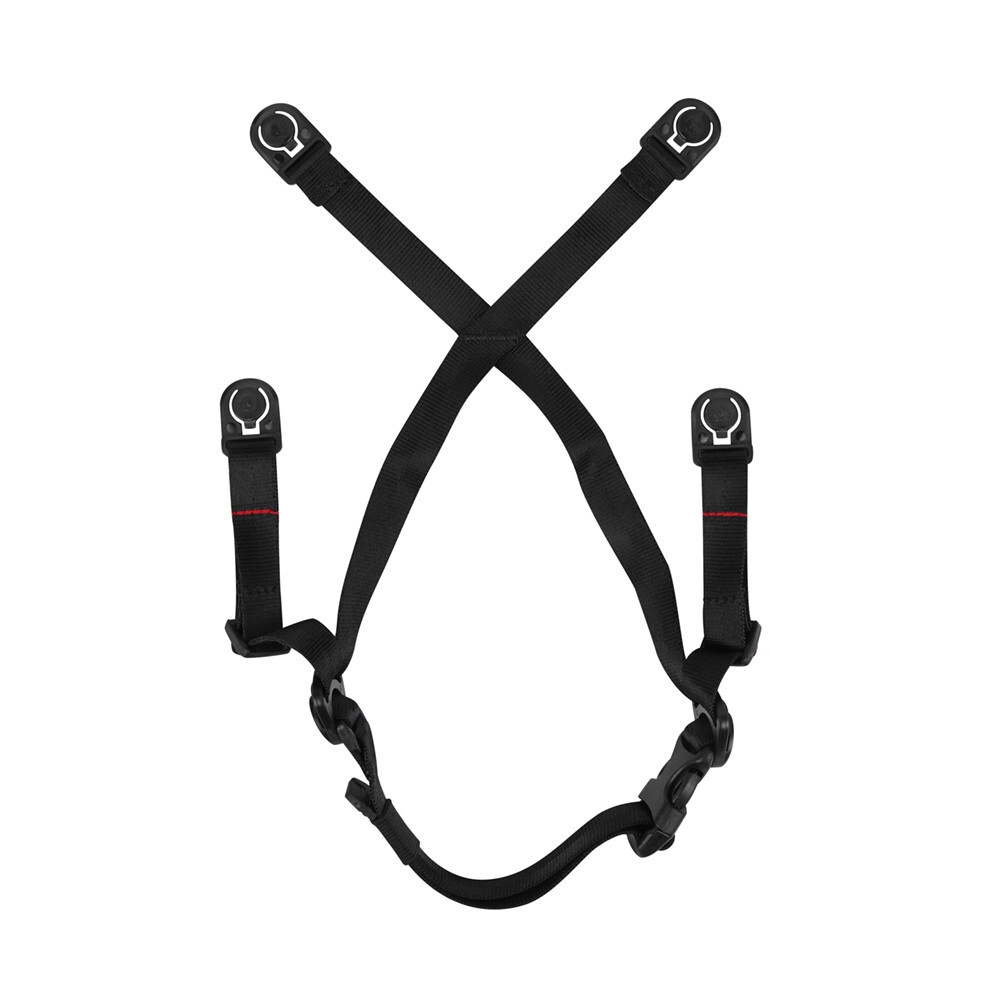
Hard Hats
Hard hat range for site work, fit-outs and yard jobs. Built to protect against knocks, falling debris and overhead hazards where a safety hat is mandatory.
If you're on a live site, under scaffold, or working where overhead trades are still cracking on, a proper hard hat is non-negotiable. This is the kit that stops a dropped fitting, clipped beam, or awkward knock turning into a bigger problem. You'll find safety helmets and hardhat options for general building work, rail-style setups, white hard hats for management, yellow hard hat options for visitors and operatives, plus a hard hat with chin strap for ladder work, roofing and exposed jobs. Pair your lid with PPE that actually works together and get the right one for the way you graft.
What Are Hard Hats Used For?
- Working beneath scaffold, steel, or first-fix trades means a hard hat takes the sting out of falling fixings, clipped pipe, and bits of rubble that would otherwise put you off site.
- Climbing ladders, working on roofs, or moving around exposed structures is where a hard hat with chin strap earns its keep, because it stays put when a standard safety hat can shift or come off.
- Running demolition, strip-out, or messy refurb jobs calls for safety helmets that cope with repeated knocks from low lintels, pipework, ducting, and tight ceiling voids.
- Managing visitors, deliveries, and site walk-rounds is easier when colour-coded options like white hard hats or a yellow hard hat help quickly identify roles and keep site rules clear.
- Using cutting or drilling kit in active work zones makes more sense when your hardhat is worn alongside Safety Glasses and Ear Defenders so your head, eyes, and hearing are covered together.
Choosing the Right Hard Hat
Sorting the right hard hat is simple: match it to where you work and how likely it is to get knocked off your head.
1. Standard Hard Hat or Chin Strap
If you are mainly on ground level doing general site work, a standard safety hat is usually enough. If you are on ladders, roofs, scaffold, or exposed areas, go straight for a hard hat with chin strap so it stays put when you bend, climb, or catch a gust.
2. Peak Style and Clearance
If you spend your day in tight ceiling voids, around services, or squeezing through framed openings, watch the shell shape and peak size. A bulky front peak can get in the way when you are constantly looking up or working close to obstructions.
3. Colour and Site Rules
Do not just pick a cool hard hat because it looks smart. Many sites still use colour coding, so white hard hats, yellow hard hat options, and other colours may be tied to your role, visitor status, or supervisor requirements.
4. Comfort for Long Shifts
If it is on your head ten hours a day, the harness matters as much as the shell. Go for an adjustable fit and decent sweatband, otherwise the hardhat ends up tipped back, loosened off, or left in the van, which defeats the point.
Who Uses These on Site?
- Groundworkers, brickies, and scaffold teams wear hard hats all day because they are constantly under plant, materials, and work happening above their heads.
- Sparkies, plumbers, and duct fitters reach for a safety hat when working in ceiling voids, risers, and first-fix areas where pipe clips, tray, and sharp edges are always waiting to catch you out.
- Roofers and steel erectors usually favour a hard hat with chin strap because standard lids can lift or shift once you are up high and moving about in the wind.
- Site managers, supervisors, and visitors often use white hard hats for walk-rounds, inspections, and handover checks where clear role identification matters on busy jobs.
- Labourers and yard teams keep one close by for unloading wagons, shifting pallets, and general site running, usually worn with Hi-Vis Vests so they are visible as well as protected.
The Basics: Understanding Hard Hats
A hard hat is not just a plastic shell. The protection comes from the shell and harness working together to spread and reduce the force of an impact before it reaches your head.
1. Shell and Harness Work Together
The outer shell takes the initial hit from falling debris or a knock against steel or concrete. The inner cradle creates space between the shell and your head, helping absorb the shock rather than passing it straight through.
2. Chin Straps Stop Loss of Protection
A hard hat with strap is not necessarily stronger, but it is far more likely to stay where it should when you are climbing, leaning, or working in wind. On the job, protection only counts if the helmet is still on your head when you need it.
3. Accessories Need Proper Compatibility
If you need visors, sweatbands, chin straps, or winter liners, use kit made to fit the helmet properly. The wrong add-on can foul the fit, so check Hard Hat Accessories that are designed for the job.
Hard Hat Accessories That Make Site Life Easier
A few proper add-ons can stop your safety hat becoming uncomfortable, badly fitted, or useless for the conditions.
1. Chin Straps
This is the one that stops your lid ending up on the deck when you are climbing scaffold, leaning out, or working in wind. If your hard hat keeps shifting, a proper strap fixes the problem fast.
2. Sweatbands and Liners
Worth having if you are wearing the helmet all shift. They cut down sweat running into your eyes, improve comfort, and make the hat easier to keep on properly during hot days or long indoor jobs.
3. Visor and Ear Protection Mounts
These save you juggling separate bits of kit when you are grinding, cutting, or using loud plant. If the helmet supports them properly, you get a tidier setup that is less likely to be left off.
Choose the Right Hard Hat for the Job
Use this quick guide to sort the type you actually need on site.
| Your Job | Hard Hat Type | Key Features |
|---|---|---|
| General building site work and deliveries | Standard safety hat | Basic overhead protection, adjustable harness, easy all-day wear |
| Roofing, scaffold, ladder work and exposed areas | Hard hat with chin strap | Secure fit, reduced chance of loss in wind or when bending and climbing |
| Ceiling voids, services and tight refurb spaces | Compact safety helmet | Low-profile shell, better movement in confined areas, less snagging |
| Site management, visitors and supervised walk-rounds | White hard hats | Common role identification, clean appearance, easy to issue and monitor |
| Operative use where colour coding matters | Yellow hard hat | Easy visual ID, common site-standard colour, simple to spot at distance |
Common Buying and Usage Mistakes
- Buying on colour alone is a common one. Check the site rules first, because turning up in the wrong colour can mean going straight back to the van or stores for a replacement.
- Choosing a standard hard hat for roofing or ladder work causes problems when it keeps slipping or comes off. If you are working at height, use a hard hat with chin strap from the start.
- Wearing the harness too loose makes the helmet unstable and cuts protection. Set it properly so the shell sits level and stays put when you bend, look up, or climb.
- Keeping an old hardhat after repeated knocks, cracks, or long UV exposure is false economy. If the shell is damaged or badly aged, replace it before it lets you down.
- Forgetting compatibility with other PPE wastes money and time. If you need eye and hearing protection, make sure the helmet works properly with your other site kit before you buy.
Standard Hard Hat vs Chin Strap Hard Hat vs Safety Helmet
Standard Hard Hat
Best for everyday ground-level construction, deliveries, and general site movement. It is simple, familiar, and fine for most overhead hazard zones, but less reliable if you are constantly climbing or working in wind.
Hard Hat with Chin Strap
The right call for work at height, awkward access, and exposed jobs where losing your helmet is a real risk. It gives you more security in motion, though some users find it warmer or more restrictive over a full shift.
Safety Helmet
Usually a more modern shape with better retention and accessory options, often preferred for rail-style setups or trades needing visors and mounted protection. It costs more, but it suits mixed-risk work where the helmet has to do more than basic overhead protection.
Maintenance and Care
Clean Off Dust and Grime
Wipe the shell down regularly, especially after dusty demolition, cutting, or concrete work. Built-up grime hides cracks and makes it harder to spot damage before the next shift.
Check the Harness
The cradle and adjuster do a lot of the real work, so inspect them for stretched straps, broken clips, or a poor fit. If the harness is worn out, the helmet will not sit right even if the shell still looks decent.
Store It Out of Sun and Heat
Do not leave your safety hat baking on the dashboard or rolling around the rear window shelf. Long exposure to heat and UV shortens its life and can make the shell brittle.
Replace After Damage
If it has taken a proper hit, cracked, or been gouged by sharp steel or falling debris, stop using it. A hard hat is there to take one bad day for you, not keep proving itself after impact.
Keep Accessories Correct
Swap out worn sweatbands, tired chin straps, and loose fittings before they annoy you into not wearing the helmet properly. Good maintenance is often just keeping the setup comfortable enough to stay on your head.
Why Shop for Hard Hats at ITS?
Whether you need a basic safety hat for site entry, a hard hat with chin strap for work at height, or colour-coded hardhats UK teams can issue across a job, we have the range ready. We stock hard hats UK trades actually use, including different colours, fits, and accessory-ready options, all in our own warehouse and ready for next day delivery.
Hard Hat FAQs
What is a hard hat in PPE?
A hard hat is head protection used as part of PPE on site. In plain terms, it is there to reduce injury from falling objects, accidental knocks against fixed structures, and other overhead hazards common on building sites, fit-outs, yards, and industrial jobs.
What is the purpose of a hard hat?
The purpose is simple. It helps protect your head from impact. That includes debris falling from above, clipping beams or pipework in tight areas, and general knocks on active sites. It will not make you invincible, but it can be the difference between a near miss and a serious injury.
Is OSHA getting rid of hard hats?
No. Hard hats and safety helmets are still very much part of site safety. You may hear more talk about different helmet styles and newer standards, but that does not mean head protection is being dropped. For UK buyers, the main thing is choosing site-suitable protection that matches the job and your company rules.
What are the 4 general classes of hard hats?
You will often see older references to Class G, E and C, plus Type 1 and Type 2 helmet categories in wider safety guidance. In practice, most UK trade buyers are better off checking the product standard, intended use, and whether it suits overhead impact, electrical environments, or work at height rather than relying on American class terms alone.
How often should I replace a hard hat?
Replace it sooner if it has taken a heavy knock, cracked, or the harness is damaged. Even if it looks fine, do not run it for years without checking the manufacturer guidance. Sun, heat, and daily abuse on site all shorten service life.
Is a hard hat with chin strap worth it?
Yes, if you work on roofs, scaffold, ladders, or anywhere windy and exposed. A standard hard hat is no good once it is on the floor. The strap keeps the protection where it belongs when you are moving about or working overhead.
Can I wear ear and eye protection with a safety hat?
Yes, but only if the setup is compatible. Some safety helmets are built to take mounted visors and defenders, while others are better with separate kit. Always check the fit so nothing fouls the harness or leaves gaps in coverage.
Are branded hard hat options any better than plain ones?
Not automatically. A branded hard hat might offer better comfort, accessory fit, or helmet style, but the real test is whether it fits properly, meets the right standard, and suits the work you do. Buy on job need first, logo second.