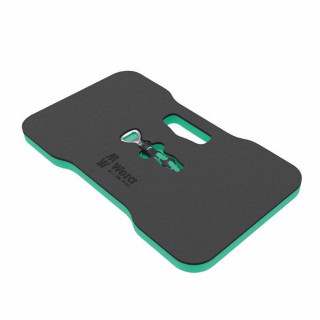
Wera PPE
Wera PPE keeps you covered for the dirty, awkward jobs where dust, knocks and time on your knees soon catch up with you on site.
If you're on refurbs, fit-outs or snagging work, decent PPE is not optional. Wera PPE and Wera Workwear PPE give trades a practical layer between you and the usual site grief, whether that's kneeling on concrete, working through dust, or staying protected in busy workshops. It is the sort of kit that earns its keep when the shift runs long. If you already trust Wera Hand Tools, it makes sense to keep your protective gear just as job-focused. Have a look through the range and get the right bits sorted before the next job starts.
What Is Wera PPE Used For?
- Working on hard subfloors, service voids, and first fix areas is easier with Wera site PPE that takes the pressure off your knees and helps you stay on the job longer without hobbling back to the van.
- Moving between workshop benches and live site areas suits Wera personal protective equipment because it is built for proper trade use, not just a quick DIY tidy-up.
- Handling repetitive floor-level jobs, cabinet fitting, socket work, and low-level fixings is exactly where Wera safety gear pays for itself by cutting strain during long shifts.
- Keeping covered during snagging, maintenance, and day-to-day site tasks matters when you are in and out of tight spaces, rough surfaces, and unfinished areas that punish cheap kit.
Choosing the Right Wera PPE
Sort the right Wera PPE by looking at the job you actually do all week, not the one-off task.
1. Match It to Time Spent on the Floor
If you are only kneeling now and then for quick adjustments, lighter protection may do. If you are fitting kitchens, running cables, or working floor level five days a week, go straight for proper support like Wera Knee Pads.
2. Think About the Surface
Smooth indoor floors are one thing, but rough screed, blockwork, and external slabs chew through poor PPE fast. If the surface is harsh, buy for durability first or you will be replacing it before the month is out.
3. Buy for Trade Use, Not Just Comfort
Comfort matters, but only if the kit still protects you by the end of the shift. If your work means constant kneeling, shifting, and standing back up, choose Wera trade PPE that stays put and does not need fiddling every twenty minutes.
Who Uses These on Site?
- Sparkies use Wera PPE for floor boxes, back box work, and low-level fixing where you are up and down all day and your knees take the hammering.
- Kitchen fitters and chippies swear by this sort of Wera protective equipment when they are kneeling in front of units, trimming plinths, or fixing out on concrete floors.
- Plumbers and heating engineers reach for Wera Workwear PPE when working around pipe runs, cupboards, and plant rooms where space is tight and hard surfaces do the damage.
- Maintenance teams and snagging crews keep this kit close because it is the kind of gear you use for dozens of short jobs across a shift, not one big glamorous task.
Wera Accessories That Back Up Your PPE
A few sensible extras make your protection kit more useful across the whole shift, not just one part of the job.
1. Hand Tools
Pair your protective kit with Wera Hand Tools when you are doing repetitive bench work, fixing, or floor-level installs. It is a lot easier to work safely when the tools in your hand are as dependable as the gear protecting you.
2. Trade Sets
A proper tool kit like Wera Sets saves you crawling back and forth for missing bits. Less wasted movement means less strain, especially when you are already kneeling in awkward spots.
3. Everyday Site Kit
Adding a few items from Wera Trade Essentials helps round out your day-to-day setup, whether that is workshop prep, van stock, or the small bits that stop jobs dragging on.
Choose the Right Wera PPE for the Job
Use this as a quick guide to match the kit to the kind of work you are doing.
| Your Job | Category or Type | Key Features |
|---|---|---|
| Fitting kitchens or flooring at ground level all day | Knee protection | Cushioning, secure fit, and enough durability for concrete, board, and unfinished floors |
| Snagging and maintenance across different rooms | General Wera site PPE | Easy to wear, quick to move in, and suited to repeated short tasks through the shift |
| Workshop assembly and bench work | Light trade PPE | Comfort for repeated tasks, protection from knocks, and kit that does not get in the way |
| Refurb work with rough subfloors and awkward access | Hard-wearing protective equipment | Tough outer materials, reliable support, and fit that stays put when shifting position |
Common Buying and Usage Mistakes
- Buying PPE for comfort alone is a mistake because soft kit that shifts about or wears through quickly will annoy you and leave you unprotected. Check how it holds up on rough site surfaces, not just how it feels fresh out the bag.
- Using light workshop gear for heavy site work causes fast wear and poor protection. If you are regularly on screed, concrete, or blockwork, choose Wera workwear and PPE that is built for trade conditions.
- Ignoring fit wastes money because loose or badly placed protection never stays where you need it. If it slips every time you kneel down, it is the wrong bit of kit for the job.
- Leaving PPE dirty and damp in the van shortens its life and makes it miserable to wear. Brush it down, dry it properly, and it will last longer and be ready for the next shift.
Knee Pads vs General Site PPE vs Workshop PPE
Knee Pads
Best for trades spending serious time on the floor, like fitters, sparkies, and plumbers. They protect properly on hard surfaces, but they are only one part of a full safety setup.
General Site PPE
This is the better choice for mixed site duties where you are moving between tasks and need day-to-day protection. It is more versatile than task-specific gear, but may not give the focused support of dedicated knee protection.
Workshop PPE
Fine for cleaner indoor environments and bench work where movement is limited and surfaces are smoother. Once you take it onto rough site floors and awkward access areas, it can come up short on durability.
Maintenance and Care
Clean Off Dust and Grit
Brush off plaster dust, grit, and site muck after use. Ground-in debris wears materials faster and makes protective gear less comfortable on the next job.
Dry It Before Storage
If your PPE gets damp, let it dry properly before chucking it back in the van or locker. Damp gear goes stale fast and can break down sooner than it should.
Check Wear Points
Look over straps, fastenings, and padded areas for flattening or splits. Once the protection has compressed or started tearing, it is time to replace it rather than make do.
Store It Flat or Properly Packed
Do not crush your kit under tools and fixings in the van. Proper storage helps PPE hold its shape and keeps straps or edges from getting damaged.
Why Shop for Wera PPE at ITS?
From everyday Wera site PPE to specialist bits in the wider Wera Workwear And PPE range, we stock the kit trades actually use. It is all held in our own warehouse, ready for next day delivery, so you can get your Wera Workwear PPE sorted without chasing stock from elsewhere.
Wera PPE FAQs
What Wera PPE is available for site work?
Wera PPE for site work covers practical protective kit aimed at day to day trade use, especially jobs where kneeling, repeated movement, and rough surfaces are part of the shift. On this page, you will find the Wera personal protective equipment range suited to refurbs, fitting work, workshop tasks, and general site use.
Is Wera PPE suitable for professional tradesmen?
Yes. Wera PPE is aimed at proper trade use, not occasional home jobs. It suits tradesmen who need kit that can handle regular kneeling, shifting about on rough floors, and repeated use across long working days.
What personal protective equipment should I use for hand tool work?
That depends on the task, but for hand tool work you should be looking at the basics first such as eye protection, gloves where appropriate, and knee protection if the job keeps you low down. If you are using hand tools for assembly, fitting, or floor-level fixings, match the PPE to the actual risk rather than just wearing the minimum.
Can Wera PPE be used in workshops and on site?
Yes, that is one of the main reasons trades buy it. Wera site PPE is useful for workshop prep, bench work, and live site jobs, especially if you move between cleaner indoor spaces and rougher unfinished areas during the same day.
How do I choose the right Wera Workwear PPE?
Start with the job that is hardest on your body or your gear. If you spend hours kneeling, buy proper knee protection first. If your day is mixed between van, workshop, and site, go for versatile Wera Workwear PPE that is comfortable enough to wear all shift but tough enough for site conditions.
Is Wera PPE tough enough for daily site abuse?
Yes, for the jobs it is designed to do. It is proper trade kit and stands up well to regular kneeling, workshop use, and moving around busy sites. That said, no PPE lasts forever if you leave it buried in rubble or soaked in the back of the van, so a bit of care makes a difference.