Vaunt X Saw Blades
Vaunt X saw blades are built for faster, cleaner cutting through timber, sheet, metal and demolition work without burning time on blunt, wandering blades.
If your saw is sound but the cut is rough, slow or full of tear-out, the blade is usually the weak point. Vaunt X blades are the upgrade for lads cutting all day on site, with options across circular, recip and jigsaw patterns that hold their line, last properly and suit the material in front of you.
What Are Vaunt X Saw Blades Used For?
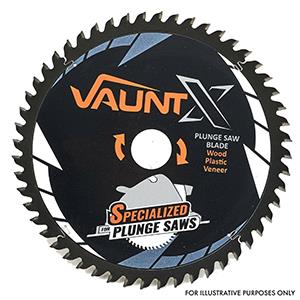
- Cutting sheet timber, CLS and board on first fix is where vaunt x circular saw blades earn their keep, giving you straighter cuts and less breakout than tired site blades.
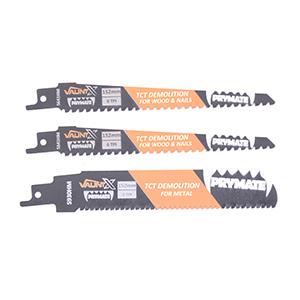
- Stripping out old stud, embedded nails, plastic pipe and mixed materials in refurbs suits recip work, and Vaunt X Reciprocating Saw Blades are made for that stop-start demolition abuse.
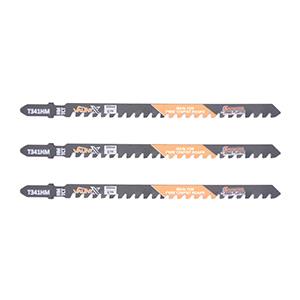
- Shaping worktops, scribing panels and trimming awkward cuts in MDF, ply or laminate is exactly the sort of job where vaunt x jigsaw blades save rework and keep the finish tidy.
- Cross cutting finished timber, sheet stock and general joinery material on site is easier with Vaunt X Circular Saw Blades matched to the saw and the cut you actually need.
- Keeping a few blade types in the van for timber, metal and demolition work means you are not forcing one pattern to do every job and wrecking both speed and finish.
Choosing the Right Vaunt X Saw Blades
Sorting the right blade is simple: match it to the saw, the material and the finish you need. Do not buy on diameter or length alone and hope for the best.
1. Pick the Blade for the Saw First
If you are running a circular saw, buy circular saw blades with the right diameter and bore for that machine. If you are on a recip or jigsaw, the fitting and blade pattern matter just as much. The wrong fit wastes time before the job has even started.
2. Match Tooth Pattern to the Material
If you are smashing through rough timber or strip-out, go for a blade built for fast cutting and abuse. If you need a cleaner edge in sheet material, laminate or finished timber, choose a finer pattern. Fast and tidy are usually two different blades.
3. Think About Nails and Mixed Materials
If there is any chance of hidden fixings, old screws or mixed material in the cut, do not chance a clean wood blade. Use the proper recip or TCT option instead, otherwise you will blunt it early and the cut will start wandering.
4. Buy for the Workload, Not One Cut
If you only cut the odd panel, a basic spare will do. If you are cutting all week, vaunt premium saw blades make more sense because fewer blade changes and cleaner cuts save more time than the cheaper option ever will.
Who Uses These on Site?
- Chippies and first fix joiners use vaunt x saw blades for ripping sheet, trimming carcassing and keeping circular saw cuts clean enough that they are not wasting time dressing edges after.
- Kitchen fitters and second fix lads reach for the jigsaw patterns when they are scribing end panels, cutting sink openings or trimming laminate where a rough edge will show straight away.
- Demo teams, plumbers and sparkies keep recip blades close for strip-out, cutting old pipe, conduit, stud and nail-riddled timber where the blade takes more punishment than the tool.
- General builders and maintenance teams who buy Vaunt kit tend to keep a spread of blade types in the van so the saw is ready for timber one minute and mixed material the next.
The Basics: Understanding Saw Blades
The blade decides the speed, finish and how hard the saw has to work. Get the basic type right and the job goes smoother, cleaner and with less strain on the tool.
1. Circular Saw Blades for Straight Cutting
These are for ripping and cross cutting timber, board and sheet goods. More suitable tooth patterns help with cleaner finished cuts, while tougher TCT options stand up better when the work is rougher and more repetitive.
2. Recip Blades for Strip Out and Access
Recip blades are what you use when the job is awkward, dirty or full of hidden surprises. They are built for demolition cuts, pipe, timber with nails and mixed materials where speed and toughness matter more than a neat edge.
3. Jigsaw Blades for Shaped and Visible Cuts
Jigsaw blades are the choice for curves, cut-outs and trimming work where control matters. The right blade helps stop breakout in laminate, ply and finished boards, especially when you are cutting something the client is going to see.
Saw Blade Extras That Save Time on Site
A few sensible add-ons keep your blades cutting properly and stop wasted trips back to the van.
1. Spare Blade Packs
A spare pack is a no-brainer if you are cutting all day. The job always slows down when the last decent blade is gone and you are trying to finish timber or strip-out work with something already half spent.
2. Blade Storage Cases
Loose blades rattling about in the van get damaged, lose teeth and are a pain to sort through. A proper case keeps circular, recip and jigsaw blades separated so you grab the right one first time.
3. Guide Rails and Fences
If you are using circular saw blades for sheet work, a rail or fence saves you from wandering cuts and wasted board. It is a cheap fix for the sort of mistake that costs more than the accessory.
Choose the Right Vaunt X Saw Blades for the Job
Use this as a quick guide before you fill the basket.
| Your Job | Category or Type | Key Features |
|---|---|---|
| Ripping CLS, sheet timber and board | Vaunt X circular saw blades | Correct diameter and bore, TCT teeth, stable straight cutting, decent blade life on repeated site cuts |
| Cleaner cross cuts in visible timber and sheet | Fine tooth circular saw blade | Cleaner finish, less breakout, better for joinery and fitted work where the edge matters |
| Strip-out of timber with nails, pipe and mixed materials | Vaunt X recip blades | Tougher blade pattern, built for demolition abuse, better where hidden fixings are likely |
| Sink cut-outs, scribing and shaped panel cuts | Vaunt X jigsaw blades | More control in curves, better on laminate, ply and MDF, easier to keep finished cuts tidy |
| General van stock for mixed day to day jobs | Mixed blade selection | Covers timber, metal and demolition work so you are not forcing one blade to do everything badly |
Common Buying and Usage Mistakes
- Buying by size only and ignoring the saw fitting is the first mistake. Check diameter, bore, shank or blade type properly, otherwise it will not fit or it will run poorly.
- Using a clean wood blade on nail-riddled timber is a fast way to ruin it. If the material is suspect, step up to a tougher blade made for demolition or mixed cuts.
- Trying to get a fine finished edge from a rough demolition blade wastes time. Pick one blade for speed and another for visible work instead of expecting one pattern to cover both.
- Keeping blunt blades in service too long makes the saw work harder, heats the cut and leaves a worse finish. Swap them out sooner and the tool will cut straighter with less fuss.
- Letting blades knock about loose in the van chips teeth and bends thinner patterns. Store them properly and they will last longer before they even touch the job.
Circular Saw Blades vs Recip Blades vs Jigsaw Blades
Circular Saw Blades
Best when you need straight, repeatable cuts through timber, sheet and board. They are the right pick for first fix cutting and sheet breakdown, but they are no use once the job turns awkward, buried or full of hidden fixings.
Recip Blades
These are for demolition, strip-out and rough access cuts where speed and toughness matter more than finish. They handle mixed materials far better, but they will never leave the sort of edge you would want on visible joinery work.
Jigsaw Blades
Use these for curves, cut-outs and trimming where control is more important than brute pace. They are ideal for worktops, panels and detailed fitting, but slower and less suited to long straight cuts than circular saw blades.
Maintenance and Care
Keep Pitch and Resin Off
Timber blades clog up with resin quicker than most lads realise. A dirty blade cuts hotter and slower, so give it a proper clean now and then instead of blaming the saw.
Store Blades Flat and Separate
Circular blades want to stay flat and jigsaw or recip blades should not be rattling against each other. Teeth get chipped in storage just as easily as on the job if you are careless.
Change Blades Before They Fight Back
If the cut starts burning, wandering or tearing badly, the blade is telling you it is done. Carrying on only strains the motor and makes the finish worse.
Check for Missing Teeth and Bends
A quick look before fitting saves grief. If a blade is bent, cracked or missing teeth, bin it. Forcing another cut from damaged blades is false economy and can get lively fast.
Why Shop for Vaunt X Saw Blades at ITS?
Whether you need one replacement blade for tomorrow morning or you are stocking the van with Vaunt Saw Blades across circular, recip and jigsaw types, we carry the full range in the sizes and patterns trades actually use. It is all held in our own warehouse, in stock and ready for next day delivery, so you can get the right blade on site without hanging about.
Vaunt X Saw Blades FAQs
What saw blades are in the Vaunt X range?
The range covers the main site saw types you actually use, including vaunt x circular saw blades, recip blades and jigsaw blades. That gives you options for straight timber cutting, rough strip-out work and more detailed shaped cuts without chopping between brands.
How do Vaunt X saw blades differ from standard Vaunt?
Vaunt X is the step-up range built for harder graft and more regular trade use. In plain terms, you are looking at vaunt premium saw blades aimed at better cut life, stronger performance in tougher materials and more confidence when the job is repetitive or rough.
Are Vaunt X saw blades compatible with all saws?
No, and that is worth checking before you order. Blade compatibility depends on the saw type, fitting, diameter, bore or shank pattern. Match the blade to your exact saw rather than assuming all vaunt x blades fit everything.
What materials can Vaunt X saw blades cut?
That depends on the blade pattern, but the range is built around common trade materials like timber, sheet goods, laminate, metal, plastic pipe and mixed demolition material. Always check the blade type first, because the right blade for clean timber is not the same one you want for nail-filled strip-out.
Are Vaunt X blades any good for nail-riddled timber and refurb work?
Yes, if you choose the right recip or TCT option for the job. They are built for tougher site use than a basic clean wood blade, but no blade likes being abused with the wrong application, so match it properly and it will last a lot better.
Will these leave a clean enough finish for visible work?
Yes, provided you pick the right tooth pattern for the material and the finish. For kitchens, laminate and fitted panels, a finer blade is the sensible choice. For rough cutting carcassing, go faster and tougher instead.
Should I buy Vaunt X or just stick with a cheaper blade pack?
If you only make the odd cut, cheaper blades can get you by. If you are on site every day, better blades usually save money because they cut straighter, last longer and stop you wasting time swapping out tired blades halfway through the job.
Can I mix Vaunt X with the rest of my blade stock?
Yes, plenty of trades do exactly that. Keep your regular stock for lighter jobs, then use Vaunt X where the material is tougher, the cut matters more or you just need blades that put up with more abuse.