






Vaunt X
When standard kit starts wearing out, the vaunt x range steps up with tougher site-ready gear built for harder use, better fit, and longer shifts.
Vaunt X is the sharper end of Vaunt, covering vaunt premium tools, accessories and site kit that need to hold up properly under trade use. You will find bits for cutting, drilling, sanding and general graft, plus practical gear like Vaunt X Saw Blades, Vaunt X Wood Chisels, Vaunt X Hand Tool Kits and Vaunt X Gazebos & Tents. If you want vaunt x tools uk trades can actually lean on, start with the job and pick the gear that matches it.
What Are Vaunt X Products Used For?
- Cutting sheet materials, timber and finish sections on refurbs and fit-outs, where decent blades matter more than flashy packaging and you need clean results without burning through consumables too quickly.
- Drilling timber, metal and masonry on first fix and second fix work, where vaunt x drill bits need to stay straight, bite cleanly and keep going when the day turns into one hole after another.
- Sanding filler, timber edges and painted surfaces during prep and snagging, where vaunt x sanding gear helps you get a flatter finish without discs clogging up five minutes into the job.
- Handling day to day bench work, trimming, fitting and site repairs, where solid hand tools save time, take knocks and do not feel like they will twist or chip under proper use.
- Keeping site setups working in rough weather and long shifts, whether that means shelter, storage or accessories that stop the job grinding to a halt over cheap weak points.
Choosing the Right Vaunt X Product
Sort the right vaunt x kit by the job in front of you, not by whatever happens to be on offer.
1. Match the consumable to the material
If you are cutting timber all day, go straight for the right vaunt x saw blades rather than making one blade do everything badly. If you are drilling block, timber and steel in the same week, keep separate vaunt x drill bits for each so you get cleaner holes and longer life.
2. Buy for site use, not occasional DIY jobs
If the kit is going in and out of the van five days a week, pick from the vaunt premium tools end of the range where tougher build, better edges and more dependable fit actually earn their keep. If it is only for the odd home job, you do not need to over-spec.
3. Think finish level before you buy
If you are on second fix, joinery or decorating prep, choose the vaunt x products aimed at cleaner cuts and more controlled sanding. For rough site work and rip-out, prioritise durability and speed over a showroom finish.
4. Do not ignore the full setup
If the job needs more than one bit of kit, buy the system around it. A better blade, the right abrasive, and a proper hand tool kit usually save more time than replacing one weak item at a time.
Who Uses These on Site?
- Chippies reach for Vaunt X for cutting, chiselling and sanding jobs where a cleaner finish matters, especially on second fix, kitchen fitting and bench work back at the van.
- Sparkies and plumbers use the vaunt x range for drilling runs, cutting access points and carrying dependable hand tools that can live in the bag without falling to bits halfway through the week.
- General builders and maintenance teams rate vaunt premium tools when the job list jumps from fixing timber to drilling block to tidying up snagging, and they need one range that covers the lot.
- Site teams and landscapers also use the tougher setup gear in the vaunt x range uk when they need practical shelter and support kit that stands up better in wind, rain and muddy ground.
Vaunt X Accessories That Keep the Job Moving
The right extras stop wasted trips to the van and help your core kit last longer on site.
1. Spare Saw Blades
A fresh blade saves you fighting burn marks, rough cuts and slow progress when the first one dulls halfway through sheet goods or carcassing. Keep the right tooth pattern for the material and swap before the finish goes off.
2. Drill Bit Sets
Do not try forcing one tired bit through every surface on site. A proper set means you have the right diameter and material type ready, which saves snapped bits, wandering starts and chewed fixings.
3. Sanding Sheets and Discs
Having the right grit to hand stops you ruining prep work with paper that is too coarse or wasting time with paper that is too fine. Stock a few grades so you can strip back, smooth off and finish properly.
Choose the Right Vaunt X for the Job
Use this quick guide to sort the right bit of the range for the work in front of you.
| Your Job | Category or Type | Key Features |
|---|---|---|
| Cutting framing timber, sheet goods or finish boards | Vaunt X saw blades | Choose the right tooth count and blade type for speed, cleaner edges and less tear-out. |
| Drilling repeated holes in wood, metal or masonry | Vaunt X drill bits | Pick the correct material-specific bit so it cuts cleaner, runs truer and lasts longer. |
| Prepping timber, filler or painted surfaces | Vaunt X sanding | Match grit to the stage of the job so you remove stock fast without spoiling the final finish. |
| Bench work, fitting and controlled hand work | Vaunt X hand tools | Look for solid edges, decent grip and build that will not loosen up after regular van use. |
| Working outside through changeable weather | Vaunt X site shelters and setup kit | Go for stable frames, practical coverage and kit that sets up quickly without holding the job up. |
Common Buying and Usage Mistakes
- Buying one blade or bit to cover every material usually means slower work, rougher results and shorter life. Match the accessory to the material and the cut or hole will come easier.
- Choosing purely on price instead of workload is where lads end up replacing gear too often. If the kit is for daily site use, buy from the tougher end of the vaunt x range from the start.
- Using worn sanding sheets, chipped chisels or blunt drill bits just wastes time and strains the tool. Change consumables when performance drops rather than forcing them through one more job.
- Ignoring finish requirements causes grief later, especially on second fix and decorating prep. Use the right grit, edge and blade style early so you are not fixing avoidable damage at snagging stage.
- Leaving tools and accessories loose in the van shortens their life fast. Store them properly and you avoid bent teeth, rust, missing pieces and wasted setup time in the morning.
Vaunt X vs Standard Vaunt vs General Site Consumables
Vaunt X
This is the part of the range for harder trade use, where better durability, more dependable fit and cleaner results matter. It suits lads who are using the kit regularly and want fewer weak points on site.
Standard Vaunt
Standard Vaunt still covers plenty of everyday jobs well, especially where the workload is lighter or less frequent. If you are not hammering the gear daily, it can be the sensible buy without stepping up to the X line.
General Site Consumables
Cheaper mixed consumables can get you out of trouble, but they often wear quicker, cut rougher and vary more from pack to pack. Fine for occasional use, not ideal when the finish or pace of work actually matters.
Maintenance and Care
Keep Consumables Clean
Brush dust and resin off blades, bits and sanding accessories after use. Letting muck build up causes heat, poor cutting and shorter life, especially after repeated timber work.
Store Dry and Flat
Do not leave accessories rolling about in a damp van. Keep blades flat, bits sorted and abrasives dry so they stay true and are ready to use when you need them.
Replace Before It Costs You Time
A blunt bit or tired blade slows the whole job down and can damage the material as well. If cut quality drops or the tool starts labouring, swap it out rather than pushing on.
Protect Cutting Edges
Chisels and other edged tools need guarding from knocks in transit. Use sleeves, rolls or cases where you can, because one chipped edge can mean more fettling than the tool is worth.
Why Shop for Vaunt X at ITS?
Whether you are after vaunt x products for cutting, drilling, sanding, hand tools or site setup, we stock the full vaunt x range uk trades actually use. It is all held in our own warehouse, ready for fast dispatch and next day delivery, so you can get the right kit on site without hanging about.
Vaunt X FAQs
What is the Vaunt X range?
The Vaunt X range is the tougher, more trade-focused end of the Vaunt line. It covers vaunt x tools uk buyers use for regular site work, including accessories, hand tools and job-specific kit built to cope better with repeated use.
How does Vaunt X differ from standard Vaunt?
Vaunt X is aimed at heavier use and tighter site demands. In simple terms, standard Vaunt handles everyday work well, while Vaunt X steps up where durability, finish quality, fit and repeat performance matter more over a long working week.
Are Vaunt X products suitable for professional use?
Yes. That is really the point of the range. Vaunt X products are suited to trades who need kit for proper site use rather than the odd weekend job, especially when they are cutting, drilling, sanding or fitting day in, day out.
What products are available in the Vaunt X range?
The range includes vaunt x saw blades, vaunt x drill bits, vaunt x sanding products, hand tools, site shelters and other accessories. The exact mix depends on what is live in the range, but it is built around practical gear trades actually burn through and replace.
Is Vaunt X only for one trade, or does it cover a mix of jobs?
It covers a mix. Chippies, sparkies, plumbers, builders and maintenance teams all use different parts of the vaunt x range because it spans consumables, hand tools and support kit rather than one narrow product type.
Are Vaunt X accessories just re-badged basics, or are they built for harder use?
No, they are aimed at harder use. The difference shows up in the sort of things trades notice quickly, like how clean a blade cuts, how long a bit keeps working properly, or whether sanding gear clogs and gives up too early.
-
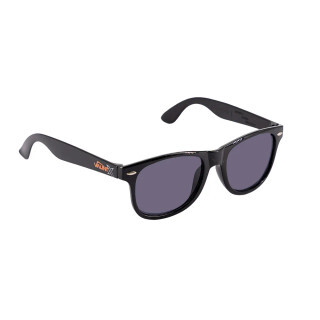
Vaunt X Branded Merchandise
-
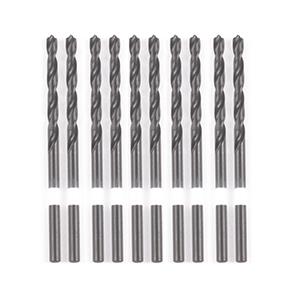
Vaunt X Drill Bits
-
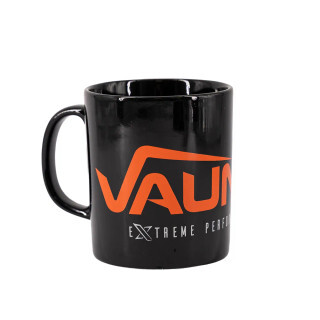
Vaunt X Flasks & Mugs
-
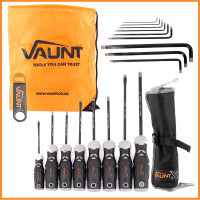
Vaunt X Hand Tool Kits
-

Vaunt X Lasers, Detectors & Digital Measures
-
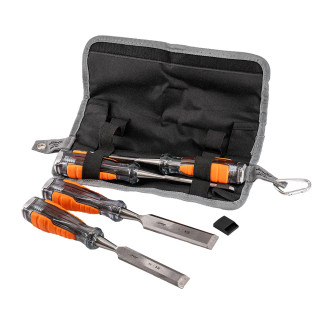
Vaunt X Wood Chisels
-
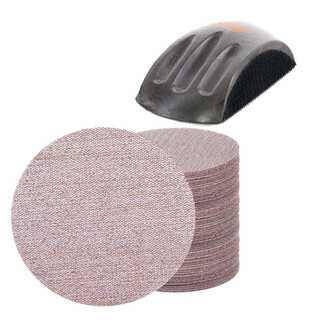
Vaunt X Sanding Pads & Sheets
-
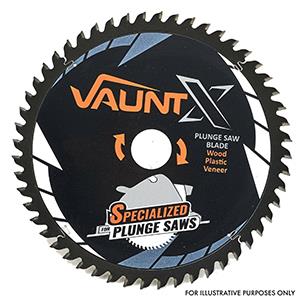
Vaunt X Saw Blades
-
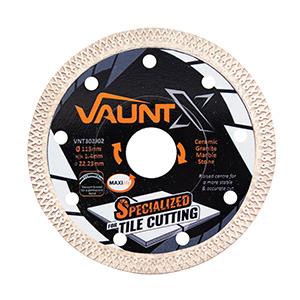
Vaunt X Angle Grinder Discs & Accessories
-
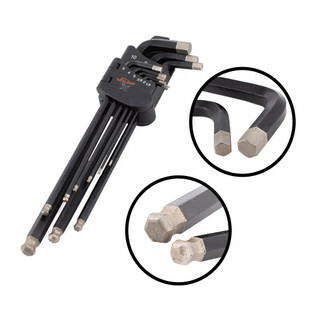
Vaunt X Fastening Tools
-
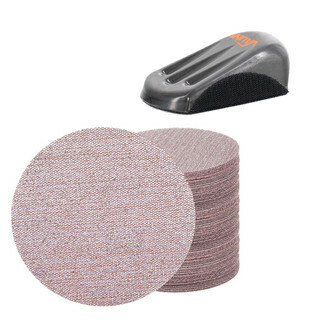
Vaunt X Sanding and Finishing Tools
-
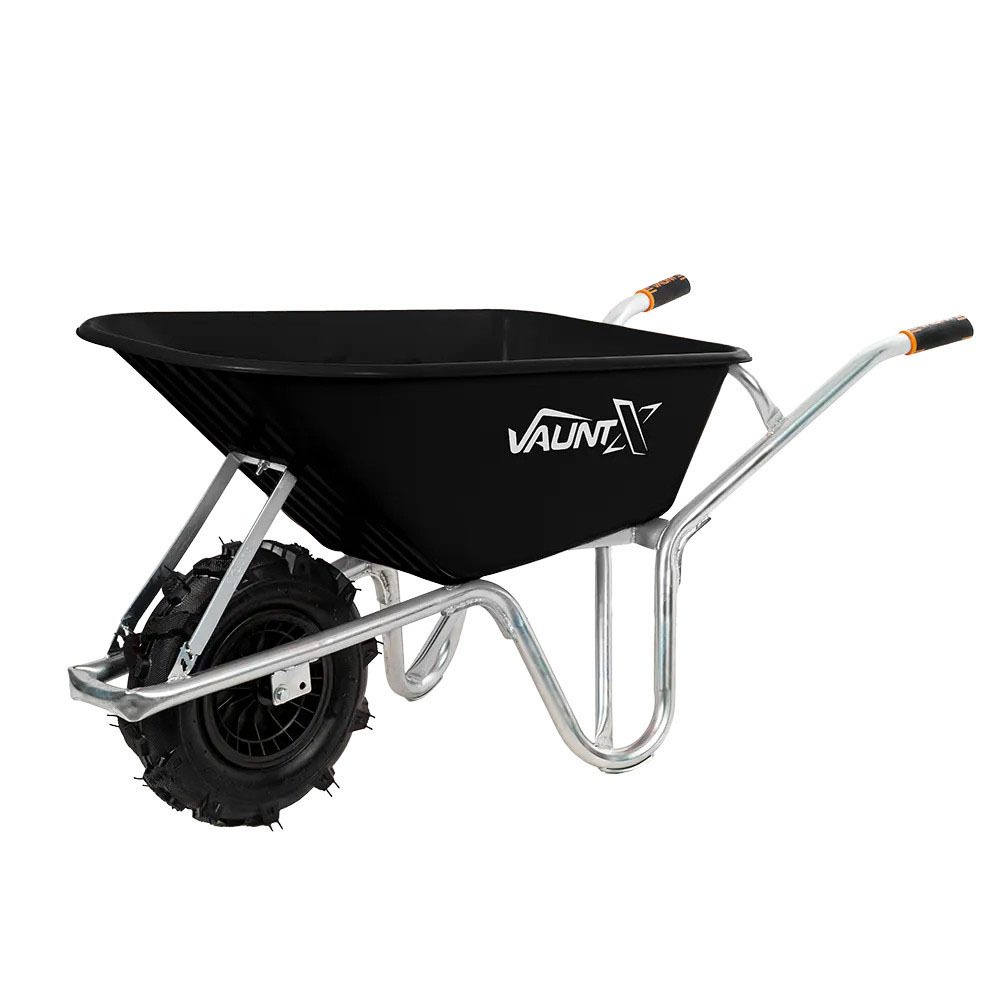
Vaunt X Wheelbarrows
-
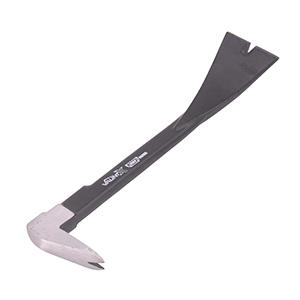
Vaunt X Demolition and Construction Tools
-
Vaunt X Gadgets & Toys
-
Vaunt X Gazebos & Tents
-
Vaunt X Screwdriver Bits & Bit Holders
-
Vaunt X SDS Bits and Attachments



