Vaunt Shelving
Vaunt shelving is built for workshops, garages, vans and stores where tools, fixings and heavy kit need a proper place, not a pile on the floor.
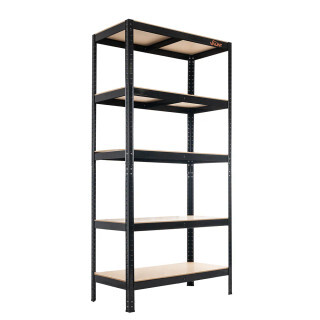
If the bench is buried and you are wasting time hunting boxes, Vaunt shelving sorts it. These vaunt storage shelves and vaunt workshop shelving units are made for keeping power tools, fixings, paint, fittings and site stock organised without wobble or faff. From vaunt boltless shelving for quick setup to vaunt heavy duty shelving for weightier loads, this is proper workshop storage. You can also tie it in with Vaunt Tool Storage, build out a full Vaunt Workshop, or add Vaunt Wall Shelves & Racks where floor space is tight. Get your layout sorted and pick the right vaunt shelving unit for the job.
What Jobs Are Vaunt Shelving Best At?
- Storing power tools, batteries and cases in a workshop keeps the bench clear and stops decent kit getting stacked where it gets knocked about.
- Sorting fixings, sealants, paint tins and boxed stock in a garage or site store makes it quicker to find what you need instead of emptying half the room to get at one item.
- Setting up a proper parts and consumables area for maintenance teams helps keep screws, blades, abrasives and fittings in order so restocking is simple.
- Using vaunt heavy duty shelving for bulkier gear like tile boxes, hand tool cases and spare materials gets weight off the floor and makes the space safer to work in.
- Fitting vaunt workshop shelving in sheds, lockups and trade units gives you a tougher, more stable setup than cheap domestic shelves that twist once they are properly loaded.
Choosing the Right Vaunt Shelving
Sorting the right one is simple. Match the shelving to the weight, the footprint and what you actually need to get at every day.
1. Shelf Load Comes First
If you are storing fixings, paint, hand tools and boxed parts, standard shelf capacities are usually plenty. If you are piling on tile boxes, power tool stacks or dense stock, go straight to vaunt heavy duty shelving and check the rated load per shelf before you buy.
2. Boltless or Traditional Build
If you want it up quickly in a workshop or lockup, vaunt boltless shelving is the sensible choice because it is quicker to assemble and easier to reposition. If the unit is staying put long term, focus less on assembly style and more on shelf strength and overall size.
3. Open Access or Wall Storage
If you are constantly in and out for tools and consumables, open shelving makes more sense than stacking boxes on the floor. If floor space is tight, combine your main shelving with Vaunt Wall Shelves & Racks so the heavy stuff stays low and the everyday bits stay in reach.
4. Build Around the Rest of Your Storage
If you already run cases, tubs and portable storage, measure them first and make sure the shelf spacing works for what you own. It is worth matching shelving with Vaunt Tool Boxes & Organisers so loose consumables and small parts do not end up spread across open shelves.
Who Uses These on Site?
- Chippies and joiners use vaunt shelving to keep routers, sanders, fixings and boxed ironmongery in order so first fix and second fix gear is easy to grab.
- Sparkies swear by this sort of shelving in workshops and vans stores because it keeps cable, accessories, testers and consumables separated instead of buried in mixed crates.
- Plumbers and heating engineers use vaunt storage shelves for fittings, valves, sealants and tool cases, especially when they want common stock laid out by job type.
- Site maintenance teams and workshop fitters use vaunt metal shelving to hold spare parts, cleaning gear and repair kit where it can take regular loading without sagging.
- Garage users, fabricators and general builders reach for vaunt racking when they need a straightforward shelving unit that goes up fast and takes the day to day abuse of a busy work area.
Workshop Storage Add Ons That Make Vaunt Shelving Work Harder
A decent shelving run works better when the rest of the storage setup stops clutter building back up.
1. Tool Boxes and Organisers
Open shelves are handy, but small fixings and loose bits soon turn into a mess. Add Vaunt Tool Boxes & Organisers so screws, blades, fittings and sundries stay sorted instead of rolling about on the shelf.
2. Wall Shelves and Racks
When floor space is already tight, wall storage stops you cramming everything onto one shelving bay. Use Vaunt Wall Shelves & Racks for lighter grab and go kit and leave the heavier stock on the main shelves.
3. Full Workshop Storage
If you are setting up from scratch, one shelving unit rarely solves the whole problem. Build around Vaunt Workshop storage so benches, shelves and wall storage all work together instead of fighting for the same space.
Choose the Right Vaunt Shelving for the Job
Pick your shelving by load, access and how hard the space gets used.
| Your Job | Category or Type | Key Features |
|---|---|---|
| Keeping tools and cases off a crowded workshop floor | Vaunt shelving unit | Open access shelves, solid frame, enough depth for tool cases and stacked gear |
| Storing heavier boxes, materials and dense stock | Vaunt heavy duty shelving | Higher shelf load rating, stronger uprights, better suited to weightier workshop storage |
| Setting up a garage or lockup without wasting half a day building it | Vaunt boltless shelving | Quicker assembly, simple layout changes, practical for new workshop setups |
| Using tight wall space for lighter everyday kit | Vaunt workshop shelving with wall storage | Frees floor area, keeps hand tools and consumables within easy reach |
| Building a full matching storage area | Vaunt racking and storage system | Works alongside other Vaunt workshop storage for a tidier and more usable layout |
Common Buying and Usage Mistakes
- Buying by outside size only and ignoring shelf load rating is the big one. The unit might fit the space, but if you load it with tile boxes, tool cases or paint stock beyond its rating, you will shorten its life fast.
- Using open shelving for every small loose item creates clutter within a week. Fix it by using tubs or organisers for fixings, blades and fittings so the shelves stay usable.
- Not measuring your biggest cases and boxes first usually ends with wasted shelf space or gear that only fits on its side. Check shelf width, depth and spacing against the kit you already own.
- Sticking all the heaviest gear on the top shelves makes the unit awkward and less stable in daily use. Keep dense loads lower down and lighter stock higher up where it is easy to reach.
- Treating workshop shelving like cheap domestic furniture is a mistake. If the area sees proper trade use, pick metal shelving built for tools and stock, not light household storage.
Boltless Shelving vs Heavy Duty Shelving vs Wall Racks
Vaunt Boltless Shelving
Best when you want workshop storage up quickly without messing about with a long build. It suits tools, cases and general stock well, but for the heaviest loads you still need to check the per shelf rating properly.
Vaunt Heavy Duty Shelving
This is the one for bulkier kit, dense boxes and heavier workshop supplies. It takes harder use better, but it is overkill if you are only storing light consumables and a few hand tools.
Vaunt Wall Shelves and Racks
Better for making use of dead wall space and keeping lighter gear off the bench. They are not a replacement for floor standing shelving when you need to hold power tools, boxed stock or heavy materials in quantity.
Maintenance and Care
Keep Shelves Clear of Dust and Spillages
Give vaunt shelving a quick clean now and then, especially in workshops where sawdust, plaster dust or oil builds up. It keeps stock cleaner and stops the shelves turning into a grubby dumping ground.
Check the Frame After Heavy Use
If the shelving is loaded hard day in day out, inspect the uprights, shelf supports and joints every so often. Catching movement or damage early is better than finding out when a loaded shelf starts leaning.
Store Weight Low
This is as much care as it is setup. Keep heavier cases, boxes and stock on the lower shelves to reduce strain on the unit and make day to day loading safer.
Replace Bent or Damaged Parts Early
If a shelf or support gets bent from impact or overloading, do not just keep piling gear on it. Sort the damaged part before it starts affecting the rest of the shelving run.
Do Not Let Clutter Defeat the Point
A shelving unit only works if the gear goes back in the same place. Use labels, boxes or organisers and keep the layout sensible so the storage still saves time a month from now.
Why Shop for Vaunt Shelving at ITS?
Whether you need a single vaunt shelving unit for the garage or full vaunt workshop shelving for a proper trade setup, we stock the range in one place. That includes vaunt storage shelves, vaunt heavy duty shelving and matching workshop storage from Vaunt Shop All. It is all held in our own warehouse, in stock and ready for next day delivery.
Vaunt Shelving FAQs
What shelving does Vaunt make?
Vaunt makes practical workshop and storage shelving aimed at garages, sheds, lockups and trade spaces. In the range you will usually find metal shelving, boltless shelving and other workshop storage options designed to keep tools, consumables and boxed stock organised properly.
Are Vaunt shelves easy to assemble?
Yes, especially the boltless styles. They are built to go together without turning it into a full day job, which matters when you are trying to get a workshop sorted and back in use. Just build them square, check they are sitting level and do not rush the first shelf height layout.
What weight can Vaunt shelving hold per shelf?
That depends on the specific vaunt shelving unit. Always check the stated per shelf load rating on the product, because there is a big difference between storing hand tools and loading up dense boxes of fixings or materials. If in doubt, go heavier duty and keep the weight low down.
Is Vaunt shelving suitable for workshop use?
Yes, that is exactly where it makes sense. Vaunt workshop shelving is suited to storing power tools, cases, consumables, paint, fittings and general trade stock in a way that keeps the floor clearer and the bench usable.
Will Vaunt shelving wobble once it is loaded up?
Not if it is assembled properly, set on a level floor and loaded within its rating. Like any shelving, it will only feel right if the frame is square and the heaviest gear is kept on the lower shelves rather than all stacked up top.
Is this proper metal shelving or just light garage stuff?
Vaunt metal shelving is aimed at real workshop and storage use, not flimsy decorative storage. That said, you still need to match the shelf rating to the job. For light stock it is fine, but for dense loads choose the heavier duty options rather than guessing.