Vaunt Multi Tool Blades & Accessories
Vaunt multi tool blades are for the awkward cuts and scrapes that slow a job down, from trimming skirting to chopping fixings flush in tight spots.
When you're stuck in a corner, under a threshold, or cutting back old timber without wrecking the finish, this is the kit you reach for. Vaunt multi tool blades and vaunt oscillating tool blades cover wood, metal, grout, sanding and scraping, so you're not bodging one blade through every job. If you need a mixed Vaunt Multi Tool Blade Sets option or want Vaunt Multi Tool Blades (Loose) for replacements, start here and buy for the material in front of you.
What Are Vaunt Multi Tool Blades Used For?
- Trimming door linings, skirting and architrave in place is where vaunt multi tool blades earn their keep, especially when you need a flat, controlled cut without dragging out a bigger saw.
- Cutting nails, screws, copper pipe clips and other buried fixings during refurbs is easier with the right vaunt oscillating blades, saving you from smashing surrounding finishes to get access.
- Raking out tired grout and cleaning back sealant around bathrooms and kitchens lets you tidy joints properly before reworking, rather than patching over a bad edge.
- Scraping up old adhesive, paint build-up and soft floor residue helps get subfloors and trims ready for the next stage without gouging everything underneath.
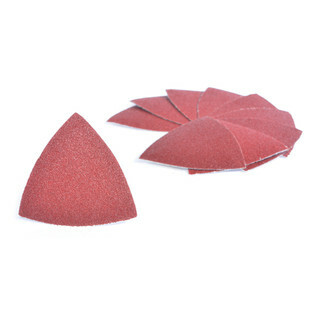
- Sanding into corners, along edges and on awkward detail work with Vaunt Multi Tool Sanding Attachments is handy when bigger sanders simply will not fit.
Choosing the Right Vaunt Multi Tool Blades
Match the blade to the material first. That is the bit most lads get wrong, and it is what ruins blades fast.
1. Wood Cutting vs Metal Cutting
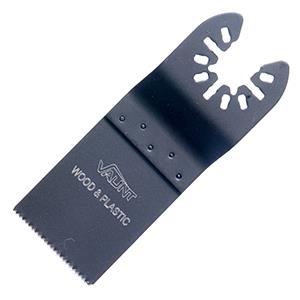
If you are cutting timber, plasterboard or plastic, go with wood cutting vaunt multi tool blades that clear waste quickly. If there is any chance of hidden screws, brackets or fixings, step up to a metal rated blade or you will blunt a wood blade in no time.
2. Loose Blades vs Sets
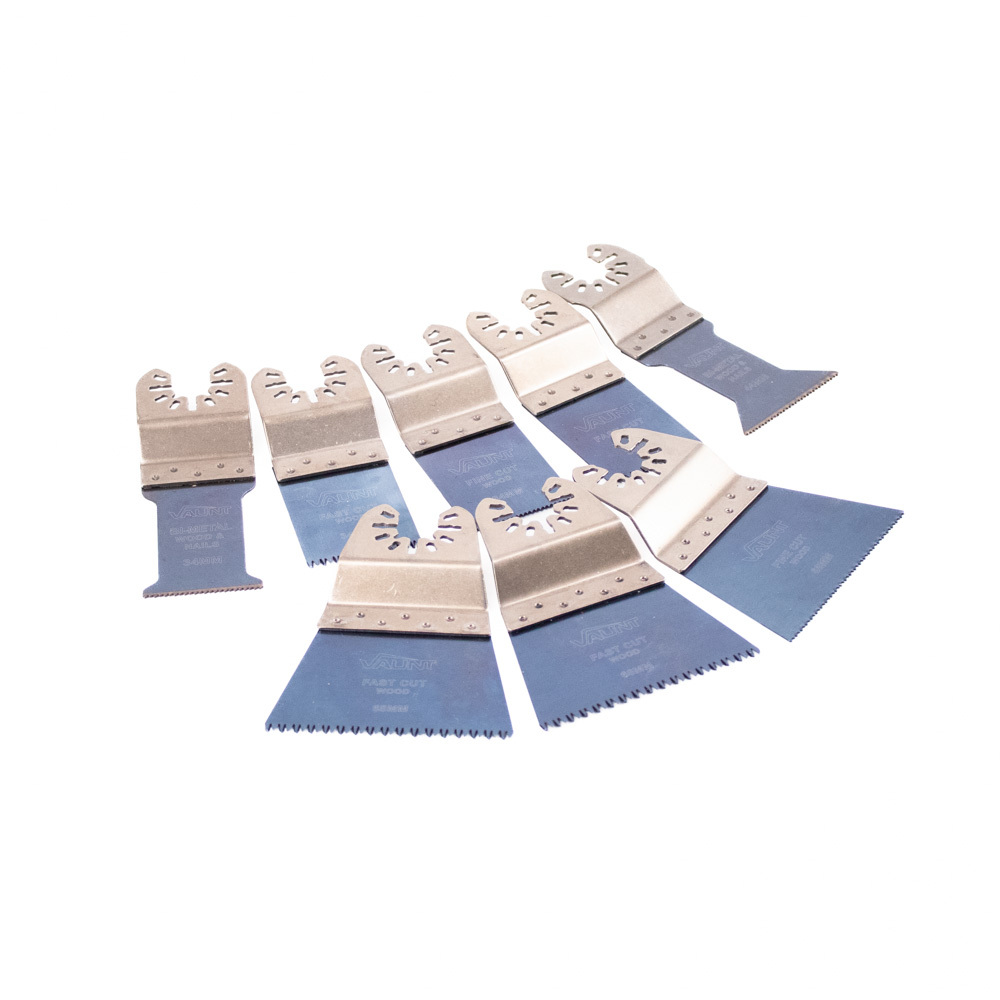
If you already know which blade you burn through most, buy loose and keep spares in the van. If you are doing mixed refurb or first time fitting out your kit, a vaunt multi tool blade set makes more sense because you will hit wood, fixings, sealant and sanding jobs in the same day.
3. Starlock and Fitment
Check your tool fitting before you order. Vaunt starlock blades are the right shout if your multi tool uses that system, but do not assume every machine takes every blade the same way.
4. Cutting, Scraping or Sanding
Do not force one attachment to do three jobs. Use cutting blades for cuts, scraper heads for lifting old material, and pair your tool with Vaunt Sanding Pads & Sheets when the job is edge prep or finish work.
Who Uses These on Site?
- Chippies use vaunt multi tool blades for undercutting frames, trimming fitted timber and sorting snagging jobs where a circular saw is too clumsy.
- Sparkies and plumbers keep vaunt multi tool accessories close for opening up neat access points, cutting back fixings and making small adjustments in finished areas without causing a mess.
- Kitchen fitters and bathroom installers swear by them for sink cut corrections, worktop tweaks, grout removal and cutting sealant lines clean before refitting.
- General builders and maintenance teams reach for Vaunt blades on refurbs because one tool can cut, scrape and sand its way through the awkward little jobs that eat time all day.
The Basics: Understanding Vaunt Multi Tool Blades
A multi tool works by oscillating side to side in tiny movements, which is why it can cut and scrape in places bigger tools cannot reach. The blade shape and tooth pattern decide what it does well on site.
1. Cutting Blades
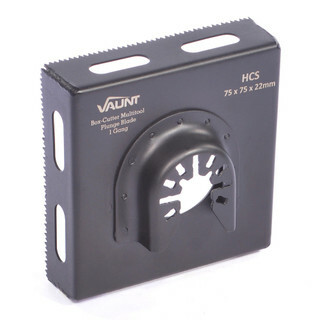
These are for plunge cuts, flush cuts and trimming work. Narrow blades help in tight access, while wider blades keep longer cuts straighter on skirting, boards and sheet material.
2. Scraper and Sanding Attachments
Scrapers lift sealant, adhesive and soft residue without digging in like a chisel. Sanding attachments turn the same tool into a corner sander for edges, patch repairs and awkward prep work.
3. Fitment Matters
The blade has to match the tool interface properly or you get slip, poor cutting and chewed fittings. That is why checking whether you need standard fit or vaunt starlock blades is worth doing before the order goes in.
Vaunt Multi Tool Accessories That Save Time
The right extras stop you bodging awkward prep and keep the tool useful long after the first blade is spent.
1. Sanding Attachments
A sanding pad is what saves you trying to finish corners with a worn cutting blade or by hand. Keep one in the box for patching filler, keying painted edges and cleaning up tight joinery details.
2. Sanding Pads and Sheets
Fresh sheets matter more than lads admit. Once the abrasive is clogged, you are just polishing dust and wasting time, so keep spare grits ready for paint prep, filler work and final edge clean-up.
3. Spare Loose Blades
Do not get caught halfway through a cut with the only blade on site already burnt out. A few spare loose blades for wood and metal stop a simple trim job turning into a van run.
Choose the Right Vaunt Multi Tool Blades for the Job
Use this quick guide to match the blade type to the work in front of you.
| Your Job | Blade Type | Key Features |
|---|---|---|
| Trimming skirting, architrave or door linings in place | Wood cutting blade | Fast timber cutting teeth, good plunge control, clean flush cutting |
| Cutting through screws, nails or small metal sections | Metal cutting blade | Harder wearing edge, slower controlled cut, better on hidden fixings |
| Mixed refurb where you will hit several materials in one day | Multi tool blade set | Range of blades in one pack, covers wood metal scraping and sanding jobs |
| Removing sealant, adhesive or soft floor residue | Scraper attachment | Broad working edge, better surface control, less damage underneath |
| Sanding corners and edges during prep and snagging | Sanding pad and sheets | Gets into tight spots, quick sheet changes, useful for detail finishing |
Common Buying and Usage Mistakes
- Buying one general blade and expecting it to handle timber, screws, grout and scraping usually ends with slow cuts and a dead blade. Match the blade to the material and the tool works far better.
- Ignoring the fitment is a classic mistake. If the blade does not suit your machine properly, it can slip, wear the mount and make every cut harder than it needs to be.
- Pushing too hard through metal or old fixings overheats the blade and strips the teeth. Let the oscillation do the work and back off if the cut starts glowing or smoking.
- Using a worn sanding sheet or blunt blade to save a few quid wastes more time than it saves. Swap consumables early and the finish stays tidy.
- Not keeping spare blades in the van is how a ten minute adjustment turns into a wasted trip. If you use these regularly, keep wood and metal replacements ready.
Blade Sets vs Loose Blades vs Starlock Blades
Blade Sets
Best if you are doing mixed work or setting up a tool bag from scratch. You get a spread of cutting and prep options, which suits refurbs and snagging, but you may end up with a few blades you use less often.
Loose Blades
Best for regular users who know exactly what they wear out. Loose vaunt multi tool blades are the sensible buy when you keep burning through the same wood or metal cutter week after week.
Starlock Blades
Best when your machine is built around that fitting and you want a secure connection with quick changes. Just make sure your multi tool actually takes Starlock before ordering, because fit is not something to guess.
Maintenance and Care
Clean Resin and Dust Off
After timber cuts, wipe off resin and packed dust before it hardens around the teeth. A dirty blade cuts hotter and slower next time out.
Store Blades Dry
Do not leave blades loose in a damp box at the back of the van. Keep them dry and separated if you can, especially the fine tooth and metal cutting ones.
Replace Before They Fight You
If a blade starts burning timber, bouncing out of cuts or taking twice as long, it is spent. Carrying on just strains the tool and roughs up the work.
Check the Mounting Face
Keep the blade interface and tool mount clean so the blade seats properly. Packed dust or burrs can stop it clamping tight and lead to wobble.
Why Shop for Vaunt Multi Tool Blades at ITS?
Whether you need vaunt oscillating tool blades for timber and metal, a full blade set, or sanding and scraping attachments, we stock the proper range in one place. It is all held in our own warehouse, ready for next day delivery, so you can get the right blade on site without hanging about.
Vaunt Multi Tool Blades FAQs
What multi-tool blades does Vaunt make?
Vaunt makes a practical spread of multi tool accessories for real site work, including wood cutting blades, metal cutting blades, scraper attachments, sanding attachments and mixed blade sets. It is the sort of range you need for trim work, fixings, sealant removal and snagging rather than just one token replacement blade.
Are Vaunt multi-tool blades universal fit?
Some are made to suit common multi tool fittings, but you should still check your machine before buying. That matters even more with vaunt starlock blades, because a wrong fit means poor clamping, blade slip and a wasted order.
What materials can Vaunt multi-tool blades cut?
That depends on the blade type, which is exactly how it should be. Vaunt multi tool blades cover timber, plasterboard, plastics and light metal cutting, while other vaunt multi tool attachments handle scraping and sanding jobs that are not really cutting tasks at all.
Are Vaunt multi-tool blade sets good value?
Yes, if you are doing mixed jobs or stocking a new multi tool kit. A vaunt multi tool blade set usually gives you enough spread to cover wood, metal and prep work in one buy, which is better value than stopping work because you only bought one blade type.
Will these blades stand up to proper refurb work, or are they just for light jobs?
They are built for genuine trade use, but be realistic with consumables. They will handle daily cutting, trimming and scraping work well if you use the right blade for the right material. Force a wood blade through screws all day and any blade will die early.
Is it worth buying loose blades as well as a set?
Yes, usually. Sets are ideal for getting started, but once you know what you use most, it makes sense to keep loose replacements in the van. Most trades burn through a couple of favourites far faster than the rest.