Vaunt Sanding Pads & Sheets
Vaunt sanding pads are the bits you reach for when filler, timber, paint and edges all need flattening properly without wasting time or burning through cheap sheets.
For prep work, snagging and finishing, these Vaunt sanding sheets and Vaunt abrasives cover the jobs that fill most site days, from rubbing down joinery to keying painted surfaces and cleaning up filler. If your sander is sound, the abrasive matters more than most lads think. Pick the right grit, keep a few spares in the van, and get a finish worth painting over. If you also need Vaunt Sanding Discs, Vaunt Sanding Rolls, Vaunt Multi Tool Sanding Attachments or Vaunt Surforms & Blades, the wider Vaunt range keeps your prep kit covered.
What Are Vaunt Sanding Pads Used For?
- Rubbing back filler on plasterboard joints, repaired walls and snagging patches helps you get surfaces flat before mist coat or final decorating starts.
- Sanding timber doors, skirting, frames and built-in joinery lets chippies and decorators clean up machine marks and get paint or stain to take properly.
- Keying old gloss, varnish and painted surfaces gives you a sound base for recoating, especially on refurbs where new finish will only be as good as the prep underneath.
- Cleaning up awkward corners, edges and detailed sections with the right Vaunt sanding sheets saves overworking the material and stops you tearing through cheaper abrasives too quickly.
Choosing the Right Vaunt Sanding Pads
Sorting the right abrasive is simple. Match the grit and pad type to the surface in front of you, not whatever happens to be left in the box.
1. Start Coarse Only When You Need To
If you are stripping back rough filler, heavy paint build-up or saw marks, start coarser and work down. If you are just keying a sound surface for repainting, do not go too aggressive or you will leave scratches you then have to sort out.
2. Match the Shape to the Tool
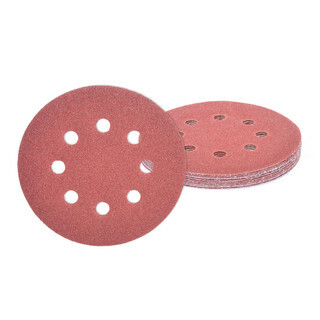
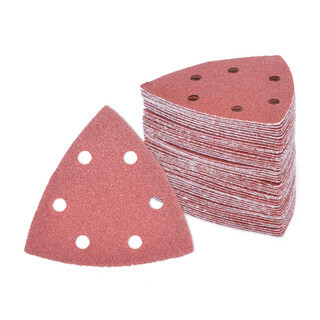
If you are using a detail sander or multi tool attachment, buy the right pad shape and fixing pattern. Do not assume every vaunt sanding pad fits every machine, because the wrong backing or hole layout is a quick way to waste sheets.
3. Think About Dust Extraction
If your sander has dust extraction, use sheets that line up properly with the holes. When the holes match, the sheet clears better, cuts cleaner and lasts longer instead of clogging up halfway through a door set.
4. Keep a Mixed Set in the Van
If your work jumps between filler, timber and painted surfaces, a vaunt mixed abrasive set makes more sense than buying one grit only. It saves you making do with the wrong sheet and doing the same job twice.
Who Uses These on Site?
- Decorators rely on Vaunt sanding pads for prep between coats, rubbing down filler and keying painted timber before the final finish goes on.
- Chippies keep Vaunt abrasives handy for trimming back rough edges on doors, skirting and second fix joinery where a clean finish shows up every missed mark.
- Kitchen fitters and shopfitters use vaunt sanding sheets to tidy scribed panels, filler spots and touched-in edges before handover.
- Maintenance teams and snagging crews swear by a mixed abrasive set because it covers quick wall repairs, paint touch-ups and general tidy-up jobs without a run back to the merchants.
The Basics: Understanding Sanding Pads and Sheets
The main thing is not the fancy talk. It is grit, fit and dust clearance. Get those three right and the job goes quicker with a better finish.
1. Grit Changes the Finish
Lower grit numbers cut faster and remove more material, which is what you want for shaping filler or knocking back rough timber. Higher grit numbers are for refining the surface and leaving it ready for paint, stain or another pass.
2. Pad Shape Must Match the Sander
Detail pads, sheets and discs are made to suit different sanders. If the shape or fixing does not match, the sheet will not sit flat, which means poor sanding, wasted abrasive and a finish that needs sorting after.
3. Dust Holes Help the Sheet Keep Cutting
Where the extraction holes line up with your machine, dust gets pulled away instead of packing into the grit. That means less clogging, less heat and a cleaner surface, especially on filler and painted work.
Choose the Right Vaunt Sanding Pads for the Job
Use this quick guide to avoid buying the wrong grit or format.
| Your Job | Category or Type | Key Features |
|---|---|---|
| Rubbing down filler and patch repairs | Coarse to medium sanding pads | Faster stock removal, good control on repaired areas, useful before final smoothing passes |
| Keying painted timber before recoating | Medium grit vaunt sanding sheets | Enough bite to dull the surface without tearing it up, cleaner prep for primers and top coats |
| Finishing doors, skirting and joinery | Fine vaunt abrasives | Smoother finish, less visible scratching, better for final prep before paint or stain |
| General van stock for mixed snagging work | Vaunt mixed abrasive set | Range of grits for timber, filler and painted surfaces, saves carrying separate packs for every small job |
Common Buying and Usage Mistakes
- Buying one grit for every job is a false economy. Too coarse leaves scratches and too fine wastes time, so keep a proper spread for prep, smoothing and finishing.
- Assuming all sanding pads fit all sanders catches plenty of people out. Check the shape, size and fixing style first or you will end up with sheets that lift, slip or do not attach at all.
- Ignoring dust extraction hole patterns shortens sheet life. If the holes do not line up, dust packs in, the abrasive clogs and cutting performance drops off quickly.
- Leaning too hard on the sander ruins both finish and sheets. Let the abrasive do the work or you will burn through pads, mark the surface and make more prep for yourself.
- Trying to push worn out abrasives through one more job just slows everything down. Once the grit has gone off, swap it out and get the finish right first time.
Sanding Pads vs Sanding Discs vs Sanding Rolls
Sanding Pads
Best when you need controlled prep on corners, edges, filler spots and smaller surfaces. They suit detail sanders and shaped bases well, but they are not the fastest option for covering large flat areas.
Sanding Discs
Better for random orbit sanders and bigger flat sections like doors, panels and worktops. They clear material quickly and leave a more even finish across larger areas, but they are less handy in tight corners.
Sanding Rolls
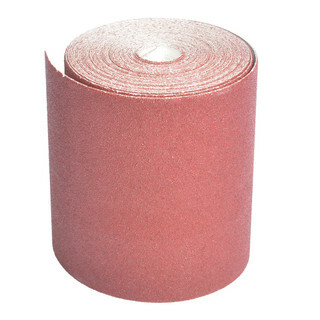
A solid choice for hand sanding, tear-off jobs and keeping a flexible abrasive in the van. Good for awkward shapes and quick prep, though they do not give the same speed or consistency as machine-specific pads or discs.
Maintenance and Care
Keep Them Dry and Flat
Store vaunt sanding sheets and pads somewhere dry in the van or workshop. Damp curls the backing, weakens hook and loop grip and leaves you fighting the sheet before the job has started.
Clear the Sander Base
Dust builds up on the backing pad and extraction holes, which stops sheets sitting flat. Brush it off between jobs so the abrasive grips properly and the machine can still pull dust through.
Change Worn Sheets Early
Once the grit has glazed over, stop using it. A dead sheet creates heat, clogs faster and leaves a poorer finish than a fresh one, especially on filler and painted surfaces.
Watch for Torn Edges
If the corners or edges start tearing away, replace the pad before it damages the backing base or marks the work. Torn abrasives tend to catch on edges and make a tidy job look rushed.
Why Shop for Vaunt Sanding Pads at ITS?
Whether you need a few replacement vaunt sanding pads, vaunt sanding sheets for the van, or a mixed abrasive set for day to day prep, we stock the full range in one place. That means the grits, formats and related Vaunt abrasives you actually need are here, in our own warehouse, in stock and ready for next day delivery.
Vaunt Sanding Pads FAQs
What sanding products does Vaunt make?
Vaunt covers the usual site prep needs with sanding pads, sanding sheets, abrasives for different tools and grits, plus related formats for machine and hand prep. It is the sort of range you buy when you want one brand to cover filler, timber, painted surfaces and general snagging work without overthinking it.
Are Vaunt sanding pads compatible with all sanders?
No, not all of them. You still need to check the pad shape, size, fixing method and hole pattern against your machine. They are made for common sander types, but if the backing or profile is wrong, they will not sit properly and you will waste both time and sheets.
What grits are available in Vaunt sanding pads?
Vaunt sanding pads are available in the grit ranges you would expect for proper prep work, from coarser options for stock removal and filler shaping through to finer grits for finishing. The exact grit spread depends on the pad or sheet type, so it is worth choosing by the job rather than guessing.
Are Vaunt sanding sheets good value?
Yes, especially if you are buying for regular site prep and want decent cut without paying over the odds. They are good value when matched properly to the job and tool, because a sheet that fits, clears dust and lasts its shift is always cheaper than a bargain pack that clogs straight away.
Do Vaunt abrasives last on filler and painted surfaces, or do they clog straight away?
They hold up well if you use the right grit and let the tool do the work. Like any abrasive, they will clog faster if you press too hard or the extraction holes do not line up, but on normal prep work they are well up to filler, paint keying and timber clean-up.
Is a mixed abrasive set worth buying, or is it better to just buy one grit?
For most trades, the mixed set is the sensible buy. Site work changes fast, and having a few grit options in the van means you can shape, smooth and finish properly instead of bodging the whole job with whatever is left over.