Vaunt Angle Grinder Discs & Accessories
Vaunt angle grinder disc options cover clean cutting, fast stock removal and site snagging on steel, stone and masonry with the right disc for the job.
If your grinder is earning its keep, you need discs that match the material, not whatever is rolling about in the van. This Vaunt range covers vaunt cutting disc, vaunt grinding discs, flap disc and diamond options in the sizes trades actually use, including 115mm and 125mm. If you are sorting the rest of your kit as well, see Vaunt Power Tool Accessories and get the right consumables on site first time.
What Are Vaunt Angle Grinder Discs Used For?
- Cutting threaded rod, box section, bolts and steel angle on first fix jobs is where a vaunt cutting disc saves time and leaves less fettling before the next stage.
- Grinding back welds, cleaning up rough edges and knocking off burrs in the workshop or on site is exactly what vaunt grinding discs are there for.
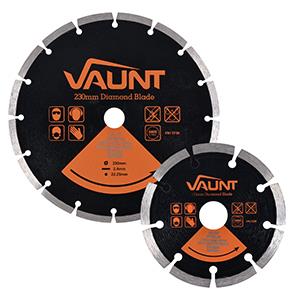
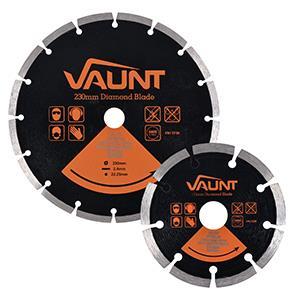
- Trimming paving, block, stone and other mineral materials on landscaping and building jobs is better handled with the proper diamond option from Vaunt Diamond Blades.
- Feathering off rust, old coatings and sharp edges before painting, fitting or welding is where a vaunt flap disc earns its keep without gouging the job to bits.
- Changing between 115mm discs and 125mm discs lets you match the grinder you already run and the access you have around tight corners, frames and awkward cuts.
Choosing the Right Vaunt Angle Grinder Disc
Sorting the right disc is simple. Match it to the material and the finish you need, not just the grinder it happens to fit.
1. Cutting Disc or Grinding Disc
If you are slicing through steel, bolts or bar, use a vaunt cutting disc. If you are removing weld, shaping metal or knocking back edges, go for Vaunt Grinding Discs. Do not try to side load a thin cutting disc for grinding because that is how discs wear fast and fail early.
2. 115mm or 125mm
If you are working in tighter spots or using a smaller grinder one handed, 115mm discs are usually the handier choice. If you want a bit more depth on the cut and your grinder takes them, 125mm discs are the better all rounder for day to day site use.
3. Flap Disc or Grinding Wheel
If the job needs a cleaner finish on visible metal, a vaunt flap disc is the safer bet because it blends and tidies as it works. If the job is rougher and you need to remove material quickly, a grinding wheel will be faster and stand up better to heavier pressure.
4. Metal or Masonry
If you are on steel, buy metal rated discs and keep them for metal only. If you are cutting block, stone or slabs, step over to diamond blades rather than burning through bonded discs and slowing yourself down for no reason.
Who Uses These On Site?
- Metalworkers, fabricators and steel erectors use vaunt angle grinder discs for cutting section, dressing welds and cleaning metal before it goes up or gets painted.
- Brickies, landscapers and general builders reach for them when trimming steel lintels, cutting fixings and swapping onto masonry or diamond blades for block and slab work.
- Plumbers and sparkies keep a few in the van for cutting tray, trunking supports, threaded bar and awkward brackets that need sorting there and then.
- Maintenance teams and fitters swear by a decent vaunt grinding wheel or flap disc for snagging, de-burring and tidying repairs without dragging bigger kit across site.
The Basics: Understanding Angle Grinder Discs
The main thing to understand is that different discs do different jobs. Getting that right means quicker cuts, less wear and a safer day on the grinder.
1. Thin Cutting Discs
These are built to cut through metal fast with less drag. They remove less material, make cleaner cuts and are what you want for bolts, bar, section and general steel trimming on site.
2. Grinding Discs and Wheels
These are thicker and built for side pressure. That makes them the right pick for grinding back welds, cleaning edges and taking material off rather than cutting through it.
3. Flap Discs and Diamond Blades
Flap discs are for smoothing, blending and prep work on metal. Diamond blades are for harder mineral materials like stone, slab and block where an ordinary metal disc is the wrong tool altogether.
Angle Grinder Accessories That Keep You Working
A few sensible extras stop hold ups, wasted discs and needless trips back to the van.
1. Diamond Blades
If you are swapping from steel to slab or block, do not bodge it with the wrong disc. Keeping a proper set of Vaunt Diamond Blades nearby saves burnt discs, slow cuts and rough results.
2. Spare Grinding and Cutting Discs
It sounds obvious, but plenty of jobs get held up because the last good disc was used yesterday. Keeping spare Vaunt Grinding Discs and cutting discs in the case means you keep going when one is spent or damaged.
3. Saw Blades for Other Cut Work
Not every cut wants a grinder. If you are jumping between metal trimming and timber or sheet work, having Vaunt Saw Blades ready for the right machine stops you forcing the grinder into jobs it is not meant for.
4. Sanding Pads and Sheets
For finer prep and finishing after the grinder has done the rough work, Vaunt Sanding Pads & Sheets save you overworking a flap disc when the job really needs a cleaner final pass.
Choose the Right Vaunt Angle Grinder Disc for the Job
Use this quick guide to avoid buying the wrong disc for the material in front of you.
| Your Job | Disc Type | Key Features |
|---|---|---|
| Cutting bolts, threaded rod and steel section | Vaunt cutting disc | Thin profile, faster cuts, less material removal, cleaner edge on metal |
| Grinding back welds and heavy edge clean up | Vaunt grinding disc | Thicker build, handles side pressure, better for stock removal |
| Smoothing metal before paint or final fit | Vaunt flap disc | Blends and finishes, less gouging, good for prep work |
| Cutting slabs, block and stone | Diamond blade | Built for mineral materials, longer life, cleaner masonry cuts |
| Tight access and lighter grinder work | 115mm disc | Handier size, easier control, suits compact grinders |
Common Buying and Usage Mistakes
- Buying by diameter alone is a common mistake. A 115mm or 125mm disc might fit the guard, but if it is the wrong type for cutting or grinding, it will wear badly and do a poor job.
- Using a cutting disc for side grinding is asking for trouble. Thin discs are made for straight cuts, not leaning on sideways, so switch to a proper grinding wheel when you need stock removal.
- Using metal discs on stone or block just burns through consumables. For masonry work, move onto a diamond blade and you will cut faster with less fuss.
- Ignoring the grinder size wastes money. Buying 125mm discs for a 115mm machine means they are no use to you, so check the tool before filling the basket.
- Running worn or chipped discs for one more cut is false economy. Once a disc is damaged or spent, bin it and fit a fresh one before it slows the job down or becomes unsafe.
Cutting Disc vs Grinding Disc vs Flap Disc
Vaunt Cutting Disc
Best for getting through metal quickly and cleanly. It is the one for bolts, bar and steel section, but it is not built for side pressure or grinding welds back.
Vaunt Grinding Disc
Best for heavy material removal, weld dressing and edge clean up. It is tougher under pressure than a cutting disc, but slower and rougher if you are trying to make a neat cut.
Vaunt Flap Disc
Best for smoothing, blending and prep before paint or fitting. It gives a neater finish than a grinding wheel, but it is not the choice for deep cuts or aggressive stock removal.
Diamond Blade
Best for slab, block, brick and stone where bonded metal discs are the wrong call. If your work crosses into masonry, this is the proper swap rather than forcing a metal disc to do it badly.
Maintenance and Care
Store Discs Flat and Dry
Keep discs out of damp lockups and off the bottom of the van where they get knocked about. Dry, flat storage helps prevent damage and keeps them in usable condition.
Check Before Fitting
Give each disc a quick look for chips, cracks or edge damage before it goes on the grinder. If it has taken a knock, do not chance it.
Use the Right Disc for the Job
The best way to make discs last is not abusing them. Cutting discs for cutting, grinding wheels for grinding, flap discs for finishing and diamond blades for masonry keeps wear sensible.
Replace Worn Discs Early
Once a disc is down badly or cutting slowly, swap it out. Hanging on to a spent disc usually means more heat, more effort and a rougher job.
Why Shop for Vaunt Angle Grinder Discs at ITS?
Whether you need a single vaunt angle grinder disc for a quick repair or you are stocking up on vaunt grinding discs, vaunt cutting disc options, flap discs and diamond blades, we have the range in the sizes trades actually buy. It is all stocked in our own warehouse and ready for next day delivery, so you can get the right disc on site without holding the job up.
Vaunt Angle Grinder Disc FAQs
What angle grinder discs does Vaunt make?
Vaunt covers the main discs most trades actually get through on site. That includes cutting discs for metal, grinding discs for welds and edge clean up, flap discs for smoothing and prep, plus diamond blades for masonry and stone work.
Are Vaunt angle grinder discs suitable for metal and stone?
Yes, but not with one disc doing both jobs. Vaunt metal cutting and grinding discs are for steel and similar materials, while stone, block and slab work need the proper diamond blade. Match the disc to the material and the grinder will work properly.
What sizes are Vaunt angle grinder discs available in?
The common sizes in this range are vaunt 115mm discs and vaunt 125mm discs, which covers the grinders most site users carry. Check your grinder and guard before ordering, because the wrong diameter is no use however good the disc is.
Are Vaunt diamond blades available for angle grinders?
Yes. Vaunt diamond blades are available for angle grinders and are the right choice for cutting masonry, stone, slabs and similar hard materials. They are a far better option than trying to force a standard metal disc through mineral products.
Will these do for heavy daily site use, or are they just for the odd small job?
They are built for regular trade use, provided you pick the right disc for the task and do not abuse it. A cutting disc used for cutting only, and a grinding disc used for grinding only, will hold up far better than one disc being forced to do everything.
Can I use a Vaunt cutting disc for grinding if I am stuck?
No, do not do it. Thin cutting discs are not made for side loading, so using one to grind is hard on the disc and risky for the user. If you need to remove material, fit a proper grinding disc or flap disc instead.