Vaunt Saw Blades
Vaunt saw blades are the bits you reach for when cheap blades start burning timber or wandering off line. Built for clean, usable cuts across site jobs.
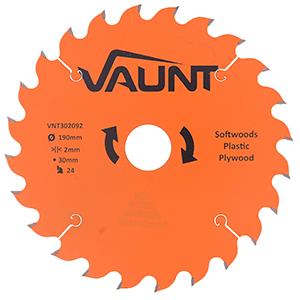
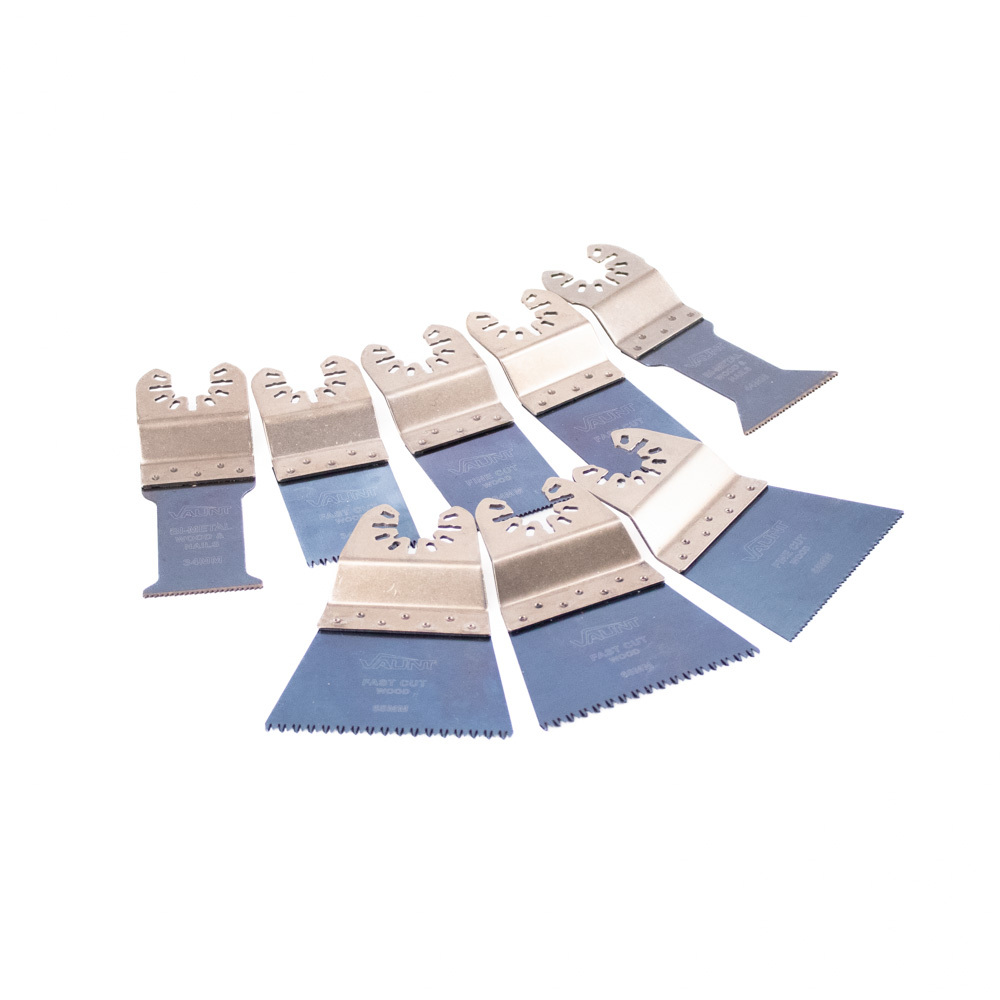
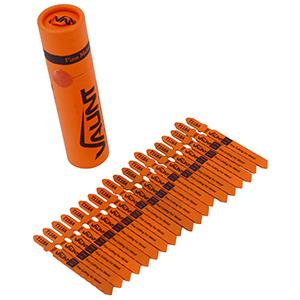
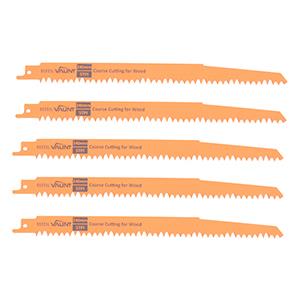
If you're ripping sheet, trimming carcasses, cutting stud timber or hacking out old pipe and fixings, decent blades matter more than most apprentices realise. This Vaunt range covers Vaunt Circular Saw Blades, Vaunt Jigsaw Blades and Vaunt Reciprocating Saw Blades, plus Vaunt Diamond Blades for tougher cutting jobs. Pick the tooth count and blade type to suit the material, and you'll get straighter cuts, less tear-out and fewer wasted blades.
What Are Vaunt Saw Blades Used For?
- Cutting sheet materials and timber on first fix is where vaunt circular saw blades earn their keep, giving cleaner rips through ply, MDF and stud timber without chewing the edge to bits.
- Trimming worktops, flooring and finish timber is easier with the right vaunt saw blade set, especially when you need a finer tooth pattern that leaves less snagging and saves time on clean-up.
- Working through awkward cut-outs in kitchen panels, laminate or thin board suits vaunt jigsaw blades, where the right blade stops the saw wandering and keeps corners neater.
- Stripping out old framing, cutting fixings flush or getting through mixed site waste is what vaunt recip blades are built for, especially on refurb jobs where timber and nails turn up in the same cut.
- Breaking down hardwood, softwood and general site timber calls for vaunt wood saw blades matched to the saw and the cut, so you get proper progress instead of smoke, kickback and blunt teeth.
Choosing the Right Vaunt Saw Blades
Sorting the right blade is simple: match the blade to the material and finish you actually need, not just the saw you've already got in the van.
1. Fast cut or clean finish
If you're ripping stud timber or knocking sheet down to size, go for a blade built for quicker waste clearance and faster cutting. If you're on visible work like melamine, laminate or finished board, use a finer tooth blade or you'll spend more time sorting chipped edges than cutting.
2. Circular saw, jigsaw or recip
Use circular blades for straight runs and repeat cuts, jigsaw blades for curved work and cut-outs, and recip blades for rougher strip-out work. Do not try to make one blade type cover every job because that is how cuts go off line and blades get wrecked early.
3. TCT or standard tooth pattern
Vaunt TCT blades are the better shout when you're regularly cutting abrasive sheet goods or want longer life on tougher timber jobs. If it's lighter, occasional cutting in standard materials, a simpler blade can do the job without overspending.
4. Buy singles or a set
If you do the same cuts all week, buy the exact blades you burn through most. If your work jumps from sheet material to trim work to demolition, a vaunt saw blade set makes more sense and stops those pointless runs back to the merchant.
Who Uses These on Site?
- Chippies use vaunt saw blades for first fix studwork, sheet cutting and second fix trim, because a straight cut saves filling, planing and swearing later.
- Kitchen fitters keep fine tooth vaunt circular saw blades and vaunt jigsaw blades close by for worktops, end panels and sink cut-outs where chipped edges look rough straight away.
- Sparks and plumbers reach for recip blades on refurbs when they need to cut out old battens, trunking supports, plastic pipe or rusted fixings without dragging out bigger kit.
- General builders and maintenance teams use a vaunt saw blade set to cover timber, sheet and demolition cuts across snagging, alteration work and day-to-day site repairs.
Blade Extras That Save Time on Site
A decent blade matters, but the right extras stop wasted cuts, burnt teeth and repeat trips back to the van.
1. Spare Blade Sets
Keep a few replacement blades or a full set on hand. Nothing slows a job down like trying to finish clean cuts with a blade that's already gone dull halfway through the day.
2. Guide Rails and Straight Edges
For circular saw work, a guide rail or straight edge stops wandering cuts on sheet material. You will feel the difference straight away when you're breaking down boards for fit-out or flooring.
3. Tool Cases and Blade Storage
Loose blades rolling round in the van get chipped, bent and covered in site muck. Proper storage keeps teeth protected and makes it easier to grab the right blade first time.
Choose the Right Vaunt Saw Blades for the Job
Use this as a quick guide before you throw the wrong blade in the saw.
| Your Job | Category or Type | Key Features |
|---|---|---|
| Ripping stud timber and sheet on first fix | Vaunt circular saw blades | Fast cutting tooth pattern, stable straight cuts, suited to repeated timber work |
| Cutting laminate, MDF or visible finish boards | Fine tooth TCT blades | Cleaner edge, less breakout, better finish on face materials |
| Sink cut-outs, curves and awkward trims | Vaunt jigsaw blades | Narrow profile, better control in corners, suited to shaped cuts |
| Strip-out work with timber, nails and mixed waste | Vaunt recip blades | Tougher demolition cutting, quick material removal, built for rougher use |
| General van stock for mixed site work | Vaunt saw blade set | Range of blade types, covers more jobs, handy for maintenance and snagging |
Common Buying and Usage Mistakes
- Buying on size alone is the usual mistake. The blade may fit the saw, but if the tooth pattern is wrong for the material you'll get rough cuts, burning and a shorter blade life.
- Using a finish blade for demolition work wrecks good blades fast. Keep cleaner cut blades for sheet and trim, and save recip or rougher cut blades for strip-out.
- Running a blunt blade too long wastes time and strains the saw. If the cut starts smoking, slowing down or tearing out badly, swap it before it trashes the job.
- Forgetting arbor size and machine compatibility catches plenty of buyers out. Always check the blade diameter, bore and tool fitting before ordering.
- Chucking loose blades in the van damages the teeth before they even touch timber. Store them properly or expect poorer cuts and early replacement.
Circular Saw Blades vs Jigsaw Blades vs Recip Blades
Vaunt Circular Saw Blades
Best for straight, repeatable cutting in timber and sheet materials. They are the right choice for speed and accuracy on bench work or floor cutting, but they are no use when the job needs curves or cut-outs.
Vaunt Jigsaw Blades
Best for shaped cuts, sink cut-outs and tighter detail work. They give you more freedom than a circular blade, but they are slower and can wander if you force them through thicker material.
Vaunt Recip Blades
Best for strip-out, rough cutting and mixed materials where neatness comes second to getting through the job. They are ideal for demolition and access work, but not the blade to choose if the finish matters.
Maintenance and Care
Clean Off Resin and Dust
Pitch, glue and fine dust build up on teeth faster than most realise, especially on timber and sheet goods. Wipe blades down after use so they cut cooler and track better next time out.
Store Blades Properly
Keep blades in sleeves, boxes or a case instead of loose in the van. Knocked teeth and bent bodies lead to rough cuts, extra vibration and blades that are finished before their time.
Stop Using Them Once They Are Dull
A dull blade makes the motor work harder and usually ruins the cut as well. If feed pressure goes up or the material starts burning, replace it rather than trying to squeeze one more job out of it.
Check for Missing or Damaged Teeth
Before fitting any blade, give it a quick look over. Missing teeth, cracks or bent sections are enough to spoil the cut and can make the saw run rougher than it should.
Why Shop for Vaunt Saw Blades at ITS?
Whether you need vaunt circular saw blades for sheet work, vaunt jigsaw blades for cut-outs, recip blades for strip-out or a vaunt saw blade set for the van, we stock the full range in one place. It is all in our own warehouse, ready for next day delivery, so you can get the right blades ordered and keep the job moving.
Vaunt Saw Blades FAQs
What saw blades does Vaunt make?
Vaunt makes a solid spread of saw blades for the jobs most trades actually face. That includes circular saw blades for straight timber and sheet cuts, jigsaw blades for cut-outs and detail work, recip blades for strip-out, plus selected blade sets so you have a few options in the van instead of one tired blade trying to do everything.
Are Vaunt saw blades compatible with all major brands?
In many cases, yes, but do not guess. Check the blade diameter, arbor size and machine fitting for circular saws, and the shank or fitting type for jigsaw and recip blades. If those match your saw, you are usually fine. If they do not, you will have a blade that either will not fit or will not run safely.
What types of saw blades does Vaunt make?
The range covers vaunt circular saw blades, vaunt jigsaw blades, vaunt recip blades and blade sets for mixed work. You will also find options aimed at timber cutting, cleaner finish work and tougher cutting where TCT teeth make more sense.
Are Vaunt saw blades suitable for professional use?
Yes, for day to day trade work they are a sensible choice. They are built for real cutting jobs on site and in the workshop, not just light DIY use. The key is choosing the right blade for the material and not wrecking a fine finish blade on demolition cuts.
Will Vaunt wood saw blades give a clean finish, or are they more for rough cutting?
Both jobs are covered, but you need the right tooth count and blade type. Lower tooth counts suit faster framing and rough sizing work, while finer tooth blades are the better option for boards, laminate and visible finish cuts where breakout is a problem.
Are Vaunt TCT blades worth it over standard blades?
Yes, if you are cutting regularly or working with tougher and more abrasive materials. TCT blades generally hold their edge longer and stay usable for more cuts. For occasional lighter work, a standard blade may be enough, but on busy site use TCT usually pays back.