Vaunt Ladders
When you need a vaunt ladder that is light enough to shift and solid enough to trust, this is the range for site, van and property work.
From quick snagging indoors to outside access jobs, a Vaunt ladder gives you practical aluminium build without hauling dead weight about all day. You'll find Vaunt Step Ladders, Vaunt Combination & Multi-Purpose Ladders and Vaunt Telescopic Ladders for trades who need proper access kit that stores well in the van and goes straight to work.
What Jobs Are Vaunt Ladders Best At?
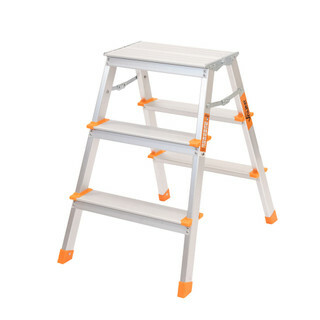
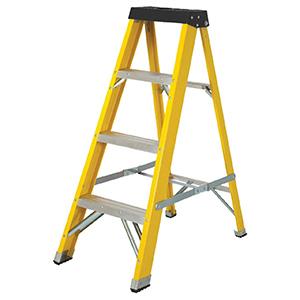
- Working inside finished properties, a Vaunt step ladder gives decorators, sparks and kitchen fitters safe height for ceilings, pendants, smoke alarms and top-unit fixing without dragging scaffold through the house.
- Reaching first floor gutters, fascias and exterior maintenance points, a Vaunt extension ladder gives you the length needed for outside access jobs where a short platform simply will not do.
- Moving room to room on snagging and maintenance work, a Vaunt aluminium ladder keeps weight down so you are not wasting time wrestling awkward kit in and out of the van all day.
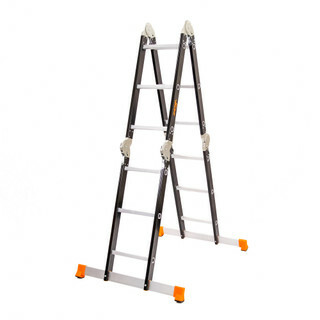
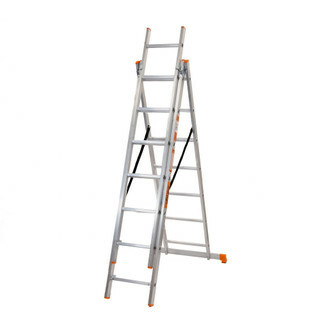
- Handling mixed site tasks, a Vaunt combination ladder suits trades who need one bit of access kit for stairwells, narrow passages and standard flat-ground work without carrying three different ladders.
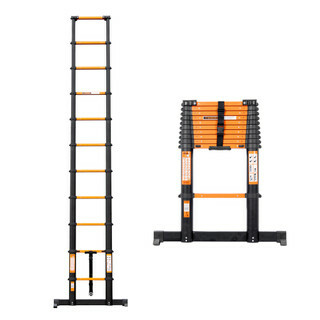
- Getting into lofts, cupboards and tight storage areas, a Vaunt telescopic ladder makes sense when space is tight and you need a compact ladder that still gives proper working reach.
Choosing the Right Vaunt Ladder
Sorting the right one is simple. Match the ladder to the access job and the space you are working in, not just the tallest one on the page.
1. Step Ladder or Extension Ladder
If you are mostly working indoors on ceilings, fittings and room-to-room jobs, a Vaunt step ladder is usually the better shout because it sets fast and stands on its own. If you are reaching roofline level, outside walls or upper windows, go for a Vaunt extension ladder with the reach to do it properly.
2. Combination Ladder for Mixed Jobs
If your week is a mix of flats, houses, stairwells and external callouts, do not overlook a combination ladder. One of these makes more sense than carrying separate access kit when space in the van is already tight.
3. Telescopic Ladder for Van Storage
If you are short on storage or working from a packed van, a telescopic ladder earns its keep. It is the practical option when a full-length extension ladder is a nuisance to transport, but you still need proper reach for occasional access work.
4. Buy for Working Height, Not Just Ladder Length
Do not guess this. Check the actual working height you need, especially for outside jobs and stair access. Buying too short means unsafe stretching, and buying too long can leave you with awkward kit that is heavier than your day-to-day work really needs.
Who Uses These Vaunt Ladders?
- Sparkies use them for first fix and second fix work, especially when they are in and out of plots fitting lights, detectors and containment and need a ladder that is easy to shift between rooms.
- Decorators and plaster repair teams swear by Vaunt step ladders for prep, cutting in and ceiling work because they are quicker to set than towers on short indoor jobs.
- Builders, roofline teams and property maintenance crews reach for a Vaunt extension ladder when they need outside access for gutters, soffits, cladding checks and small repair jobs.
- Joiners and kitchen fitters keep combination and multi purpose ladders close by for stairwells, high cupboards and awkward access where a standard frame step ladder is the wrong shape for the job.
- Landlords, caretakers and facilities teams use this sort of kit for regular building upkeep, and many keep Vaunt Ladder Accessories on hand for replacement feet and practical add-ons that keep ladders working properly.
The Basics: Understanding Vaunt Ladders
Ladders are simple kit, but the type you choose changes how safe, quick and practical the job feels on site. Here is the bit that matters when picking one.
1. Step Ladders for Self-Supported Access
A step ladder stands on its own, so it is the right choice for indoor work where there is no wall to lean against or where you are moving around finished rooms. That is why fitters and decorators keep using them for lights, ceilings and top-corner prep.
2. Extension Ladders for Higher Outside Reach
An extension ladder gives you longer reach by sliding out to working height, which is what you need for roofline jobs, upper windows and general exterior access. It is about reaching higher safely without dragging bigger access gear onto small jobs.
3. Combination and Telescopic Ladders for Flexibility
Combination ladders change setup to suit awkward spaces, while telescopic ladders collapse down for transport and storage. If your work changes day by day, these are the types that help you cover more jobs without filling the van with access kit.
Vaunt Ladder Accessories That Keep You Working
A few proper extras save wear, improve stability and stop a perfectly good ladder being sidelined over a small part.
1. Replacement Feet
Worn feet are one of the quickest ways to make a ladder feel sketchy under load. Replacing them in time saves slips on smooth floors and keeps your ladder usable instead of binning it early.
2. Ladder Stays and Stand Offs
These help when you need better spacing off gutters, windows or fragile edges. They make outside work more stable and stop you crushing or marking the surface you are leaning against.
3. Storage and Transport Add Ons
If the ladder is rattling around loose in the van, it will get battered before the job even starts. The right transport and storage bits help protect the ladder and make loading quicker.
Choose the Right Vaunt Ladder for the Job
Use this quick guide to narrow down the right ladder type for the way you actually work.
| Your Job | Vaunt Ladder Type | Key Features |
|---|---|---|
| Ceiling work, snagging and indoor fitting | Vaunt step ladder | Self-supporting setup, quick to move room to room, good for finished interiors |
| Gutters, fascias and first floor exterior access | Vaunt extension ladder | Longer reach, lean-to access, better suited to outside wall work |
| Mixed maintenance jobs across different property types | Vaunt combination ladder | Flexible setups, useful in stairwells and awkward spaces, cuts down on extra kit |
| Tight van storage and occasional high access | Vaunt telescopic ladder | Compact closed size, easier transport, practical for mobile trades |
| General access work across domestic and site jobs | Ladders | Choice of step, extension, telescopic and multi purpose options to suit the job |
Common Buying and Usage Mistakes
- Buying purely by ladder length instead of working height is a common one. It usually ends with overreaching or buying a ladder that is bulkier than the job needs, so check real reach before ordering.
- Using a step ladder for jobs that need proper exterior reach wastes time and pushes you into unsafe positioning. For roofline and upper wall work, use an extension ladder built for it.
- Ignoring van storage sounds minor until the ladder is awkward to load every morning. If space is tight, a telescopic or combination model is often the smarter long-term buy.
- Running worn feet into the ground is asking for poor grip on smooth floors and hard standing. Replace them early rather than waiting for the ladder to feel loose or unstable.
- Choosing one ladder for every possible job can backfire. If most of your work is inside, buy for that first and only step up to a larger multi purpose model if the work genuinely demands it.
Step Ladders vs Extension Ladders vs Telescopic Ladders
Vaunt Step Ladders
Best for indoor work, quick access and jobs where the ladder needs to stand on its own. They are less use for outside height work because you are limited by platform and frame height.
Vaunt Extension Ladders
Best for outside access where you need more reach against a wall or roofline. They do the higher jobs properly, but they take up more room in the van and are less handy for quick indoor moves.
Vaunt Telescopic Ladders
Best when storage space matters and you need compact transport between jobs. They are ideal for mobile trades, but if you are up and down all day on one bigger outside task, a full extension ladder can feel more straightforward.
Vaunt Combination Ladders
Best for trades doing a bit of everything and wanting one ladder for stairwells, standard floor work and odd access jobs. The trade-off is extra setup compared with a simple step ladder grabbed for a fast indoor task.
Maintenance and Care
Keep the Stiles and Rungs Clean
Wipe off plaster dust, mud, paint and site grime after use. Build-up makes ladders slippery to handle and can hide damage you should have spotted before the next job.
Check Feet Before Every Shift
Rubber feet take the abuse first. If they are worn, loose or uneven, sort them before using the ladder again because grip on concrete, tiles and paving will suffer straight away.
Inspect Locks, Hinges and Sliding Sections
On extension, telescopic and combination ladders, moving parts need regular checks. If a lock is sticking or a section is not engaging cleanly, do not chance it on site.
Store Them Properly in the Van or Yard
Do not let ladders bounce loose under other gear. Repeated knocks bend parts, damage feet and shorten the life of the ladder before the work has even started.
Repair Small Issues Early
A missing foot or tired strap is a cheap fix compared with replacing the whole ladder. Deal with the small wear items early and you will get more safe working life from it.
Why Shop for Vaunt Ladders at ITS?
Whether you need a compact Vaunt step ladder for indoor fitting work or a Vaunt extension ladder for outside access, we stock the full range in one place. That includes step, telescopic, combination and multi purpose options, all held in our own warehouse and ready for next day delivery.
Vaunt Ladder FAQs
What ladders does Vaunt make?
Vaunt covers the main access types most trades actually need. That includes step ladders, extension ladders, telescopic ladders and combination models, so whether you are doing indoor fitting, exterior maintenance or tight-van callout work, there is a sensible option in the range.
Are Vaunt ladders tested to EN131?
Yes, Vaunt ladders in this type of trade range are built around EN131 compliance, which is the standard most buyers will want to see for proper access kit. Still check the individual product listing before purchase, because that is where the exact testing and rating details are confirmed.
What is the maximum working height of Vaunt ladders?
It depends entirely on the ladder type and size. A small step ladder is built for lower indoor access, while a Vaunt extension ladder or multi purpose ladder will give you far more reach, so always check the listed working height instead of guessing from the ladder length alone.
Are Vaunt aluminium ladders lightweight?
Yes, that is one of the main reasons trades buy them. A Vaunt aluminium ladder keeps weight down compared with heavier access kit, which matters when you are lifting it on and off the van, carrying it through houses or moving between rooms all day.
Will a Vaunt telescopic ladder stand up to regular trade use?
Yes, if you buy it for the right kind of work. It is a solid choice for mobile trades, maintenance visits and jobs where compact storage matters, but if you are spending all day on repeated high outside access, a full extension ladder is often the better tool.
Are Vaunt combination ladders worth it, or are they a compromise?
They are worth it if your work changes week to week. A combination ladder is a practical bit of kit for trades who need flexibility for stairwells, domestic rooms and occasional outside access, but for one repeated task, a dedicated ladder type can still be quicker.