Vaunt Ladders, Access & Benches
Vaunt ladders are built for the sort of access jobs that come up every day on site, in the van, and round snagging work where safe footing matters.
If you're forever up and down fitting alarms, second fixing, painting high walls or getting into loft hatches, decent access kit saves time and grief. This Vaunt ladder range covers Vaunt Ladders, Vaunt Step Ladders, Vaunt Telescopic Ladders, Vaunt Combination & Multi-Purpose Ladders and Vaunt Ladder Accessories, plus access benches that suit real trade work. Pick the style that fits the job and the space you've actually got in the van.
What Jobs Are Vaunt Ladders Best At?
- Reaching first floor gutters, fascias and outside lighting is where Vaunt ladders earn their keep, giving you proper working height without dragging full scaffold in for a quick maintenance call.
- Working indoors on second fix, decorating and inspection jobs is easier with Vaunt steps, especially where you need something stable for repeated up and down work in finished rooms.
- Getting into loft hatches, tight hallways and van-packed domestic jobs suits a Vaunt telescopic ladder, because it stores small but still gives you the reach for awkward access points.
- Handling mixed site work like stairwells, uneven ground and changing access needs is exactly where a Vaunt combination ladder makes sense, as one bit of kit can cover several setups.
- Using Vaunt access benches helps on plastering, window work and low-level install jobs where standing sideways with tools beside you is safer and quicker than balancing off a ladder rung.
Choosing the Right Vaunt Ladders
Sorting the right one is simple: match the ladder to the height, the space and how often you will actually use it.
1. Step Ladder or Leaning Ladder
If you are working inside and moving room to room, go for vaunt step ladders because they stand on their own and are quicker for repeated short jobs. If you are reaching roofline level, outside walls or higher access points, a standard leaning ladder is usually the better shout.
2. Telescopic for Storage, Not All Day Standing
If van space is tight or you do a lot of domestic call-outs, a vaunt telescopic ladder makes sense because it folds down small. If you are up and down all day on longer tasks, many trades still prefer a full-size ladder or steps for quicker setup and a more planted feel.
3. Combination Ladders for Mixed Access
If your week includes stairwells, landings, exterior touch-up work and odd-height access, buy a vaunt combination ladder. If the job is always the same type of access, a dedicated ladder is often lighter, simpler and less faff.
4. Access Benches for Low-Level Working
If you need to work along a wall or ceiling line with both feet planted and tools beside you, an access bench is the right bit of kit. Do not force a ladder into jobs better suited to a platform, especially for plastering, window fitting or longer overhead work.
Who Uses These on Site?
- Sparkies use vaunt ladders for lighting, alarms, containment and inspection work, especially when they need quick safe access in hallways, plant rooms and finished properties.
- Decorators and snagging teams swear by vaunt steps for cutting in ceilings, sorting high wall snags and working room to room without lugging bulky access gear about.
- Maintenance fitters and facilities teams keep a vaunt telescopic ladder in the van for call-outs, because it packs down neatly and still gets them up to sensors, ducting and access panels.
- Builders, chippies and general trades pick a vaunt combination ladder when one job has three different access problems, from stairwell work to outside touch-ups and awkward landings.
- Plasterers, window fitters and site teams doing low-level overhead work often reach for vaunt access benches, as the wider platform gives them better footing and room for tools and materials.
The Basics: Understanding Vaunt Access Equipment
The main difference here is not just height. It is how the access kit supports the job, the space and how long you will be working from it.
1. Step Ladders for Self-Supporting Access
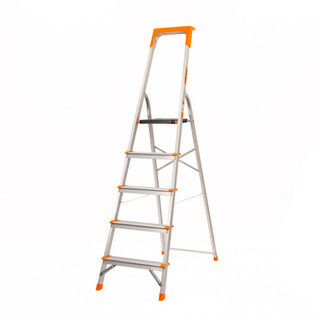
Step ladders stand on their own, so they are the right choice where there is no wall to lean against or where you need to keep shifting position indoors. That makes them handy for second fix, decorating and general maintenance.
2. Telescopic Ladders for Compact Transport
Telescopic ladders collapse down far smaller than standard ladders, which is why van-based trades like them for call-outs and tight storage. The payoff is that they are chosen mainly for portability and quick access rather than long spells up the ladder.
3. Combination Ladders and Benches for Flexible Work
Combination ladders change format to suit different setups, while access benches give you a broader standing area for low-level tasks. The jobsite benefit is less compromise when the work area changes and you need safer footing for awkward or repetitive jobs.
Vaunt Ladder Accessories That Make the Job Easier
The right extras save you wobble, wasted trips and the usual site annoyance of making the wrong ladder do the wrong job.
1. Replacement Feet and Grip Parts
Worn feet are one of the quickest ways to turn decent access kit into a liability. Swap them before they go smooth, especially if your ladders spend half their life on concrete, paving and van floors.
2. Ladder Stand Offs and Supports
A stand off helps when you need clearance over gutters, windows or fragile edges, and it gives a more settled working position. Well worth having if you do outside maintenance and do not want to crush the very thing you are trying to reach.
3. Tool Trays and Platform Add Ons
These stop the constant up and down for screws, cutters and fixings. If you are on steps doing second fix or decorating, keeping bits at hand saves more time than most lads realise.
Choose the Right Vaunt Ladders for the Job
Use this as a quick guide before you chuck one in the basket.
| Your Job | Category or Type | Key Features |
|---|---|---|
| Second fix, decorating, room to room work | Vaunt step ladders | Self-supporting setup, stable footing, quick to move indoors |
| Van call-outs and tight storage | Vaunt telescopic ladder | Compact closed size, easy transport, quick access for short jobs |
| Mixed access including stairwells and awkward spots | Vaunt combination ladder | Multiple positions, flexible setup, covers more than one access problem |
| Outside maintenance and higher reach work | Vaunt extension or leaning ladder | Longer reach, simple setup against solid surfaces, good for fascias and lights |
| Low-level overhead jobs with tools beside you | Vaunt access bench | Wider standing area, better side-to-side movement, steadier for longer tasks |
Common Buying and Usage Mistakes
- Buying purely on maximum height and ignoring the actual job usually leaves you with awkward, overlong kit that is a pain to move about indoors. Match the ladder to the work area, not just the number on the spec.
- Using a telescopic ladder for long repetitive shifts can slow you down if what you really need is proper steps or a full-size ladder. Compact storage is handy, but it should not come at the cost of comfort and workflow.
- Forgetting van space and transport is a classic one. A ladder can be spot on for reach, but if it is a nightmare to carry or store, it ends up left behind when you need it.
- Ignoring worn feet, bent sections or damaged locks is asking for trouble. Check your access kit before the job, and replace small wear parts before they turn into a bigger problem.
- Using a ladder where an access bench is the safer choice wastes effort and gives you less control. For low-level overhead work across a wider area, use the platform that fits the task.
Step Ladders vs Telescopic Ladders vs Combination Ladders
Vaunt Step Ladders
Best for indoor work, repeated climbing and jobs where there is nothing solid to lean against. They are quicker to set up in rooms and corridors, but they take up more van space than telescopic models.
Vaunt Telescopic Ladders
Best when storage space is tight and you need a ladder ready for short access jobs on call-outs. They are handy in the van, but for all-day use many trades still prefer a more traditional ladder or steps.
Vaunt Combination Ladders
Best for trades dealing with changing sites, awkward layouts and stairwell work. You get more flexibility from one unit, though they can be heavier and more involved to set up than a single-purpose ladder.
Vaunt Access Benches
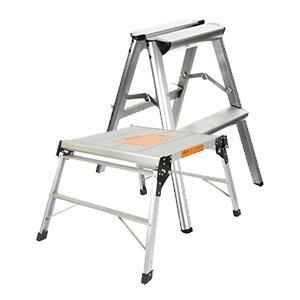
Best for lower-level tasks where you need a broader standing area and room to work sideways. They are not a replacement for height access, but they are often the better option for longer overhead jobs and finishing work.
Maintenance and Care
Clean Off Site Dirt
Mud, plaster dust and paint build-up hide damage and can affect moving parts on telescopic or combination ladders. Give them a wipe down after dirty jobs so locks, hinges and feet stay easy to check.
Check the Feet Regularly
The feet take a hammering in and out of the van and across rough ground. If they are worn smooth, split or loose, replace them before using the ladder again.
Inspect Locks and Hinges
On telescopic and multi-purpose models, make sure every lock engages properly and hinges are clear of grit. If anything feels sticky or does not seat right, sort it before climbing.
Store Them Dry and Secure
Do not leave ladders sliding around loose in the van or sat outside in standing water. Proper storage helps avoid knocks, bent sections and needless wear.
Repair Small Issues Early
A missing foot, worn clip or damaged accessory is worth fixing straight away. If a rail, rung or structural part is bent or cracked, stop using it and replace the ladder rather than bodging it.
Why Shop for Vaunt Ladders at ITS?
Whether you need a compact telescopic for the van, proper vaunt step ladders for indoor work, a vaunt combination ladder for mixed access, or vaunt access benches for steadier low-level jobs, we stock the full range. It is all held in our own warehouse, in stock and ready for next day delivery, so you can get the right access kit on site without hanging about.
Vaunt Ladders FAQs
What ladders does Vaunt make?
Vaunt makes a practical spread of access kit for trade use, including step ladders, telescopic ladders, combination ladders and access benches. The range is aimed at the sort of jobs where you need safe reach, decent stability and something that fits real van storage.
Are Vaunt ladders EN131 certified?
Many Vaunt ladders are built to EN131 standards, but do not guess and do not assume every model is identical. Check the individual product spec and markings before buying, especially if you are supplying site kit and need to meet specific access requirements.
What ladder types does Vaunt offer?
Vaunt offers step ladders for self-supporting indoor work, telescopic ladders for compact storage and call-outs, combination ladders for mixed access setups, plus access benches for lower-level overhead tasks. It is a sensible range for trades who do not want five bits of gear doing one job each.
Are Vaunt ladders suitable for professional site use?
Yes, they are suited to professional trade and site work where the model matches the task and rating. The key is using the right type for the job, keeping it inspected, and not treating compact access gear like full scaffold or platform equipment.
Will a Vaunt telescopic ladder actually hold up in a busy van?
Yes, provided you store it properly and keep the locking sections clean. Telescopic ladders are built for portability, but like any access kit they do not appreciate being battered loose under rubble, tubs and power tools all week.
Is a combination ladder worth it, or is it just more faff?
If your work changes from house to house or room to room, it is worth it. For fixed, repeat access jobs a dedicated ladder can be quicker, but for stairwells, awkward landings and mixed maintenance work, combination ladders save carrying extra kit.