




Stanley PPE Stanley PPE

Stanley PPE

Stanley PPE is for the daily site stuff that catches you out fast, dust, noise, knocks and flying bits, so you stay compliant and keep working.

When you are cutting, drilling, grinding or just shifting materials all day, decent PPE is not optional. Stanley kit covers the basics you actually use, like eye protection that does not fog up, gloves that still let you handle fixings, and ear defenders you will wear for a full shift. Pick the right protection for the task and keep a couple of spares in the van.

What Are Stanley PPE Products Used For?

  • Cutting and grinding on steel or masonry where flying grit and sparks will find your eyes the second you look away.
  • Drilling, chasing, and sanding when dust builds up fast and you need masks and eye protection you can wear without constant faff.
  • Demolition and strip out work where gloves and head and eye protection stop the small knocks turning into lost time.
  • Working around loud kit like breakers, grinders, and generators where ear defenders or plugs keep you sharp by the end of the day.
  • General site handling, loading out, and moving materials where grip and basic hand protection stops cuts and split knuckles.

Who Uses Stanley PPE on Site?

  • Groundworkers and demo lads who need eye, ear, and hand protection that stands up to dust, rubble, and constant handling.
  • Sparks and chippies doing first fix drilling and cutting, because you only get one set of eyes and hearing and the dust is relentless.
  • Brickies, plasterers, and decorators who want simple, wearable protection for mixing, sanding, and snagging without it getting in the way.
  • Facilities and maintenance teams who keep spares in the van for quick call outs, especially glasses, gloves, and ear protection.

Choosing the Right Stanley PPE

Sort the right PPE by matching it to the hazard in front of you, not what is cheapest on the shelf.

1. Eye protection that you will actually keep on

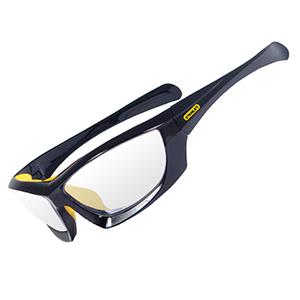
If you are cutting, drilling overhead, or working in dusty rooms, go for wraparound glasses or goggles that seal better. If your glasses fog up or pinch, you will take them off, so prioritise fit and ventilation.

2. Ear defenders vs ear plugs

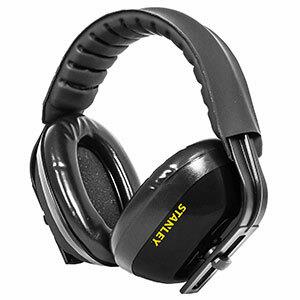
If you are on and off noisy tools all day, ear defenders are quicker to flip on and off and you are more likely to use them. If you are in tight spaces or wearing other headgear, plugs are less bulky, but keep spares because they go missing.

3. Gloves that match the handling

If you are placing fixings, clipping cables, or doing fiddly work, use a thinner glove so you can still feel what you are doing. If you are shifting blocks, sharp materials, or rough timber, step up to tougher gloves and accept a bit less dexterity.

4. Dust masks and respirators

If you are doing quick, light dust jobs, disposable masks are fine as long as they seal properly. If you are cutting and sanding day after day, a reusable respirator with replaceable filters is the sensible move because it fits better and you are not burning through disposables.

The Basics: Understanding PPE Ratings on Site

PPE only does its job if it is the right type for the risk and it fits properly. Ignore the guesswork and check the rating on the product before you start.

1. Eye protection markings

Safety glasses and goggles are rated for impact and coverage. For grinding and heavy dust, goggles give better sealing than standard specs, which matters when grit is bouncing around at floor level or overhead.

2. Hearing protection levels

Ear defenders and plugs are rated by how much noise they reduce. The goal is to bring the noise down to a safer level without blocking everything, so you can still hear instructions and alarms on a live site.

3. Respiratory protection classes

Masks and filters are rated for the type and level of dust they can handle. If you are cutting concrete, plaster, or hardwood, do not wing it, use the right rated protection and make sure it seals around the nose and chin.

PPE Extras That Save You Mid Job

These are the small add ons that stop you downing tools because something snapped, fogged, or ran out.

1. Replacement filters for reusable respirators

Keep spare filters in the van so you are not trying to finish a dusty cut with a clogged mask that is hard to breathe through and leaks round the edges.

2. Anti fog wipes or lens cleaner

If your eye protection steams up in winter or when you are masked up, a quick clean keeps you safe and stops you lifting the glasses at the worst moment.

3. Spare disposable ear plugs and mask packs

They get lost, crushed, or handed out on site, so having a few extra packs means you stay compliant without a run to the merchant.

Why Shop for Stanley PPE at ITS?

Whether you need a quick top up of gloves and specs or you are kitting out for a full run of dusty and noisy work, we stock a proper Stanley PPE range in the sizes and types trades actually use. It is all in our own warehouse, in stock and ready for next day delivery so you can get sorted before the next shift.

Stanley PPE FAQs

Is Stanley PPE proper site rated, or is it just DIY gear?

It is made for trade use, but you still need to check the rating on the exact item for your task. Do not assume any glasses, mask, or glove is suitable for grinding, silica dust, or heavy impact unless the marking says so.

Do safety glasses actually stop fogging when you are masked up?

Some do better than others, but any pair will fog if the fit is wrong and warm air is blowing up from your mask. Get the mask sealed across the nose, and if you are in cold, damp conditions, use anti fog wipes and keep the lenses clean.

Should I use ear defenders or ear plugs for power tools?

If you are constantly on and off noisy tools, ear defenders are quicker and you are more likely to keep them on. If you are in tight spaces, wearing other headgear, or need less bulk, plugs are a better fit, but carry spares because they disappear fast.

How do I know if a dust mask is doing anything useful?

If it does not seal, it is not working. You should feel it pull slightly when you breathe in, with no obvious leaks round the nose or cheeks, and the straps should hold it without you constantly readjusting it.

Do work gloves slow you down when you are handling screws and small fixings?

Thick gloves will, yes. For fixings and first fix work, use a thinner, grippy glove so you keep feel in your fingers, then swap to tougher gloves for sharp materials, blocks, or rough handling.
Read more

Stanley PPE

Stanley PPE is for the daily site stuff that catches you out fast, dust, noise, knocks and flying bits, so you stay compliant and keep working.

When you are cutting, drilling, grinding or just shifting materials all day, decent PPE is not optional. Stanley kit covers the basics you actually use, like eye protection that does not fog up, gloves that still let you handle fixings, and ear defenders you will wear for a full shift. Pick the right protection for the task and keep a couple of spares in the van.

What Are Stanley PPE Products Used For?

  • Cutting and grinding on steel or masonry where flying grit and sparks will find your eyes the second you look away.
  • Drilling, chasing, and sanding when dust builds up fast and you need masks and eye protection you can wear without constant faff.
  • Demolition and strip out work where gloves and head and eye protection stop the small knocks turning into lost time.
  • Working around loud kit like breakers, grinders, and generators where ear defenders or plugs keep you sharp by the end of the day.
  • General site handling, loading out, and moving materials where grip and basic hand protection stops cuts and split knuckles.

Who Uses Stanley PPE on Site?

  • Groundworkers and demo lads who need eye, ear, and hand protection that stands up to dust, rubble, and constant handling.
  • Sparks and chippies doing first fix drilling and cutting, because you only get one set of eyes and hearing and the dust is relentless.
  • Brickies, plasterers, and decorators who want simple, wearable protection for mixing, sanding, and snagging without it getting in the way.
  • Facilities and maintenance teams who keep spares in the van for quick call outs, especially glasses, gloves, and ear protection.

Choosing the Right Stanley PPE

Sort the right PPE by matching it to the hazard in front of you, not what is cheapest on the shelf.

1. Eye protection that you will actually keep on

If you are cutting, drilling overhead, or working in dusty rooms, go for wraparound glasses or goggles that seal better. If your glasses fog up or pinch, you will take them off, so prioritise fit and ventilation.

2. Ear defenders vs ear plugs

If you are on and off noisy tools all day, ear defenders are quicker to flip on and off and you are more likely to use them. If you are in tight spaces or wearing other headgear, plugs are less bulky, but keep spares because they go missing.

3. Gloves that match the handling

If you are placing fixings, clipping cables, or doing fiddly work, use a thinner glove so you can still feel what you are doing. If you are shifting blocks, sharp materials, or rough timber, step up to tougher gloves and accept a bit less dexterity.

4. Dust masks and respirators

If you are doing quick, light dust jobs, disposable masks are fine as long as they seal properly. If you are cutting and sanding day after day, a reusable respirator with replaceable filters is the sensible move because it fits better and you are not burning through disposables.

The Basics: Understanding PPE Ratings on Site

PPE only does its job if it is the right type for the risk and it fits properly. Ignore the guesswork and check the rating on the product before you start.

1. Eye protection markings

Safety glasses and goggles are rated for impact and coverage. For grinding and heavy dust, goggles give better sealing than standard specs, which matters when grit is bouncing around at floor level or overhead.

2. Hearing protection levels

Ear defenders and plugs are rated by how much noise they reduce. The goal is to bring the noise down to a safer level without blocking everything, so you can still hear instructions and alarms on a live site.

3. Respiratory protection classes

Masks and filters are rated for the type and level of dust they can handle. If you are cutting concrete, plaster, or hardwood, do not wing it, use the right rated protection and make sure it seals around the nose and chin.

PPE Extras That Save You Mid Job

These are the small add ons that stop you downing tools because something snapped, fogged, or ran out.

1. Replacement filters for reusable respirators

Keep spare filters in the van so you are not trying to finish a dusty cut with a clogged mask that is hard to breathe through and leaks round the edges.

2. Anti fog wipes or lens cleaner

If your eye protection steams up in winter or when you are masked up, a quick clean keeps you safe and stops you lifting the glasses at the worst moment.

3. Spare disposable ear plugs and mask packs

They get lost, crushed, or handed out on site, so having a few extra packs means you stay compliant without a run to the merchant.

Why Shop for Stanley PPE at ITS?

Whether you need a quick top up of gloves and specs or you are kitting out for a full run of dusty and noisy work, we stock a proper Stanley PPE range in the sizes and types trades actually use. It is all in our own warehouse, in stock and ready for next day delivery so you can get sorted before the next shift.

Stanley PPE FAQs

Is Stanley PPE proper site rated, or is it just DIY gear?

It is made for trade use, but you still need to check the rating on the exact item for your task. Do not assume any glasses, mask, or glove is suitable for grinding, silica dust, or heavy impact unless the marking says so.

Do safety glasses actually stop fogging when you are masked up?

Some do better than others, but any pair will fog if the fit is wrong and warm air is blowing up from your mask. Get the mask sealed across the nose, and if you are in cold, damp conditions, use anti fog wipes and keep the lenses clean.

Should I use ear defenders or ear plugs for power tools?

If you are constantly on and off noisy tools, ear defenders are quicker and you are more likely to keep them on. If you are in tight spaces, wearing other headgear, or need less bulk, plugs are a better fit, but carry spares because they disappear fast.

How do I know if a dust mask is doing anything useful?

If it does not seal, it is not working. You should feel it pull slightly when you breathe in, with no obvious leaks round the nose or cheeks, and the straps should hold it without you constantly readjusting it.

Do work gloves slow you down when you are handling screws and small fixings?

Thick gloves will, yes. For fixings and first fix work, use a thinner, grippy glove so you keep feel in your fingers, then swap to tougher gloves for sharp materials, blocks, or rough handling.
ITS - All The Tools You Need Click and Collect Icon
Store Opening Hours
Opening times
