Stanley PPE
Stanley PPE covers the site basics properly, from eye and hearing protection to gloves and knee pads that stand up to daily trade use.
When you're in and out of noisy cuts, dusty rooms, wet ground and snagging work on your knees, this is the kit that stops the small jobs turning into long-term aches. Stanley safety equipment is straightforward, hard-wearing gear for everyday site graft. Pick the right Stanley goggles, ear defenders, gloves and knee pads for the job, and get covered before you start.
What Is Stanley PPE Used For?
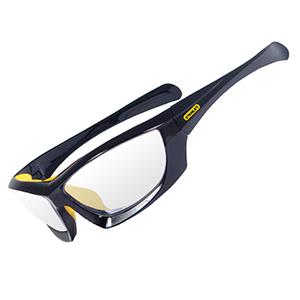
- Protecting your eyes when cutting timber, drilling masonry, grinding fixings or clearing debris, where Stanley safety glasses and Stanley goggles help stop dust and fragments catching you out.
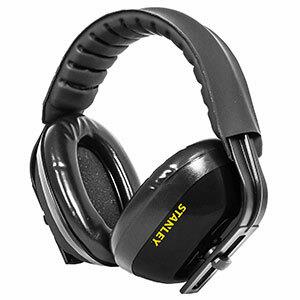
- Taking the edge off sustained noise during demolition, sawing, drilling and workshop prep, where Stanley ear defenders help make long shifts easier on your hearing.
- Keeping your hands covered when handling sheet material, rough timber, fixings and general site gear, where Stanley gloves give you grip without making fiddly jobs a nuisance.
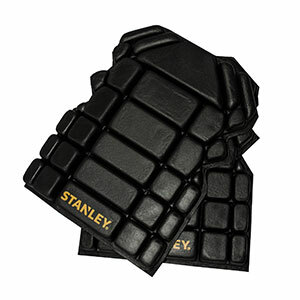
- Saving your knees on flooring, kitchen fitting, first fix and low-level snagging, where Stanley knee pads make a real difference if you're up and down all day on concrete and subfloors.
- Covering the everyday site protection jobs that get overlooked, so Stanley protective equipment helps you stay comfortable, compliant and working without avoidable knocks, dust or strain.
Choosing the Right Stanley PPE
Match the protection to the job first. The wrong PPE is either useless or ends up left in the van.
1. Eye Protection Type
If you are working in general dust and flying debris, Stanley safety glasses are usually enough and feel less bulky for all-day wear. If you are cutting overhead, grinding, or working in heavy dust, go for Stanley goggles with a more enclosed fit.
2. Hearing Protection Level
If you are only around short bursts of noise, lighter ear defenders may do the job without feeling clumsy. If you are on breakers, saws or repeated drilling for hours, check the SNR and buy for the actual noise, not just the cheapest pair.
3. Gloves for the Task
If you need dexterity for fixings, clips and small parts, do not buy big bulky gloves that kill feel in the fingers. If you are shifting rough material, handling timber or doing general labouring, a tougher glove makes more sense than a thin pair that will be worn through in a week.
4. Knee Pad Style
If you are kneeling for quick punch-list jobs, simple Stanley knee pads are fine. If you are flooring, fitting kitchens or working low all day, pick a pair that stays put and cushions properly on hard concrete rather than sliding round your shins.
Who Uses These on Site?
- Sparkies use Stanley PPE for chasing walls, drilling back box holes and working around dust and noise, especially when they need eye and hearing protection that is easy to keep in the tool bag.
- Joiners and chippies reach for Stanley safety gear when cutting sheet, trimming doors and fitting kitchens, because decent gloves, glasses and knee protection save wear on long indoor jobs.
- Groundworkers, landscapers and labourers use Stanley safety equipment for messy, noisy outside graft, where mud, rubble, flying grit and repeated kneeling soon punish cheap kit.
- Plumbers, fitters and maintenance teams keep ppe stanley in the van for quick callouts, snagging and plant room work where you need basic protection ready to go without digging around.
Useful Extras to Back Up Your Stanley PPE
A few sensible extras keep your protection usable, cleaner and easier to live with on site.
1. PPE Storage Cases and Pouches
Chucking Stanley goggles or Stanley safety glasses loose in the van is how lenses end up scratched before the week is out. A simple case or pouch stops your eye protection getting wrecked by fixings, blades and general site clutter.
2. Spare Gloves
Always keep another pair of Stanley gloves in the van or locker. Wet gloves, torn palms or soaked cuffs are a pain halfway through the day, and a spare set saves carrying on with useless hand protection.
3. Replacement Knee Pad Straps or Trousers with Knee Pad Pockets
If your knee pads keep slipping or digging in, the problem is often how they are worn, not the padding itself. Better straps or proper work trousers with knee pad pockets make kneeling work far less of a faff.
Choose the Right Stanley PPE for the Job
Use this quick guide to sort the basics before you get on site.
| Your Job | Stanley PPE Type | Key Features |
|---|---|---|
| General cutting, drilling and site clear-up | Stanley safety glasses | Lightweight eye protection, quick to put on, good for everyday flying dust and debris. |
| Grinding, overhead drilling or dusty indoor refurbs | Stanley goggles | Closer fit around the eyes, better dust control, more suitable where standard specs leave gaps. |
| Repeated sawing, breakers or loud plant work | Stanley ear defenders | Check SNR rating, padded fit and comfort for longer wear on noisy jobs. |
| Handling materials, fixings and rough site tasks | Stanley gloves | Grip, abrasion resistance and enough finger feel to still get work done properly. |
| Flooring, fitting and low-level snagging | Stanley knee pads | Cushioning for hard surfaces, secure fit and less shifting about when you are moving constantly. |
Common Buying and Usage Mistakes
- Buying one type of eye protection for every task is a common mistake. Safety glasses are handy, but on heavy dust or overhead work you may need goggles or you will still be blinking grit out by lunch.
- Ignoring the SNR rating on ear defenders catches plenty of lads out. If the noise level is serious and the protection is too light, you are wearing them for comfort, not proper hearing protection.
- Choosing gloves that are too bulky for the task slows everything down. You lose grip on fixings and feel through the fingers, so match the glove to the work instead of just buying the thickest pair.
- Wearing knee pads that slip round the leg or pinch behind the knee usually means they are the wrong style for the shift. If you are kneeling all day, buy for fit and comfort or you simply will not keep them on.
- Leaving PPE loose in the van ruins it quicker than site use sometimes does. Scratched lenses, bent frames and filthy straps are easy to avoid if you store Stanley protective equipment properly after use.
Safety Glasses vs Goggles vs Ear Defenders
Stanley Safety Glasses
Best for general site work where you need quick, comfortable eye protection without bulk. They are easier to wear all day, but they do not seal round the eye like goggles when dust is really hanging in the air.
Stanley Goggles
Better for grinding, overhead drilling and dirtier refurbs where standard specs leave openings. They offer more coverage, though some trades only wear them when the job demands it because they feel warmer over long periods.
Stanley Ear Defenders
These are for noise control rather than impact protection, so they come into their own on breakers, saws and repeated drilling. Pick them by protection level and comfort, especially if they are staying on half the day.
Stanley Knee Pads
Not a substitute for other PPE, but vital if your work keeps you down on slabs, chipboard or screed. If the job involves constant kneeling, knee pads will do more for day-to-day comfort than most lads realise.
Maintenance and Care
Clean Lenses Properly
Wipe Stanley safety glasses and Stanley goggles with a soft cloth and keep grit off before rubbing. Dry dust dragged across the lens is what leaves them scratched and useless under bright light.
Dry Out Hearing and Hand Protection
If Stanley ear defenders or Stanley gloves get soaked with rain or sweat, let them dry out before stuffing them back in the van. Damp kit soon starts smelling, breaking down and becoming something you stop wearing.
Check Straps, Padding and Seals
Have a quick look over knee pad straps, goggle bands and ear defender cushions now and then. If the fit has gone sloppy or the padding is crushed flat, the protection and comfort both drop off fast.
Store PPE Out of the Rubble
Do not leave Stanley protective equipment buried under tools, fixings and offcuts. A clean box, locker or van shelf helps it last longer and means you can actually find it when the job starts.
Replace Worn Kit Before It Becomes Pointless
Once gloves are split, lenses are badly marked or knee pads have gone flat, stop pretending they are still doing the job. PPE is only any good while it still protects you properly.
Why Shop for Stanley PPE at ITS?
Whether you need Stanley goggles for dusty cut work, Stanley ear defenders for noisy shifts, or Stanley knee pads and gloves for everyday graft, we stock the proper range in one place. It is all held in our own warehouse, so you can get the Stanley safety equipment you need in stock and ready for next day delivery.
Stanley PPE FAQs
What PPE does Stanley make?
Stanley makes the everyday site essentials most trades actually use, including Stanley goggles, Stanley safety glasses, Stanley ear defenders, Stanley gloves and Stanley knee pads. It is the sort of kit you keep in the van or bag for cutting, drilling, handling materials and kneeling work.
Are Stanley safety goggles rated to EN166?
Many Stanley safety goggles are rated to EN166, but do not assume every pair is identical across the range. Check the product spec on the individual item, because that is where you will see the exact eye protection standard and impact rating listed.
What SNR rating do Stanley ear defenders have?
The SNR rating depends on the specific Stanley ear defenders you choose, so there is not one figure for the whole range. Always check the product details and match the rating to the actual noise on site, especially if you are on saws, breakers or long drilling runs.
Are Stanley knee pads CE certified?
Some Stanley knee pads are CE certified, but like any PPE category, certification can vary by product. The safest way to buy is to check the listing for the exact compliance details rather than guessing off the brand alone.
Is Stanley PPE suitable for professional site use?
Yes, Stanley PPE is widely used for everyday trade and site work, especially for the routine protection jobs that happen every shift. Just make sure you choose the right item and rating for the task, because proper site use still comes down to matching the PPE to the risk.
Will Stanley gloves last on rough site work?
They hold up well for general handling, loading out, timber, fixings and day to day graft, but no glove lasts forever if you abuse it on sharp edges and rough block. Keep a spare pair handy and replace them once the palms or fingertips start letting go.
Are Stanley safety glasses enough for dusty cutting jobs?
For general cutting and drilling, often yes. For heavy dust, overhead work or grinding, goggles are usually the better call because they cover more of the eye area and stop fine dust getting in around the sides.