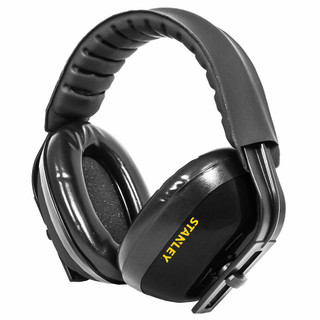
Stanley Ear Defenders
Stanley ear defenders cut site noise down to a safer level when you're on breakers, grinders, saws or plant and still need all-day comfort.
If you're working round constant noise, don't leave hearing to chance. Stanley ear protection is the sort of kit you keep in the van and actually use because it is simple, tough and easy to wear. Good for demolition, cutting, drilling and workshop jobs where noise builds up fast. Check the SNR, make sure the fit works with the rest of your PPE, and get the right Stanley ear defenders for the job.
What Are Stanley Ear Defenders Used For?
- Cutting block, steel or timber with saws and grinders is where Stanley ear defenders earn their keep, taking the edge off repeated high noise so you can stay on the job longer without wrecking your hearing.
- Breaking out concrete, chasing walls and drilling into masonry are proper noisy tasks, and Stanley ear protection helps keep exposure under control when the whole area is ringing.
- Working around compressors, generators, mixers and site plant is exactly the sort of background noise that catches lads out, so Stanley hearing protection is worth having on even when you are not the one on the trigger.
- Cleaning up in workshops, joinery units and yard areas with constant machine noise is another solid use, especially when you need hearing cover that goes on fast and stays put through the shift.
Choosing the Right Stanley Ear Defenders
Match the protection level to the noise, and make sure they work with the rest of your PPE before you buy.
1. Check the SNR First
If you are only dealing with occasional workshop noise, a lower SNR may do the job. If you are around grinders, breakers, disc cutters or loud plant day after day, step up the rating. Too low and they are not doing enough. Too high for light work can make it harder to hear what is going on around you.
2. Headband or Helmet Fit
If you are mostly on general snagging, yard work or bench tasks, standard headband Stanley ear muffs are usually the simple option. If you are in full site PPE with a hard hat most of the day, check for helmet compatible hearing protection instead of trying to force a bad fit.
3. Folding Makes a Difference
If they are living in a van, tool bag or site locker, Stanley folding ear defenders are worth it. They take up less room and are less likely to get crushed or left behind because they are a faff to carry.
4. Earmuffs or Ear Plugs
Stanley ear muffs are quicker to put on and take off, which suits shared site areas and stop start jobs. Stanley ear plugs are better where space is tight or other head gear gets in the way, but only if they fit properly and get worn correctly every time.
Who Uses These on Site?
- Groundworkers and demolition crews use Stanley ear defenders when they are on breakers, cut off saws and compact plant, because noise exposure builds up quickly on heavy jobs.
- Sparkies and plumbers keep Stanley ear protection handy for chasing walls, drilling service runs and working in plant rooms where echoed noise is worse than you expect.
- Joiners, roofers and fitters use ear defenders Stanley style around mitre saws, circular saws and nailers, especially on indoor fit out where the sound bounces round the space all day.
- Workshop staff, maintenance teams and site managers reach for Stanley hearing protection when they need quick, reliable cover for inspections, clean down or short visits into noisy work areas.
The Basics: Understanding Stanley Ear Protection
The main thing to understand is not just that they block noise, but how much noise they cut and whether that suits the job in front of you.
1. SNR Is the Figure to Watch
SNR stands for Single Number Rating. In simple terms, it tells you how much the ear defenders reduce noise when they are fitted properly. Higher numbers mean more reduction, which matters when you move from general workshop noise to breakers, saws or heavy plant.
2. Fit Matters as Much as the Rating
If the cups do not seal properly because of glasses, poor adjustment or clashing PPE, you lose protection fast. A decent fit is what turns a good SNR on paper into something that actually helps on site.
3. Ear Muffs and Ear Plugs Suit Different Jobs
Stanley ear muffs are the faster option for lads moving in and out of noisy zones. Stanley ear plugs are smaller and easier to carry, which suits short visits, tight areas or keeping a spare set in your pocket.
Useful Extras for Stanley Ear Protection
A couple of simple add ons can make hearing protection easier to use properly on site.
1. Stanley Ear Plugs
Keep a set of Stanley ear plugs in the van, jacket or toolbox for those times you are caught near noisy work without your main defenders. Better that than standing by a breaker or saw with nothing because your muffs are in another bag.
2. Hard Hat Compatible Hearing Protection
If your standard defenders clash with your lid, get hearing protection that is meant to work with head protection. It saves you from breaking the seal, wearing the band badly, or just taking them off because the fit is awkward.
3. Storage Case or Clean PPE Bag
Chucking ear defenders loose in the van is how the cups get filthy or the headband gets bent. A clean storage spot keeps them usable and stops dust, plaster and site muck building up where they sit against your head.
Choose the Right Stanley Ear Defenders for the Job
Use this quick guide to match the job and noise level to the right type.
| Your Job | Category or Type | Key Features |
|---|---|---|
| General workshop tasks and occasional machine noise | Standard headband ear defenders | Quick to put on, comfortable for short to medium use, decent all round noise reduction |
| Daily use on saws, grinders and drilling jobs | Higher SNR ear defenders | Stronger noise reduction, better for repeated exposure, more suitable for louder kit |
| Full site PPE with a hard hat on all shift | Helmet compatible hearing protection | Designed to work with head protection, proper fit, less chance of breaking the seal |
| Van based work, snagging and stop start visits to noisy areas | Stanley folding ear defenders | Compact storage, easier to carry, quicker to keep close at hand |
| Tight spaces or as a backup in pockets and bags | Stanley ear plugs | Small to carry, useful spare option, good where earmuffs get in the way |
Common Buying and Usage Mistakes
- Buying on price alone and ignoring the SNR rating is the usual mistake. If the noise reduction is too low for the tools you are using, you are still overexposed even though you have got defenders on.
- Wearing ear defenders with a poor seal around glasses, hats or badly adjusted bands cuts protection right down. Take a minute to fit them properly or the rating means very little.
- Using standard headband defenders under or over a hard hat when they are not meant for it leads to a bad fit and plenty of discomfort. If the site needs a lid all day, buy hearing protection that works with it.
- Leaving Stanley ear muffs loose in the van or at the bottom of a tool bag soon wrecks the cushions and fills them with dust. Store them properly so they are clean and still seal when you need them.
- Thinking short bursts of noise do not matter soon catches up with you on site. Repeated exposure from quick cuts, drilling runs and breaker work still adds up, so wear Stanley hearing protection every time.
Ear Defenders vs Ear Plugs vs Helmet Mounted Protection
Standard Ear Defenders
These are the easy all rounder for most trades. Fast to put on, easy to check for a proper fit, and better for lads moving in and out of noisy areas. The downside is bulk, especially if you are already wearing other head gear.
Ear Plugs
Ear plugs are easier to carry and handier in tight spaces, so they work well as a backup or for short visits into noisy zones. They only do the job properly if inserted right, which is where plenty of people get lazy and lose protection.
Helmet Mounted Protection
If you are under a hard hat all day, this is usually the better answer. It keeps your PPE working together properly and avoids the awkward pressure points you get with the wrong headband setup. Best for regular site use, less so if you rarely wear a lid.
Maintenance and Care
Wipe Them Down After Dusty Work
Fine dust, sweat and site grime soon build up on the cups and headband. A quick wipe after use keeps Stanley ear defenders cleaner, more comfortable and less likely to stink out the van.
Check the Cushions and Seal
If the ear cushions are split, flattened or going hard, the seal will not be right. Once that happens, noise reduction drops off, so replace worn parts where possible or swap the defenders out.
Do Not Crush Them in the Van
Headbands bent under toolboxes and cups jammed under kit bags do not spring back forever. Store Stanley folding ear defenders folded and keep all hearing protection somewhere they will not get flattened.
Replace Dirty or Damaged Ear Plugs
If you are using Stanley ear plugs, do not keep stuffing worn or dirty pairs back in your ears. Fresh plugs fit better, stay cleaner and actually give the protection they are rated for.
Why Shop for Stanley Ear Defenders at ITS?
Whether you need compact Stanley folding ear defenders, standard Stanley ear muffs, or backup Stanley ear plugs for the van, we stock the proper range for real site use. It is all held in our own warehouse, in stock and ready for next day delivery, so you can get your Stanley ear protection sorted before the next shift.
Stanley Ear Defenders FAQs
What SNR rating do Stanley ear defenders have?
It depends on the exact model. Stanley ear defenders come in different protection levels, so always check the listed SNR before you buy. That figure tells you how much noise reduction you are getting when they are worn properly, which matters if you are choosing between general workshop use and louder site tools like grinders or breakers.
What noise level requires hearing protection on site?
On site, hearing protection is generally needed when noise reaches levels where normal conversation gets difficult or where powered kit is running for any length of time. In practical terms, breakers, disc cutters, grinders, saws, compressors and plant are the usual giveaway. If the area is loud enough that your ears are ringing after, you have left it too late.
Are Stanley ear defenders foldable for storage?
Some are, some are not. Stanley folding ear defenders are handy if you want them in a tool bag or glove box without them getting in the way. Just check the product details rather than assuming every pair folds, because the storage setup changes from one model to another.
Can ear defenders be worn with a hard hat?
Yes, but only if the setup is compatible. Standard headband ear defenders do not always sit properly with a hard hat, and once the seal is broken the protection drops off. If you are under a lid most of the day, go for hearing protection designed to work with hard hat use rather than forcing a bad fit.
What is the difference between SNR and NRR ratings?
SNR is the rating you will usually see used here in the UK and across Europe, while NRR is more common in the US. Both are there to show noise reduction, but they are measured under different standards, so do not compare the numbers as if they are identical. For UK site buying, SNR is the one to focus on.
Are Stanley ear muffs enough for grinders and breakers?
They can be, if the SNR matches the noise and the fit is right. For regular grinder, breaker or cut off saw work, do not guess. Check the rating, wear them properly, and if the environment is especially harsh, review whether a higher protection level is the better call.
Do glasses affect the seal on Stanley hearing protection?
Yes, they can. Thick arms on safety glasses can leave a gap between the cushion and your head, which cuts the real world protection. It does not make ear defenders useless, but you do need to check the fit rather than just throwing them on and hoping for the best.