Stanley Tape Measures
FatMax tape measures are built for daily site marking out, set-outs, cut lists and snagging, with tough cases, clear blades and reach that saves climbing in twice.
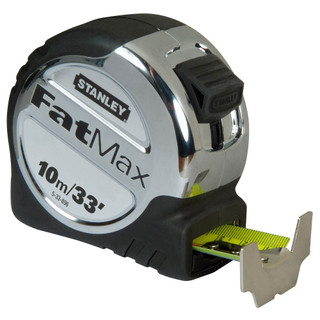
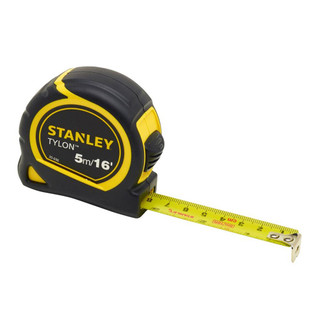
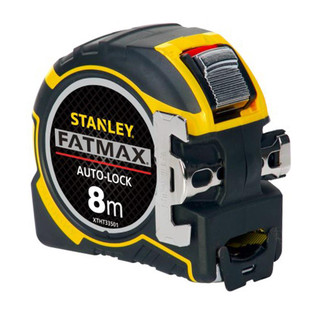
If you're measuring timber, checking openings or setting out walls all day, a decent tape is one bit of kit you use constantly. Stanley FatMax tape measures are popular because the blade stays readable, the cases take knocks, and the standout helps when you're working solo. Whether you need a stanley tape measure 5m for general first fix, a stanley tape measure 8m for bigger rooms, or a stanley 10m tape measure for steel, roofing and longer runs, pick the length that suits the jobs you actually do.
What Jobs Are FatMax Tape Measures Used For?
- Setting out stud walls, door openings and kitchen runs is where a fatmax tape earns its keep, giving you clear readings and enough standout to measure solo without the blade folding straight away.
- Measuring timber, sheet material and cut lengths in the workshop or on the hop is easier with a stanley tape measure 5m or stanley tape measure 8m, especially when you are marking repeatedly through the day.
- Checking room sizes, ceiling drops and longer floor runs on fit-out jobs suits a stanley 10m tape measure, where the extra blade length saves constant repositioning.
- Snagging, second fix and general maintenance work call for a tape that clips on, reads quickly and survives being dropped in the van, on concrete or across scaffold boards.
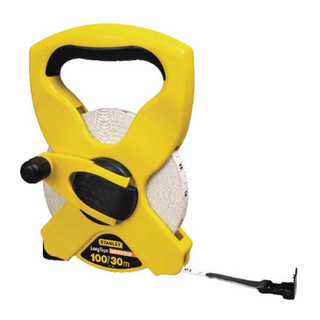
- Groundworks, fencing and landscaping jobs often need a stanley long tape measure when shorter pocket tapes are not enough for boundary lines, trench runs or post spacing.
Choosing the Right FatMax Tape Measure
Sorting the right one is simple. Match the tape length and blade style to the work, not whatever happens to be cheapest.
1. 5m for everyday belt use
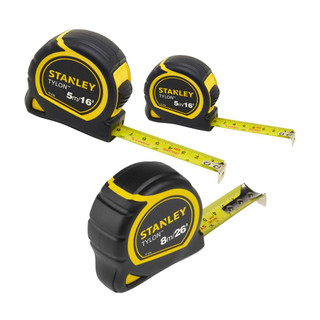
If you are doing general first fix, second fix, snagging or workshop marking, a stanley tape measure 5m is usually the right call. It is easier to carry all day, quicker to pull out, and covers most routine room and timber measurements without extra bulk.
2. 8m when rooms get bigger
If you regularly measure longer stud runs, ceiling work, shopfitting bays or larger sheet layouts, go for a stanley tape measure 8m. It gives you more reach before you need to move, but still rides fine on the belt.
3. 10m for longer site set-out
Do not buy a stanley 10m tape measure for tiny indoor jobs unless you really need it. It comes into its own on roofing, steel, external works and long internal runs where the extra blade length genuinely saves time.
4. Pocket tape or long tape
If you are measuring cut lengths and openings all day, stick with a pocket fatmax tape or stanley powerlock tape measure. If you are laying out boundaries, fencing or trench lines, a stanley long tape measure makes more sense than fighting a short blade over distance.
Who Uses These on Site?
- Chippies use FatMax tape measures for first fix, roofing and cut lists because a stiff blade and decent standout make solo measuring far less of a faff.
- Sparkies keep one on the belt for marking back boxes, cable routes and tray runs, usually favouring a stanley tape measure 5m for everyday access work and room set-out.
- Kitchen fitters and joiners swear by them for cabinet runs, worktops and finish dimensions where a readable blade and reliable lock matter more than gimmicks.
- Brickies and groundworkers reach for a stanley 10m tape measure or stanley long tape measure when setting out walls, openings, foundations and external runs across open site.
- Maintenance teams and snaggers use a stanley tape measure set or compact pocket tapes for quick checks, replacement parts and general measuring that happens all shift long.
Choose the Right Tape Measure for the Job
Here is the quick way to sort the right tape for the work in front of you.
| Your Job | Tape Type | Key Features |
|---|---|---|
| Daily first fix, snagging and van work | Stanley tape measure 5m | Compact size, quick belt carry, enough reach for most indoor measuring |
| Joinery, kitchen fitting and larger room layouts | Stanley tape measure 8m | Extra blade length, good standout, still practical for everyday use |
| Roofing, steelwork and longer internal runs | Stanley 10m tape measure | Longer reach, fewer resets, better for measuring solo over distance |
| External setting out, fencing and groundworks | Stanley long tape measure | Built for long straight runs, open ground and repeated distance checks |
| General trade use with proven blade lock | Stanley PowerLock tape measure | Traditional case style, dependable lock, straightforward everyday measuring |
Common Buying and Usage Mistakes
- Buying a 10m tape for small indoor snagging sounds sensible until it is dragging on your belt all day. If most of your work is inside on cut lists and openings, a 5m or 8m usually makes more sense.
- Using a short pocket tape for long set-out work wastes time and introduces errors because you keep moving and re-hooking. For fencing lines, slab layouts or long walls, use a proper long tape or a 10m tape measure.
- Trusting a bent or kinked blade is asking for bad measurements. Once the blade is damaged or the hook is loose, retire it from accurate work and keep it only for rough checks if at all.
- Letting the blade slam back into the case shortens its life and can damage the hook. Walk it back in under control and the tape will last longer on site.
- Ignoring accuracy class can catch you out on precise joinery or repeated setting out. Check for EC Class II marking if you need consistent readings you can trust across the job.
FatMax vs PowerLock vs Long Tape
FatMax
This is the one most trades reach for when the tape is in and out all day. You get stronger standout, a tougher case and a blade suited to solo measuring on first fix, joinery and general site set-out.
PowerLock
A Stanley PowerLock tape measure is the simpler, more traditional option for straightforward measuring jobs. It is dependable and familiar, but if you want more standout and harder-wearing site use, FatMax is usually the better bet.
Long Tape
A stanley long tape measure is for distance work, not pocket carry. Use it for fencing, landscaping, trench runs and external set-out where a standard retractable tape becomes awkward and slow.
Maintenance and Care
Wipe the blade down
Dust, plaster, wet sawdust and grit chew up the blade coating over time. Give it a quick wipe before retracting it fully, especially after outside work or messy cut days.
Do not let it snap back
Blade recoil feels harmless until the hook loosens and the end gets battered. Feed it back into the case under control to keep the hook true and the return spring happier.
Check the hook for play
A tape measure hook needs the correct movement for inside and outside readings, but too much slack means trouble. If it is clearly bent or knocked out, your readings will be off.
Store it dry
Leaving a wet tape measure in the van or tool bag all weekend is a good way to shorten its life. Dry it off after rain or external works and keep the case free from packed dirt.
Replace damaged blades early
If the blade is kinked, cracked at the hook end or hard to read, do not keep guessing with it. A tired tape costs more in bad set-out and recuts than a replacement ever will.
Why Shop for Stanley Tape Measures at ITS?
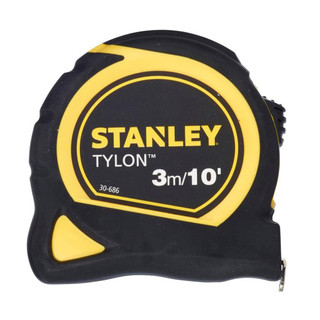
Whether you need a stanley tape measure 3m for pocket carry, a stanley tape measure 5m for daily first fix, a stanley tape measure 8m for larger layouts, or a stanley tape measure 10m for longer runs, we stock the range in depth. That includes FatMax, PowerLock, long tapes and tape measure sets, all held in our own warehouse and ready for next day delivery.
Stanley Tape Measure FAQs
What is fatmax tape?
FatMax tape is Stanley's tougher trade tape range, built for regular site use rather than light DIY measuring. You usually get a stronger blade, better standout and a case that puts up with drops, belt carry and life in the van.
How far does a Stanley tape measure stand out unsupported?
It depends on the exact model, blade width and condition, so there is no single answer for every Stanley tape. FatMax models are known for better standout than basic tapes, but real world performance still changes if the blade is worn, dirty or being used one handed at an angle.
What length tape measure is best for general site work?
For most day to day trade work, a 5m tape is the sweet spot. It covers the bulk of indoor measuring, rides well on the belt and does not feel overkill. If you often set out bigger rooms or longer runs, step up to an 8m. Save a 10m for jobs where that extra reach gets used properly.
What is the Stanley PowerLock tape measure?
The Stanley PowerLock tape measure is the classic retractable tape many trades already know. It is a straightforward, reliable option with a lockable blade, suited to general measuring where you do not necessarily need the bigger standout and chunkier case of a FatMax.
Are Stanley tapes EC Class II accuracy rated?
Many Stanley tapes are EC Class II rated, but do not assume every tape in the range is identical. Check the product spec on the individual model if accuracy marking matters for your work, especially on joinery, repeat setting out or inspection jobs.
Will a FatMax tape hold up to getting dropped on concrete?
Yes, they are built for that sort of everyday site abuse and the cases are far tougher than bargain tapes. That said, no tape measure is indestructible. Repeated hard drops can still knock the hook out or damage the blade, so check it if accuracy matters.
Is a 10m tape measure worth carrying every day?
Only if you genuinely use the extra length most days. For a lot of indoor site work, a 10m tape is bulkier than you need. If you are measuring roof timbers, steel runs or bigger layouts regularly, then yes, it earns its place.