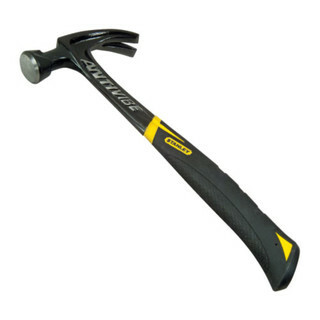
Stanley Hammers & Mallets
Stanley hammers are built for striking, pulling, breaking and setting materials properly on site, from first fix carpentry to demo and groundwork jobs.
When you're driving nails all day, knocking block about, or persuading stubborn materials into place, this is the kit you reach for. The Stanley hammer range covers everything from a stanley claw hammer for timber work to a stanley lump hammer, stanley club hammer, stanley ball pein hammer, stanley brick hammer and stanley mallet options for jobs where a normal hammer is the wrong tool. Pick the weight and face to suit the work, and you'll save your wrist as well as doing a cleaner job.
What Jobs Are Stanley Hammers Best At?
- Driving fixings into timber stud, batten and first fix carcassing is where a stanley claw hammer earns its keep, giving you proper control for repeated nail work without feeling clumsy in the hand.
- Breaking up small sections of block, chasing out masonry and knocking in bolster chisels is better suited to a stanley lump hammer or stanley club hammer, especially on refurbs where a lighter sledge would be overkill.
- Shaping metal, striking punches and working around pins, rivets or engineering jobs is what a stanley ball pein hammer is for, particularly in workshops, garages and plant maintenance areas.
- Splitting, trimming and tidying bricks on site is easier with a stanley brick hammer, which gives brickies and groundworkers a proper edge for controlled hits instead of making do with whatever is in the van.
- Setting slabs, nudging timber joints together or tapping finished surfaces without marking them up is the right job for a stanley rubber mallet or stanley mallet, especially on fit-out and landscaping work.
Choosing the Right Stanley Hammers
Sorting the right one is simple: match the hammer to the material and the force you actually need, not just the biggest head on the page.
1. Claw Hammer for Timber Jobs
If you are doing first fix, shuttering or general carpentry, go straight for a stanley claw hammer. It drives nails and pulls them back out without you carrying separate kit, which is why most chippies keep one on them all day.
2. Lump or Club Hammer for Masonry and Demo
If you are striking a bolster, breaking block or doing light demolition, use a stanley lump hammer or stanley club hammer. Do not try forcing a claw hammer through masonry jobs because you will feel it in your wrist and likely chew the tool up.
3. Mallet for Finished Surfaces
If the material needs persuading rather than battering, use a stanley mallet. A stanley rubber mallet is the better shout for slabs, laminate, joinery and fitted parts where a steel face would leave marks you then have to put right.
4. Weight and Handle Matter More Than Most Lads Think
If it is in your hand all day, do not buy heavier than the job needs. A bigger hammer hits harder, but it also tires you quicker. For regular site use, many trades prefer fibreglass handled options because they take knocks, shrug off damp and need less looking after than wood.
Who Uses These on Site?
- Chippies rely on a stanley claw hammer for first fix, stud walls and general timber work, where they need to drive nails cleanly and pull the odd bent one without swapping tools.
- Brickies and groundworkers keep a stanley lump hammer, stanley club hammer or stanley brick hammer close by for bolsters, light demolition and trimming block or brick during the build.
- Sparks, plumbers and general builders use heavier hammers for chasing, knocking out awkward sections and shifting fixings on refurb jobs where neat enough is not enough and the tool has to land properly.
- Fitters, floor layers and landscapers swear by a stanley mallet or stanley rubber mallet when they need to persuade materials into place without bruising timber, marking paving or cracking finished edges.
- Workshop teams and mechanics reach for a stanley ball pein hammer when they are striking punches, shaping metal or doing repair work where a claw hammer simply is not the right shape.
Choose the Right Stanley Hammers for the Job
Use this quick guide to avoid buying the wrong striker for the work.
| Your Job | Category or Type | Key Features |
|---|---|---|
| Driving and pulling nails in timber | Stanley claw hammer | Curved claw, balanced head, comfortable handle for repeated first fix work |
| Striking bolsters and breaking small masonry sections | Stanley lump hammer or club hammer | Short handle, heavier head, controlled force for demo and chasing |
| Setting slabs or tapping joinery into place | Stanley rubber mallet | Non marking face, softer strike, better for finished materials |
| Trimming bricks on site | Stanley brick hammer | Purpose shaped head for scoring, splitting and dressing brick edges |
| Metalwork, punches and workshop repairs | Stanley ball pein hammer | Rounded pein, solid strike face, suited to pins and metal shaping |
Common Buying and Usage Mistakes
- Buying one hammer to do every job usually ends with poor results. A claw hammer is not the tool for masonry work, and a lump hammer is no good when you need neat nail driving.
- Going too heavy too soon wears you out and ruins accuracy. If the job is regular first fix or snagging, use a hammer you can control for hours, not ten minutes.
- Using a steel faced hammer on finished timber, paving or fitted parts is a quick way to leave marks. Switch to a stanley mallet or rubber mallet where the surface has to stay clean.
- Ignoring handle condition is asking for trouble. If a handle is cracked, loose or starting to twist, sort it before it becomes a flying head problem.
- Striking cold chisels, punches or masonry with the wrong hammer face can chip the tool and your confidence. Match the head shape and weight to the accessory you are actually hitting.
Claw Hammer vs Lump Hammer vs Rubber Mallet
Stanley Claw Hammer
Best for timber work, nail driving and pulling fixings back out. This is the everyday site hammer for chippies and general builders, but it is not the right choice for chiselling masonry or setting slabs.
Stanley Lump Hammer
Best for short, controlled heavy strikes into bolsters, chisels and blockwork. It gives you more hit than a claw hammer without stepping up to a full stanley sledge hammer.
Stanley Rubber Mallet
Best when the material needs moving without being marked up. Use it for slabs, timber joints and fitted pieces where a steel hammer would bruise the surface or crack an edge.
Maintenance and Care
Keep the Face Clean
Wipe off mortar, adhesive, damp dust and site grime after use. A clean striking face lands truer and is less likely to slip when you are hitting nails, chisels or pins.
Check the Handle Regularly
Look for cracks, movement at the eye and damage from overstrikes. Fibreglass handles cope well with site abuse, but if anything feels loose, stop using it and replace the tool or handle properly.
Store It Dry
Do not leave hammers rolling about in standing water in the van or open on wet scaffold boards. Keeping them dry helps prevent rust on the head and stops wooden handles swelling or shrinking.
Replace Damaged Mallet Faces
If a rubber mallet face is splitting, hardening or chunking away, bin it before it starts marking finished work. Once the face goes off, it stops doing the one job you bought it for.
Do Not Keep Beaten Up Heads Forever
If the striking face is badly chipped, mushroomed or out of shape, replace it. A tired hammer head glances more easily and turns a simple strike into an avoidable injury.
Why Shop for Stanley Hammers at ITS?
Whether you need a stanley claw hammer for first fix, a stanley lump hammer for bolster work, or a stanley mallet for fitting and finishing, we stock the full Stanley hammer range in one place. Different weights, handle types and job specific patterns are all held in our own warehouse, in stock and ready for next day delivery.
Stanley Hammers FAQs
What hammer weight should I use for general work?
For general site work, most lads are comfortable with a midweight hammer that gives enough hit without wrecking your arm by lunchtime. If you are mainly driving nails, stay with a sensible claw hammer weight. If you are hitting chisels or breaking bits of masonry, step up to a lump or club hammer rather than just choosing the heaviest thing going.
What is the difference between a mallet and a hammer?
A hammer gives a harder strike for nails, masonry and metalwork. A mallet is there to move or seat materials without chewing them up. If you are fitting slabs, tapping timber joints together or adjusting finished parts, use a stanley mallet. If you need proper impact into fixings or chisels, use a hammer.
Are Stanley hammers fibreglass or wooden handled?
Both turn up across the range. Stanley hammers come in fibreglass handled and wooden handled versions depending on the pattern. Fibreglass is usually the better bet for regular site abuse and damp conditions, while wood still suits trades who prefer a more traditional feel in the hand.
What is a lump hammer used for?
A lump hammer is for short, heavy striking jobs where a claw hammer is too light and a sledge is too much. Think bolsters, cold chisels, breaking block, knocking out masonry and general small scale demolition on refurbs and site alterations.
How do you fit a new handle to a hammer head?
You remove the old handle fully, clean out the eye, fit the new handle snug through the head, then secure it with the right wedge system so there is no movement at all. Done properly, it is solid. Done badly, it is dangerous. If there is any doubt on site, many trades just replace the hammer rather than risking a loose head.
Will a Stanley rubber mallet mark finished surfaces?
Used properly, it is far less likely to mark than a steel hammer, which is the whole point. It is still worth checking the face is clean before striking light coloured slabs, trim or finished joinery, because site grit stuck to the face can still leave marks.