


Ryobi 18V ONE+ Watering

Ryobi 18V ONE+ Watering covers the jobs where hoses, hand pumps, or mains gear just slow you down, from spraying treatments to shifting water round the garden.

If you're feeding plants, spot-treating weeds, emptying water butts, or moving clean water where it needs to go, this is the sort of kit that saves time and mess. Ryobi has built the range around the same battery platform as other Ryobi 18V ONE+ kit, so if you're already running Drills and Drivers or other Garden Power Tools, it makes sense to keep everything on one system. Check tank size, hose reach, and flow before you buy, then get the right watering tools sorted.

What Are Ryobi 18V ONE+ Watering Used For?

  • Watering beds, borders, pots, and hanging baskets is far easier when you do not want to drag a hose through the garden or across freshly finished paving.
  • Spraying weedkiller, patio treatment, or plant feed around sheds, fence lines, and paths is quicker with cordless sprayers and pumps that let you move properly round the job.
  • Shifting water from butts, tanks, and containers helps when you need to fill cans, rinse down areas, or move stored water to places a mains hose will not reach.
  • Handling small home improvement and clean-up jobs works well with Ryobi ONE+ Cordless Watering kit when you need portable sprayers and pumps without faffing with leads or manual pressure.

Choosing the Right Ryobi 18V ONE+ Watering

Sorting the right one is simple. Match the tool to the water job, not the other way round.

1. Sprayer or Pump

If you are applying feed, treatment, or weedkiller, go for a sprayer with the right tank size and lance setup. If you are moving water from a butt or container to somewhere else, a transfer pump makes far more sense than trying to bodge it with watering cans.

2. Tank Size and Run Time

If you are only doing pots and spot treatment, a smaller unit keeps weight down and is easier to carry. If you are covering a lot of beds or a long fence line, buy bigger capacity and make sure you have the right battery to avoid stopping halfway through.

3. Reach and Hose Length

Do not just look at the bare unit. If the water source is tucked away in a shed or the butt is at the bottom of the garden, hose reach matters just as much as flow. Too short and you will spend more time repositioning than working.

4. Battery Compatibility

If you already own Ryobi 18V battery tools, staying on the ONE+ platform is the obvious move. It keeps your chargers and spares simple, and if you need extras you can sort them through Batteries Chargers and Mounts.

Who Uses These Watering Tools?

  • Garden maintenance teams use them for feeding, spraying, and watering across larger plots where carrying cans all day just wastes time and effort.
  • Landscapers reach for Ryobi 18V ONE+ Watering when establishing new turf, beds, and planted areas that need regular soaking without hauling long hoses round finished work.
  • Facilities and maintenance staff use sprayers and pumps for weed treatment, light washdown, and moving stored water round schools, offices, and managed properties.
  • DIY users and homeowners swear by this sort of kit for patios, greenhouses, raised beds, and awkward corners where mains access is poor but the job still needs doing properly.

The Basics: Understanding Ryobi 18V ONE+ Watering

These tools are all about making water movement and spraying portable. The main thing to understand is whether you need to apply liquid evenly or simply move it from one place to another.

1. Cordless Sprayers

A cordless sprayer uses the battery to keep pressure consistent, so you get a steadier spray across plants, borders, paths, or treated areas. That means less pumping by hand and a more even finish on the job.

2. Transfer Pumps

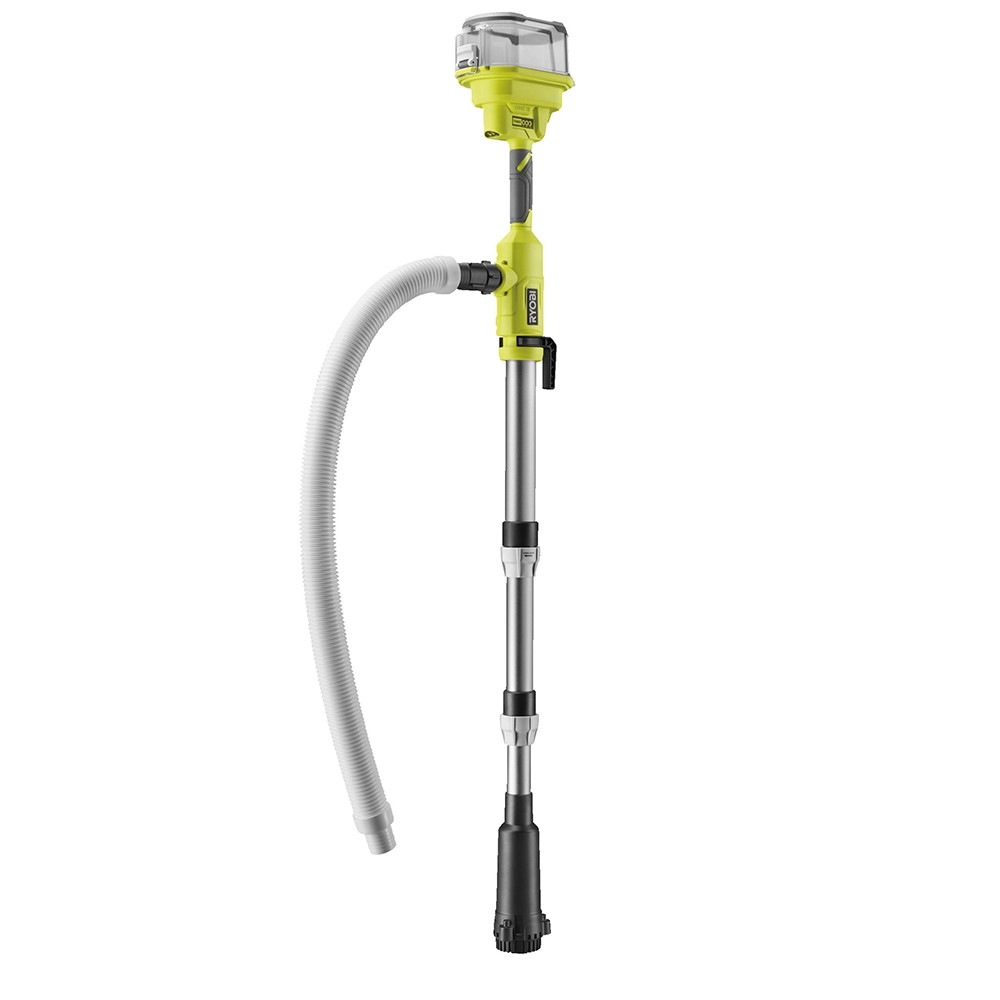
A transfer pump is there to move water from a butt, tank, or container to where you need it. It saves lifting heavy containers and makes far more sense when the job is about shifting volume rather than fine spraying.

3. One Battery Platform

The real advantage with Ryobi ONE+ Cordless Watering is that it runs on the same batteries as other Ryobi ONE+ tools. For anyone already on the platform, that keeps kit costs down and makes day to day use much simpler.

Watering Accessories That Keep the Job Moving

A couple of sensible add-ons will save repeat trips, flat batteries, and half-finished watering jobs.

1. Spare Batteries

A spare battery is the obvious one if you are doing bigger gardens, long treatment runs, or repeated pump work. Do not get caught with a dead pack halfway through a tank when the mix is already made up.

2. Chargers

A decent charger keeps the system turning round properly, especially if the same batteries are shared across your watering tools and other Ryobi 18V cordless tools. It is the difference between getting back on with the job and waiting about.

3. Extra Hoses and Lances

If your setup allows it, extra reach is worth having. It saves dragging containers closer, leaning over beds, or stretching to hit awkward fence lines and greenhouse corners.

Choose the Right Ryobi 18V ONE+ Watering for the Job

Here is the quick way to sort the right type for the work in front of you.

Your Job Category or Type Key Features
Watering pots, borders, and raised beds Cordless garden sprayer Portable tank, steady spray output, easy carrying round the garden
Applying weedkiller or treatment along paths and fence lines Cordless pressure sprayer Consistent pressure, lance control, less hand pumping on longer runs
Moving water from a butt or tank Transfer pump Good hose reach, reliable flow, suited to shifting stored water quickly
Small DIY and home improvement clean-up jobs Compact pump or sprayer Lower weight, easy setup, handy for occasional use without bulky kit

Common Buying and Usage Mistakes

  • Buying by battery platform alone and not by task is a common one. A sprayer will not replace a transfer pump, so make sure the tool matches whether you are applying liquid or moving it.
  • Ignoring tank size sounds minor until you are refilling every few minutes. For bigger gardens or repeated treatment work, extra capacity saves a lot of wasted walking.
  • Using the wrong battery for the length of job leads to flat packs and downtime. If you are already running Ryobi 18V cordless tools, keep a spare charged and ready.
  • Not checking hose length and reach causes more hassle than most expect. If the water source is awkward, too little reach turns a simple job into constant repositioning.
  • Leaving sprayers dirty after treatment use will shorten their life. Flush them through properly after use or you risk blocked lines, poor spray pattern, and seals wearing out early.

Sprayers vs Pumps vs Hose-Fed Watering

Cordless Sprayers

Best when you need controlled application of feed, treatment, or weedkiller over beds, borders, and hardstanding. They are the right pick for even coverage, but they are not there for shifting larger volumes of water.

Transfer Pumps

These are for moving water from one place to another quickly and with less lifting. If your main problem is emptying a butt, filling containers, or getting stored water across the garden, this is the better option.

Hose-Fed Watering

A hose still works well where mains access is easy and you have a clear run, but it becomes a nuisance round finished gardens, awkward access, and jobs well away from the tap. Cordless watering tools win on mobility and control.

Maintenance and Care

Flush After Treatments

If you have been spraying feed, weedkiller, or other treatment, rinse the tank and run clean water through the lines before storage. It stops build-up and keeps the spray pattern working properly next time.

Check Seals and Hoses

Give hoses, fittings, and seals a quick look before and after use. Small splits or loose joints turn into leaks fast, and that means lost pressure, wasted liquid, and a mess in the van or shed.

Keep Batteries Dry and Charged

Store batteries somewhere dry and do not leave them flat for ages. A healthy battery makes a noticeable difference on pumps and sprayers where steady output matters.

Clean Strainers and Inlets

If the tool is pulling from stored water, keep any inlet filter or strainer clear. Dirt and debris in a butt will choke flow and make the pump work harder than it needs to.

Do Not Store with Liquid Inside

Empty the tank and hose before putting it away, especially in colder weather. It helps avoid stale residue, blocked parts, and damage from water left sitting in the system.

Why Shop for Ryobi 18V ONE+ Watering at ITS?

Whether you need a cordless sprayer for garden treatments or a pump for moving stored water, we stock the proper Ryobi 18V ONE+ Watering range in one place. That means the key tools, compatible batteries, chargers, and supporting kit are all in our own warehouse and ready for next day delivery.

Ryobi 18V ONE+ Watering FAQs

What are Ryobi 18V ONE+ Watering used for?

They are used for watering plants, spraying treatments, and moving water around the garden or property without needing mains power. In real use, that means feeding borders, treating weeds, filling from water butts, and handling awkward jobs where a hose is more trouble than help.

Are Ryobi 18V ONE+ Watering compatible with Ryobi batteries?

Yes. The whole point of the ONE+ platform is shared battery compatibility across Ryobi 18V battery tools. If you already own ONE+ batteries from other kit, they will run these tools as long as you are using the correct 18V ONE+ battery.

How do I choose the right ryobi 18v one+ watering?

Start with the actual job. If you need to spray feed or treatment evenly, buy a sprayer. If you need to move water from a butt, tank, or container, buy a pump. Then check tank size, hose reach, and battery run time so the tool suits the amount of work you are doing.

Can Ryobi 18V ONE+ Watering be used for DIY and garden jobs?

Yes, that is exactly where a lot of this kit earns its keep. It suits garden watering, patio and fence treatment, greenhouse use, and general DIY jobs where you need portable sprayers and pumps without dragging out bigger equipment.

Are these watering tools any good for bigger gardens, or just small jobs?

They handle bigger spaces well if you buy the right setup. For a few pots, compact kit is fine. For long runs of beds, fence lines, or repeat watering, go larger on tank size and keep a spare battery handy so you are not stopping all the time.

Do cordless sprayers keep a steady output, or do they fade as you work?

Yes, they are designed to give a more consistent output than hand-pumped units, which is the main benefit. You still need a charged battery and a clean system, but in normal use they are far less effort and more even across the job.

Read more

Ryobi 18V ONE+ Watering

Ryobi 18V ONE+ Watering covers the jobs where hoses, hand pumps, or mains gear just slow you down, from spraying treatments to shifting water round the garden.

If you're feeding plants, spot-treating weeds, emptying water butts, or moving clean water where it needs to go, this is the sort of kit that saves time and mess. Ryobi has built the range around the same battery platform as other Ryobi 18V ONE+ kit, so if you're already running Drills and Drivers or other Garden Power Tools, it makes sense to keep everything on one system. Check tank size, hose reach, and flow before you buy, then get the right watering tools sorted.

What Are Ryobi 18V ONE+ Watering Used For?

  • Watering beds, borders, pots, and hanging baskets is far easier when you do not want to drag a hose through the garden or across freshly finished paving.
  • Spraying weedkiller, patio treatment, or plant feed around sheds, fence lines, and paths is quicker with cordless sprayers and pumps that let you move properly round the job.
  • Shifting water from butts, tanks, and containers helps when you need to fill cans, rinse down areas, or move stored water to places a mains hose will not reach.
  • Handling small home improvement and clean-up jobs works well with Ryobi ONE+ Cordless Watering kit when you need portable sprayers and pumps without faffing with leads or manual pressure.

Choosing the Right Ryobi 18V ONE+ Watering

Sorting the right one is simple. Match the tool to the water job, not the other way round.

1. Sprayer or Pump

If you are applying feed, treatment, or weedkiller, go for a sprayer with the right tank size and lance setup. If you are moving water from a butt or container to somewhere else, a transfer pump makes far more sense than trying to bodge it with watering cans.

2. Tank Size and Run Time

If you are only doing pots and spot treatment, a smaller unit keeps weight down and is easier to carry. If you are covering a lot of beds or a long fence line, buy bigger capacity and make sure you have the right battery to avoid stopping halfway through.

3. Reach and Hose Length

Do not just look at the bare unit. If the water source is tucked away in a shed or the butt is at the bottom of the garden, hose reach matters just as much as flow. Too short and you will spend more time repositioning than working.

4. Battery Compatibility

If you already own Ryobi 18V battery tools, staying on the ONE+ platform is the obvious move. It keeps your chargers and spares simple, and if you need extras you can sort them through Batteries Chargers and Mounts.

Who Uses These Watering Tools?

  • Garden maintenance teams use them for feeding, spraying, and watering across larger plots where carrying cans all day just wastes time and effort.
  • Landscapers reach for Ryobi 18V ONE+ Watering when establishing new turf, beds, and planted areas that need regular soaking without hauling long hoses round finished work.
  • Facilities and maintenance staff use sprayers and pumps for weed treatment, light washdown, and moving stored water round schools, offices, and managed properties.
  • DIY users and homeowners swear by this sort of kit for patios, greenhouses, raised beds, and awkward corners where mains access is poor but the job still needs doing properly.

The Basics: Understanding Ryobi 18V ONE+ Watering

These tools are all about making water movement and spraying portable. The main thing to understand is whether you need to apply liquid evenly or simply move it from one place to another.

1. Cordless Sprayers

A cordless sprayer uses the battery to keep pressure consistent, so you get a steadier spray across plants, borders, paths, or treated areas. That means less pumping by hand and a more even finish on the job.

2. Transfer Pumps

A transfer pump is there to move water from a butt, tank, or container to where you need it. It saves lifting heavy containers and makes far more sense when the job is about shifting volume rather than fine spraying.

3. One Battery Platform

The real advantage with Ryobi ONE+ Cordless Watering is that it runs on the same batteries as other Ryobi ONE+ tools. For anyone already on the platform, that keeps kit costs down and makes day to day use much simpler.

Watering Accessories That Keep the Job Moving

A couple of sensible add-ons will save repeat trips, flat batteries, and half-finished watering jobs.

1. Spare Batteries

A spare battery is the obvious one if you are doing bigger gardens, long treatment runs, or repeated pump work. Do not get caught with a dead pack halfway through a tank when the mix is already made up.

2. Chargers

A decent charger keeps the system turning round properly, especially if the same batteries are shared across your watering tools and other Ryobi 18V cordless tools. It is the difference between getting back on with the job and waiting about.

3. Extra Hoses and Lances

If your setup allows it, extra reach is worth having. It saves dragging containers closer, leaning over beds, or stretching to hit awkward fence lines and greenhouse corners.

Choose the Right Ryobi 18V ONE+ Watering for the Job

Here is the quick way to sort the right type for the work in front of you.

Your Job Category or Type Key Features
Watering pots, borders, and raised beds Cordless garden sprayer Portable tank, steady spray output, easy carrying round the garden
Applying weedkiller or treatment along paths and fence lines Cordless pressure sprayer Consistent pressure, lance control, less hand pumping on longer runs
Moving water from a butt or tank Transfer pump Good hose reach, reliable flow, suited to shifting stored water quickly
Small DIY and home improvement clean-up jobs Compact pump or sprayer Lower weight, easy setup, handy for occasional use without bulky kit

Common Buying and Usage Mistakes

  • Buying by battery platform alone and not by task is a common one. A sprayer will not replace a transfer pump, so make sure the tool matches whether you are applying liquid or moving it.
  • Ignoring tank size sounds minor until you are refilling every few minutes. For bigger gardens or repeated treatment work, extra capacity saves a lot of wasted walking.
  • Using the wrong battery for the length of job leads to flat packs and downtime. If you are already running Ryobi 18V cordless tools, keep a spare charged and ready.
  • Not checking hose length and reach causes more hassle than most expect. If the water source is awkward, too little reach turns a simple job into constant repositioning.
  • Leaving sprayers dirty after treatment use will shorten their life. Flush them through properly after use or you risk blocked lines, poor spray pattern, and seals wearing out early.

Sprayers vs Pumps vs Hose-Fed Watering

Cordless Sprayers

Best when you need controlled application of feed, treatment, or weedkiller over beds, borders, and hardstanding. They are the right pick for even coverage, but they are not there for shifting larger volumes of water.

Transfer Pumps

These are for moving water from one place to another quickly and with less lifting. If your main problem is emptying a butt, filling containers, or getting stored water across the garden, this is the better option.

Hose-Fed Watering

A hose still works well where mains access is easy and you have a clear run, but it becomes a nuisance round finished gardens, awkward access, and jobs well away from the tap. Cordless watering tools win on mobility and control.

Maintenance and Care

Flush After Treatments

If you have been spraying feed, weedkiller, or other treatment, rinse the tank and run clean water through the lines before storage. It stops build-up and keeps the spray pattern working properly next time.

Check Seals and Hoses

Give hoses, fittings, and seals a quick look before and after use. Small splits or loose joints turn into leaks fast, and that means lost pressure, wasted liquid, and a mess in the van or shed.

Keep Batteries Dry and Charged

Store batteries somewhere dry and do not leave them flat for ages. A healthy battery makes a noticeable difference on pumps and sprayers where steady output matters.

Clean Strainers and Inlets

If the tool is pulling from stored water, keep any inlet filter or strainer clear. Dirt and debris in a butt will choke flow and make the pump work harder than it needs to.

Do Not Store with Liquid Inside

Empty the tank and hose before putting it away, especially in colder weather. It helps avoid stale residue, blocked parts, and damage from water left sitting in the system.

Why Shop for Ryobi 18V ONE+ Watering at ITS?

Whether you need a cordless sprayer for garden treatments or a pump for moving stored water, we stock the proper Ryobi 18V ONE+ Watering range in one place. That means the key tools, compatible batteries, chargers, and supporting kit are all in our own warehouse and ready for next day delivery.

Ryobi 18V ONE+ Watering FAQs

What are Ryobi 18V ONE+ Watering used for?

They are used for watering plants, spraying treatments, and moving water around the garden or property without needing mains power. In real use, that means feeding borders, treating weeds, filling from water butts, and handling awkward jobs where a hose is more trouble than help.

Are Ryobi 18V ONE+ Watering compatible with Ryobi batteries?

Yes. The whole point of the ONE+ platform is shared battery compatibility across Ryobi 18V battery tools. If you already own ONE+ batteries from other kit, they will run these tools as long as you are using the correct 18V ONE+ battery.

How do I choose the right ryobi 18v one+ watering?

Start with the actual job. If you need to spray feed or treatment evenly, buy a sprayer. If you need to move water from a butt, tank, or container, buy a pump. Then check tank size, hose reach, and battery run time so the tool suits the amount of work you are doing.

Can Ryobi 18V ONE+ Watering be used for DIY and garden jobs?

Yes, that is exactly where a lot of this kit earns its keep. It suits garden watering, patio and fence treatment, greenhouse use, and general DIY jobs where you need portable sprayers and pumps without dragging out bigger equipment.

Are these watering tools any good for bigger gardens, or just small jobs?

They handle bigger spaces well if you buy the right setup. For a few pots, compact kit is fine. For long runs of beds, fence lines, or repeat watering, go larger on tank size and keep a spare battery handy so you are not stopping all the time.

Do cordless sprayers keep a steady output, or do they fade as you work?

Yes, they are designed to give a more consistent output than hand-pumped units, which is the main benefit. You still need a charged battery and a clean system, but in normal use they are far less effort and more even across the job.

ITS Click and Collect Icon
What3Words:
Get Directions
Store Opening Hours
Opening times