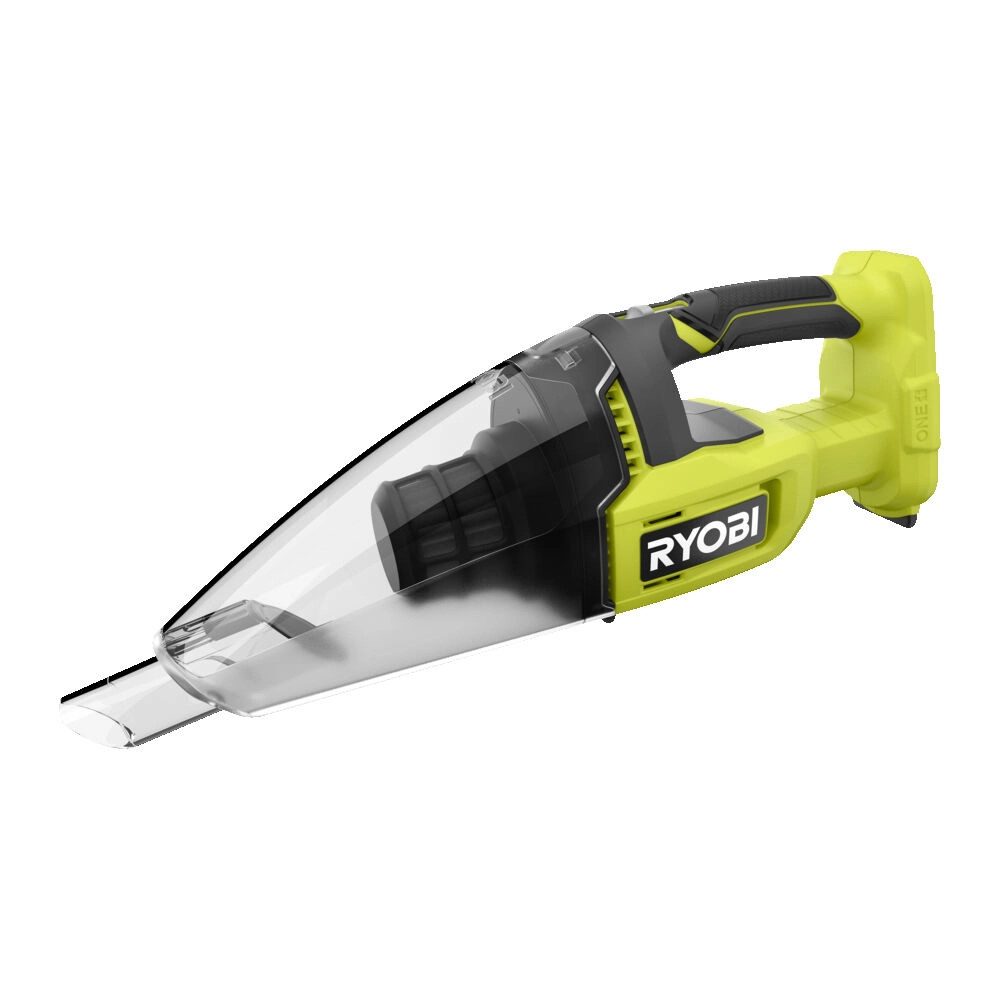
Ryobi 18V ONE+ Vacuums & Dust Extractors
Ryobi 18V ONE+ Vacuums and Dust Extractors keep site mess, workshop dust, and van clean-ups under control without trailing leads or dragging out bigger kit.
When you're clearing up after drilling, trimming out, or sorting the van, these are the bits of kit that save time. Ryobi 18V ONE+ Vacuums and Dust Extractors are built for quick pick-ups, spot cleaning, and portable dust control around the house, workshop, and site. If you're already on the Ryobi 18V ONE+ system, it makes sense to keep your clean-up tools on the same batteries, so pick the size and format that suits the jobs you actually do.
What Are Ryobi 18V ONE+ Vacuums and Dust Extractors Used For?
- Cleaning up after drilling plugs, cutting boards, or trimming out lets you clear dust and chips straight away instead of grinding them into finished floors and worktops.
- Working in the van, garage, or workshop suits these Ryobi ONE+ Cordless Vacuums and Dust Extractors because you can get into corners, shelves, and tool storage without hunting for a socket.
- Shifting dry site mess like plaster dust, sawdust, crumbs of mortar, and general debris is where cordless vacuums earn their keep on snagging, maintenance, and small install jobs.
- Keeping patios, sheds, and outdoor work areas tidy after light garden jobs makes sense with portable clean up tools that are easy to carry between the house and the yard.
Choosing the Right Ryobi 18V ONE+ Vacuums and Dust Extractors
Sorting the right one is simple: match the vacuum to the mess, the run time, and how much kit you want to carry.
1. Hand Vac or Larger Vacuum
If you are mainly picking up drill dust, crumbs, and small offcuts, a compact hand vac is the sensible choice. If you are clearing floors, the van, or repeated workshop mess, go larger so you are not emptying it every five minutes.
2. Battery Size Matters
Do not judge cordless suction without looking at the battery you are running. For quick tidy-ups, smaller packs are fine, but if you are doing longer clean-downs, step up your battery capacity and keep spare packs from Batteries Chargers and Mounts ready.
3. Think About Where You Use It
If it lives in the van for call-out work, size and easy emptying matter more than outright capacity. If it stays in the workshop or garage, a bigger unit with more bin space makes more sense for regular clean-ups.
4. Buy Into the Same System
If you already own Drills and Drivers, staying on the same Ryobi 18V battery tools platform saves money and keeps charging simple. There is no point adding another battery system just to tidy up after the job.
Who Uses These Ryobi Vacuums and Dust Extractors?
- Sparkies use them for clearing out chases, back box debris, and the dust left after drilling fixings, especially on smaller jobs where dragging in a full extractor is overkill.
- Joiners and kitchen fitters keep one handy for sawdust, hinge cuttings, and quick clean-downs before final fit, so the work stays tidy and the client is not staring at a mess all day.
- Property maintenance teams and snagging crews rate them for quick room-to-room clean-ups, stairs, vans, and cupboards where a mains vac just slows the job down.
- DIY users and home improvers buy these because they sit neatly with other Ryobi kit and make lighter repair, decorating, and workshop jobs easier to keep under control.
The Basics: Understanding Ryobi 18V ONE+ Vacuums and Dust Extractors
With cordless vacuums, the main thing is not theory, it is knowing what sort of clean-up they are built to handle and where they fit into your day.
1. Cordless Vacuum for Quick Clean-Ups
These are built for speed and convenience. You grab them, clear the mess, and move on, which is exactly what you want after drilling a few holes, trimming a board, or tidying the van before the next call.
2. Dust Extractor for Cleaner Working
A dust extractor is more about controlling mess as you work or dealing with finer waste properly afterwards. That matters when you are trying to keep finished rooms cleaner, cut down airborne dust, or avoid trailing debris through a customer's house.
3. ONE+ Compatibility is the Real Advantage
The big win with Ryobi ONE+ Cordless Vacuums and Dust Extractors is that they run on the same 18V packs as your other Ryobi ONE+ tools. That means less clutter in the van, fewer chargers on the bench, and easier buying if you are already on the platform.
Accessories That Keep Ryobi Vacuums Working Properly
A cordless vacuum is only useful if it is charged, fitted with the right attachments, and ready for the kind of mess you are dealing with.
1. Spare Batteries
A spare pack stops the usual nonsense of losing suction halfway through a van clean or room tidy-up. If the vacuum shares packs with your other Ryobi 18V cordless tools, keeping another battery charged is the easiest way to avoid downtime.
2. Chargers
One charger in the workshop and one in the van makes life easier if the vacuum gets regular use. It saves that last-minute scramble when every battery is flat and you have got dust and debris to clear before handover.
3. Crevice and Floor Nozzles
The right nozzle is what gets dust out of seat rails, cabinet corners, stair edges, and along skirting without leaving half the mess behind. Small attachments make a bigger difference than most buyers think.
Choose the Right Ryobi 18V ONE+ Vacuums and Dust Extractors for the Job
Use this quick guide to sort the right type for the kind of clean-up you actually do.
| Your Job | Category or Type | Key Features |
|---|---|---|
| Clearing drill dust, shelves, and small debris | Compact hand vacuum | Light to carry, quick to grab, easy for spot cleaning and small mess |
| Cleaning the van, workshop floor, or garage | Mid size cordless vacuum | More bin capacity, better for repeated clean-ups, less emptying |
| Tidying finished rooms during snagging or maintenance | Portable dust extractor or fine dust vacuum | Cleaner operation, better for indoor use, helps keep customer areas under control |
| General home, shed, and light garden clear-up | Ryobi ONE+ cordless vacuum | Shared battery platform, easy storage, simple move between indoor and outdoor jobs |
Common Buying and Usage Mistakes
- Buying the smallest hand vac for full room or van clean-downs usually ends in weak run time and constant emptying. If the mess is regular or spread over bigger areas, step up to a larger unit.
- Running a cordless vacuum on tired, low-capacity batteries then blaming the machine is a common one. Fresh, higher-capacity packs give better working time and make the tool far more useful.
- Using these for the wrong waste can clog filters and shorten the life of the kit. Check what sort of dry debris the vacuum is meant for before sucking up heavy rubble or awkward fine dust.
- Ignoring filter cleaning cuts performance fast. Once the airflow drops off, you waste time going over the same patch again, so knock out or clean filters regularly.
- Starting a new battery platform just for a vacuum costs more than it should. If you are already on Ryobi 18V battery tools, stick with the same system and keep your charging simple.
Hand Vac vs Vacuum Cleaner vs Dust Extractor
Hand Vac
Best for quick pick-ups, shelves, vans, stairs, and the usual small mess after drilling or fitting. Handy and fast, but not the right choice if you are clearing larger floor areas all day.
Vacuum Cleaner
A better all-rounder for repeated clean-ups in garages, workshops, and bigger rooms. You get more capacity and longer useful run time, but it is bulkier than a hand vac to carry around tight jobs.
Dust Extractor
This is the better pick when cleaner indoor working matters and finer dust is part of the job. It is less about crumbs and casual mess and more about controlling waste properly during cutting, drilling, or finishing work.
Maintenance and Care
Empty It Before It Packs Tight
Do not keep cramming debris in until the airflow drops off. Empty the bin little and often, especially after plaster dust, sawdust, or fine workshop mess.
Clean the Filter Regularly
A clogged filter kills suction faster than anything. Tap it out, brush it off, or replace it when needed so the vacuum is still worth using next time you grab it.
Check Hoses and Nozzles
Small blockages in crevice tools and hoses are easy to miss and make the machine feel weaker than it is. Give attachments a quick check before blaming the motor or battery.
Store Batteries Properly
Do not leave packs flat for weeks in a cold van if you can help it. Charge them properly and rotate them with your other Ryobi ONE+ tools to keep performance steady.
Replace Worn Parts Before They Waste Time
If filters, seals, or nozzles are damaged, sort them before the vacuum turns into dead weight. Small replacement parts are cheaper than struggling through every clean-up with poor suction.
Why Shop for Ryobi 18V ONE+ Vacuums and Dust Extractors at ITS?
Whether you need a compact cordless vacuum for quick room clean-ups or a larger unit for workshop and van use, we stock the full Ryobi 18V ONE+ Vacuums and Dust Extractors range. It is all in our own warehouse, alongside related Garden Power Tools, ready for next day delivery when the job cannot wait.
Ryobi 18V ONE+ Vacuums and Dust Extractors FAQs
What are Ryobi 18V ONE+ Vacuums and Dust Extractors used for?
They are used for quick, portable clean-up jobs where dragging out a mains machine is more hassle than it is worth. Think drill dust, sawdust, van interiors, workshop floors, stairs, shelves, and general tidy-ups after fitting, decorating, DIY, and light garden work.
Are Ryobi 18V ONE+ Vacuums and Dust Extractors compatible with Ryobi batteries?
Yes. That is one of the main reasons people buy them. Ryobi 18V ONE+ Vacuums and Dust Extractors are designed to run on the same ONE+ 18V battery platform as other compatible Ryobi tools, which keeps your kit simpler and cuts down on extra chargers and spare systems.
How do I choose the right ryobi 18v one+ vacuums and dust extractors?
Start with the mess and the length of the clean-up. For shelves, vans, and quick pick-ups, a hand vac is enough. For floors, repeated room clean-downs, or workshop use, go bigger. Then check battery size, bin capacity, and whether you need better fine dust control rather than just general debris pick-up.
Can Ryobi 18V ONE+ Vacuums and Dust Extractors be used for DIY and garden jobs?
Yes, they suit both well. They are handy for DIY jobs like shelving, decorating, trimming, and workshop clear-ups, and they also make sense for sheds, patios, car interiors, and tidying after lighter outdoor work. Just match the vacuum to the type of dry debris you expect to pick up.
Are these strong enough for trade use, or are they more for home jobs?
They are well suited to light trade, maintenance, snagging, and mobile work where speed matters more than dragging in a full-size extractor. For constant heavy rubble or all-day extraction, you would still want a bigger specialist machine, but for everyday tidy-ups they earn their place.
Do cordless vacuums actually last long enough on one battery?
Yes, if you match the battery to the job. A small pack is fine for quick spot cleaning, but for van valets, workshop floors, or repeated room clean-downs, use a higher-capacity battery. That is usually the difference between a handy tool and one that feels underpowered.