


Ryobi 18V ONE+ Torches & Lighting

Ryobi 18V ONE+ Torches and Lighting give you proper cordless light for lofts, cupboards, garages and late finish jobs where mains power is a faff.

When you're working in a dark loft, under a sink, or finishing off outside after the light drops, decent cordless lights save time and stop mistakes. These Ryobi 18V ONE+ lights are built for clear task lighting, broad area coverage, and quick grab-and-go jobs using the same batteries as your other Ryobi kit. If you're already on the platform, it makes sense to match the light to the job and keep the van moving.

What Are Ryobi 18V ONE+ Torches and Lighting Used For?

  • Working in lofts, understairs voids, and service cupboards is far easier with a cordless torch or inspection light that gives you clean visibility without trailing leads.
  • Lighting up kitchens, hallways, and refit rooms during snagging or second fix helps you spot missed fixings, poor cuts, and cable routes before you pack up.
  • Using site lighting in garages, sheds, and garden jobs means you can keep working when daylight drops, especially on jobs you cannot leave half done.
  • Checking boilers, consumer units, pipe runs, and awkward corners with Ryobi torches gives you focused light where a big flood light would just get in the way.
  • Keeping a cordless work light in the van is handy for breakdowns, quick call-outs, and power cuts where you need light straight away and no setup fuss.

Choosing the Right Ryobi 18V ONE+ Torches and Lighting

Sorting the right light is simple: pick the beam and run time for the job, not just the cheapest body on the page.

1. Torch or Area Light

If you are tracing pipes, checking a board, or looking into cavities, go for a torch or inspection light with a more focused beam. If you are lighting a whole room, landing, or garage, a wider area light is the better shout.

2. Battery Size Matters

If it is just for short checks and quick jobs, smaller batteries keep the light compact. If you need it running through a long snagging session or power cut, use a bigger pack from the Batteries Chargers and Mounts range and save yourself swapping out halfway through.

3. Think About Where It Will Sit

If you are always on the move, a handheld cordless torch is easiest. If you need both hands for the job, pick a light with a stable base, hanging option, or adjustable head so it stays where you put it.

4. Match It to the Rest of Your Kit

If you already run Drills and Drivers on ONE+, staying on the same battery system is the obvious move. One charger, one battery platform, less clutter in the van.

Who Uses These on Site?

  • Sparkies use these for loft work, board changes, and fault finding where you need both hands free and enough light to see cable colours properly.
  • Plumbers reach for them under sinks, behind cisterns, and in plant cupboards where overhead light is poor and shadows make simple jobs awkward.
  • Kitchen fitters and chippies use cordless lights during second fix and snagging so they can see filler lines, cut edges, and fixings properly before sign-off.
  • Maintenance teams keep one in the van for fast call-outs, void property checks, and jobs where the power is off but the work still needs doing.
  • DIY users and home improvers swear by them for garages, sheds, decorating, and evening jobs because they run on the same Ryobi 18V battery tools they already own.

The Basics: Understanding Ryobi 18V ONE+ Torches and Lighting

These lights are straightforward, but knowing the basic types helps you buy the one that actually suits the work instead of ending up with the wrong beam for the job.

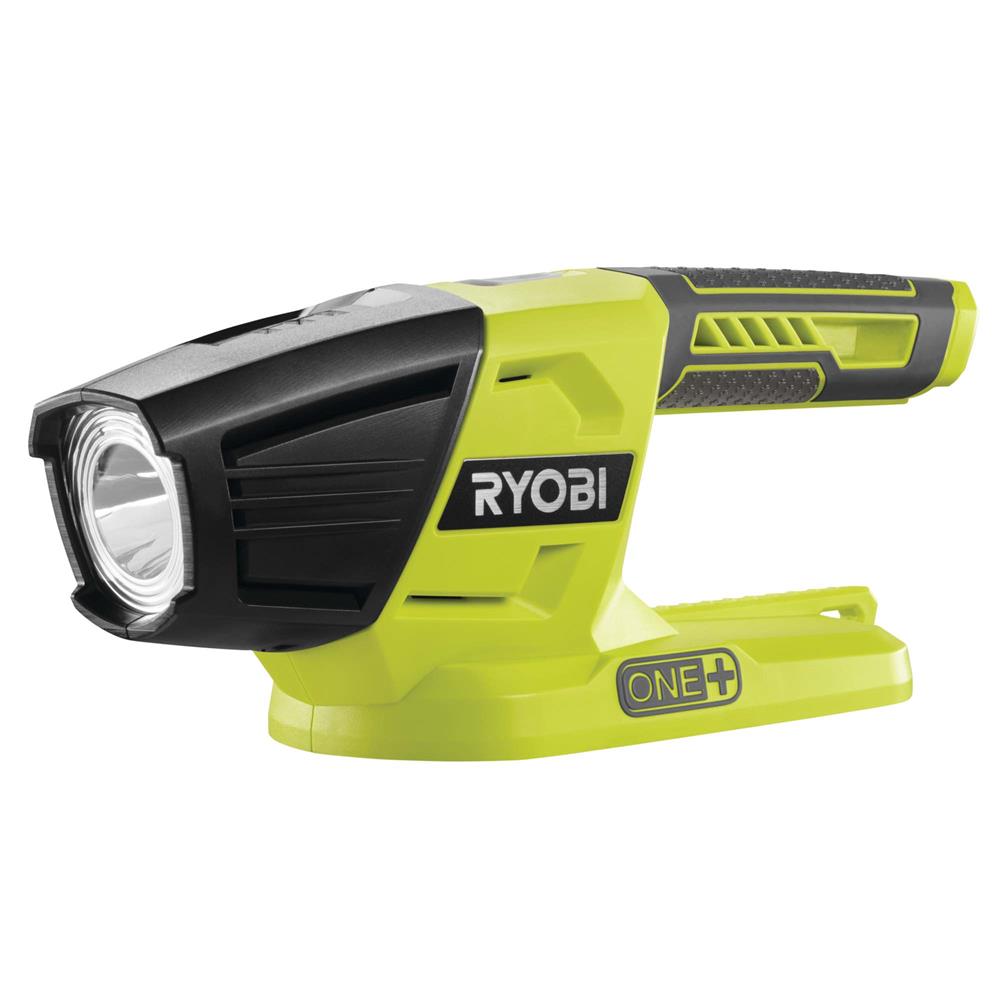
1. Torches and Inspection Lights

These give you a tighter, more directed beam for checking inside cupboards, loft spaces, meter boxes, and behind units. They are the right choice when you need to see into a specific spot rather than light the whole room.

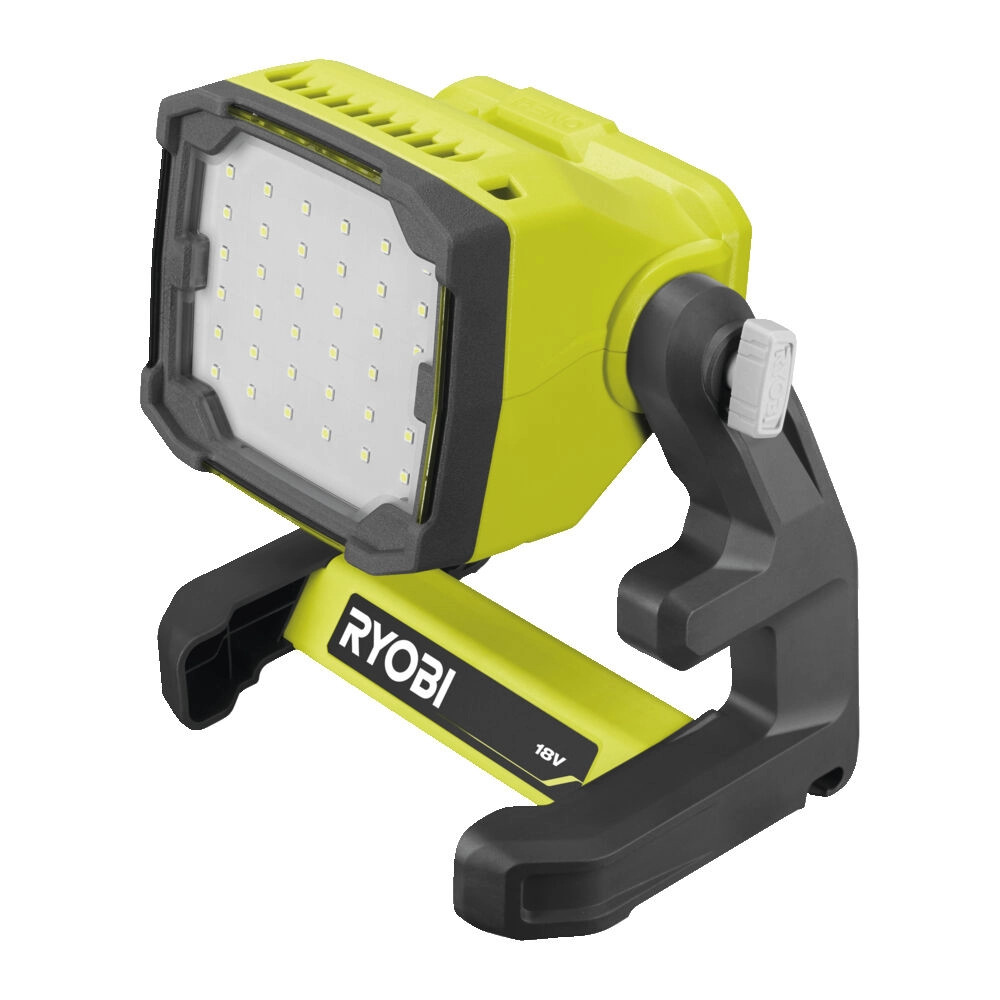
2. Area Lights and Work Lights

These spread light over a wider area so you can work safely and properly in a room, garage, shed, or outdoor space. They are better for ongoing jobs where one bright point of light is not enough.

3. ONE+ Battery Compatibility

The main advantage is the shared battery platform. These Ryobi ONE+ Cordless Torches and Lighting run on the same 18V batteries as other Ryobi ONE+ tools, so you can swap packs between lights, drills, and garden kit without carrying separate systems.

Accessories That Keep Your Ryobi Lighting Useful

A decent light is only half the story. The right extras stop downtime and make sure it is ready when the job runs late.

1. Spare 18V Batteries

A spare battery is the obvious one. You do not want the light dying halfway through a loft fault, evening fence repair, or last-hour snagging job when the mains is off.

2. Chargers

A proper charger keeps packs turned around between jobs and stops you robbing batteries from other tools every time you need a torch. It is a simple fix for a lot of site faff.

3. Higher Capacity Battery Packs

If you use work lights for room lighting or longer outdoor jobs, a larger Ah battery gives better run time and saves repeated swaps, especially in winter when you rely on lighting earlier in the day.

Choose the Right Ryobi 18V ONE+ Torches and Lighting for the Job

Use this quick guide to match the light to the job in front of you.

Your Job Category or Type Key Features
Checking boards, pipework, and tight service spaces Inspection light Focused beam, compact body, easy one-handed use, fits awkward spaces
General van use and quick call-outs Cordless torch Fast grab-and-go use, simple controls, good beam distance, compact storage
Lighting a room during fitting or snagging Work light Wider spread, stable base, adjustable angle, better for both hands free working
Garages, sheds, and evening outdoor jobs Area light Broad coverage, longer run time with bigger battery, better visibility across the work area
DIY and garden jobs away from mains power Portable ONE+ light Runs on existing 18V packs, easy to carry, useful for sheds, fences, and paths

Common Buying and Usage Mistakes

  • Buying a small torch when you really need to light a whole room is a common mistake. You end up working in shadows, moving the light every five minutes, and slowing the job right down.
  • Ignoring battery size catches plenty of people out. A compact pack keeps weight down, but for longer site lighting jobs it can leave you in the dark halfway through unless you carry a larger spare.
  • Assuming every light suits outdoor work is another one to watch. If the job is in a garden, driveway, or open area, make sure the beam spread and stability are right for the conditions.
  • Leaving your only battery on another tool wastes time and causes no end of van shuffling. Keep one pack charged for lighting or buy a second so the torch is always ready.
  • Choosing on brightness alone can backfire. A brighter beam is not always better if it is too narrow for the space, so check whether you need spot lighting or proper area coverage.

Torches vs Inspection Lights vs Work Lights

Cordless Torches

Best for quick checks, van use, and call-outs where you need a direct beam fast. They are easy to carry and store, but they do not light a full room as well as a work light.

Inspection Lights

These are the better choice for close-up work in cupboards, loft hatches, meter boxes, and under units. They give more usable task lighting in tight spots, but they are not ideal for broad site coverage.

Work Lights

Work lights are what you want for second fix, decorating, garages, and power-off jobs where the whole area needs lighting. They take up more room than a torch, but they make longer jobs far easier.

Area Lights

Area lights suit wider spaces and evening jobs outside where a narrow beam just gets lost. They are less pocketable, but if you need proper spread and hands-free working, they are the more useful bit of kit.

Maintenance and Care

Wipe Down After Dusty Jobs

Plaster dust, MDF dust, and general site muck soon dull lenses and vents. Give the light a quick wipe after use so you keep the output clear and stop grime building up around switches.

Look After the Battery Contacts

Dirty contacts can cause poor connection or intermittent power. Keep both the battery and tool terminals clean and dry, especially if the light lives in the van or shed.

Store It Somewhere Dry

Do not leave cordless lights rolling around in damp boxes or on a wet floor overnight. Dry storage helps protect the body, lens, and battery connection points from avoidable wear.

Check Hinges and Stands

If your light has an adjustable head or stand, keep an eye on it for play or damage after knocks. A loose hinge is not much use when you need the beam to stay fixed on the job.

Replace Damaged Parts Before the Next Job

Cracked lenses, broken feet, or sticky switches only get worse with site use. Sort problems early rather than finding out the light is useless halfway through a power-off call-out.

Why Shop for Ryobi 18V ONE+ Torches and Lighting at ITS?

Whether you need a compact torch for quick inspections or a cordless work light for bigger spaces, we stock the full Ryobi 18V ONE+ Torches and Lighting range in one place. That includes lights to suit home improvement, trade tools, and even jobs alongside Garden Power Tools. It is all in our own warehouse, in stock, and ready for next day delivery.

Ryobi 18V ONE+ Torches and Lighting FAQs

What are Ryobi 18V ONE+ Torches and Lighting used for?

They are used for lighting up dark work areas where mains power is awkward or unavailable. That includes lofts, cupboards, garages, sheds, under sinks, evening garden work, and power cuts. A torch is best for targeted checks, while a work light or area light is better when you need to light the whole space properly.

Are Ryobi 18V ONE+ Torches and Lighting compatible with Ryobi batteries?

Yes. The whole point of the ONE+ platform is shared battery use, so these lights run on the same 18V ONE+ batteries as other compatible Ryobi 18V cordless tools. If you already own the system, you can swap batteries between your light and the rest of your kit without changing platforms.

How do I choose the right ryobi 18v one+ torches and lighting?

Start with the job, not the spec sheet. For cupboards, meter boxes, and fault finding, go with a torch or inspection light. For second fix, decorating, or working in a full room, pick a wider work light. Then think about run time. If the light is going to be on for hours, use a higher capacity battery so you are not swapping packs all evening.

Can Ryobi 18V ONE+ Torches and Lighting be used for DIY and garden jobs?

Yes, they are well suited to DIY tools and home improvement tools as well as trade use. They are handy for shed work, fencing repairs, decorating, garage jobs, and general outdoor jobs when daylight drops. Just pick the style of light that matches the area you need to cover.

Are these lights any good for proper site use, or are they more for odd jobs at home?

They are more than handy for site work, especially for snagging, call-outs, first checks, and rooms without power. Be honest about the job though. A compact torch is brilliant for targeted work, but if you are fitting out a room all day you will want a larger work light with a wider spread.

Do I need to buy a battery and charger separately?

Sometimes, yes. A lot of lights are sold as body only because many users already have Ryobi batteries. If you are new to the platform, check the listing properly so you are not caught out when the light arrives with no battery in the box.
Read more

Ryobi 18V ONE+ Torches & Lighting

Ryobi 18V ONE+ Torches and Lighting give you proper cordless light for lofts, cupboards, garages and late finish jobs where mains power is a faff.

When you're working in a dark loft, under a sink, or finishing off outside after the light drops, decent cordless lights save time and stop mistakes. These Ryobi 18V ONE+ lights are built for clear task lighting, broad area coverage, and quick grab-and-go jobs using the same batteries as your other Ryobi kit. If you're already on the platform, it makes sense to match the light to the job and keep the van moving.

What Are Ryobi 18V ONE+ Torches and Lighting Used For?

  • Working in lofts, understairs voids, and service cupboards is far easier with a cordless torch or inspection light that gives you clean visibility without trailing leads.
  • Lighting up kitchens, hallways, and refit rooms during snagging or second fix helps you spot missed fixings, poor cuts, and cable routes before you pack up.
  • Using site lighting in garages, sheds, and garden jobs means you can keep working when daylight drops, especially on jobs you cannot leave half done.
  • Checking boilers, consumer units, pipe runs, and awkward corners with Ryobi torches gives you focused light where a big flood light would just get in the way.
  • Keeping a cordless work light in the van is handy for breakdowns, quick call-outs, and power cuts where you need light straight away and no setup fuss.

Choosing the Right Ryobi 18V ONE+ Torches and Lighting

Sorting the right light is simple: pick the beam and run time for the job, not just the cheapest body on the page.

1. Torch or Area Light

If you are tracing pipes, checking a board, or looking into cavities, go for a torch or inspection light with a more focused beam. If you are lighting a whole room, landing, or garage, a wider area light is the better shout.

2. Battery Size Matters

If it is just for short checks and quick jobs, smaller batteries keep the light compact. If you need it running through a long snagging session or power cut, use a bigger pack from the Batteries Chargers and Mounts range and save yourself swapping out halfway through.

3. Think About Where It Will Sit

If you are always on the move, a handheld cordless torch is easiest. If you need both hands for the job, pick a light with a stable base, hanging option, or adjustable head so it stays where you put it.

4. Match It to the Rest of Your Kit

If you already run Drills and Drivers on ONE+, staying on the same battery system is the obvious move. One charger, one battery platform, less clutter in the van.

Who Uses These on Site?

  • Sparkies use these for loft work, board changes, and fault finding where you need both hands free and enough light to see cable colours properly.
  • Plumbers reach for them under sinks, behind cisterns, and in plant cupboards where overhead light is poor and shadows make simple jobs awkward.
  • Kitchen fitters and chippies use cordless lights during second fix and snagging so they can see filler lines, cut edges, and fixings properly before sign-off.
  • Maintenance teams keep one in the van for fast call-outs, void property checks, and jobs where the power is off but the work still needs doing.
  • DIY users and home improvers swear by them for garages, sheds, decorating, and evening jobs because they run on the same Ryobi 18V battery tools they already own.

The Basics: Understanding Ryobi 18V ONE+ Torches and Lighting

These lights are straightforward, but knowing the basic types helps you buy the one that actually suits the work instead of ending up with the wrong beam for the job.

1. Torches and Inspection Lights

These give you a tighter, more directed beam for checking inside cupboards, loft spaces, meter boxes, and behind units. They are the right choice when you need to see into a specific spot rather than light the whole room.

2. Area Lights and Work Lights

These spread light over a wider area so you can work safely and properly in a room, garage, shed, or outdoor space. They are better for ongoing jobs where one bright point of light is not enough.

3. ONE+ Battery Compatibility

The main advantage is the shared battery platform. These Ryobi ONE+ Cordless Torches and Lighting run on the same 18V batteries as other Ryobi ONE+ tools, so you can swap packs between lights, drills, and garden kit without carrying separate systems.

Accessories That Keep Your Ryobi Lighting Useful

A decent light is only half the story. The right extras stop downtime and make sure it is ready when the job runs late.

1. Spare 18V Batteries

A spare battery is the obvious one. You do not want the light dying halfway through a loft fault, evening fence repair, or last-hour snagging job when the mains is off.

2. Chargers

A proper charger keeps packs turned around between jobs and stops you robbing batteries from other tools every time you need a torch. It is a simple fix for a lot of site faff.

3. Higher Capacity Battery Packs

If you use work lights for room lighting or longer outdoor jobs, a larger Ah battery gives better run time and saves repeated swaps, especially in winter when you rely on lighting earlier in the day.

Choose the Right Ryobi 18V ONE+ Torches and Lighting for the Job

Use this quick guide to match the light to the job in front of you.

Your Job Category or Type Key Features
Checking boards, pipework, and tight service spaces Inspection light Focused beam, compact body, easy one-handed use, fits awkward spaces
General van use and quick call-outs Cordless torch Fast grab-and-go use, simple controls, good beam distance, compact storage
Lighting a room during fitting or snagging Work light Wider spread, stable base, adjustable angle, better for both hands free working
Garages, sheds, and evening outdoor jobs Area light Broad coverage, longer run time with bigger battery, better visibility across the work area
DIY and garden jobs away from mains power Portable ONE+ light Runs on existing 18V packs, easy to carry, useful for sheds, fences, and paths

Common Buying and Usage Mistakes

  • Buying a small torch when you really need to light a whole room is a common mistake. You end up working in shadows, moving the light every five minutes, and slowing the job right down.
  • Ignoring battery size catches plenty of people out. A compact pack keeps weight down, but for longer site lighting jobs it can leave you in the dark halfway through unless you carry a larger spare.
  • Assuming every light suits outdoor work is another one to watch. If the job is in a garden, driveway, or open area, make sure the beam spread and stability are right for the conditions.
  • Leaving your only battery on another tool wastes time and causes no end of van shuffling. Keep one pack charged for lighting or buy a second so the torch is always ready.
  • Choosing on brightness alone can backfire. A brighter beam is not always better if it is too narrow for the space, so check whether you need spot lighting or proper area coverage.

Torches vs Inspection Lights vs Work Lights

Cordless Torches

Best for quick checks, van use, and call-outs where you need a direct beam fast. They are easy to carry and store, but they do not light a full room as well as a work light.

Inspection Lights

These are the better choice for close-up work in cupboards, loft hatches, meter boxes, and under units. They give more usable task lighting in tight spots, but they are not ideal for broad site coverage.

Work Lights

Work lights are what you want for second fix, decorating, garages, and power-off jobs where the whole area needs lighting. They take up more room than a torch, but they make longer jobs far easier.

Area Lights

Area lights suit wider spaces and evening jobs outside where a narrow beam just gets lost. They are less pocketable, but if you need proper spread and hands-free working, they are the more useful bit of kit.

Maintenance and Care

Wipe Down After Dusty Jobs

Plaster dust, MDF dust, and general site muck soon dull lenses and vents. Give the light a quick wipe after use so you keep the output clear and stop grime building up around switches.

Look After the Battery Contacts

Dirty contacts can cause poor connection or intermittent power. Keep both the battery and tool terminals clean and dry, especially if the light lives in the van or shed.

Store It Somewhere Dry

Do not leave cordless lights rolling around in damp boxes or on a wet floor overnight. Dry storage helps protect the body, lens, and battery connection points from avoidable wear.

Check Hinges and Stands

If your light has an adjustable head or stand, keep an eye on it for play or damage after knocks. A loose hinge is not much use when you need the beam to stay fixed on the job.

Replace Damaged Parts Before the Next Job

Cracked lenses, broken feet, or sticky switches only get worse with site use. Sort problems early rather than finding out the light is useless halfway through a power-off call-out.

Why Shop for Ryobi 18V ONE+ Torches and Lighting at ITS?

Whether you need a compact torch for quick inspections or a cordless work light for bigger spaces, we stock the full Ryobi 18V ONE+ Torches and Lighting range in one place. That includes lights to suit home improvement, trade tools, and even jobs alongside Garden Power Tools. It is all in our own warehouse, in stock, and ready for next day delivery.

Ryobi 18V ONE+ Torches and Lighting FAQs

What are Ryobi 18V ONE+ Torches and Lighting used for?

They are used for lighting up dark work areas where mains power is awkward or unavailable. That includes lofts, cupboards, garages, sheds, under sinks, evening garden work, and power cuts. A torch is best for targeted checks, while a work light or area light is better when you need to light the whole space properly.

Are Ryobi 18V ONE+ Torches and Lighting compatible with Ryobi batteries?

Yes. The whole point of the ONE+ platform is shared battery use, so these lights run on the same 18V ONE+ batteries as other compatible Ryobi 18V cordless tools. If you already own the system, you can swap batteries between your light and the rest of your kit without changing platforms.

How do I choose the right ryobi 18v one+ torches and lighting?

Start with the job, not the spec sheet. For cupboards, meter boxes, and fault finding, go with a torch or inspection light. For second fix, decorating, or working in a full room, pick a wider work light. Then think about run time. If the light is going to be on for hours, use a higher capacity battery so you are not swapping packs all evening.

Can Ryobi 18V ONE+ Torches and Lighting be used for DIY and garden jobs?

Yes, they are well suited to DIY tools and home improvement tools as well as trade use. They are handy for shed work, fencing repairs, decorating, garage jobs, and general outdoor jobs when daylight drops. Just pick the style of light that matches the area you need to cover.

Are these lights any good for proper site use, or are they more for odd jobs at home?

They are more than handy for site work, especially for snagging, call-outs, first checks, and rooms without power. Be honest about the job though. A compact torch is brilliant for targeted work, but if you are fitting out a room all day you will want a larger work light with a wider spread.

Do I need to buy a battery and charger separately?

Sometimes, yes. A lot of lights are sold as body only because many users already have Ryobi batteries. If you are new to the platform, check the listing properly so you are not caught out when the light arrives with no battery in the box.

ITS Click and Collect Icon
What3Words:
Get Directions
Store Opening Hours
Opening times