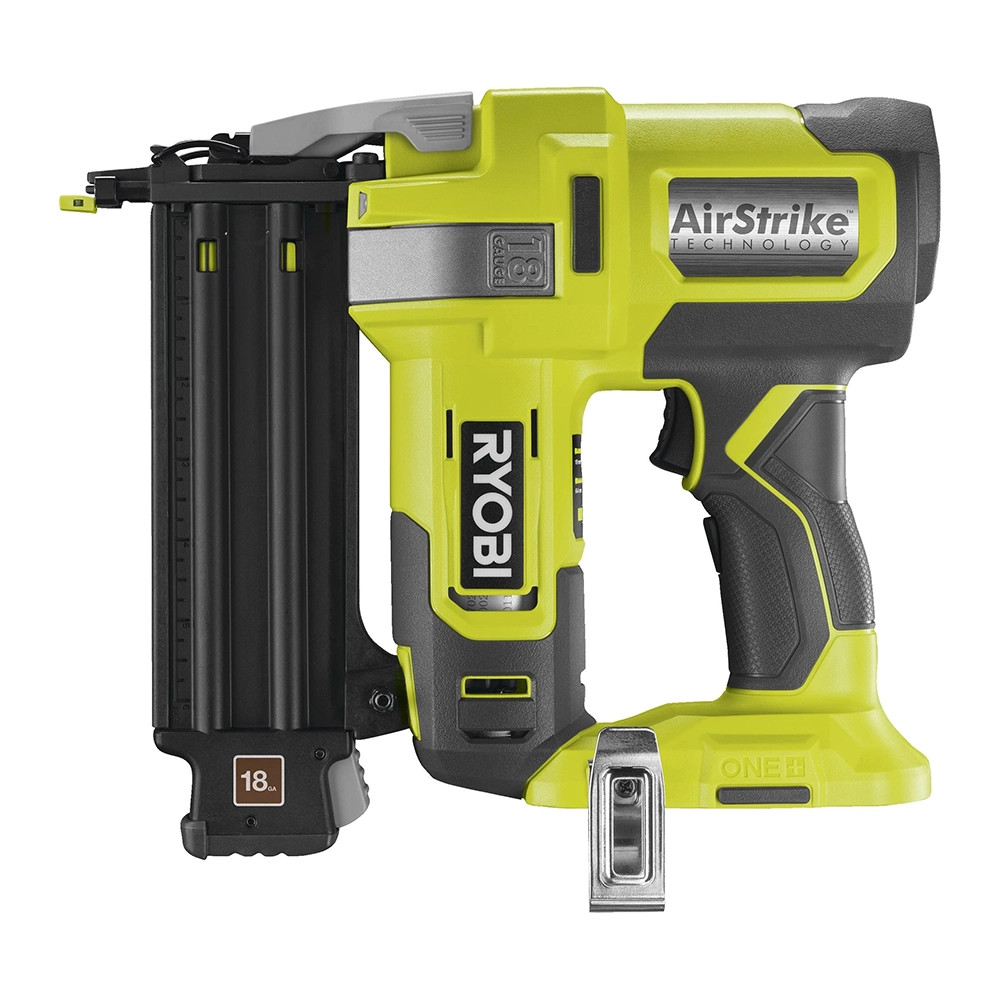
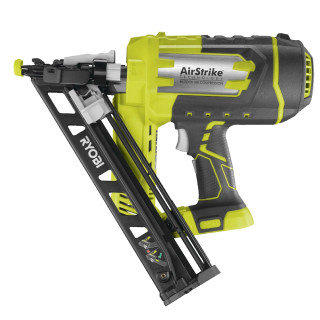
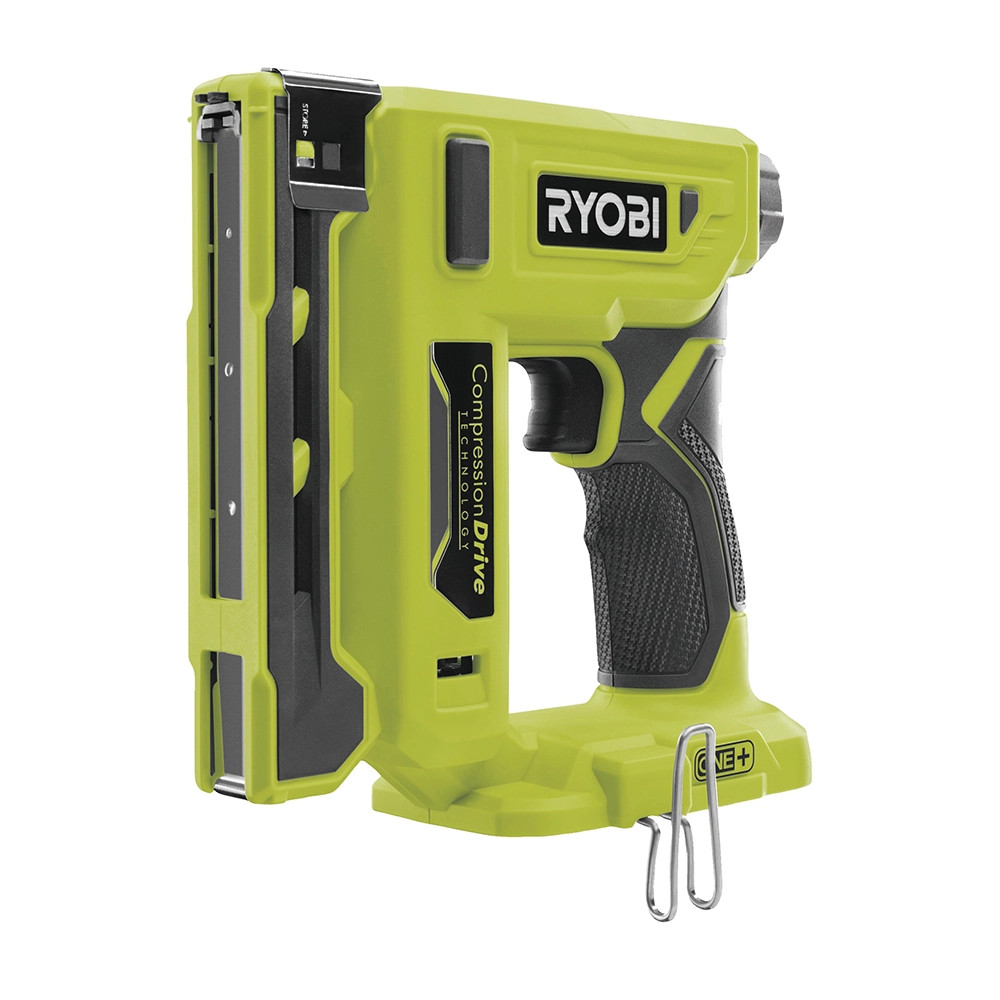
Ryobi 18V ONE+ Nail Guns
Ryobi 18V ONE+ Nail Guns sort fast, cordless fixing for trim, panelling, light joinery and snagging, without dragging hoses, gas or a compressor round the job.
If you're pinning on mouldings, fixing trim in a finished room, or knocking through a list of small timber jobs, these are the bits of kit that save time and keep things tidy. Ryobi has built its Ryobi 18V ONE+ range around practical site and home improvement use, so if you're already on the battery platform it makes sense to stay there. These Ryobi ONE+ Cordless Nail Guns suit second fix work, shed builds, fencing details and quick fixing jobs where dragging a hose just gets in the way. Pick the right gauge and nail length for the material, and get the job moving.
What Are Ryobi 18V ONE+ Nail Guns Used For?
- Fixing skirting, architrave and other second fix trim is where Ryobi 18V ONE+ Nail Guns earn their keep, especially when you are moving room to room and do not want hoses marking finished walls.
- Installing panelling, beading and light decorative timber is quicker with cordless nail guns because you can line up, tack off and keep moving without setting up a compressor in the first place.
- Building sheds, planters and light garden timberwork suits these nailers well, and if you already run Garden Power Tools on the same platform, battery sharing keeps the van load simpler.
- Sorting snagging jobs, repairs and small fixing work on occupied properties is easier with Ryobi ONE+ Cordless Nail Guns because there is less kit to drag through the house and less noise than a full compressor setup.
Choosing the Right Ryobi 18V ONE+ Nail Guns
Match the nail gun to the fixing job first. Get the gauge, nail length and finish right, and the rest is straightforward.
1. Second Fix or Light Timber Work
If you are mainly fitting skirting, architrave, mouldings and trims, go for a second fix style nailer that leaves a neater finish. If you are fixing heavier timber sections, make sure the gun accepts the nail length you actually need rather than buying on battery platform alone.
2. Nail Gauge and Finish
If the job will be filled and painted, a finer fixing usually saves you time on making good. If the material is harder or the fixing needs a bit more hold, step up to a heavier gauge rather than forcing the wrong nails into the job.
3. Body Size and Access
If you are working around corners, into cupboards or along awkward edges, check the nose shape and overall size. A compact cordless nail gun is easier to place cleanly than a bulky one, especially when you are trying not to damage finished surfaces.
4. Battery Setup
If you already run Ryobi 18V battery tools, staying on the same platform is the obvious move. Keep a look at the full range of Batteries Chargers and Mounts because a spare charged pack saves you standing about halfway through a room of trim.
Who Uses These Nail Guns?
- Chippies and second fix joiners reach for these when fitting skirting, architrave and trims because cordless fixing is quicker in finished rooms and easier on tight snagging runs.
- Kitchen fitters use them for panels, cornice and light trim work where dragging an airline through a customer's house is more hassle than the job is worth.
- Maintenance teams and landlords keep Ryobi 18V ONE+ Nail Guns handy for patch repairs, door stops, beading and quick timber fixes that need doing there and then.
- DIY users and home improvers swear by them for panelling, shed work and room updates because they are simple to run on the same batteries as other Drills and Drivers.
The Basics: Understanding Cordless Nail Guns
Cordless nail guns do the same basic job as pneumatic fixers, but without the compressor and hose. For most buyers, the important bit is matching the fixing type and firing style to the work in front of you.
1. Gauge Matters
The gauge affects how visible the fixing is and how much hold you get. Finer nails suit trim and decorative work where you want less filling. Heavier nails suit timber that needs a bit more bite.
2. Nail Length Sets the Limit
A nail gun is only useful if it takes the lengths your job needs. Short nails are fine for beading and light trim, but for thicker material or fixing into denser timber, check the gun's range before you buy.
3. Sequential Firing for Cleaner Work
For trim and second fix, controlled single-shot firing is usually what you want. It helps place each fixing properly, reduces slips, and keeps finished work looking tidy rather than rushed.
Ryobi ONE+ Nail Gun Extras That Keep You Moving
A nail gun is only as useful as the fixings and power behind it, so make sure the basics are covered before you start the job.
1. Matching Nails
This is the obvious one, but it catches people out all the time. Get the right gauge, collation and length for the gun, otherwise you are stuck with jams, poor hold or a wasted trip back to the merchant.
2. Spare Batteries
A spare pack is common sense on room-to-room fixing jobs. You do not want the gun dying halfway through skirting or panelling when the adhesive is on and everything is lined up.
3. Charger
If you are adding a body only nail gun to existing Ryobi ONE+ tools, make sure your charging setup is up to it. One charger for several tools soon becomes a bottleneck when you are using nailers, drills and lights on the same day.
Choose the Right Ryobi 18V ONE+ Nail Guns for the Job
Use this quick guide to narrow down the right cordless nail gun for the work you are actually doing.
| Your Job | Category or Type | Key Features |
|---|---|---|
| Fitting skirting and architrave | Second fix nailer | Clean placement, lighter fixings, neater finish and less making good after fixing. |
| Installing beading and decorative trim | Fine finish nail gun | Smaller fixings, better for visible areas, and easier to fill before paint or caulk. |
| Panelling and light joinery | Cordless finish nailer | Good reach, steady single-shot firing and enough nail length for timber trims and boards. |
| Shed work and light outdoor timber jobs | Heavier fixing nail gun | Longer nail capacity and stronger hold for thicker sections and rougher materials. |
| Snagging and small repair work | Compact cordless nail gun | Easy to carry, quick to set up and handy where hauling pneumatic gear is overkill. |
Common Buying and Usage Mistakes
- Buying on battery platform alone and ignoring nail type is the big one. If the gun does not take the right gauge or length for your fixing, it is the wrong tool no matter how many batteries you own.
- Using a finish nailer for timber that needs more hold leads to loose fixings and call-backs. If the material is thick or under stress, step up the fixing rather than hoping for the best.
- Starting without enough nails or a spare battery wastes more time than the job itself. Sort consumables and power before you start, especially on trim runs where stopping halfway looks sloppy.
- Forcing the tool on awkward angles instead of checking nose access can mark finished work. If you are working tight to corners or against delicate surfaces, pick a nail gun shape that actually fits the space.
Second Fix Nailers vs Fine Nailers vs Pneumatic Nailers
Second Fix Nailers
These are the usual pick for skirting, architrave and general trim. They give you a decent hold with a tidy enough finish, making them the sensible all-round choice for most interior fixing jobs.
Fine Nailers
Fine nailers suit lighter trim, beading and decorative work where you want minimal marking and less filling after. They are cleaner on show surfaces, but they are not the answer for heavier timber sections.
Pneumatic Nailers
Pneumatic kit still makes sense for high-volume fixing if you already run compressors all day. For mixed jobs, occupied homes and room-to-room work though, Ryobi ONE+ Cordless Nail Guns are far less hassle to carry and set up.
Maintenance and Care
Keep the Magazine Clean
Dust, chips and broken collation strips soon build up around the magazine. Brush it out regularly so feeding stays smooth and you are not dealing with avoidable jams halfway through a job.
Check the Nose for Marks and Debris
The contact tip takes a fair bit of abuse on trim and finished surfaces. Keep it clean and check for damage so it does not drag, slip or mark up painted timber and mouldings.
Store Batteries Properly
Do not leave packs flat in a cold van for weeks. Charge them properly, store them dry and rotate your packs if you use the tool often, especially across a wider set of Ryobi 18V cordless tools.
Use the Right Nails
Wrong fixings cause poor firing and unnecessary wear. Stick to the correct type and size for the gun, and do not force bent or damp strips through just to use them up.
Why Shop for Ryobi 18V ONE+ Nail Guns at ITS?
Whether you need a Ryobi ONE+ Cordless Nail Gun for second fix trim, panelling, snagging or light timber jobs, we stock the range in one place. That means the right Ryobi 18V battery tools, fixers and compatible kit are in our own warehouse, ready for next day delivery when the job cannot wait.
Ryobi 18V ONE+ Nail Guns FAQs
What are Ryobi 18V ONE+ Nail Guns used for?
They are mainly used for trim, second fix work, panelling, beading, light joinery and general fixing jobs where a hose and compressor would just slow you down. They are especially handy in finished rooms, occupied homes and smaller site jobs where clean setup matters.
Are Ryobi 18V ONE+ Nail Guns compatible with Ryobi batteries?
Yes. If the nail gun is part of the Ryobi 18V ONE+ platform, it is built to run on the same ONE+ batteries used across the range. That is one of the main reasons people buy into it in the first place, because one battery system covers a lot of jobs.
How do I choose the right ryobi 18v one+ nail guns?
Start with the material and the finish you need, not the tool name. For skirting, architrave and trim, look at second fix or fine finish options. For thicker timber or jobs needing more hold, check nail gauge and maximum nail length properly before you buy.
Can Ryobi 18V ONE+ Nail Guns be used for DIY and garden jobs?
Yes, within reason. They are well suited to home improvement jobs like wall panelling, trim, shelving details and shed work, and they can handle light garden timber tasks too. Just make sure the gun and fixing size match the timber thickness and the hold you need.
Are Ryobi ONE+ Cordless Nail Guns good enough for regular use?
Yes, for the sort of trim, fixing and repair work they are built for. They are a practical choice for repeat use on home improvement, maintenance and second fix jobs. If you are firing all day every day on high-volume production work, pneumatic kit may still suit you better.
Do these cordless nail guns replace a compressor nailer completely?
For plenty of users, yes. On trim, snagging and room-to-room work, they are often the easier option because there is less setup and less kit to carry. For very high-output fixing or specialist framing jobs, a pneumatic setup can still have the edge.