Sanders

Electric sanders take the graft out of prepping timber, filler, and paint, so you get a flat finish fast without chewing through paper or your wrists.

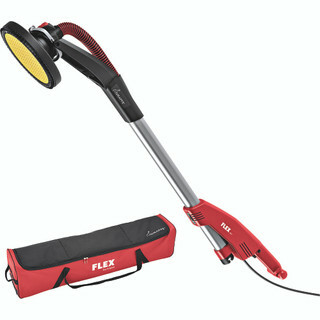
When you're trimming doors, building cabinets, or knocking back old skirting, the right sander saves hours and keeps the job tidy. From orbital sanders for general prep to belt sanders for rapid stock removal, pick the type that matches the surface and the finish you're chasing.

What Are Electric Sanders Used For?

  • Flattening and keying timber before paint, stain, or varnish, so you are not trying to hide scratches and ripples at finishing stage.
  • Stripping back old paint and rough edges on doors, frames, and skirting, especially where hand sanding would take all day and still look patchy.
  • Levelling filler and easing joints on refurbs, so walls, trims, and repairs blend in cleanly before you start decorating.
  • Sanding panels, worktops, and sheet material in workshops and on site, using orbital sanders to keep swirl marks down on visible faces.
  • Getting into corners, edges, and awkward profiles with detail sanders, where bigger pads cannot reach without rounding everything over.

Choosing the Right Electric Sanders

Match the sander to the surface and the finish, because the wrong type either takes forever or leaves marks you will be chasing later.

1. Orbital sanders for everyday prep

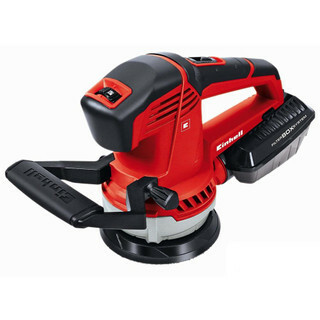
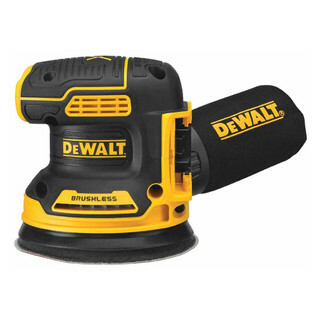
If you are doing general woodworking prep, de-nibbing between coats, or flattening filler without digging in, orbital sanders are the sensible pick. They are easier to control on big faces and less likely to leave deep tracking than a belt.

2. Belt sanders for fast stock removal

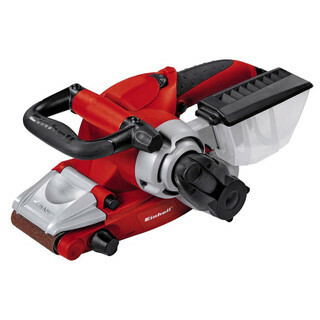
If you need to take down high spots, strip rough timber, or level edges quickly, belt sanders earn their keep. Just do not use one like a finishing tool, because they will remove material fast and can round edges before you notice.

3. Detail sanders for corners and tight spots

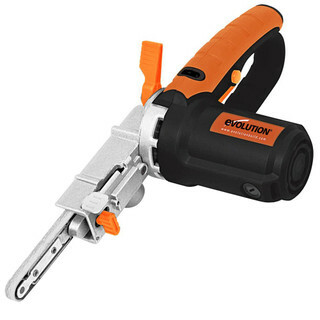
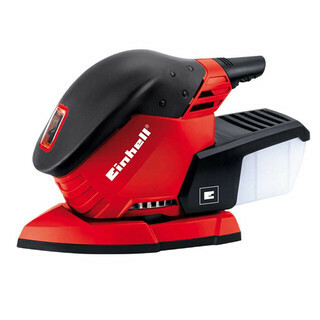
If the job is stairs, frames, scribed bits, or awkward returns, a detail sander saves you going back to hand sanding. They are for access and control, not for smashing out large flat areas.

4. Sheet sanders for straight, predictable sanding

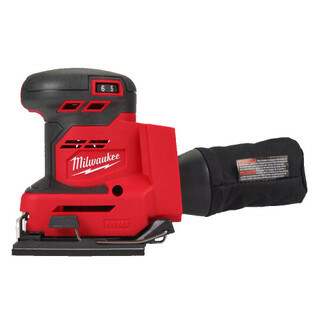
If you want a simple, stable pad for big flat panels and you are happy using standard abrasive sheets, sheet sanders are a solid choice. They are handy for consistent passes on wide faces where you do not want the tool to feel twitchy.

Who Are Electric Sanders For on Site?

  • Chippies and joiners doing second fix, doors, and built-ins, because a decent sander is what gets you from "fitted" to "finished".
  • Decorators and maintenance teams prepping trims, patch repairs, and old coatings, so paint goes on flat and stays looking sharp.
  • Kitchen fitters and shopfitters working on panels and edging, where controlling scratches matters as much as speed.
  • Woodworking lads in the workshop who need repeatable results day in, day out, without burning through discs and sheets.

The Basics: Understanding Electric Sanders

Most sanding problems come from using the wrong motion for the finish you need. Get the basics right and you will cut quicker, clog less paper, and spend less time fixing scratches.

1. Orbital motion for a cleaner finish

Orbital sanders move the pad in a small orbit, which helps avoid obvious straight-line scratches on visible timber. That is why they are the go-to woodworking sanders for prep and finishing work.

2. Belt tracking for rapid removal

Belt sanders run a continuous abrasive belt, so they remove material quickly and keep going on rough surfaces. They are best treated like a levelling tool first, then you switch to an orbital or sheet sander to refine the finish.

3. Pad shape decides where you can sand

A square or rectangular pad suits edges and big flats, while a pointed detail pad gets into corners without you rolling the tool and damaging the face. Pick the pad that matches the access, not just the size of the job.

Shop Electric Sanders at ITS

Whether you need orbital sanders for day-to-day prep, belt sanders for rapid removal, or detail and sheet sanders for finishing work, we stock the full range in one place. It is all held in our own warehouse, in stock and ready for next day delivery, so you can get back on the job without waiting around.

Electric Sanders FAQs

Do orbital sanders leave swirl marks on timber?

They can if you rush the grit steps, press down hard, or run cheap, clogged discs. Let the tool do the work, keep the pad flat, and step through grits properly and you will get a clean finish that is ready for stain or paint.

When should I use a belt sander instead of an orbital sander?

Use a belt sander when you genuinely need to remove material fast, like knocking down high spots, levelling edges, or stripping rough timber. If the surface is visible and you are chasing a finish, swap to an orbital or sheet sander afterwards to tidy the scratch pattern.

Are detail sanders actually useful, or are they a gimmick?

They are proper handy for corners, frames, stairs, and tight returns where a round or square pad cannot reach. They will not replace a main sander for big flats, but they save loads of time compared with hand sanding awkward spots.

Why does my sandpaper clog up so quickly?

It is usually resinous timber, soft paint, damp material, or pushing too hard and overheating the abrasive. Use the right grit for the stage, keep moving, and if you are sanding finishes or paint, expect to change paper more often because it loads up fast.

Do I need dust extraction with electric sanders?

If you are sanding indoors or doing it regularly, yes, it is worth it for a cleaner finish and less mess. Dust left on the surface causes scratches and ruins paint, and fine dust gets everywhere, so using a bag or extractor is not just about tidiness, it is about the end result.
Read more

Sanders

Electric sanders take the graft out of prepping timber, filler, and paint, so you get a flat finish fast without chewing through paper or your wrists.

When you're trimming doors, building cabinets, or knocking back old skirting, the right sander saves hours and keeps the job tidy. From orbital sanders for general prep to belt sanders for rapid stock removal, pick the type that matches the surface and the finish you're chasing.

What Are Electric Sanders Used For?

  • Flattening and keying timber before paint, stain, or varnish, so you are not trying to hide scratches and ripples at finishing stage.
  • Stripping back old paint and rough edges on doors, frames, and skirting, especially where hand sanding would take all day and still look patchy.
  • Levelling filler and easing joints on refurbs, so walls, trims, and repairs blend in cleanly before you start decorating.
  • Sanding panels, worktops, and sheet material in workshops and on site, using orbital sanders to keep swirl marks down on visible faces.
  • Getting into corners, edges, and awkward profiles with detail sanders, where bigger pads cannot reach without rounding everything over.

Choosing the Right Electric Sanders

Match the sander to the surface and the finish, because the wrong type either takes forever or leaves marks you will be chasing later.

1. Orbital sanders for everyday prep

If you are doing general woodworking prep, de-nibbing between coats, or flattening filler without digging in, orbital sanders are the sensible pick. They are easier to control on big faces and less likely to leave deep tracking than a belt.

2. Belt sanders for fast stock removal

If you need to take down high spots, strip rough timber, or level edges quickly, belt sanders earn their keep. Just do not use one like a finishing tool, because they will remove material fast and can round edges before you notice.

3. Detail sanders for corners and tight spots

If the job is stairs, frames, scribed bits, or awkward returns, a detail sander saves you going back to hand sanding. They are for access and control, not for smashing out large flat areas.

4. Sheet sanders for straight, predictable sanding

If you want a simple, stable pad for big flat panels and you are happy using standard abrasive sheets, sheet sanders are a solid choice. They are handy for consistent passes on wide faces where you do not want the tool to feel twitchy.

Who Are Electric Sanders For on Site?

  • Chippies and joiners doing second fix, doors, and built-ins, because a decent sander is what gets you from "fitted" to "finished".
  • Decorators and maintenance teams prepping trims, patch repairs, and old coatings, so paint goes on flat and stays looking sharp.
  • Kitchen fitters and shopfitters working on panels and edging, where controlling scratches matters as much as speed.
  • Woodworking lads in the workshop who need repeatable results day in, day out, without burning through discs and sheets.

The Basics: Understanding Electric Sanders

Most sanding problems come from using the wrong motion for the finish you need. Get the basics right and you will cut quicker, clog less paper, and spend less time fixing scratches.

1. Orbital motion for a cleaner finish

Orbital sanders move the pad in a small orbit, which helps avoid obvious straight-line scratches on visible timber. That is why they are the go-to woodworking sanders for prep and finishing work.

2. Belt tracking for rapid removal

Belt sanders run a continuous abrasive belt, so they remove material quickly and keep going on rough surfaces. They are best treated like a levelling tool first, then you switch to an orbital or sheet sander to refine the finish.

3. Pad shape decides where you can sand

A square or rectangular pad suits edges and big flats, while a pointed detail pad gets into corners without you rolling the tool and damaging the face. Pick the pad that matches the access, not just the size of the job.

Shop Electric Sanders at ITS

Whether you need orbital sanders for day-to-day prep, belt sanders for rapid removal, or detail and sheet sanders for finishing work, we stock the full range in one place. It is all held in our own warehouse, in stock and ready for next day delivery, so you can get back on the job without waiting around.

Electric Sanders FAQs

Do orbital sanders leave swirl marks on timber?

They can if you rush the grit steps, press down hard, or run cheap, clogged discs. Let the tool do the work, keep the pad flat, and step through grits properly and you will get a clean finish that is ready for stain or paint.

When should I use a belt sander instead of an orbital sander?

Use a belt sander when you genuinely need to remove material fast, like knocking down high spots, levelling edges, or stripping rough timber. If the surface is visible and you are chasing a finish, swap to an orbital or sheet sander afterwards to tidy the scratch pattern.

Are detail sanders actually useful, or are they a gimmick?

They are proper handy for corners, frames, stairs, and tight returns where a round or square pad cannot reach. They will not replace a main sander for big flats, but they save loads of time compared with hand sanding awkward spots.

Why does my sandpaper clog up so quickly?

It is usually resinous timber, soft paint, damp material, or pushing too hard and overheating the abrasive. Use the right grit for the stage, keep moving, and if you are sanding finishes or paint, expect to change paper more often because it loads up fast.

Do I need dust extraction with electric sanders?

If you are sanding indoors or doing it regularly, yes, it is worth it for a cleaner finish and less mess. Dust left on the surface causes scratches and ruins paint, and fine dust gets everywhere, so using a bag or extractor is not just about tidiness, it is about the end result.
ITS Click and Collect Icon
What3Words:
Store Opening Hours
Opening times