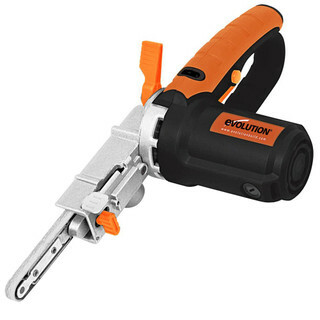
Sanders
Sanders sort the prep out properly, whether you're flattening filler, keying painted timber, or cleaning up joinery before the finish goes on.
If you're rubbing down all day, the right sander saves your wrists and leaves a far better finish than doing it by hand. From palm sanders for light decorating work to random orbit and belt machines for faster stock removal, this is the kit decorators, chippies and snagging teams reach for when the surface needs sorting properly. Match the pad shape and power to the job, get the right abrasive on it, and buy a sander that will earn its keep on site.
What Are Sanders Used For?
- Flattening timber, filler and jointed surfaces before paint, stain or lacquer goes on, so chippies and decorators are not fighting ridges and swirl marks at the finish stage.
- Keying up old paintwork, doors, skirting and window boards during refurb jobs, where a hand held sander cuts prep time right down compared with sanding by hand.
- Removing flaky coatings and stubborn top layers on stairs, frames and built-in joinery, where a stronger electric sander or belt machine shifts material quickly without dragging the job out.
- Cleaning up cut edges, easing sharp corners and finishing sheet materials in the workshop or on second fix, so fitted parts go in looking tidy rather than rough off the saw.
- Prepping walls, woodwork and patched areas with dust control attached, which keeps occupied properties cleaner and stops the whole place filling up during decorating work.
Choosing the Right Sander
Sorting the right sander is simple. Match it to the finish you need and the amount of material you actually have to remove.
1. Random Orbit for All Round Prep
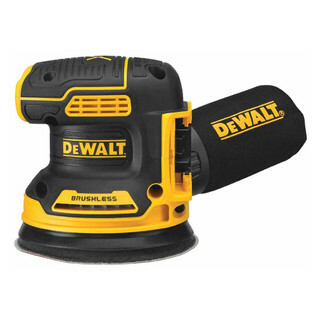
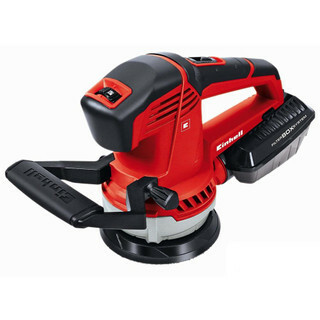
If you want one machine that covers most timber prep and decorating jobs, start with a random orbit or da sander. It removes stock quicker than a sheet sander but still leaves a finish clean enough for paint and clear coats if you step through the grits properly.
2. Sheet and Palm Sanders for Fine Finishing
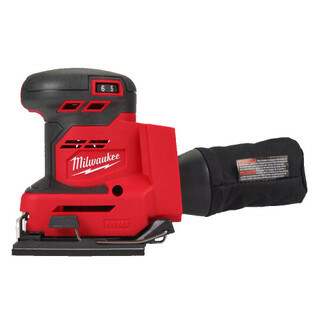
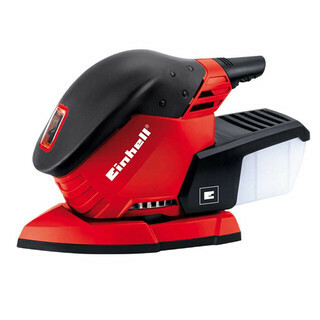
If you are mostly rubbing down filler, painted woodwork and flat faces between coats, a palm sander or sheet machine makes more sense. They are easier to control on corners and edges, and they are less likely to leave the aggressive swirl you get from pushing the wrong machine too hard.
3. Belt Sanders for Fast Material Removal
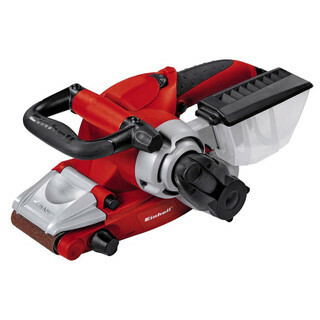
If the job is stripping back heavy paint, levelling rough timber or knocking down proud joints, go belt sander. Just do not buy one for delicate finishing work, because it will take material off fast and punish mistakes just as quickly.
4. Corded or Cordless
If you are on the bench or sanding for long spells, corded sander models give steady runtime without battery swaps. If you are moving room to room, up steps or into snagging jobs, cordless keeps things quicker and tidier, especially where leads are just getting in the way.
Who Uses These on Site?
- Decorators use sanders for wall prep, denibbing woodwork and rubbing down filler, especially on refurbs where painted surfaces need keying properly before the next coat.
- Chippies swear by them for cleaning up doors, skirting, handrails and fitted joinery, whether that is first fit trimming in the workshop or second fix snagging on site.
- Kitchen fitters and bedroom installers keep a palm sander or orbital machine handy for easing edges, refining scribes and sorting small marks before handover.
- Maintenance teams and snaggers use an electric sander for quick repairs on patch fills, damaged trim and tired paintwork without dragging a simple fix into a full rework.
- Furniture makers and bench joiners lean on the right wood sander and grit sequence to get a clean finish ready for stain, oil or lacquer without cross-grain scratches.
The Basics: Understanding Sanders
Different sanders move in different ways, and that changes how fast they cut and how clean a finish they leave. Here is the simple version that matters on site.
1. Random Orbit Sanders
These spin and orbit at the same time, which helps stop obvious scratch patterns. That is why they are the usual pick for general wood prep, paint keying and finishing larger flat areas.
2. Sheet and Palm Sanders
These use a smaller back and forth movement, so they cut a bit slower but give you better control on trim, corners and painted joinery. They are a safe choice when the job is more about tidy finishing than heavy removal.
3. Belt Sanders
These run a continuous abrasive belt and remove material fast. They are for flattening and stripping, not finesse, so they suit bigger timber prep jobs where speed matters more than a near-finished surface.
Sander Accessories That Save Time on Site
Get the right consumables and extraction sorted first, otherwise even a decent sanding machine turns into hard work.
1. Sanding Pads & Sheets
This is the bit that decides how the job finishes. Wrong grit or cheap paper clogs early, burns the surface and has you pressing harder than you should. Keep a sensible spread for stripping, prep and final passes so you are not trying to do every stage with one worn sheet.
2. Sanding Discs
For random orbit and da sander work, good discs make all the difference. The right hole pattern helps dust pull through properly, which keeps the cut consistent and stops the disc loading up after five minutes.
3. Sanding Sheets
Sheet sanders and electric palm sanders only work well when the paper fits properly and stays flat. Loose or badly cut sheets chatter about, mark the work and waste time, so buy the right size for the base and keep spares in the van.
4. Sanding Belts
If you are using a belt machine, spare belts are not optional. Once a belt dulls or clogs, the sander starts skating, heating the timber and leaving a mess. Fresh belts keep stock removal quick and predictable.
Choose the Right Sander for the Job
Use this quick guide to avoid buying the wrong machine for the work in front of you.
| Your Job | Category or Type | Key Features |
|---|---|---|
| Rubbing down filler, skirting and painted trim | Palm Sander or Sheet Sander | Compact base, easy control, good for flat finishing work and between coats. |
| General wood prep and decorating work | Random Orbit Sander | Round pad, fast cut, cleaner finish, solid all round choice for timber and paint prep. |
| Heavy paint removal and flattening rough timber | Belt Sander | High stock removal, larger sanding area, best where speed matters more than final finish. |
| Small snagging jobs and room to room work | Cordless Sander | No lead to drag about, quicker set-up, handy for touch-ins and short prep jobs. |
| Bench work or long sanding sessions | Corded Sander | Consistent power, no battery swaps, better for continuous use and workshop prep. |
Common Buying and Usage Mistakes
- Buying a belt sander for fine finishing work is a common mistake. It removes material fast, but it is easy to gouge edges and leave extra prep behind. For doors, trim and painted woodwork, start with a random orbit or palm sander instead.
- Using the wrong grit wastes time and ruins the finish. Start too coarse and you leave deep scratches to chase out later. Start too fine and the machine barely cuts. Work through the grits in stages and let the abrasive do the job.
- Pressing down harder does not speed things up. It slows the pad, overheats the paper and leaves a patchy finish. Keep steady pressure and use a fresh abrasive when the cut drops off.
- Ignoring dust extraction makes sanding far messier than it needs to be and shortens abrasive life. Hook up to Vacuums & Dust Extractors where you can, especially in occupied homes and decorating work.
- Choosing paper that does not match the machine base or hole pattern causes poor pickup and weak fixing. Check whether you need discs, sheets or belts before ordering, otherwise you end up with consumables that are no good for tomorrow's job.
Random Orbit vs Sheet vs Belt Sanders
Random Orbit Sander
Best if you want one electric sander to cover most site prep. It cuts quicker than a sheet sander and leaves a cleaner finish than a belt machine, so it suits joinery prep, decorating and general timber work.
Sheet or Palm Sander
Best for controlled finishing on trim, filler and painted surfaces. It is slower at stripping and flattening, but easier to manage on edges and detail work where a rougher machine would leave more to put right.
Belt Sander
Best for rapid removal on doors, boards and rough timber. It is the wrong choice for light finishing or careful decorating prep, because it can take too much off in seconds if you are not paying attention.
Cordless vs Corded
Cordless is handier for snagging and moving round site, while corded makes more sense for long sessions at the bench or repetitive prep where you do not want downtime for charging and battery swaps.
Maintenance and Care
Clear Dust After Every Job
Empty bags, brush off vents and wipe the base down after use. Packed dust makes the machine run hotter and stops extraction working properly on the next job.
Replace Worn Abrasives Early
Once paper or belts stop cutting, change them. Carrying on with clogged abrasives overheats the surface, strains the motor and gives a worse finish.
Check the Backing Pad or Base
If the hook and loop face is worn or the base is damaged, discs and sheets will not sit right. That leads to chatter, poor dust pickup and uneven sanding.
Store It Dry and Flat
Do not throw a sander in the back of the van under wet gear and loose fixings. Keep it in a case or on a shelf so the cable, switch and sanding pad do not get battered.
Repair Pads and Leads Before They Cost You Time
A frayed lead, split dust port or worn pad is worth sorting early. Leave it too long and you end up with poor performance, unsafe use or a machine that is no use halfway through prep.
Why Shop for Sanders at ITS?
Whether you need a compact palm sander for decorating, a random orbit machine for all-round prep, or a belt sander for heavier stock removal, we stock the full range. That includes the consumables to keep them working, from Sanding Discs and Sanding Sheets to replacement abrasives and more. It is all in our own warehouse, in stock, and ready for next day delivery.
Sander FAQs
What's the best sander for a beginner?
A random orbit sander is usually the safest place to start. It is easier to control than a belt sander, quicker than sanding by hand, and versatile enough for timber prep, paint keying and general finishing without being too aggressive.
What's the difference between a random orbit and a sheet sander?
A random orbit sander uses a round pad that spins and orbits, so it cuts faster and works well on general prep. A sheet sander moves in a tighter pattern and is better for controlled finishing on flat faces, trim and painted woodwork.
Cordless or corded sander for finishing work?
For short snagging jobs and moving between rooms, cordless is easier to live with. For bench work or long finishing sessions, corded usually makes more sense because you get steady power all day and no battery swaps mid-job.
What sanders are best for removing paint?
For heavy paint removal on broad timber surfaces, a belt sander is the quickest option. For lighter stripping or where you need more control, a random orbit sander is the better shout. On trim and detailed joinery, a smaller palm or sheet sander is easier to manage.
Do sanders need dust extraction?
Yes, where possible. It keeps the work area cleaner, helps you see the surface properly and stops abrasives clogging so quickly. On decorating jobs, refurbs and occupied properties, proper dust extraction makes a big difference and is worth setting up.
Will one sander cover every job on site?
Not really. A random orbit model covers most general prep, but it will not replace a belt sander for heavy stock removal or a small palm sander for tighter finishing work. If you sand regularly, two machines usually make life easier.