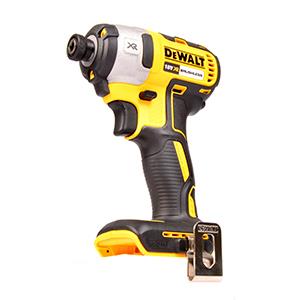
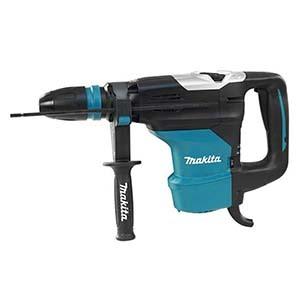
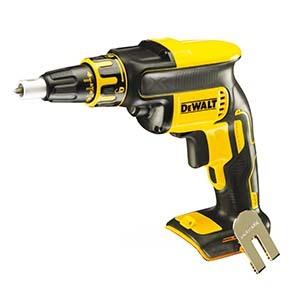
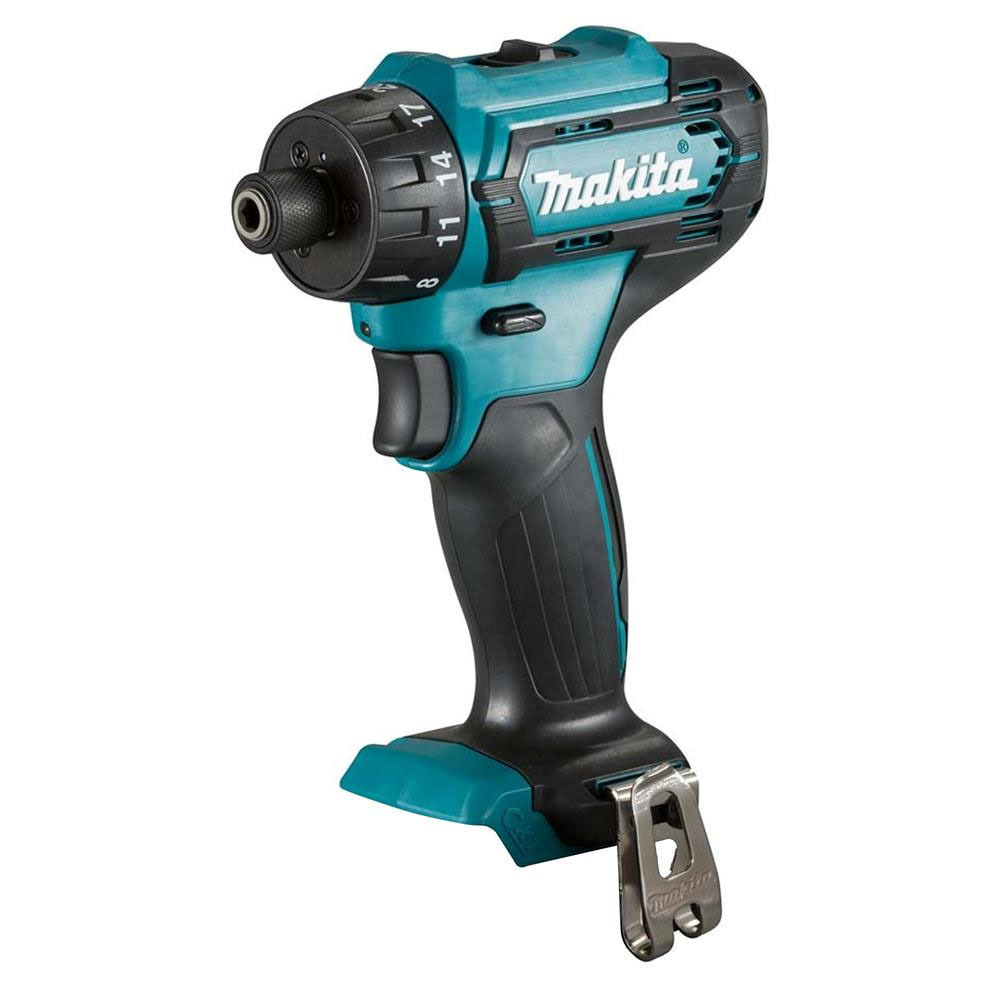
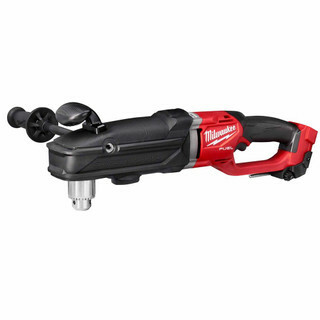
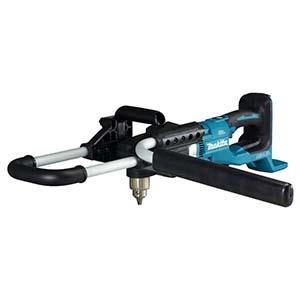
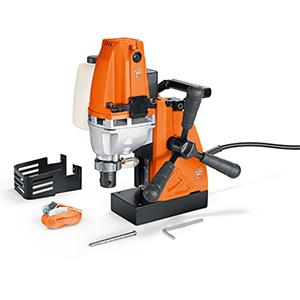
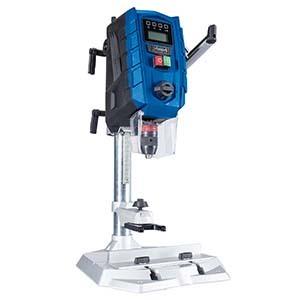
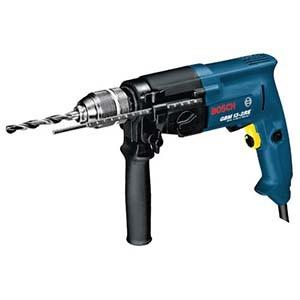
Drills and Drivers

A drill is the first tool you reach for on most jobs, from first-fix to final fit-off, so it needs the right power, chuck, and control.

Whether you're running a cordless drill all day, or keeping a corded drill driver for steady bench work, this range covers compact drill options for tight spots, bigger drill machines for heavy fixings, and hammer drills for masonry. Pick the drill brands that match your battery platform, and get the drill you'll actually use every day.

What Are Drills Used For?

  • Driving fixings on first fix A cordless drill driver is what you want for running screws into studs, joists, and sheet materials without dragging leads through a half-finished plot.
  • Drilling timber and metal on site Battery drills handle day-to-day holes for brackets, service runs, and fixings, especially when you pair the drill machine to the right bit and keep speed control steady.
  • Masonry drilling for plugs and anchors A hammer drill is the sensible choice for brick and block when you're fitting battens, frames, and trunking, because a standard drill will just labour and burn bits.
  • Kitchen, bathroom, and fit-out work A compact drill gets into corners, cabinets, and tight stud bays where a big drill body just won't sit square, so your holes and fixings land where they should.
  • Maintenance and snagging A portable drill is the one that lives in the van for quick call-outs, drilling pilot holes, swapping hinges, and sorting loose fixings without turning a ten-minute job into a setup.

Choosing the Right Drill

Sort the right drill by matching it to the material and how often you're on it, not by chasing the biggest numbers on the box.

1. Cordless drill vs corded drill driver

If you're moving room to room, up ladders, or working off-grid, a cordless drill is the one you'll actually use. If you're drilling for long periods in one spot and you've always got power, a corded drill driver gives consistent run time without swapping batteries.

2. Drill driver vs hammer drill

If you're mainly in timber, plastics, and light metal, a standard drill driver is cleaner and easier to control. If you regularly need holes for wall plugs in brick and block, get a hammer drill so you're not cooking bits and wasting time.

3. Compact drill vs big drill

If you're doing kitchens, studwork, and tight access, a compact drill saves your wrists and gets the chuck where it needs to be. If you're into larger hole saws, self-feed bits, or heavier fixings, step up to a bigger drill with more torque and a steadier grip.

4. Battery drill platform and spares

If you've already got batteries in a system, stick with that range so your cordless drills for sale actually fit your kit and chargers. If you're buying into a platform from scratch, budget for at least two batteries so you're not dead in the water mid-task.

Who Are These Drills For on Site?

  • Chippies and joiners who need a cordless driver drill for constant pilot holes, hinges, and fixings through timber without splitting or stripping heads.
  • Sparks and plumbers who rely on a compact drill for drilling machine access in cupboards, lofts, and service voids, where size and control matter more than brute force.
  • Fitters, maintenance teams, and site managers who keep a battery drill in the van for day-to-day drilling, quick repairs, and punch-list work across multiple jobs.
  • General builders who want the right drill machine for mixed materials, using hammer drill modes for plugs and anchors and standard drilling for everything else.

How Drill Modes Work for You

Most drills cover a few core modes and settings. Knowing what they do stops you stripping screws, snapping bits, and blaming the drill when it's just on the wrong setting.

1. Drill mode (for holes)

This is for drilling clean holes in timber, metal, and plastics, using the trigger and gearbox to control speed so the bit cuts instead of overheating.

2. Drive mode and clutch (for screws)

The clutch lets you set how hard the drill driver pushes before it slips, which is what stops you chewing heads, snapping small screws, or burying fixings too deep in plasterboard and chipboard.

3. Hammer mode (for masonry)

Hammer drill mode adds a tapping action to help the bit bite into brick and block for plugs and anchors, but it is not a replacement for an SDS drill when you're into tougher concrete or bigger holes.

Shop for Drills at ITS?

Whether you're after a compact cordless drill for fit-out work, a hammer drill for masonry plugs, or a corded drill driver for steady workshop use, we stock the full range of drills in all the key types and specs. It's all held in our own warehouse, in stock and ready for next-day delivery so you can get the right drill on site fast.

Drill FAQs

What is a drill in education?

In education, a drill is a repeated practice exercise to build speed and accuracy, like times tables or spelling. It is not a tool, it is a training method based on repetition.

What is the meaning of drill in training?

In training, drill means practising a set action until it is automatic, like a safety routine or a work process. On site that is the same idea as repeating a method so it is done safely and consistently under pressure.

What is a drill emergency?

An emergency drill is a planned practice for a real incident, such as fire evacuation or lockdown, so people know where to go and what to do. It is about reducing panic and wasted time when it matters.

What's the drill meaning in slang?

In slang, "what's the drill" usually means "what's the plan" or "what's the routine". It is asking for the expected steps, not talking about a drill machine.

Is a cordless drill driver enough, or do I need a hammer drill?

If you only drill timber and light metal, a cordless drill driver is fine. If you regularly drill brick and block for plugs, get a hammer drill, because without the hammer action you will be leaning on it harder, burning bits, and taking longer for every hole.

Will a battery drill cope with hole saws and bigger bits?

Yes, but only if you match the drill to the job. A compact drill will do small hole saws and light work, but for repeated larger holes you want a drill with higher torque and a proper low gear, otherwise it will stall, overheat, and chew batteries fast.

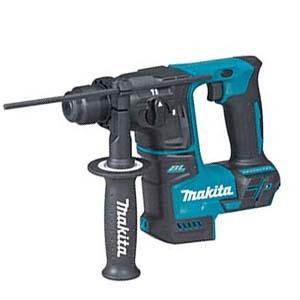
Read more

Drills and Drivers

A drill is the first tool you reach for on most jobs, from first-fix to final fit-off, so it needs the right power, chuck, and control.

Whether you're running a cordless drill all day, or keeping a corded drill driver for steady bench work, this range covers compact drill options for tight spots, bigger drill machines for heavy fixings, and hammer drills for masonry. Pick the drill brands that match your battery platform, and get the drill you'll actually use every day.

What Are Drills Used For?

  • Driving fixings on first fix A cordless drill driver is what you want for running screws into studs, joists, and sheet materials without dragging leads through a half-finished plot.
  • Drilling timber and metal on site Battery drills handle day-to-day holes for brackets, service runs, and fixings, especially when you pair the drill machine to the right bit and keep speed control steady.
  • Masonry drilling for plugs and anchors A hammer drill is the sensible choice for brick and block when you're fitting battens, frames, and trunking, because a standard drill will just labour and burn bits.
  • Kitchen, bathroom, and fit-out work A compact drill gets into corners, cabinets, and tight stud bays where a big drill body just won't sit square, so your holes and fixings land where they should.
  • Maintenance and snagging A portable drill is the one that lives in the van for quick call-outs, drilling pilot holes, swapping hinges, and sorting loose fixings without turning a ten-minute job into a setup.

Choosing the Right Drill

Sort the right drill by matching it to the material and how often you're on it, not by chasing the biggest numbers on the box.

1. Cordless drill vs corded drill driver

If you're moving room to room, up ladders, or working off-grid, a cordless drill is the one you'll actually use. If you're drilling for long periods in one spot and you've always got power, a corded drill driver gives consistent run time without swapping batteries.

2. Drill driver vs hammer drill

If you're mainly in timber, plastics, and light metal, a standard drill driver is cleaner and easier to control. If you regularly need holes for wall plugs in brick and block, get a hammer drill so you're not cooking bits and wasting time.

3. Compact drill vs big drill

If you're doing kitchens, studwork, and tight access, a compact drill saves your wrists and gets the chuck where it needs to be. If you're into larger hole saws, self-feed bits, or heavier fixings, step up to a bigger drill with more torque and a steadier grip.

4. Battery drill platform and spares

If you've already got batteries in a system, stick with that range so your cordless drills for sale actually fit your kit and chargers. If you're buying into a platform from scratch, budget for at least two batteries so you're not dead in the water mid-task.

Who Are These Drills For on Site?

  • Chippies and joiners who need a cordless driver drill for constant pilot holes, hinges, and fixings through timber without splitting or stripping heads.
  • Sparks and plumbers who rely on a compact drill for drilling machine access in cupboards, lofts, and service voids, where size and control matter more than brute force.
  • Fitters, maintenance teams, and site managers who keep a battery drill in the van for day-to-day drilling, quick repairs, and punch-list work across multiple jobs.
  • General builders who want the right drill machine for mixed materials, using hammer drill modes for plugs and anchors and standard drilling for everything else.

How Drill Modes Work for You

Most drills cover a few core modes and settings. Knowing what they do stops you stripping screws, snapping bits, and blaming the drill when it's just on the wrong setting.

1. Drill mode (for holes)

This is for drilling clean holes in timber, metal, and plastics, using the trigger and gearbox to control speed so the bit cuts instead of overheating.

2. Drive mode and clutch (for screws)

The clutch lets you set how hard the drill driver pushes before it slips, which is what stops you chewing heads, snapping small screws, or burying fixings too deep in plasterboard and chipboard.

3. Hammer mode (for masonry)

Hammer drill mode adds a tapping action to help the bit bite into brick and block for plugs and anchors, but it is not a replacement for an SDS drill when you're into tougher concrete or bigger holes.

Shop for Drills at ITS?

Whether you're after a compact cordless drill for fit-out work, a hammer drill for masonry plugs, or a corded drill driver for steady workshop use, we stock the full range of drills in all the key types and specs. It's all held in our own warehouse, in stock and ready for next-day delivery so you can get the right drill on site fast.

Drill FAQs

What is a drill in education?

In education, a drill is a repeated practice exercise to build speed and accuracy, like times tables or spelling. It is not a tool, it is a training method based on repetition.

What is the meaning of drill in training?

In training, drill means practising a set action until it is automatic, like a safety routine or a work process. On site that is the same idea as repeating a method so it is done safely and consistently under pressure.

What is a drill emergency?

An emergency drill is a planned practice for a real incident, such as fire evacuation or lockdown, so people know where to go and what to do. It is about reducing panic and wasted time when it matters.

What's the drill meaning in slang?

In slang, "what's the drill" usually means "what's the plan" or "what's the routine". It is asking for the expected steps, not talking about a drill machine.

Is a cordless drill driver enough, or do I need a hammer drill?

If you only drill timber and light metal, a cordless drill driver is fine. If you regularly drill brick and block for plugs, get a hammer drill, because without the hammer action you will be leaning on it harder, burning bits, and taking longer for every hole.

Will a battery drill cope with hole saws and bigger bits?

Yes, but only if you match the drill to the job. A compact drill will do small hole saws and light work, but for repeated larger holes you want a drill with higher torque and a proper low gear, otherwise it will stall, overheat, and chew batteries fast.
ITS Click and Collect Icon
What3Words:
Store Opening Hours
Opening times