Angle Grinder Discs & Accessories
Angle grinder discs and accessories are what keep the grinder useful on site, whether you're cutting steel, chasing block, cleaning welds or knocking back rough edges.
Get the disc wrong and you waste time, wreck the finish, or wear the grinder out for no reason. This range covers the gear trades actually get through on site, from Power Tool Accessories for daily cutting and grinding to specialist options for metal, stone and concrete. If you're replacing worn consumables or stocking up for a bigger job, match the disc to the material, the grinder size, and the finish you need, then get sorted.
What Are Angle Grinder Discs and Accessories Used For?
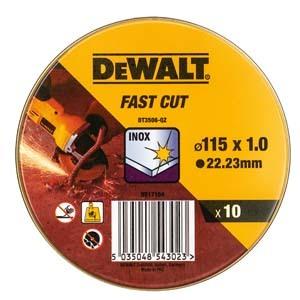
- Cutting threaded rod, angle iron, trunking and steel sections on first fix jobs is where Cutting Discs earn their keep, especially when you need a fast clean cut without dragging out bigger kit.
- Chasing out blockwork, trimming slabs, and sorting brick or lintel cuts on refurbs is exactly what masonry cutting accessories are for when the saw will not get into the spot.
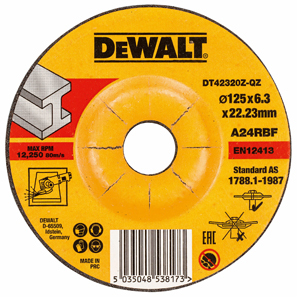
- Cleaning up welds, removing burrs, and knocking back proud metal after fabrication or site repairs is proper day to day work for Grinding Discs.
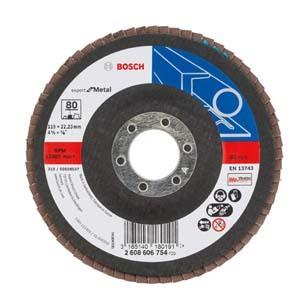
- Smoothing stainless, painted steel, or rough fabricated edges before finishing is where Flap Discs save time because they grind and tidy the surface in one go.
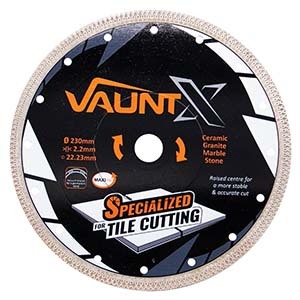
- Cutting dense concrete products, porcelain, stone and hard masonry on fit out or landscaping jobs is where Diamond Blades make sense, as they last longer and hold their line better in hard material.
Choosing the Right Angle Grinder Discs and Accessories
Sorting the right one is simple: match the disc to the material first, then the grinder size, then the finish you need.
1. Match the Disc to the Material
If you are cutting steel, use metal cutting discs. If you are into brick, block, slab or stone, go straight to masonry cutting accessories or diamond blades. Do not try to make one disc do every job because it cuts slower, wears faster and usually leaves a worse finish.
2. Check the Disc Diameter
If your grinder takes 115mm discs, stick to 115mm. Same for 125mm or 230mm. Do not squeeze the wrong size on and do not remove guards to make something fit. Bigger discs change the working speed and safety setup, and that is not worth the risk.
3. Pick for Cutting, Grinding or Finishing
Thin cutting discs are for slicing through material fast. Grinding discs are for stock removal and cleaning back welds. Flap discs are the better shout if you need to leave it tidy enough for paint, fit out or handover.
4. Buy for the Workload, Not Just the Price
If the grinder is out every day, buy discs that hold up under steady use rather than the cheapest pack going. Cheap discs disappear fast on heavier work, so what looked cheaper usually costs more by the end of the week.
Who Uses These on Site?
- Steel erectors, fabricators and fitters use angle grinder discs and accessories for cutting box section, trimming bolts and cleaning welds when work needs altering on the spot.
- Brickies, groundworkers and landscapers rely on masonry cutting accessories for trimming blocks, slabs, kerbs and pavers without having to drag a bigger saw to every cut.
- Sparkies and plumbers keep cutting discs in the van for knocking down tray, trunking, channel, threaded rod and bracketry during first fix and plant room work.
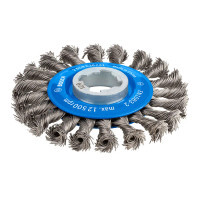
- Maintenance teams and site fixers swear by grinding accessories for stripping rust, cleaning back damaged metal and making quick repairs before parts go back into service.
- Chippies and general builders use flap discs and lighter grinding discs for tidying brackets, bolts and awkward metalwork where a cleaner finish saves snagging later.
Angle Grinder Accessories That Keep You Working
The right extras stop hold ups, protect the grinder, and save you chewing through discs for the wrong job.
1. Backing Pads and Flanges
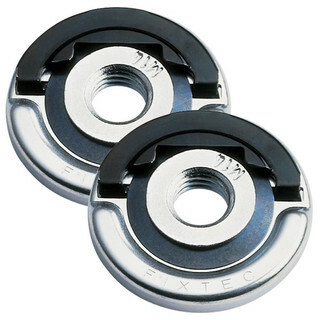
If the backing hardware is worn, the disc will not sit right and you will feel it straight away in the cut. Fresh flanges and pads stop wobble, help the disc track properly, and save you ruining material through vibration.
2. Diamond Blades
Do not burn through standard abrasive discs trying to cut hard masonry all day. A proper diamond blade lasts longer, cuts cleaner through dense material, and saves repeat trips back to the van for another pack.
3. Flap Discs
When you need to clean up edges after cutting, flap discs save swapping between too many bits of kit. They are the fix for rough edges, light weld clean up and surface prep before paint or fitting.
4. Spare Cutting Discs
This sounds obvious, but running out halfway through steel work is still one of the most annoying site hold ups going. Keep spare cutting discs in the box so a cracked or worn disc does not stop the whole job.
Choose the Right Angle Grinder Discs and Accessories for the Job
Use this quick guide to avoid burning through the wrong disc.
| Your Job | Category or Type | Key Features |
|---|---|---|
| Cutting steel tube, angle, bolts or threaded rod | Thin metal cutting disc | Fast clean cuts, less drag, suited to regular metal fabrication and first fix trimming |
| Cleaning welds and removing burrs | Depressed centre grinding disc | Thicker build for stock removal, stronger under pressure, better for heavy clean up |
| Tidying edges and prepping metal for finishing | Flap disc | Grinds and smooths in one step, better surface finish, good for lighter fabrication work |
| Cutting block, brick, slab or concrete products | Diamond blade or masonry disc | Built for abrasive materials, longer life in hard products, cleaner tracking through masonry |
| General van stock for mixed site use | Mixed angle grinder accessories | Lets you switch between cutting, grinding and finishing without holding the job up |
Common Buying and Usage Mistakes
- Buying one type of disc for every material is the usual mistake. Metal, masonry and finishing work all need different discs, otherwise you get slow cuts, poor life and a rough result.
- Choosing the wrong disc size for the grinder causes grief straight away. Always match the disc diameter and bore to the machine so it fits properly and runs safely.
- Using a cutting disc for grinding work wears it out fast and makes the job harder than it needs to be. If you are removing material or cleaning welds, use a proper grinding disc instead.
- Pushing too hard to make a worn disc cut faster overheats the accessory and strains the grinder. Swap the disc out when it is spent and let the accessory do the work.
- Ignoring damaged flanges or poor storage wrecks discs before the job starts. Keep them dry, flat and protected so they are sound when you need them.
Cutting Discs vs Grinding Discs vs Flap Discs
Cutting Discs
These are for fast, straight cuts through steel and other material. They are thinner, cut quicker and leave a narrower kerf, but they are not for side loading or heavy surface grinding.
Grinding Discs
These are the better choice for removing stock, cleaning welds and taking back rough edges. They are tougher under pressure than cutting discs, but they are slower and rougher if your main aim is a neat cut.
Flap Discs
Flap discs sit between grinding and finishing. They remove material while leaving a cleaner surface, so they suit fabrication, prep and snagging work, though they are not the quickest choice for heavy stock removal.
Diamond Blades
For brick, concrete, porcelain and stone, diamond blades are the right tool. They last longer and cut hard masonry better than standard abrasive discs, but they are not what you want for routine metal work.
Maintenance and Care
Store Discs Dry and Flat
Moisture and knocks shorten disc life before they even touch the grinder. Keep angle grinder discs in a dry box or case, laid flat and away from loose heavy gear in the van.
Check for Chips and Cracks
Give each disc a quick look before fitting. If it is chipped, cracked, warped or has taken a proper knock, bin it. It is not worth risking the grinder or your hands to save one disc.
Keep Flanges and Guards Clean
Built up dust and swarf stop discs seating properly. Wipe the flanges down, keep the guard in place, and make sure the disc is clamped evenly so it runs true.
Replace Worn Accessories Early
Once a cutting disc is badly worn, you end up forcing it through the job and cooking the grinder. Swap it out before performance drops off and you will cut quicker with less strain on the tool.
Use the Right Disc for the Work
A lot of so called maintenance problems are really misuse. Metal cutting accessories on steel and masonry accessories on block will last far better than trying to make one accessory cover every task.
Why Shop for Angle Grinder Discs and Accessories at ITS?
Whether you need a single replacement disc or van stock for cutting, grinding and finishing, we have the full range covered. That means metal cutting accessories, masonry cutting accessories, grinding accessories and the sizes trades actually use, all in our own warehouse and ready for next day delivery.
Angle Grinder Discs and Accessories FAQs
What are angle grinder discs and accessories used for?
They are used for cutting, grinding, smoothing, cleaning and prepping different materials on site. In real terms, that means cutting steel, trimming block, cleaning welds, removing rust, sharpening edges and tidying surfaces before paint or fitting.
How do I choose the right angle grinder discs and accessories?
Start with the material, then the job. Metal needs metal cutting or grinding discs. Brick, slab and concrete need masonry discs or diamond blades. After that, match the size to your grinder and decide whether you need a clean cut, heavy stock removal or a smoother finish.
Which angle grinder discs and accessories are best for metal or masonry?
For metal, use cutting discs for slicing and grinding discs or flap discs for clean up and finishing. For masonry, brick, concrete and stone, a proper masonry disc or diamond blade is the right call because it lasts longer and cuts hard material far better.
How do I choose the right size angle grinder discs and accessories?
Check the grinder rating and use the disc diameter and bore size it was built for. Common sizes are 115mm, 125mm and 230mm. Do not guess and do not force a different size to fit, because performance and safety both depend on getting that match right.
Can I buy angle grinder discs and accessories online from ITS?
Yes. You can buy angle grinder discs and accessories online from ITS, with the range held in stock in our own warehouse. That makes it easier to grab the right consumables for the next job and get them out for next day delivery.
Will these hold up to proper site work, or are they just for light use?
They are built for trade use, but the honest answer is that life depends on using the right disc for the right material. A decent disc used properly will handle daily site work. The wrong disc on the wrong job will disappear fast, no matter who made it.