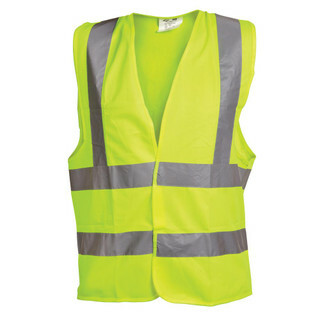
OX Tools Hi Vis Clothing
OX hi vis clothing keeps you seen where plant, traffic and low light make the job risky, with site-ready layers that stand up to daily graft.
If you're working roadside, on new build plots, in yards or on early winter starts, this is the kit that stops you blending into the background. OX hi vis covers the usual site staples from vests and polos to jackets that fit over your layers without riding up or getting in the way. If you only need the basics, start with OX Hi-Vis Vests. For full head-to-toe site kit, have a look through OX Workwear and PPE and match your gear to the job.
What Jobs Are OX Hi Vis Clothing Best At?
- Working around moving plant, delivery wagons and telehandlers, OX hi vis clothing helps keep you visible when the site is busy and everyone is focused on the lift, not just who's on foot.
- Starting early on winter mornings or finishing up in poor light, an OX hi vis jacket or vest gives you the visibility needed for set-up, snagging and locking up safely.
- Running jobs on roadside works, civils and external maintenance, ox high vis clothing makes sure drivers and machine operators can pick you out quickly in changing weather.
- Layering up for warehouse, yard and distribution work, ox hi vis workwear keeps teams visible without needing bulky kit that catches when you're loading, shifting or climbing in and out the van.
Choosing the Right OX Hi Vis Clothing
Sorting the right one is simple: match the layer to the site rules, the weather and how much moving about you're doing.
1. Vest, Polo or Jacket
If you're only adding visibility over your own work kit, a vest is the quick fix. If you're on site all day in warmer weather, an ox hi vis polo is usually more comfortable. If you're outside in wind and rain, go straight to an ox hi vis jacket and stop pretending a vest over a hoodie will do the same job.
2. Site Class Requirements
Check what class the site asks for before you buy. If the principal contractor wants a higher class garment, a basic vest may not cut it on its own. Always buy to the site standard first, then think about comfort.
3. Fit for Layering
If it's going over a fleece, hoodie or waterproof, leave enough room so it does not pull tight across the shoulders or ride up when you're bending, climbing or reaching. Tight hi vis gets left in the van, which is no use to anyone.
4. Weather and Wear
For clean indoor jobs, lighter gear is fine. If you're in mud, rain and daily site abuse, pick tougher outer layers that can take snagging, repeated washing and being shoved behind the seats in the van.
Who Uses These on Site?
- Groundworkers and civils teams rely on ox hi vis clothing when they're working around excavators, dumpers and reversing plant where being seen fast matters more than anything else.
- Labourers and site managers keep an ox hi vis vest handy for quick cover on active sites, especially when moving between cabins, compounds and live work areas.
- Roofers, cladders and scaffold crews use hi vis layers on exposed jobs where weather turns quickly and visibility drops off long before the shift ends.
- Maintenance teams, fitters and delivery drivers wear ox hi vis workwear for yard work, callouts and multi-stop days where you're in and out of traffic, stock areas and loading bays.
The Basics: Understanding Hi Vis Clothing
Hi vis kit is not complicated, but you do need to know what actually makes it suitable for site. The main things are garment class, colour and how much of the reflective tape stays visible once you've layered up.
1. Visibility Comes from Colour and Reflective Bands
The bright fabric helps you stand out in daylight, while the reflective strips catch headlights, site lighting and machine lamps when visibility drops. If the tape is hidden under a harness, jacket or tool belt, you're losing the benefit.
2. The Class Tells You How Much Coverage You Get
Higher class garments generally give you more visible material and reflective coverage. On a live site, that matters because a small vest and a proper jacket do not offer the same level of visibility once weather, distance and movement come into play.
3. The Right Layer Depends on the Job
A vest is fine for quick site access or warm indoor work. For full shifts outside, polos, sweatshirts and jackets are usually the better shout because you stay visible without having to keep adding or stripping layers every hour.
Extra OX Kit That Makes Hi Vis Work Properly on Site
Hi vis does its job better when the rest of your site kit is sorted as well.
1. Safety Boots and Trainers
A visible top half is only part of it. Pair your hi vis with proper OX Safety Boots and Trainers so you're covered for site rules, wet ground and long shifts on rough surfaces.
2. PPE Essentials
Do not turn up visible but under-protected. Add the basics from OX PPE so your eyewear, gloves and head protection are sorted alongside your hi vis layer.
3. Work Clothes for Layering
If your base layers bunch up, overheat or restrict movement, your hi vis will be a nuisance by mid-morning. Start with decent under-layers from OX Work Clothes and the whole setup works better.
Choose the Right OX Hi Vis Clothing for the Job
Use this quick guide to sort the right layer before you check out.
| Your Job | Category or Type | Key Features |
|---|---|---|
| Short site visits and basic visibility cover | OX hi vis vest | Lightweight fit, quick to throw over work kit, easy to keep in the van |
| Warm weather site work and long indoor shifts | OX hi vis polo | Built-in visibility without layering a vest over your top, better comfort through the day |
| Outdoor work in rain, wind and poor light | OX hi vis jacket | Weather protection, visible outer layer, better for winter starts and exposed sites |
| Busy yards, traffic routes and plant movement areas | Higher coverage hi vis clothing | More visible material, reflective detail and better compliance where site rules are tighter |
Common Buying and Usage Mistakes
- Buying the cheapest vest without checking the site requirement is the usual mistake. You save a few quid, then get told it is the wrong class and have to buy again.
- Choosing a size that only fits over a T shirt causes grief once the weather turns. If it will be worn over hoodies or jackets, size it for layering or it will end up scrunched in the van.
- Using worn, dirty or faded hi vis for too long cuts down visibility fast. If the colour is dull or the reflective tape is past it, replace it before site management tells you to.
- Assuming any bright garment counts as compliant hi vis is a bad call. Proper hi vis clothing needs the right design and coverage, not just fluorescent fabric.
Hi Vis Vests vs Polos vs Jackets
Hi Vis Vests
Best for quick site access, visitors and throwing over whatever you're already wearing. Cheap and simple, but not much use for weather protection or full-day comfort if you're constantly moving.
Hi Vis Polos
A better choice for regular daytime work in milder weather. You get visibility without the extra layer flapping about, but they are not the answer when the rain starts or the temperature drops.
Hi Vis Jackets
The right option for exposed jobs, winter site work and anyone out in poor weather. More coverage and better protection, but warmer and bulkier than a vest or polo if you're indoors.
Maintenance and Care
Wash Off Site Dirt Properly
Mud, dust and concrete splash dull down bright fabric faster than most lads realise. Wash regularly so the colour stays sharp and the reflective strips are not buried under grime.
Check Reflective Tape
Have a look at the reflective bands after heavy use and washing. If they are peeling, cracked or badly scuffed, the garment is past its best and wants replacing.
Do Not Leave It Screwed Up in the Van
Stuffing wet hi vis behind the seat all week leads to creasing, stink and quicker wear. Dry it out and hang it up so it is ready for the next shift.
Replace Faded Kit Early
If the fluorescent colour has washed out or the garment looks tired compared with a new one, do not kid yourself it is still doing the job. Visibility gear only works when it is still visible.
Why Shop for OX Hi Vis Clothing at ITS?
Whether you need a single ox hi vis vest for site access or a full run of ox hi vis jackets, polos and everyday site layers, we stock the proper range in one place. Our OX hi vis clothing range sits alongside the rest of the OX workwear line, all held in our own warehouse and ready for next day delivery.
OX Hi Vis Clothing FAQs
What is hi vis clothing?
Hi vis clothing is workwear made to keep you easy to spot in low light, poor weather or busy work areas. It uses bright fluorescent colours for daytime visibility and reflective strips for when headlights, work lamps or site lighting hit you.
When is hi vis clothing required on site?
Any time the site rules say it is, especially where there is moving plant, traffic, loading areas or poor visibility. On many UK sites it is standard issue from the gate, and if you're working roadside, in civils or around deliveries, it is usually non-negotiable.
Are OX hi vis clothing any good?
Yes, OX hi vis is solid, practical site kit for everyday use. It is built for the kind of work where gear gets layered, washed regularly and thrown in the van, so it makes sense for trades who need straightforward visibility clothing without fuss.
What are the hi vis classes?
Hi vis classes show how much visible and reflective material a garment has. In simple terms, the higher the class, the more coverage you get. Always check the site requirement first, because the right class matters more than just picking the cheapest vest.
What colour hi vis is most visible?
Yellow is the one most trades expect to see on UK sites, and it stands out well in most conditions. Orange is also common, especially where rail or specific site standards apply. The main thing is using the colour the job requires and keeping it clean enough to do its job.
Will an ox hi vis vest do the same job as an ox hi vis jacket?
No, not really. A vest covers the visibility side for basic site access and warmer conditions, but it gives you no weather protection. If you're outside all day in rain or cold, an ox hi vis jacket is the proper option.
Can I just wear hi vis over my normal hoodie and call it sorted?
Sometimes, yes, but only if the fit is right and the site allows it. If the hi vis layer sits too tight, rides up or leaves reflective tape hidden by harnesses and gear, you are not getting the protection or compliance you think you are.