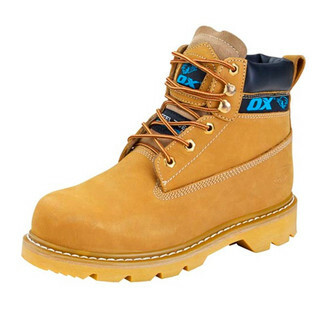
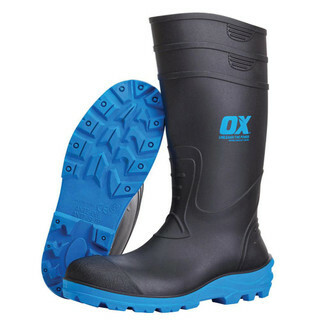
OX Tools Safety Boots & Trainers
OX safety boots are built for wet slabs, rough plots and long shifts, with site-ready grip, toe protection and support that lasts through the week.
If you're on and off scaffolds, across muddy ground or in half-finished plots all day, cheap boots soon show their weaknesses. OX safety boots and OX safety trainers are made for proper site wear, with S1P and ox s3 safety boots options, solid underfoot support and uppers that stand up to knocks, water and dust. If you need lighter pairs for indoor fit-out, look at OX Safety Boots, and if the job is deep mud and foul weather, OX Wellington Boots are worth having by the van.
What Are OX Safety Boots Used For?
- Walking rough new-build sites and groundwork areas, where ox work boots give you proper grip, toe protection and support on loose stone, mud and uneven ground.
- Working first fix and second fix on busy plots, where ox safety trainers suit lads covering miles each day but still needing underfoot protection around fixings, boards and dropped tools.
- Handling wet outdoor jobs, including drainage, slab prep and site clearance, where ox waterproof work boots help keep feet dry when the weather turns and the job still has to get done.
- Loading out vans, carrying materials and moving kit round site, where ox steel toe boots take the knocks that wreck lighter footwear by the end of the month.
- Snagging, maintenance and general trade work, where a decent pair of OX boots cuts fatigue over long shifts and gives better footing on dusty concrete, timber floors and temporary access routes.
Choosing the Right OX Safety Boots
Sorting the right pair is simple: match the boot to the ground, the weather and how many hours you are actually standing in them.
1. S1P or S3
If most of your work is indoors or on drier fit-out jobs, S1P can do the job. If you are outside, on wet plots or walking mud and hardcore, ox s3 safety boots are the better buy because you get the added water resistance and site practicality.
2. Boot or Trainer Style
If you need ankle support for rough ground, loading out and longer outdoor shifts, stick with boots. If you are mostly on internal works, covering plenty of steps and want less weight on your feet, ox safety trainers make more sense.
3. Toe Cap and Midsole Protection
Do not just look at the toe. If you are regularly around nails, screws, offcuts and site debris, make sure the pair has proper underfoot penetration resistance as well as toe protection, otherwise one hidden fixing ruins your day.
4. Waterproofing and Sole Grip
If the job carries on through bad weather, wet slabs or muddy access, waterproofing is worth paying for. Also check the tread properly, because a sole that clogs up or slips on dusty boards is no use however tough the upper looks.
Who Uses These on Site?
- Groundworkers and brickies rely on ox safety boots for wet ground, loose aggregate and constant kneeling and walking, especially on early-stage sites where lighter footwear gets ruined fast.
- Sparkies, plumbers and fitters often go for ox safety trainers when they are moving room to room all day and want something lighter underfoot without giving up site protection.
- Joiners and dryliners use ox work boots on first fix and board carrying jobs, where decent grip and ankle support matter when you are up and down stairs or working around scattered fixings.
- Site managers, labourers and maintenance teams keep pairs handy for general site coverage, van unloading and quick walk-rounds, and many match them with OX Work Clothes for daily wear that can take the dirt.
The Basics: Understanding OX Safety Boots
The main thing with safety footwear is not the badge on the side, it is the rating and build. That tells you where the pair belongs and how it will cope on site.
1. S1P for Drier Site Work
S1P footwear is aimed at jobs where you still need toe protection and underfoot resistance, but you are not constantly working in wet ground. It suits warehouse work, internal fit-out and lighter site duties where comfort and protection matter more than weatherproofing.
2. S3 for Outdoor and Wet Conditions
S3 is the better shout for outdoor trade work. You still get the protective toe and midsole, but with added water resistance that makes more sense for muddy plots, drainage work and jobs where the ground is rarely clean or dry.
3. Boots and Trainers Do Different Jobs
A safety boot gives more ankle hold and usually copes better with rough ground and bad weather. A safety trainer feels lighter and is easier for long indoor days, but it is best picked for cleaner, drier work where full boot height is not needed.
Extras That Make OX Safety Boots Earn Their Keep
A few sensible add-ons make the boots last longer and save you grief on long shifts.
1. Replacement Insoles
When the factory insole packs down, your feet know about it before lunch. A fresh insole is a cheap fix for tired arches, sore heels and that worn-out feel you get even when the upper is still fine.
2. Boot Socks
Do not ruin a decent pair of boots with thin socks that bunch up and hold sweat. Proper work socks help with comfort, cut rubbing and make long days in waterproof boots far more bearable.
3. Waterproofing and Leather Care Products
If you want ox waterproof work boots to stay that way, keep the uppers cleaned and treated. Letting mud dry in and never reproofing them is the quickest way to crack leather and lose weather protection.
Choose the Right OX Safety Boots for the Job
Use this quick guide to sort the right pair before you spend the week regretting it.
| Your Job | Category or Type | Key Features |
|---|---|---|
| Outdoor site work in mud and rain | OX S3 safety boots | Water resistant upper, protective toe, penetration resistant sole, deeper tread |
| First fix and general new-build work | OX work boots | Ankle support, solid sole grip, durable upper, all-day comfort |
| Indoor fit-out and lighter daily wear | OX safety trainers | Lighter build, protective toe, flexible sole, easier for covering distance |
| Heavy carrying, loading out and rough access routes | OX steel toe boots | Impact protection, supportive heel, hard-wearing outsole, stable footing |
| Filthy wet-weather jobs and standing water | OX wellington boots | Full waterproof coverage, easy wash-down, better for deep mud and slurry |
Common Buying and Usage Mistakes
- Buying by looks instead of safety rating. A trainer-style pair might feel right in the hand, but if you are working outside in wet ground and need S3 protection, the wrong rating will soon show up in wet feet and faster wear.
- Choosing lightweight footwear for rough external work. It saves a bit of weight at first, but on hardcore, ladders and uneven plots you lose support and usually end up replacing them quicker.
- Ignoring sole grip. A decent upper means nothing if the tread slips on wet timber, dusty concrete or scaffold boards, so always check the outsole is suited to real site surfaces.
- Letting boots dry caked in mud. That pulls moisture from the upper, cracks materials and shortens life, so brush them down and dry them properly after wet shifts.
- Wearing worn-out insoles and laces too long. Once support goes or the fit turns sloppy, you get rubbing, tired feet and less stability, even if the rest of the boot still looks serviceable.
Safety Boots vs Safety Trainers vs Wellington Boots
OX Safety Boots
These are the all-rounders for proper site use. You get better ankle support, stronger weather protection and a build that makes more sense for rough ground, heavy carrying and long outdoor shifts.
OX Safety Trainers
Best for lighter, faster-moving work where comfort and lower weight matter. They are a good shout for fit-out and internal trades, but they are not usually the first pick for constant mud, standing water or heavily churned ground.
OX Wellington Boots
When the site is soaked, these come into their own. They beat standard boots for deep mud and filthy wash-down work, but they do not always give the same everyday support and feel for mixed site walking.
Maintenance and Care
Clean Off Mud and Dust
Do not leave site muck to dry on the upper and around the sole. Brush them down after use so the materials do not harden, crack or start holding damp.
Dry Them Properly
If they are soaked, let them dry naturally somewhere aired out. Do not cook them against a heater, because that is how you shrink linings, stiffen leather and wreck adhesives.
Reproof Waterproof Uppers
Water resistance does not look after itself. If you rely on ox waterproof work boots for outside jobs, keep them treated so water still beads off instead of soaking in.
Check Soles and Toe Areas
Watch for worn tread, split flex points and damaged toe scuffs. Once grip is going or the upper is breaking down at the front, they stop doing the job safely.
Replace Small Parts Before the Whole Pair Fails
Fresh laces and insoles can give a decent pair more life. If the sole has gone flat or the support has disappeared completely, though, stop kidding yourself and replace them.
Why Shop for OX Safety Boots at ITS?
Whether you need ox work boots for rough outdoor graft, ox safety trainers for lighter daily wear, or matching kit from OX Workwear and PPE, we stock the full range in one place. You can also sort the rest of your kit with OX PPE. It is all held in our own warehouse, in stock and ready for next day delivery.
OX Safety Boots and Trainers FAQs
What safety rating classes (S1P; S3) do OX safety boots meet?
OX safety boots are available in the key site ratings most trades look for, including S1P and S3. S1P suits drier work where you still need toe and underfoot protection, while S3 is the better option for outdoor jobs thanks to its added water-resistant build.
Do OX safety boots feature steel or composite toe caps?
Across the range you will find protective toe cap options suited to site work, including steel toe styles. The main thing is to check the individual spec for the pair you are buying, especially if weight, metal-free requirements or colder-weather comfort matter to your job.
Are OX work boots waterproof and oil-resistant?
Some OX work boots are built with waterproof or water-resistant uppers, and many site soles are made to cope with oily or slippery ground. Be honest about where you are using them though. For constant wet and filthy conditions, choose S3 or waterproof pairs rather than hoping a lighter pair will cope.
What ankle support and cushioning features are in OX safety boots?
OX safety boots are built for long days on your feet, so support around the ankle, cushioned footbeds and shock-absorbing soles are the sort of features worth looking for in the range. Boots generally give better hold for rough ground, while trainer styles feel lighter for indoor miles.
Are OX safety trainers tough enough for full site work?
Yes, for the right jobs. They are a good fit for fit-out, maintenance and lighter daily site work where you want less weight on your feet. If you are on churned mud, rough external plots or carrying heavy materials all day, a full boot is usually the wiser pick.
Do these come up true to size, or should I size up for work socks?
In most cases, stick to your normal workwear size and judge it with the socks you actually wear on site. If you always use thicker boot socks or insoles, allowing a little room is sensible, but you do not want so much space that your heel lifts and rubs on stairs.