OX Tools PPE
OX PPE is built for the jobs that fill the air with dust, smash your knees, and leave debris flying. Proper site protection that earns its place.
When you're cutting, grinding, kneeling, or clearing out, this is the sort of kit you don't skimp on. OX safety equipment covers the basics trades actually burn through on site, from eye and hearing protection to knee pads and dust masks that stay comfortable through a full shift. If you're topping up the van or sorting a full crew, get the OX PPE that matches the work and crack on.
What Is OX PPE Used For?
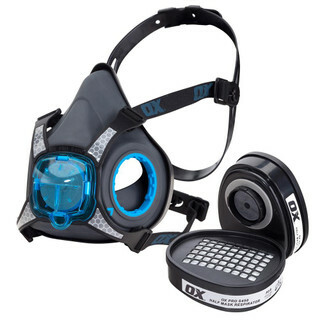
- Cutting slabs, chasing walls, and mixing dusty materials is where OX dust masks and face protection come into their own, helping keep fine muck out your lungs on the jobs that really kick up.
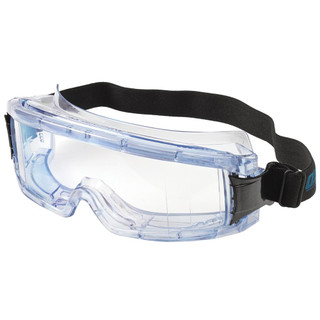
- Grinding fixings, trimming metal, and drilling overhead are proper uses for OX safety goggles, especially where flying chips and grit keep finding their way round standard specs.
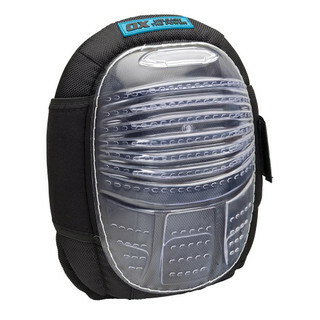
- Kneeling out floors, fixing skirting, and working low on first and second fix is exactly why lads keep OX knee pads in the van, so you're not wrecking your joints by midweek.
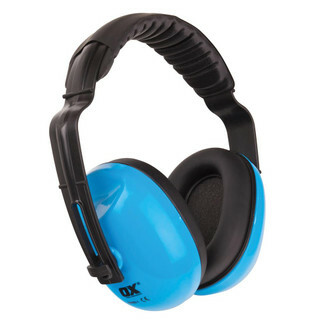
- Running breakers, cutters, and other loud kit all day is where OX ear defenders matter, taking the edge off constant site noise before it leaves your hearing shot.
- General site compliance, snagging, and day to day protection are what OX safety gear is there for, whether you're a trade on the tools or a labourer moving through active work areas.
Choosing the Right OX PPE
Sorting the right kit is simple: match the protection to the actual hazard, not just whatever is cheapest on the shelf.
1. Eye Protection for Open or Sealed Use
If you're doing general cutting, fixing, or bench work, safety glasses may be enough. If you're grinding, drilling overhead, or working where dust blows back into your face, go for sealed goggles instead and save yourself the constant eye flushing.
2. Hearing Protection for Short Bursts or Full Shifts
If the noisy job is occasional, a simple set of defenders will cover you. If you're on breakers, saws, or grinders for hours, pick OX ear defenders you will actually keep on all shift, because protection is no use hanging round your neck.
3. Knee Pads for Light Fit-Out or Constant Kneeling
If you're only dropping down now and then, a basic pair will do. If you're flooring, fixing skirting, or doing kitchen and joinery work all day, get knee pads with decent support and straps that do not cut in or slide round your legs.
4. Masks and Respirators for the Dust You Make
Do not buy a basic mask for heavy masonry dust and expect miracles. If you're cutting concrete, sanding filler, or clearing out fine debris, choose the right OX dust masks or respirator level for that muck, otherwise you're just wearing it for show.
Who Uses These on Site?
- Brickies, groundworkers, and demo crews reach for OX PPE when the work gets dusty, noisy, and hard on the knees, especially during cutting, breaking, and clean-down.
- Sparkies and plumbers use this sort of OX safety equipment for chasing walls, drilling service runs, and working in ceiling voids where dust and debris drop straight back at you.
- Floor layers, fitters, and chippies swear by OX knee pads because they're up and down all day on hard surfaces, not just kneeling for five minutes at a time.
- Site managers and maintenance teams keep OX safety gear handy for quick issue to visitors, short-term contractors, or anyone stepping into active work zones without the right protection.
The Basics: Understanding OX PPE
PPE is there to reduce the risk from the job in front of you. The trick is knowing which bit of protection deals with which hazard, so you're not under-protected or wearing the wrong thing all day.
1. Eye Protection Means Coverage
Safety glasses deal with basic impact and general site debris. Goggles give a more sealed fit, which matters when you're grinding, chasing, or working overhead and dust can get round the sides.
2. Hearing Protection Means Noise Reduction
Ear defenders cut down the noise from breakers, saws, grinders, and other plant. The right pair makes loud work safer to stay on, especially when the job runs all day and the noise never really stops.
3. Respiratory Protection Means Matching the Dust
A mask only helps if it suits the dust you're creating. Fine plaster, masonry, and sanding dust need proper filtration, while face shields are more about stopping splashes and flying debris than what you breathe in.
OX PPE Extras That Make Site Life Easier
A few sensible add-ons stop your protection becoming a nuisance halfway through the shift.
1. Spare Dust Masks and Respirator Filters
Do not run a dusty job with the last mask in the van. Keeping spares or replacement filters means you can swap out clogged protection instead of trying to squeeze another day out of kit that's already spent.
2. Protective Cases or Storage Boxes
Chuck goggles in loose with drill bits and fixings and they will come out scratched. A proper storage case keeps lenses clear and straps usable, which is a lot better than finding damaged eye protection when the grinder is already out.
3. Replacement Knee Pad Straps or Spare Pairs
Knee pads usually fail at the straps before the padding gives up. Keeping a spare pair on hand saves you finishing a floor on bare knees because the old set finally gave out that morning.
Choose the Right OX PPE for the Job
Pick your protection by the mess, noise, and strain the job actually throws at you.
| Your Job | Category or Type | Key Features |
|---|---|---|
| Chasing walls, cutting block, or sanding filler | Dust masks and respirators | Suitable dust rating, secure fit, low clogging, comfortable enough for extended wear |
| Grinding, drilling overhead, or working with flying debris | Safety goggles | Sealed eye coverage, clear lenses, comfortable strap, protection from side entry dust |
| Using breakers, grinders, or cut off saws all shift | Ear defenders | Good noise reduction, stable fit, enough comfort to keep them on for long periods |
| Flooring, skirting, or kitchen fitting | Knee pads | Reliable support, padding that lasts, straps that stay put, all day comfort on hard floors |
| General site movement and visitor issue | Mixed PPE essentials | Fast to fit, easy to store in the van, suitable for short notice access to active work areas |
Common Buying and Usage Mistakes
- Buying one type of protection for every job is the usual mistake. Safety glasses, goggles, masks, and defenders all do different jobs, so match the kit to the hazard or you will still end up exposed.
- Choosing knee pads on price alone normally ends with straps twisting, padding flattening, and sore knees by the end of the week. If you kneel for a living, buy for comfort and fit first.
- Letting masks, goggles, and defenders roll about loose in the van shortens their life fast. Store them properly or expect scratched lenses, damaged seals, and kit you stop trusting.
- Wearing ear defenders only for the loudest few minutes misses the point. Hearing damage builds over the whole shift, so keep them on whenever the noisy kit is running.
- Trying to get one more job out of worn PPE is false economy. Once straps fail, lenses scratch badly, or masks stop sealing properly, replace them and move on.
Goggles vs Safety Glasses vs Face Masks
Goggles
Best where dust, grit, and flying fragments get round the sides of normal eye protection. They are the better pick for grinding, chasing, and overhead drilling, but they can feel warmer over a long shift.
Safety Glasses
Best for lighter general site work where you still need impact protection without a full seal round the eyes. They are quicker to throw on and more comfortable for moving between tasks, but they do not block drifting dust as well as goggles.
Face Masks and Respirators
These protect your breathing, not your eyes, so do not treat them as a swap for goggles. They matter most on dusty cutting, sanding, and strip-out work where the real risk is what stays in the air after the first cut.
Maintenance and Care
Clean After Dusty Work
Wipe goggles, ear defenders, and knee pads down after dusty or wet jobs. Fine site dust gets into seals, straps, and hinges and soon makes decent kit uncomfortable to wear.
Check Straps and Seals
Have a quick look at elastic straps, clips, and face seals before each job. Once they stretch out or split, the protection stops fitting properly and you lose the benefit of wearing it.
Store It Out of the Van Mess
Keep PPE in a box, case, or clean bag rather than under tools and fixings. That stops lenses scratching, masks getting crushed, and defenders picking up damage you only notice once the job has started.
Replace Worn Consumables Promptly
Dust masks, filters, and badly marked lenses are not worth stretching out for another day. When breathing gets harder or visibility drops off, swap them before they slow you down or leave you under protected.
Repair Versus Replace
If a strap or pad can be sensibly replaced, fair enough. If the shell, frame, seal, or structure is damaged, bin it and get fresh kit because patched up PPE is no bargain on a live site.
Why Shop for OX PPE at ITS?
Whether you need OX Ear Defenders, OX Goggles, OX Knee Pads, or OX Masks, Face Shields and Respirators, we stock the full OX Workwear and PPE range for real site use. It is all held in our own warehouse, in stock, and ready for next day delivery when the job cannot wait.
OX PPE FAQs
What PPE does OX make?
OX covers the core site essentials most trades actually use and replace regularly. That includes OX ear defenders, OX safety goggles, OX knee pads, and OX dust masks, along with other face and eye protection for dusty, noisy, and hard-wearing work.
Are OX PPE products any good?
Yes, for day to day trade use they are solid kit. OX PPE is aimed at working sites, not shelf display, so the focus is on practical comfort, decent durability, and straightforward protection you will actually keep wearing through the shift.
What PPE is required on a building site?
That depends on the site rules and the task, but the usual basics are head protection, hi vis, safety boots, and whatever eye, hearing, hand, knee, or respiratory protection the job calls for. The key thing is matching the PPE to the actual risks, not just ticking a box at the gate.
What is the difference between goggles and safety glasses?
Safety glasses protect against general front and side impact, but they stay more open around the face. Goggles give a closer seal, so they are better when dust, grit, or fragments can get in from the sides or when you're working overhead.
Do OX ear defenders meet safety standards?
Yes, OX ear defenders are made for hearing protection work and should be checked against the product listing for the exact rating and certification. That is the bit to look at before buying, especially if you are using loud cutting or breaking kit for long periods.
Will OX knee pads stay comfortable on long flooring jobs?
They are built for repeated kneeling rather than the odd quick drop to the floor, but comfort still comes down to fit and strap design. If you are kneeling all day, choose a pair that stays in place without pinching behind the knee.