OX Tools Masks, Face Shields & Respirators
OX dust masks keep harmful site dust out your lungs, whether you're cutting block, sanding filler, or chasing walls on a dirty refurb.
If you're working around plaster, timber dust, brick, or concrete fines, this is kit you do not skip. OX respirators and face masks are built for proper site protection, with options from quick-grab disposables to reusable masks for regular dusty work. Pair the right rating to the material, get a decent fit, and buy for the job in front of you.
What Are OX Dust Masks Used For?
- Cutting concrete blocks, chasing masonry, or drilling overhead calls for OX dust masks that help stop fine dust getting straight into your lungs on heavy first fix and refurb work.
- Sanding filler, jointing compound, plaster, or painted surfaces is where OX face masks earn their keep, especially indoors where dust hangs in the air long after the tool stops.
- Working with timber sheet materials, MDF, and softwood in workshops or on second fix jobs is a solid use for OX respirators when sawdust builds up across a full shift.
- Clearing out lofts, garages, and old plant rooms suits OX safety masks well, as they help with dusty insulation, debris, and general airborne muck during strip-out.
- Using OX face shields alongside masks makes sense on messy cutting and grinding jobs where you need both breathing protection and cover from flying chips and dust.
Choosing the Right OX Dust Masks
Sorting the right mask is simple: match it to the dust you are making, not just what feels cheapest on the day.
1. FFP2 or FFP3
If you are sanding timber, plaster, or general building materials, FFP2 is often enough for lighter airborne dust. If you are cutting concrete, brick, stone, or working in heavier fine dust, step up to FFP3 and do not mess about.
2. Disposable or Reusable
If you just need grab-and-go cover for short, dirty tasks, disposable masks are quick and easy. If you are in dust day after day, a reusable half mask makes more sense for comfort, fit, and long-term value.
3. Valve and Fit
If you are grafting hard or wearing a mask for long periods, a valved design helps with heat build-up. More important still, make sure it seals properly round the nose and cheeks, because a poor fit ruins even a good mask.
4. Full Face Protection on Messy Jobs
If the job throws dust and debris back at you, think beyond the mask alone. Add eye protection or a face shield so you are not stopping every five minutes to clear grit from your eyes.
Who Uses These on Site?
- Brickies, demo crews, and groundworkers rely on OX dust masks when cutting block, raking joints, or breaking out old concrete, because that fine dust gets everywhere fast.
- Sparkies and plumbers keep OX respirators handy for chasing walls, core drilling, and working in ceiling voids where old dust and debris drop straight into your breathing space.
- Chippies and kitchen fitters use OX face masks for MDF, sheet timber, and repeated saw work, especially on indoor jobs where the room fills up before you notice it.
- Decorators and snagging teams reach for OX safety masks when sanding filler and prepping tired surfaces, as they keep the dust down without slowing the job right up.
- Anyone sorting full protection can match these with OX PPE when the job needs more than just a mask.
The Basics: Understanding OX Dust Masks
The main thing to understand is the mask rating and the type of protection it gives. Get that right and you are far more likely to end the shift without a chest full of dust.
1. FFP2 Masks
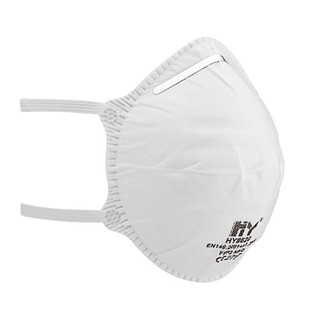
FFP2 masks are suited to lower to medium dust exposure on site. Think plaster dust, timber dust, and general sanding where you need dependable filtration for regular trade jobs.
2. FFP3 Masks
FFP3 masks give a higher level of filtration for finer and more hazardous dust. They are the better call for concrete, masonry, and other heavy dust jobs where the air turns filthy quickly.
3. Dust Mask vs Respirator
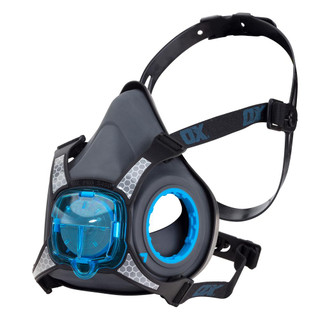
A simple disposable dust mask is handy for short tasks and lighter dust. A respirator, usually a reusable half mask with replaceable filters, is the better option for repeated use, longer shifts, and tougher site conditions.
OX Mask Accessories and Matching PPE That Make Sense
The right add-ons stop small problems turning into a wasted shift or an unsafe one.
1. Replacement Filters
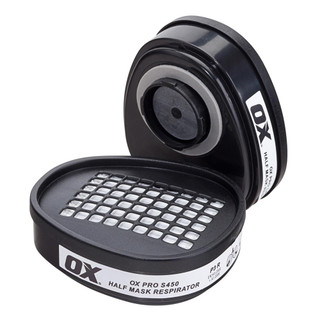
If you are running a reusable mask, spare filters are a must. Old clogged filters make breathing harder and tempt lads to keep using kit that is past its best.
2. Eye Protection
Dust in the lungs is bad enough, but dust in the eyes stops the job altogether. Add OX Goggles when you are cutting, grinding, or drilling overhead.
3. Disposable Back-Up Masks
Keep a box of OX Disposable Face Masks in the van for visitors, quick jobs, or when someone forgets their usual gear.
4. Hearing Protection
Most dusty jobs are noisy ones too. Match your mask with OX Ear Defenders when the grinder, breaker, or disc cutter is out all day.
Choose the Right OX Dust Masks for the Job
Use this quick guide to avoid buying the wrong level of protection.
| Your Job | Mask Type | Key Features |
|---|---|---|
| Light sanding and general clean-up | FFP2 disposable mask | Quick to fit, decent for lighter airborne dust, easy to keep in the van |
| Cutting MDF and sheet timber all day | Reusable half mask | Better comfort over long shifts, replaceable filters, more secure fit |
| Chasing walls and drilling masonry | FFP3 mask or respirator | Higher filtration for fine brick and concrete dust, better for heavy site work |
| Grinding or messy overhead cutting | Mask with goggles or face shield | Breathing protection plus coverage from flying grit and debris |
| Regular dusty trade work every week | OX Half Face Masks | More durable, better seal, easier to use repeatedly than throwaway masks |
Common Buying and Usage Mistakes
- Buying on price alone is a false economy. A cheap mask with the wrong rating or a poor seal will not give proper protection once the dust gets heavy.
- Using FFP2 for heavy concrete and masonry cutting is a common slip. Step up to FFP3 or a proper respirator when the dust is finer and more aggressive.
- Wearing a mask loose round the nose ruins the whole point of it. If air is leaking out into your eyes, dust is getting in as well, so adjust it or change the fit.
- Trying to stretch disposable masks across too many jobs soon leaves you with clogged, damp kit that is harder to breathe through. Replace them before performance drops off.
- Forgetting the rest of your PPE is asking for trouble. Dusty cutting usually means noise and flying debris too, so cover your eyes and ears as well as your lungs.
Disposable Masks vs Half Masks vs Face Shields
Disposable Masks
Best for short jobs, quick clean-ups, and keeping spare protection in the van. They are simple and convenient, but they are not the best choice if you are breathing dust all day, every day.
Half Masks
These suit regular trade use where comfort and a reliable seal matter more. If you are sanding, cutting, or chasing week in, week out, a half mask is usually the smarter long-term buy.
Face Shields
A face shield protects against flying debris and splashes, but it is not a substitute for proper respiratory protection. Use one with a mask when the job is especially messy or aggressive.
Maintenance and Care
Replace Disposable Masks Promptly
Once a disposable mask is clogged, damp, damaged, or losing shape, bin it. Trying to drag another day out of it just makes breathing harder and protection worse.
Check Seals and Straps
Before each shift, look for stretched straps, split edges, or nose pieces that no longer sit right. A mask only works if it still fits properly.
Clean Reusable Masks After Dusty Work
Wipe reusable masks down after use and keep the face seal free from dust build-up. Let everything dry properly before it goes back in the bag or locker.
Store Them Clean and Flat
Do not leave masks crushed under tools or rattling around with rubble in the van. Store them clean and protected so the shape and seal stay usable.
Change Filters When Breathing Gets Harder
On reusable OX respirators, harder breathing is your warning sign. Swap filters before they are completely spent or you will end up working harder than you need to.
Why Shop for OX Dust Masks at ITS?
Whether you need a few OX FFP2 masks for light prep work or reusable OX respirators for regular cutting and chasing, we stock the full range. That means disposable masks, half masks, and matching site PPE, all in our own warehouse and ready for next day delivery.
OX Dust Masks FAQs
What is the difference between FFP2 and FFP3 masks?
FFP3 gives a higher level of filtration than FFP2, so it is the better pick for finer, heavier dust like concrete, brick, and masonry. FFP2 is more suited to lighter site dust such as timber, plaster, and general sanding. If the air is properly thick with dust, go higher rather than hoping for the best.
When should you wear a dust mask?
Wear one any time the job puts dust into the air that you are likely to breathe in. That means sanding, sawing MDF, drilling masonry, chasing walls, sweeping out dry debris, or stripping old areas where dust lingers. If you can see it hanging in the air, you should not be breathing it.
Are OX dust masks any good?
Yes, for trade use they are a solid bit of kit. OX kit is aimed at site work rather than light DIY, so the masks are built around practical ratings, usable fit, and straightforward protection. As ever, the real answer depends on picking the right mask for the dust and making sure it seals properly.
What mask do I need for cutting wood or concrete?
For wood cutting and sanding, an FFP2 mask is often suitable for lighter dust, though a reusable respirator is better for all-day use. For concrete, brick, and other masonry cutting, go for FFP3 or a proper respirator with the right filters, because the dust is finer, harsher, and far worse for you.
What is the difference between a dust mask and a respirator?
A dust mask is usually a disposable option for shorter jobs and lighter use. A respirator is normally reusable, gives a more secure fit, and uses replaceable filters, which makes it the better choice for repeated dusty work, longer shifts, and tougher site conditions.
Can I use a face shield on its own for dusty cutting?
No. A face shield protects your face from flying debris, but it does not seal round your nose and mouth like a proper mask or respirator. Use it as extra protection, not as a replacement for breathing protection.