OX Tools Drill Bits
OX drill bits cover the site basics properly, from masonry and timber to metal and SDS drilling, with bits that stay true and put up with hard daily use.
If you're drilling block for fixings in the morning, timber noggins after lunch, and steel trunking before home time, this is the sort of range that saves carrying three half-dead sets. OX drill bits are built for real trade use, with OX masonry drill bits for brick and block, OX wood drill bits for clean timber work, OX HSS drill bits for metal, and OX SDS drill bits when the job turns heavier. If you want an OX drill bit set that matches the work on your van, start here and buy for the material, not just the hole size.
What Are OX Drill Bits Used For?
- Drilling brick, block and mortar for plugs, clips and bracket fixings is where OX masonry drill bits earn their keep, especially on first fix and snagging jobs where you need clean holes that do not wander.
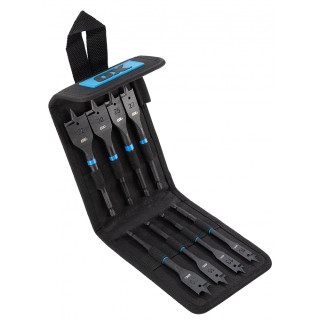
- Boring timber studwork, joists and sheet material for pipe runs, cabling or general carpentry is straightforward with OX wood drill bits, giving you faster starts and less tearing on visible work.
- Putting holes through steel conduit, trunking, angle, sheet and other metal sections is the job for OX HSS drill bits, particularly when fitters and fabricators need a bit that cuts cleanly without burning out too quickly.
- Hammer drilling larger or deeper holes into hard concrete and dense masonry is exactly what OX SDS drill bits are for, making lighter work of anchor points, resin holes and repetitive site drilling.
- Working across mixed materials on refurbs or maintenance calls is where an OX drill bit set makes sense, because you have the main sizes and types together instead of rooting through the van for odd singles.
Choosing the Right OX Drill Bits
Sorting the right bit is simple: match it to the material first, then the drill you are using. Get that wrong and you will waste time, blunt bits and wreck the finish.
1. Match the Bit to the Material
If you are drilling brick, block or concrete, go straight to OX masonry drill bits or OX SDS drill bits depending on the size and depth. If you are drilling timber, use OX wood drill bits. If it is steel or other metals, use OX HSS drill bits. One bit will not do all three properly, no matter how hard you lean on it.
2. Standard Shank or SDS
If you are using a combi drill for plugs and light fixing work, standard masonry bits are usually enough. If you are on a rotary hammer all day, drilling anchors into concrete or pushing bigger diameters, buy OX SDS drill bits and save your wrists and your drill.
3. Singles or a Set
If you keep burning through the same two sizes, buy singles and keep spares. If your work jumps between materials and fixing sizes, an OX drill bit set is the sensible buy because it keeps the common sizes together and stops the usual van hunt for missing bits.
4. Think About Finish as Well as Speed
For hidden fixing holes, speed matters most. For visible joinery, sanitaryware, splashbacks or finished surfaces, pick the bit that cuts cleaner and starts more accurately. That is where the right geometry matters more than brute force.
Who Uses These on Site?
- Sparkies use OX drill bits for cable routes, back box fixings and tray work, usually keeping masonry, HSS and wood options in one case so they can swap as the job changes room by room.
- Chippies and joiners reach for OX wood drill bits when they are first fixing stud walls, fitting kitchens or boring clean holes through joists and carcasses without ragging the timber to bits.
- Plumbers and heating engineers rely on OX masonry and SDS bits for clips, brackets and pipe supports, especially on refurbs where every wall seems to be a different density.
- General builders and maintenance teams swear by an OX drill bit set because site work rarely stays on one material for long, and it is easier having one dependable set on the van than a mix of worn out loose bits.
- Tilers and bathroom fitters use specialist drilling options for brittle finishes, and if that is your job it is worth looking at OX tile, glass and diamond drill bits for cleaner starts on tiles and sanitary ware.
The Basics: Understanding Drill Bit Types
The main thing to understand is that each bit type cuts in a different way. Pick the right one for the material and the hole goes in faster, cleaner and with far less grief.
1. Masonry Bits
These are made for brick, block, mortar and lighter concrete. The tip is built to work with hammer action, so the bit crushes and clears hard material instead of trying to slice it like timber or metal. That means straighter holes for plugs and fixings.
2. HSS Bits
HSS drill bits are for metal and also handy for some plastics. They cut by shaving material away, so you want steady pressure and sensible speed rather than hammer mode. Use these on steel, conduit, brackets and sheet.
3. SDS Bits
SDS refers to the shank that locks into an SDS drill, letting the bit hammer hard without slipping in the chuck. On site, that means quicker progress in dense concrete and less faff when you are drilling repeated fixing holes.
Accessories That Keep Your Drilling Moving
The right extras stop simple drilling jobs turning into a stop start mess halfway through the day.
1. Drill Bit Sets and Storage Cases
A proper case saves you from loose bits rolling round the van, getting chipped, or disappearing just when you need the one common size. If you jump between masonry, wood and metal, a sorted case saves real time.
2. Dust Extraction and Drilling Guides
If you are drilling finished homes, offices or customer spaces, dust control and simple guides stop you showering the place in brick dust and help keep starts accurate on awkward surfaces.
3. Tile and Diamond Bits
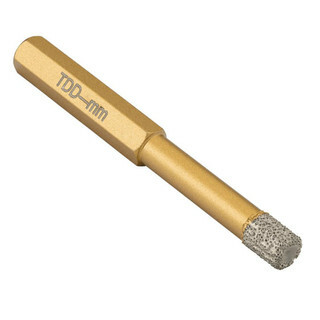
Standard masonry bits are a quick way to crack a tile. For bathrooms, kitchens and porcelain surfaces, use the proper specialist bits from OX tile, glass and diamond drill bits instead.
4. Related Cutting and Driving Accessories
A lot of drilling jobs roll straight into cutting or fixing, so it is worth pairing your bits with OX angle grinder discs for trimming metal or masonry and OX screwdriver bits and bit holders for driving fixings once the holes are in.
Choose the Right OX Drill Bits for the Job
Use this quick guide to avoid buying the wrong bit for the material in front of you.
| Your Job | Bit Type | Key Features |
|---|---|---|
| Drilling plugs and fixings into brick or block | OX masonry drill bits | Hammer drill compatible tip, clean starts, suited to everyday site fixing work |
| Drilling deeper or larger holes into concrete | OX SDS drill bits | SDS shank, built for rotary hammers, faster progress in dense material |
| Boring timber, studwork and sheet material | OX wood drill bits | Fast starts, cleaner exit holes, better control in soft and hard timber |
| Drilling conduit, brackets and metal sections | OX HSS drill bits | Metal cutting profile, cleaner holes in steel, no hammer action needed |
| General van stock for mixed maintenance jobs | OX drill bit set | Common sizes together, less downtime, easier to swap between materials |
Common Buying and Usage Mistakes
- Using an HSS bit on brick or concrete is a fast way to blunt it and make no real progress. Use masonry or SDS bits for mineral materials and keep HSS for metal.
- Putting a standard masonry bit in dense concrete and expecting SDS speed usually ends in overheated bits and wasted time. If the job is heavy, step up to OX SDS drill bits and the right drill.
- Hammer drilling into tiles is how you crack finished surfaces before the room is even signed off. Use the proper tile bit, start carefully, and only switch method when you are through the glaze if the material allows it.
- Buying one mixed set and assuming it covers every material properly can catch you out on site. Check whether you need wood, metal, masonry or SDS bits most often, then buy the range that matches your actual work.
- Running bits blunt for too long gives you rougher holes, more heat and extra strain on the drill. Once a bit stops cutting cleanly, replace it before it slows the whole job down.
Masonry Bits vs HSS Bits vs SDS Bits
OX Masonry Drill Bits
These are the everyday choice for brick, block and mortar using a combi drill. They are quicker to grab for standard fixing holes, but they are not the best option when you hit hard concrete all day.
OX HSS Drill Bits
HSS bits are for metal, not masonry. Use them on steel brackets, trunking and sheet where you want a clean cut, but keep them well away from hammer mode or abrasive brickwork.
OX SDS Drill Bits
SDS bits are the heavy hitters for concrete and repeated drilling. They need the right drill, but if you are doing anchors, deep holes or harder substrates, they make standard chuck bits feel slow and under-gunned.
Sets vs Singles
An OX drill bit set is best for mixed work, service calls and van stock. Singles make more sense when you know exactly which sizes wear out fastest and you do not want to keep rebuying a full case for one missing bit.
Maintenance and Care
Clean Dust and Swarf Off After Use
Brick dust and metal swarf left on bits soon turn a tidy set into a rusty mess. Wipe them down before they go back in the case, especially after damp outside work.
Store by Type and Size
Keep masonry, wood and HSS bits separated so you are not grabbing the wrong one in a rush. A proper case also protects the cutting edges from getting knocked about in the van.
Do Not Overheat Metal Bits
If an HSS bit is discolouring blue, you are running it too hot. Back off, use the right speed, and let the bit cut rather than forcing it through steel.
Replace Blunt or Chipped Bits Early
A worn bit does not just drill slower. It wanders, overheats and leaves rough holes. Once the tip is chipped or the cutting edge is gone, bin it and fit a fresh one.
Keep the Full Accessory Range Together
If you already run other OX power tool accessories, store them together by job type. It saves time on site and stops the usual mix up between drilling, cutting and driving gear.
Why Shop for OX Drill Bits at ITS?
Whether you need a single replacement masonry bit, a full OX drill bit set, or specialist options for timber, metal and SDS work, we stock the proper range. It is all in our own warehouse and ready for next day delivery, so you can get the right bits on the van without hanging about.
OX Drill Bits FAQs
What drill bits do I need for masonry?
For brick, block, mortar and lighter concrete, use masonry drill bits with a combi drill on hammer mode. If you are drilling bigger holes or working into hard concrete all day, use OX SDS drill bits in an SDS drill instead. That gives you faster drilling, less strain on the tool and cleaner holes for fixings.
What is the difference between HSS and masonry drill bits?
HSS drill bits are for metal and cut by shaving material away. Masonry bits are for brick, block and concrete and are designed to work with hammer action. Use HSS on steel, conduit and brackets. Use masonry bits on mineral materials. Swap them round and you will either blunt the bit or get nowhere fast.
Are OX drill bits any good?
Yes, they are a solid trade choice for everyday site work. OX kit is aimed at hard use, and the drill bit range covers the materials most trades hit daily. They are not magic and they still need matching to the right job, but for regular drilling in masonry, timber and metal, they are built to take proper van and site abuse.
What drill bit for tiles?
Use a tile, glass or diamond bit, not a standard masonry bit straight onto the finish. Tiles can crack easily if the bit skates or the hammer action is used too early. For that sort of work, pair your drilling kit with OX tiling tools so you can prep and fit the job properly from start to finish.
What does SDS mean on a drill bit?
SDS refers to the slotted shank system that locks into an SDS drill. It lets the bit move correctly under hammer action and stops it slipping in the chuck. In plain site terms, SDS bits are for heavier masonry and concrete drilling where a normal chuck bit would struggle.
Will one OX drill bit set cover wood, metal and masonry?
Some mixed sets will cover the basics, but always check what is actually inside. A lot of trades are better off keeping dedicated masonry, wood and HSS bits rather than assuming one box does the lot. It depends whether you want a general van set or proper coverage for one material you drill every day.