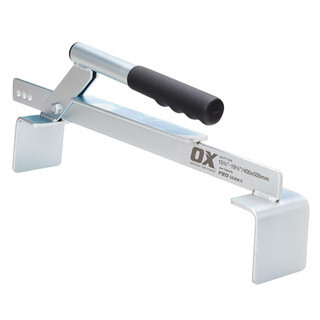
OX Tools Load Carrying & Weight Bearing
OX load carrying tools take the strain out of shifting bricks and site materials, giving you a safer, quicker way to move weight without wrecking your hands.
If you're carting stacks of bricks, blocks, or awkward site loads all day, this is the kit that saves your grip and your back. OX weight bearing tools are made for brickies, labourers, and groundworkers who need gear that clamps properly, carries cleanly, and stands up to rough site use. You'll find OX brick carriers here that make repeated lifts quicker and more controlled, especially on first lift, scaffold runs, and busy build days. If you're already using OX bricklaying tools or other OX hand tools, this is the sort of practical handling kit worth adding to the van.
What Are OX Load Carrying Tools Used For?
- Shifting bricks from pallet to work area is quicker with OX brick tongs and carriers, especially when you are feeding a brickie all day and cannot keep wasting time on single armfuls.
- Working on scaffold lifts is safer when loads are clamped properly, giving you a steadier carry and less chance of loose bricks slipping about mid-walk.
- Moving blocks, packs, and other awkward building materials around tight plots or refurbs is easier when you have proper OX material handling tools instead of just guessing the lift.
- Cutting hand strain on repetitive carrying jobs matters on long site days, and OX weight bearing tools help spread the load so you are not wrecking fingers and forearms before lunch.
Choosing the Right OX Load Carrying Tools
Sorting the right one is simple: match it to the load you carry most, not the odd job you do once a month.
1. Brick Carriers vs General Lifting Tools
If you are mainly moving bricks all day, go straight for a proper brick carrier or brick tongs. If the job is more mixed and you are handling different shapes and weights, a broader material handling tool makes more sense.
2. Grip and Clamp Action
If the carrier does not clamp cleanly and stay put when loaded, it will just slow you down. For repetitive site work, pick one with a secure action that does not need constant fiddling between lifts.
3. Weight of the Load
Do not buy light-duty carrying kit for heavy brick and block work. If you are doing full days on new build or commercial jobs, you need OX load carrying tools built for repeated weight, not occasional garden use.
4. Site Conditions and Handling Space
If you are working on narrow scaffold boards, uneven ground, or tight access refurbs, control matters as much as capacity. A slightly smaller, steadier carry is usually better than overloading and fighting the tool every trip.
Who Uses These on Site?
- Brickies use these for moving bricks from stacks to the line because it keeps the work flowing and cuts down wasted trips across the plot.
- Labourers swear by them on busy housing sites where they are feeding scaffold lifts all day and need to carry more in one go without losing control.
- Groundworkers and general builders use OX lifting tools when shifting dense, awkward materials around site where a bare-handed lift is slow, uncomfortable, and more likely to go wrong.
- Small building teams often keep one in the van alongside OX buckets and tubs for moving mixed site materials without making every job a two-man carry.
Useful Add Ons for OX Load Carrying Jobs
A few simple extras make carrying and moving materials round site quicker, cleaner, and less of a faff.
1. OX Tool Belts and Pouches
Keep your gloves, line pins, tape, and small hand tools on you instead of dumped near the stack. Have a look at OX tool belts and pouches if you are constantly walking back for bits between carries.
2. Buckets and Tubs
For rubble, muck, mortar waste, or loose materials, a carrier is not always the answer. Keeping OX buckets and tubs nearby saves trying to shift awkward loose loads by hand.
Choose the Right OX Load Carrying Tools for the Job
Use this quick guide to match the tool to the load and the way you work.
| Your Job | Category or Type | Key Features |
|---|---|---|
| Feeding a brickie on a new build | Brick carrier | Fast repeat lifts, secure clamp, better control walking from pallet to line |
| Moving bricks onto scaffold lifts | Brick tongs | Compact carry, good balance, easier handling in tighter spaces |
| Shifting mixed dense materials round site | General lifting tool | Better suited to awkward shapes, tougher repeated handling, less hand strain |
| Working in narrow access or refurbs | Lower capacity carrier | More control, safer footwork, less chance of clipping walls or snagging access points |
Common Buying and Usage Mistakes
- Buying purely on maximum capacity is a common mistake, because a bigger carry is no good if you cannot control it safely on scaffold boards or rough ground. Match the tool to the route as well as the load.
- Using brick carriers for mixed loose materials wastes time and usually ends in dropped loads. If it is rubble, muck, or loose offcuts, use tubs or buckets instead.
- Ignoring the clamp action causes trouble fast, because a poor grip means constant readjusting and slower work. Check that the tool holds firmly without slipping once loaded.
- Overloading to save one extra trip often does the opposite, as it slows your walk, tires your hands, and raises the chance of a spill. A steady repeat lift is quicker over the day.
Brick Carriers vs Brick Tongs vs General Lifting Tools
Brick Carriers
Best when you are moving standard brick loads repeatedly from stack to work area. They are the right choice for speed and rhythm on bricklaying jobs, but less useful once materials get too mixed or awkward in shape.
Brick Tongs
A solid option where access is tighter and you want a more compact carry. They suit scaffold work and shorter runs well, though capacity can be more limited than larger carriers.
General Lifting Tools
These make more sense when the day is not just bricks and you are shifting blocks or other dense materials as well. They give you broader use, but they are not as specialised or as quick for repetitive brick handling.
Maintenance and Care
Clean Off Mortar and Grit
Brush off dried mortar, dust, and grit after use so the clamp action stays smooth. Let that build up and the tool becomes awkward to load and release properly.
Check Moving Parts
If the tool has pivot points or sliding sections, give them a quick check for stiffness, wear, or damage before the next shift. A sticky action slows every lift and can affect grip on the load.
Store It Dry
Do not leave carrying tools buried under wet site gear in the back of the van. Dry storage helps prevent rust, keeps the mechanism working properly, and stops handles getting slick or damaged.
Replace Bent or Worn Kit
If the frame is bent or the grip is worn enough to affect holding power, retire it. Carrying tools only earn their keep when they hold loads properly and predictably every time.
Why Shop for OX Load Carrying Tools at ITS?
Whether you need brick carriers, brick tongs, or other OX material handling tools for day-to-day site work, we stock the proper range in one place. That means the OX load carrying tools you need are in our own warehouse, in stock, and ready for next day delivery when the job cannot wait.
OX Load Carrying Tools FAQs
What is a load carrying tool?
A load carrying tool is a hand tool designed to help you lift and move heavy materials with better grip, balance, and control. On site, that usually means carrying bricks, blocks, or other dense materials faster and with less strain on your hands and back.
What is a brick carrier used for?
A brick carrier is used for moving multiple bricks in one go from the pallet to the line, scaffold, or work area. It saves time on repetitive runs and gives you a steadier, more secure hold than trying to arm-carry them loose.
How many bricks can a brick carrier hold?
That depends on the design and the brick size, so always check the product spec first. In real use, the right answer is not just the maximum number, but the number you can carry safely and steadily without fighting the load.
Are OX brick carriers any good?
Yes, they are a solid choice for regular site use. OX brick carriers are built for trade handling, with the kind of clamp and frame strength you want when the tool is getting used hard on new builds, scaffold runs, and repeated daily lifts.
What tools help lift heavy materials safely?
Brick carriers, brick tongs, and other purpose-made lifting and material handling tools all help, because they improve grip and let you move weight in a more controlled way. The safest option is always the tool designed for that exact load rather than making do by hand.
Are these just for bricklayers?
No. Brickies use them most, but labourers, builders, and groundworkers all get use from them when they are shifting dense materials repeatedly. If your day involves lots of carrying from stack to work face, they earn their keep quickly.