OX Tools Cutting Tools
OX cutting tools are built for clean, hard site cuts, from trimming sheet and pipe to scoring tiles and opening packs without wrecking the job.
When you're cutting all day, cheap blades and sloppy snips soon start costing you time. This OX cutting tool set range covers the bits trades actually reach for on site, including ox knives and blades, ox snips, ox tile cutters and ox pipe cutters that are made to stay sharp, feel solid in hand and put up with daily abuse. Pick the right ox cutting equipment for the material in front of you and get it done properly.
What Are OX Cutting Tools Used For?
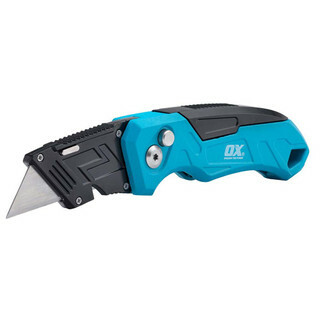
- Cutting plasterboard, insulation, membranes and packaging on first fix jobs is where ox knives and blades earn their keep, especially when you need a clean slice without tearing the material to bits.
- Trimming trunking, plastic pipe and conduit on electrical and plumbing work is quicker with the right ox cutting tools, saving you fighting with blunt blades or ragged edges that need dressing back.
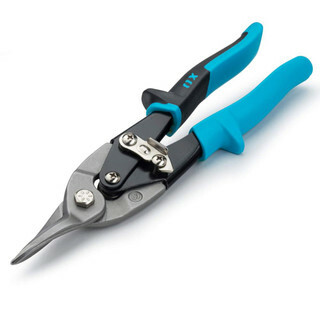
- Snipping sheet metal, mesh, straps and thin profiles during roofing, ducting and general fit-out is exactly the sort of awkward work ox snips are built to handle.
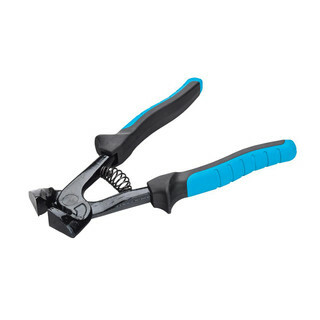
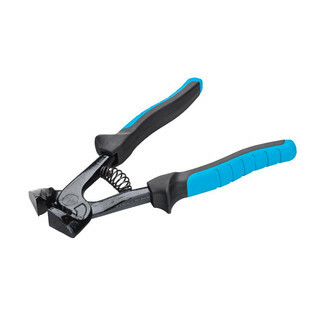
- Scoring and snapping porcelain, ceramic and wall tiles on kitchens, bathrooms and commercial refurbs is made easier with ox tile cutters that keep cuts straight and reduce waste.
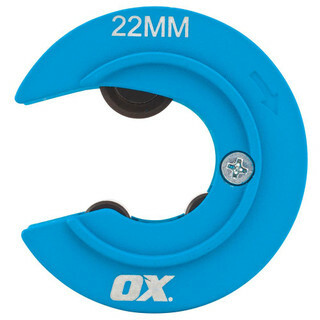
- Cutting copper, plastic and multilayer pipe on install and repair work is a proper job for ox pipe cutters, giving you a neater finish that is ready for fittings without extra faff.
Choosing the Right OX Cutting Tools
Match the cutter to the material first. Using the wrong bit of kit is how you ruin the cut, the blade and your patience.
1. Knife, Snips or Cutter
If you are trimming plasterboard, insulation, wraps or general site materials, go for ox knives and blades. If you are cutting sheet metal, straps or mesh, use ox snips. If it is tile or pipe, buy the proper ox tile cutters or ox pipe cutters and save yourself a lot of grief.
2. Daily Use or Occasional Use
If the tool lives in your hand most of the day, pay attention to grip, blade changes and how solid it feels under load. For occasional snagging or odd cuts, a simpler ox cutting tool set can make more sense than buying specialist pieces one by one.
3. Material Thickness Matters
Do not buy light-duty snips for heavier sheet or a small tile cutter for large porcelain. If the material is dense, brittle or thicker than normal, step up the tool so you are not forcing the cut and ending up with jagged edges or cracked finishes.
4. Think About Finish Quality
If the cut is hidden, speed may matter most. If it is exposed, like visible tile edges or pipework going into a fitting, pick the ox cutting equipment that gives you the cleanest, squarest finish with the least clean-up after.
Who Uses These on Site?
- Plumbers keep ox pipe cutters and knives in the bag for clean pipe prep under sinks, in risers and on first fix, where a rough cut can mean leaks or a fitting that will not seat properly.
- Sparkies use ox cutting tools for trimming conduit, stripping back sheathing and opening boxes fast, especially when they are moving room to room and do not want dead weight in the pouch.
- Tilers and bathroom fitters swear by ox tile cutters when they need straight repeat cuts on ceramic and porcelain without dragging out a wet saw for every little piece.
- Roofers, cladders and duct fitters reach for ox snips when cutting flashing, straps and thin sheet, because the right pair saves your hands and leaves a cleaner edge.
- General builders and snagging teams end up using an ox cutting tool set for everything from trimming packers to slicing membranes, because these are the bits that get used every day and lost last.
The Basics: Understanding OX Cutting Tools
Not every cutter works the same way, and that matters on site. The right type gives you a faster cut, less waste and a finish you do not have to sort out afterwards.
1. Knives and Blades
These are for slicing and trimming softer materials like plasterboard, insulation, membranes, silicone tubes and packaging. The main thing is keeping a sharp blade in them, because once the edge goes off, you start dragging and tearing instead of cutting clean.
2. Snips and Shears
These cut by shearing through thin metal or similar sheet material. They are what you want for flashing, mesh and straps, where a knife is no use and a grinder is overkill.
3. Tile and Pipe Cutters
Tile cutters score first, then snap the tile on the line for a straighter finish and less dust than powered cutting. Pipe cutters roll or press through the pipe cleanly, which helps fittings go on square and cuts down on leaks caused by rough prep.
OX Cutting Tool Accessories That Save Time on Site
A few sensible extras keep your cutting kit working properly and stop small jobs turning into a faff.
1. Replacement Blades
This is the obvious one, but lads still run blunt blades far too long. Keep spare blades with your ox knives and blades so you are not tearing plasterboard, chewing up insulation or risking a slip trying to force a dead edge through.
2. Spare Cutting Wheels
If you use ox tile cutters or pipe cutters regularly, spare wheels are worth having in the van. Once the wheel wears off, scoring gets patchy and you start wasting tiles or crushing pipe instead of getting a clean line.
3. Blade Storage and Cases
Loose blades rolling round the toolbox are asking for trouble. A proper case or safe blade storage keeps everything together and stops you digging round for the right cutter with cold hands first thing in the morning.
Choose the Right OX Cutting Tools for the Job
Use this quick guide to sort the right cutter for the material in front of you.
| Your Job | OX Cutting Tool Type | Key Features |
|---|---|---|
| Trimming plasterboard, membranes and insulation | OX knives and blades | Fast blade changes, solid grip and sharp replaceable blades for clean slices |
| Cutting straps, mesh and thin sheet metal | OX snips | Compound action, comfortable handles and controlled cuts in awkward spots |
| Scoring and snapping wall or floor tiles | OX tile cutters | Stable bed, accurate scoring wheel and enough cutting length for your tile size |
| Preparing copper or plastic pipe for fittings | OX pipe cutters | Clean square cuts, easy rotation in tight spaces and less burr to clean up |
| General snagging and mixed small jobs | OX cutting tool set | Useful mix of cutters for everyday site tasks without carrying separate kits |
Common Buying and Usage Mistakes
- Buying one cutter and expecting it to do every material usually ends with rough cuts and damaged work. Match the tool to the job, whether that is knives for trimming, snips for sheet or dedicated cutters for tile and pipe.
- Running blunt blades too long wastes more time than it saves. Once a knife starts dragging or tearing, change the blade and get back to a clean cut before you damage the material or slip.
- Using snips on metal that is too thick for them wrecks the edge and strains your hands. Check what material you are actually cutting and step up the tool if the sheet is heavier than light trim work.
- Choosing a tile cutter that is too small for the tile format leads to wonky scores and cracked corners. Make sure the cutter length and breaking strength suit the tiles you fit most often.
- Ignoring maintenance on pipe and tile cutters shortens their life. Keep the wheel clean, check moving parts and replace worn cutting wheels before the finish starts going off.
Knives vs Snips vs Tile Cutters
OX Knives
Best for slicing softer site materials like plasterboard, wraps, insulation and packaging. They are quick, easy to carry and ideal for general use, but they are the wrong choice for sheet metal, tile or pipe.
OX Snips
Best for controlled cuts in thin metal, straps and mesh where a knife cannot do the job. They give better edge control than grinders for lighter work, but they are not made for thick stock or brittle materials.
OX Tile Cutters
Best when you want straight, repeatable tile cuts with less mess than powered cutting. They save time on standard ceramic and porcelain work, but they are limited by tile size, thickness and the type of cut required.
OX Pipe Cutters
Best for clean, square pipe prep before fitting. They beat hacksaws for neatness and speed on many install jobs, but you still need the right size cutter for the pipe you work with most.
Maintenance and Care
Change Blades Early
Do not wait until a knife is tearing material apart. Fresh blades cut safer and cleaner, and they stop you using too much force on routine trimming jobs.
Wipe Down After Dusty Work
Tile dust, plaster and metal filings get into moving parts fast. Give tools a quick clean after use so hinges, sliders and wheels do not start binding up.
Keep Cutting Wheels Checked
On tile and pipe cutters, worn wheels are where accuracy starts going off. Replace them once scoring becomes uneven or the cutter starts crushing rather than cutting cleanly.
Store Them Dry and Safe
Do not chuck cutting tools loose in a wet van floor tray. Dry storage helps stop rust on metal parts and stops exposed edges from being damaged or causing injuries.
Repair or Replace Honestly
If a hinge is loose, a handle is cracked or the cutter no longer tracks straight, do not kid yourself it is fine. Minor wear parts are worth replacing, but bent or unsafe cutters should be retired.
Why Shop for OX Cutting Tools at ITS?
Whether you need a single site knife, a full ox cutting tool set, or specialist ox cutting equipment like ox snips, ox tile cutters and ox pipe cutters, we stock the range in depth. It is all held in our own warehouse, ready for next day delivery, so you can get the right cutter on site without hanging about.
OX Cutting Tools FAQs
What cutting tools does OX make?
OX make a proper spread of site cutting kit, including knives, replacement blades, snips, tile cutters, pipe cutters and other trade cutting equipment. It is the sort of range that covers daily trimming, sheet cutting, tiling and pipe prep without relying on cheap throwaway tools.
Are OX cutting tools any good?
Yes, they are well regarded because they are built for trade use rather than light DIY use. The handles, frames and moving parts generally feel solid, and the range makes sense for lads who need cutters that can live in a pouch, van or tile box and still work properly day after day.
What is the best knife for a tradesperson?
The best knife is the one that suits the material you cut most and lets you change blades quickly. For general site work, most trades want a solid utility knife with secure blade retention, a grip that does not twist in the hand and easy access to spare blades so you are not forcing blunt edges through plasterboard or membranes.
What is the difference between snips and shears?
Snips are usually the more compact option for controlled cutting in thinner sheet, straps and similar materials, especially in tighter spots. Shears are generally larger and better when you need longer cuts or more leverage. For most day-to-day site trimming of light metal, snips are what trades reach for first.
Do OX make tile cutters?
Yes, OX make tile cutters for scoring and snapping tiles on fitting jobs. They are a practical choice when you want straight cuts with less mess than a powered saw, especially on repeat bathroom and kitchen work where speed and consistency matter.