OX Tools Pliers & Cutters
OX pliers are built for gripping, twisting, cutting and pulling on site, with trade-ready jaws and handles that stand up to daily abuse.
If you're forever fighting rounded fixings, awkward cable runs or cutters that blunt too fast, this is the kit to sort first. OX pliers and cutters cover the jobs you actually do day to day, from first fix and snagging to rough site strip-out. Go for the shape that suits the work and keep a proper ox pliers set in the bag.
What Are OX Pliers Used For?
- Gripping and twisting cable, fixings and small components on first fix jobs is where ox combination pliers earn their keep, especially when you need one tool in hand that can grab, bend and snip without swapping about.
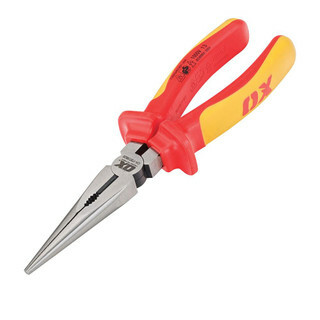
- Working into back boxes, trunking and crowded panels is far easier with ox long nose pliers, giving sparkies and maintenance teams the reach to pull conductors and hold fiddly parts where fingers will not fit.
- Cutting cable ties, wire and lighter gauge metal cleanly on site is the day to day job for ox side cutters, saving time on install work and leaving a neater finish than forcing the cut with the wrong tool.
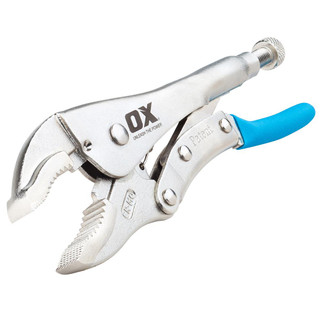
- Shifting stubborn pipe fittings, locknuts and rounded fasteners is what ox water pump pliers are made for, particularly on plumbing, maintenance and strip-out work where you need proper bite and quick jaw adjustment.
- Pulling pins, straightening brackets and dealing with the usual snagging jobs around site is where a solid ox pliers set makes sense, because you have the right jaw shape ready instead of making one tool do every job badly.
Choosing the Right OX Pliers
Match the jaw shape to the job. If you buy one pair to do everything, it will always be the wrong pair for half the work.
1. Combination Pliers for General Site Work
If you want one pair that lives in the tool bag every day, start with ox combination pliers. They are the sensible pick for gripping, twisting and light cutting. If most of your work is mixed first fix and general repairs, these will get used constantly.
2. Long Nose Pliers for Tight Access
If you are working inside panels, back boxes, appliances or awkward voids, go straight to ox long nose pliers. Standard pliers are no good when you cannot get the jaws where the work is.
3. Side Cutters for Clean Snips
If the main job is trimming cable, ties or wire, buy ox side cutters rather than using combination pliers for everything. You will get a cleaner cut, less hand strain and less chance of damaging what sits next to it.
4. Water Pump Pliers for Bite and Adjustment
If you deal with pipe fittings, lockrings or rounded fasteners, ox water pump pliers are the right answer. The adjustable jaw gives you the grip a fixed plier cannot, especially on old kit that has already had a hard life.
Who Uses These on Site?
- Sparkies rely on ox long nose pliers and ox side cutters for cable runs, board work and back box jobs where reach and a clean cut matter more than brute force.
- Plumbers and heating engineers keep ox water pump pliers close for gripping pipework, tightening fittings and freeing off seized parts without constantly reaching for a spanner.
- General builders and maintenance teams use ox combination pliers for the everyday bits that slow a job down, like pulling clips, bending ties, holding fixings and trimming wire.
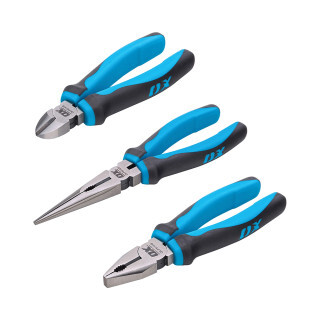
- Fitters and snagging crews usually carry an ox pliers set so they have cutters, long nose and combination pliers ready in one place for handover fixes and last-minute adjustments.
Choose the Right OX Pliers for the Job
Use this quick guide to match the plier type to the work in front of you.
| Your Job | OX Pliers Type | Key Features |
|---|---|---|
| General gripping, twisting and light cutting on site | OX Combination Pliers | Multi-use jaws, built-in cutters, solid everyday carry for first fix and repair work |
| Pulling and positioning cable in tight spots | OX Long Nose Pliers | Slim extended jaws, better reach into boxes and panels, more control on fiddly work |
| Snipping wire, ties and small fixings cleanly | OX Side Cutters | Dedicated cutting edges, neater finish, quicker cuts with less effort |
| Gripping pipework and turning awkward fittings | OX Water Pump Pliers | Adjustable jaw positions, strong bite, better hold on larger or rounded parts |
| Stocking the van for mixed trade and maintenance work | OX Pliers Set | Core plier types in one buy, covers more jobs, saves making do with the wrong tool |
Common Buying and Usage Mistakes
- Buying one do-it-all pair and expecting it to replace a full ox pliers set usually means slower work and rougher results. Match the plier type to the task and the job gets easier straight away.
- Using combination pliers as dedicated cutters blunts the edges faster and makes simple snips harder than they need to be. If you cut wire all day, keep proper ox side cutters in the pouch.
- Choosing long nose pliers for heavy gripping work is a quick way to wear the jaws and lose control. They are for access and precision, not the sort of force you would put through water pump pliers.
- Grabbing undersized pliers for larger fittings leads to slipping, rounded parts and skinned knuckles. For plumbing and maintenance jobs, use ox water pump pliers with enough jaw capacity for the fitting.
- Leaving pliers wet, dusty or loose in the bottom of the van shortens their life fast. Wipe them down, shut the jaws properly and store them dry so the action stays smooth.
Combination Pliers vs Long Nose Pliers vs Side Cutters
OX Combination Pliers
These are the all-rounders. Best for gripping, twisting and the sort of quick cuts that come up every day on site. If you only carry one pair, this is usually the starting point, but they will never match dedicated cutters for repeated snipping or long nose pliers for tight access.
OX Long Nose Pliers
These come into their own when the work is buried in a box, panel or awkward corner. They give you reach and control where combination pliers feel too bulky. The trade-off is they are not the best choice for heavy gripping or bigger site abuse.
OX Side Cutters
If the job is mostly cutting, these are the right tool. They leave cleaner ends on wire, ties and small fixings and do it with less effort. What they do not do is grip, hold or pull like the other two, so keep them as part of a working set, not your only option.
Maintenance and Care
Clean Off Dust and Adhesive
Brick dust, plaster, sealant and tape glue all make pliers feel rough in the hand. Wipe the jaws and pivot after use so they open cleanly and still grip properly next time.
Keep the Joint Moving
A drop of light oil on the pivot now and then stops the action going stiff, especially if the tool lives in a damp van or gets used outside in bad weather.
Do Not Use Cutting Edges for the Wrong Material
Forcing pliers through material they are not meant to cut is how edges chip or flatten off. Use side cutters for repeated cutting work and stop using worn cutters once they start crushing instead of snipping.
Store Them Dry
Even good pliers suffer if they sit wet at the bottom of a tool bag. Dry them off after outdoor work and keep them in a pouch, tray or organiser instead of leaving them loose with site muck.
Replace Damaged Jaws or Handles
If the jaws no longer meet properly, the cutters are mashed or the grips are splitting, retire them. Worn pliers slip when you least need it and that usually ends with damaged work or sore hands.
Why Shop for OX Pliers at ITS?
Whether you need a single pair of ox combination pliers, ox side cutters for daily use, or a full ox pliers set for the van, we stock the range in depth. That means the key types, sizes and trade-ready options are in our own warehouse, on the shelf and ready for next day delivery.
OX Pliers FAQs
What are combination pliers used for?
Combination pliers are the everyday pair most trades reach for first. They are used for gripping, twisting, bending and light cutting, so they suit first fix, repair work, cable handling and general site snagging. If you want one pair that covers the most jobs, start there.
What is the difference between pliers and cutters?
Pliers are mainly for gripping, holding, bending and pulling, while cutters are built first and foremost for snipping through wire, ties or small fixings cleanly. Some pliers include cutting edges, but dedicated cutters do that part better and with less effort if cutting is the main job.
Are OX pliers any good?
Yes, OX pliers are a solid trade option for regular site use. They are built for the sort of daily gripping, twisting and cutting that ruins cheap pairs fast. They are not miracle tools, but for van, bag and bench work they are properly suited to hard use.
What pliers do electricians use?
Most electricians carry a mix rather than one pair only. Combination pliers handle general gripping and twisting, long nose pliers help in back boxes and panels, and side cutters are used for trimming cable ties and wire. The best setup is the one that covers access, grip and clean cutting.
What is the best pliers set for tradespeople?
The best pliers set for tradespeople is one that covers the work you actually do, not the biggest set on paper. For most site users, that means combination pliers, long nose pliers and side cutters as a minimum, with water pump pliers added if pipework or larger fittings are part of the day.