Milwaukee VDE Pliers & Cutters
For gripping conductors and trimming cable during electrical fit-outs, Milwaukee VDE pliers and cutters put insulated handles behind the jaws.
Sparkies need the right jaw shape, not just a voltage marking. Match combination pliers, long nose pliers or cutters to the work, check the cutting capacity, and choose your kit below.
What Are Milwaukee VDE Pliers and Cutters Used For?
- Grip and bend conductors with combination pliers when preparing wiring for sockets, switches and junction boxes on isolated circuits.
- Reach into recessed back boxes with long nose pliers to position conductors where broader combination jaws cannot get a clear grip.
- Trim individual conductors and cable ties with side cutters, keeping within the tool's stated material and diameter limits.
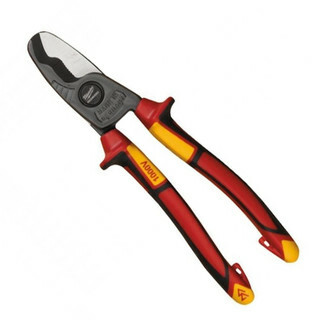
- Cut copper or aluminium cable with suitably rated cable cutters before dressing cable runs into enclosures, leaving an end ready for stripping.
Choosing the Right Milwaukee VDE Pliers and Cutters
Buy for the conductor and the access you actually have; an insulated handle does not make every jaw suitable for every job.
1. A Working Set or One Replacement
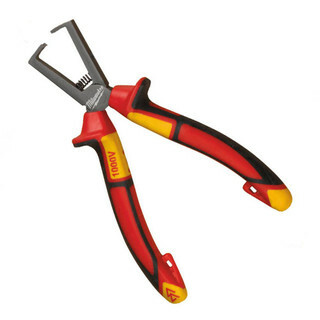
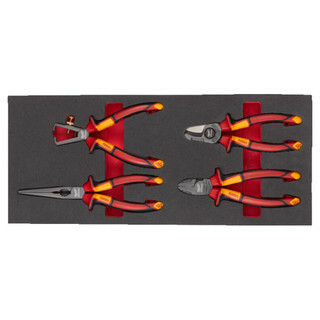
If you are building an electrical tool bag, compare the contents of Milwaukee VDE Plier Sets against your daily jobs. If only one tool is missing or damaged, choose from Milwaukee VDE Individual Pliers rather than buying duplicate tools.
2. Jaw Shape and Working Space
Choose combination pliers for a broad grip and general conductor work. Choose long nose pliers for reaching and positioning in cramped enclosures, but do not use their tips to twist heavy material or lever components into place.
3. Cable Cutting or General Trimming
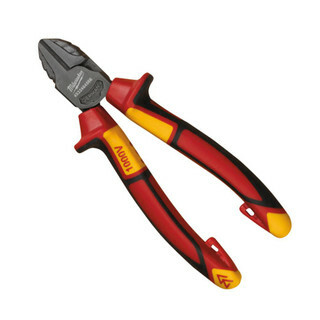
For copper and aluminium cable, check Milwaukee VDE Cable Cutters against the cable construction and stated capacity. For smaller conductors and trimming tasks, compare Milwaukee VDE Side Cutters & Diagonal Cutters. Never assume a copper cable rating covers steel wire or armouring.
4. Handle Length and Voltage Markings
Longer handles can give more leverage, but they need room to open inside a cupboard or enclosure. Check the exact tool's voltage rating, relevant standard and condition before use; comfortable grips alone tell you nothing about electrical protection.
Who Uses Milwaukee VDE Pliers and Cutters?
Installation electricians use Milwaukee VDE pliers for gripping, bending and cutting during first fix and second fix. Maintenance sparks and panel builders use narrower jaws for conductor positioning inside isolated equipment, while electrical contractors carry dedicated cable cutters to avoid forcing oversized cable through general-purpose cutting edges.
The Basics: Understanding VDE Pliers and Cutters
The cutting jaws do the mechanical work. The tested insulation provides electrical protection within the tool's stated rating and conditions of use; it does not replace safe isolation.
1. Test Voltage Is Not Working Voltage
Milwaukee specifies individual testing at 10,000V for its VDE pliers, with a working rating of up to 1,000V AC. The higher figure is a test voltage, not permission to work on a 10,000V installation. Check the markings and instructions on the exact tool.
2. Insulated Handles Do Not Insulate the Jaws
The exposed metal jaws still conduct electricity and can bridge adjacent terminals. Isolate, lock off and prove dead before work. Any justified live work requires the appropriate competence, risk assessment and protective measures; VDE pliers alone are not enough.
Useful Kit Alongside Your VDE Pliers
Keep the correct fastening tools alongside your pliers and protect the insulation between jobs.
1. VDE Screwdrivers
Use Milwaukee VDE Screwdriver Sets & Screwdrivers with the correct tip for terminal screws. Gripping a screw head with pliers can damage it and makes controlled tightening difficult; use a suitable torque screwdriver where a terminal torque is specified.
2. Protective Tool Roll or Compartmented Case
Separate insulated handles from loose blades, drill bits and sharp offcuts. A suitable tool roll or case reduces avoidable cuts to the insulation when the bag gets moved between the van and the job.
Choose the Right Milwaukee VDE Pliers and Cutters for the Job
Start with the task, then check jaw access and the stated cutting capacity.
| Your Job | Plier or Cutter Type | Key Features |
|---|---|---|
| Gripping and bending conductors during second fix | VDE combination pliers | Broad gripping jaws, suitable handle length and rated cutting edges. |
| Positioning conductors in recessed boxes | VDE long nose pliers | Narrow jaws and sufficient reach without forcing the tips. |
| Trimming smaller conductors and cable ties | VDE side or diagonal cutters | Cutting capacity matched to the material and room to open the handles. |
| Cutting copper or aluminium cable to length | VDE cable cutters | Cable-specific cutting geometry and the correct conductor capacity. |
| Equipping a new electrical tool bag | VDE plier set | A useful mix of gripping, reaching and cutting tools without unnecessary duplicates. |
Common Buying and Usage Mistakes
- Buying by handle colour alone can leave you with ordinary comfort grips rather than electrically tested insulation. Check the VDE certification, voltage marking and relevant standard on the exact tool.
- Cutting steel wire or cable armouring with cutters rated only for copper and aluminium can chip or deform the edges. Match both the material and diameter to the manufacturer's capacity.
- Using long nose pliers as a lever can bend the tips and spoil jaw alignment. Use them for reaching and controlled gripping, not forcing seized parts.
- Keeping tools in service after a handle is cut or burnt puts the insulation's protection in doubt. Remove the tool from electrical use rather than covering the damage with tape.
- Treating a 1,000V rating as permission for routine live work misses the point of safe working. Isolate, lock off and prove dead before starting.
VDE Combination Pliers vs Long Nose Pliers vs Dedicated Cutters
Combination Pliers for General Gripping
Choose combination pliers when holding and bending are the main jobs, with occasional cutting within their rating. Their broader jaws give a useful grip but take up more room than long nose pliers in a crowded back box.
Long Nose Pliers for Restricted Access
Choose long nose pliers for reaching past wiring and positioning conductors. The narrow tips improve access, but they are not a replacement for the stronger grip of combination jaws on heavier work.
Side Cutters for Trimming
Choose side cutters when cutting is the main task rather than gripping. They suit conductor and tie trimming within their stated capacity, but larger cable may need a dedicated cable cutter.
Cable Cutters for Cable Preparation
Choose cable cutters for the copper or aluminium cable sizes listed in their specification. Their cutting geometry suits cable preparation, but it does not make them suitable for steel armouring or general demolition work.
Maintenance and Care
Inspect Before Every Use
Check the full handle surface and guards for cuts, cracks, burns, looseness or exposed material. Check the jaws and cutting edges too. Remove suspect tools from service; a visual check cannot confirm dielectric integrity.
Clean Without Attacking the Insulation
Wipe off dust, cable residue and moisture after use. Follow the manufacturer's cleaning instructions and avoid aggressive solvents, abrasive cleaning or soaking that could damage the handles.
Keep the Joint Moving Freely
Keep grit out of the pivot and use only manufacturer-recommended lubrication. Wipe away excess so the handles remain clean and secure in the hand. Investigate stiffness rather than forcing the joint.
Store Dry and Replace Damaged Tools
Store separately from sharp tools, away from excessive heat and direct sunlight. Do not grind damaged cutting edges or patch insulated handles as a site repair; seek manufacturer advice or replace the tool.
Shop the Milwaukee VDE Pliers and Cutters Range at ITS
ITS stocks the full Milwaukee VDE pliers and cutters range, covering combination pliers, long nose pliers, side cutters, cable cutters and sets. Stock is held in our own warehouse, with in-stock tools ready for next-day delivery, subject to your delivery address and the options shown at checkout.
Milwaukee VDE Pliers and Cutters FAQs
Are Milwaukee VDE pliers 1000V tested?
Milwaukee specifies its VDE pliers as individually tested at 10,000V and rated for use up to 1,000V AC. The test voltage is not the working voltage. Check the exact tool's markings and instructions, and always follow safe isolation procedures rather than relying on insulated handles alone.
What types of VDE pliers does Milwaukee make?
The range includes combination pliers, long nose pliers, side or diagonal cutters and cable cutters, with individual tools and sets available. Choose combination jaws for general gripping, long nose jaws for access, and dedicated cutters for the material and cable size you need to cut.
Are Milwaukee VDE pliers comfortable?
Milwaukee VDE pliers use shaped insulated handles, but comfort still depends on your hand size, gloves and the tool's opening span. Check the length and grip before choosing. If cutting takes excessive force, check the capacity and edge condition rather than simply squeezing harder.
Do Milwaukee VDE pliers have a lifetime warranty?
Milwaukee offers a limited lifetime guarantee on eligible hand tools, but check the current UK terms for the exact pliers before buying. It is not an unconditional replacement promise: normal wear, misuse and damage are not the same as a manufacturing defect. Keep your proof of purchase, and do not continue using damaged insulation while a claim is assessed.
How do you know if VDE pliers are damaged?
Look for cuts, cracks, burns, loose handles, damaged guards, corrosion, chipped edges and jaws that no longer meet correctly. Remove the tool from electrical use if anything is suspect. Tape is not an acceptable insulation repair, and an apparently sound surface does not prove the tool remains electrically safe after damage or misuse.
Are Milwaukee VDE pliers made in Germany?
Milwaukee lists German manufacture for a number of its VDE pliers and cutters. Check the product details or packaging for the exact part number rather than assuming every Milwaukee insulated tool has the same origin. Country of manufacture does not replace checking the voltage rating, certification and condition.
Can VDE pliers be used for non-electrical work?
Yes, provided the gripping or cutting task stays within the tool's intended use and capacity. However, abrasive work, hot materials, chemicals and sharp scrap can damage the insulation. Keep a separate general-purpose pair for rough work rather than risking the tools you rely on for electrical tasks.
What is the difference between VDE and insulated pliers?
VDE identifies independent testing and certification; a plastic or rubber grip by itself does not establish electrical protection. Other properly certified insulated tools can also be suitable, so check the relevant standard, such as IEC 60900, the rated voltage and the manufacturer's instructions. Never judge electrical suitability by handle colour or appearance.